Ten years after the landmark South China Sea arbitration ruling, its biggest legacy may not be the legal defeat of China’s Nine-Dash Line claim but what Beijing’s response revealed about its …
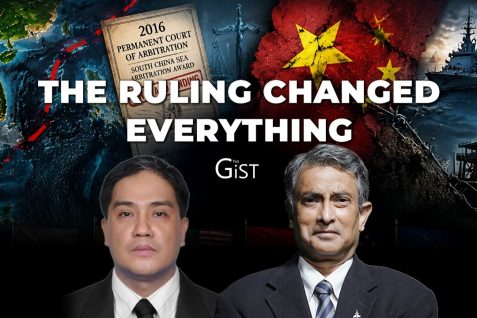
Ten years after the landmark South China Sea arbitration ruling, its biggest legacy may not be the legal defeat of China’s Nine-Dash Line claim but what Beijing’s response revealed about its strategic ambitions. Speaking to StratNewsGlobal, Philippine strategic affairs expert Dr Renato Cruz de Castro argues that China’s refusal to recognise the 2016 Permanent Court of Arbitration award fundamentally changed how countries across the Indo-Pacific viewed its rise. “The ruling revealed to us what kind of a great power China would be,” he says, arguing that Beijing demonstrated its willingness to ignore international law in pursuit of broader geopolitical objectives. According to de Castro, China’s ambitions extend beyond the South China Sea to controlling the First Island Chain and eventually replacing the United States as the region’s principal maritime power. He believes Japan, Australia, the United States, the European Union and India have all adjusted their strategic outlook in response. For the Philippines, the turning point came after years of attempting accommodation with Beijing. “Whether you appease or challenge China, you will get the same result—subjugation and expansion,” he says. De Castro also highlights India’s growing importance in regional security, describing the BrahMos missile sale as a significant step in strengthening Philippine deterrence. Looking ahead, he argues that New Delhi and Manila should deepen cooperation beyond defence trade into a broader security partnership to counter coercion, influence operations and what he describes as China’s continuing regional expansion.
There’s one place in America where Chinese nationals can enter without a visa. It’s called the Commonwealth of the Northern Mariana Islands (CNMI), a U.S. territory in the Pacific, right by …
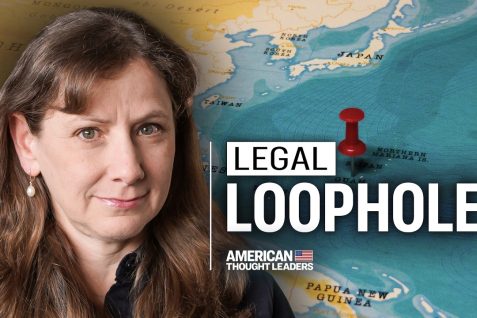
There’s one place in America where Chinese nationals can enter without a visa. It’s called the Commonwealth of the Northern Mariana Islands (CNMI), a U.S. territory in the Pacific, right by Guam. And it has become a major security loophole for Chinese Communist Party (CCP) influence operations as well as Chinese organized crime and birth tourism ventures, said Cleo Paskal, a senior fellow at the Compass Institute. Yet there has been little political will in Washington to close this loophole, Paskal argues. In this episode, Paskal breaks down the CCP’s aggressive influence and gray-zone warfare operations in this region—areas critical to U.S. defense in any Taiwan conflict—and why this matters for U.S. security. Every U.S. president who served in the Pacific theater in World War II understood that the security of the American mainland depends on a secure Pacific perimeter, Paskal said. As such, in addition to two U.S. territories in the region, the United States has maintained Compacts of Free Association with Palau, the Federated States of Micronesia, and the Marshall Islands since the end of World War II. These treaties give the U.S. military exclusive defense and strategic access to these countries in exchange for U.S. security guarantees and economic support. But the Chinese Communist Party has sought to aggressively expand its influence in these islands through pressure, gray zone warfare, and disinformation campaigns. Amid all this, U.S. funding for these compacts nearly lapsed in recent years, because many in Washington apparently have forgotten their importance. In this episode, Paskal walks me through a key question: if the security of America’s mainland has always depended on control of the central Pacific, what consequences will we pay now that so few Americans know these islands—or their citizens—even exist?
The U.S. Coast Guard has deployed forces near China as Washington seeks to counter Beijing’s maritime pressure in the region. President Donald Trump drops fees on cargo ships passing through the …
The U.S. Coast Guard has deployed forces near China as Washington seeks to counter Beijing’s maritime pressure in the region. President Donald Trump drops fees on cargo ships passing through the Strait of Hormuz, and reinstated the blockade targeting Iran’s oil shipments. What impact will these U.S. moves have on China? China fired a nuclear-capable missile into the Pacific Ocean that landed near U.S. ally Australia. What message is Beijing sending to the world? “This is really like a dog marking its territory,” Grant Newsham, a retired U.S. Marine said. David versus Goliath: UK residents take China’s mega-embassy plan to court, warning of national security risks. China’s economic growth figures for April to June are out. What broader economic trends do they reveal? 00:00 Intro 01:02 U.S. Coast Guard Deployed Near China 02:34 U.S. Targets China–Iran Oil Network 03:04 Hormuz Toll Could Set China Precedent 04:56 Trump Squeezes Iran’s Oil Revenue 07:23 Sen. Jim Banks: CCP Targets U.S. Research 08:55 China “Marking Its Territory” in the Pacific: Expert 10:51 Can Australia’s Pacific Deals Challenge China? 12:41 China Mega Embassy Plan Faces U.K. Court Challenge 14:21 China’s Q2 Economic Growth Misses Forecasts 15:39 China’s Consumption Challenge Continues 16:00 U.S. Countering China in the Western Hemisphere 🔵Tiffany Meier’s documentary Hollywood Takeover – how Beijing is rewriting the script in America’s film industry: hollywoodtakeover.com 🇺🇸 Stay updated with breaking news, special reports, and LIVE COVERAGE on NTD: https://ept.ms/NTDlive_
This report from China in Focus on NTD examines several developing international situations involving the United States and China. The segment begins by noting that U.S. Coast Guard forces have been deployed near Chinese waters as Washington attempts to counter perceived maritime pressure from Beijing. Additionally, President Donald Trump is reported to be imposing fees on cargo ships transiting the Strait of Hormuz while reinstating a blockade against Iranian oil shipments; analysts discuss how these actions might impact China's energy network and set precedents for future trade disputes.
The video also covers military developments where China launched a nuclear-capable missile into the Pacific Ocean near Australia, an action described by experts as territory marking similar to a dog claiming its space. In legal matters, residents of the United Kingdom are challenging China's plan to build a massive embassy in court over national security concerns. Economically, recent data indicates that China's growth figures for the second quarter missed forecasts, highlighting ongoing consumption challenges. The program concludes by looking at U.S. strategies to counter Chinese influence within its own Western Hemisphere and provides links to related documentaries supporting these narratives.
Millions of Chinese families believed they were doing everything right. Yet today, some young college graduates are sharing a single bed with complete strangers because they can’t afford rent. At the …
Millions of Chinese families believed they were doing everything right. Yet today, some young college graduates are sharing a single bed with complete strangers because they can’t afford rent. At the same time, a viral online discussion about the “Seven Mistakes That Bankrupt the Middle Class” has sparked a nationwide debate. Were buying a home, starting a business, investing for the future, and raising children really financial mistakes—or did China’s economic reality change? This report examines how collapsing confidence, shrinking opportunities, and a deepening economic downturn are reshaping the lives of China’s middle class and its younger generation.
This video from Lei's Real Talk explores the shifting economic landscape facing millions of Chinese families. Despite believing they were making sound financial decisions, many young college graduates now face severe housing affordability issues, forcing some to share beds with strangers due to high rent costs. A viral online discussion regarding seven specific mistakes that bankrupt the middle class has ignited a nationwide debate about these challenges. The report questions whether traditional actions like buying homes, starting businesses, investing for the future, and raising children are truly financial errors or if China's underlying economic reality has fundamentally changed.
The content examines how collapsing confidence, shrinking opportunities, and a deepening downturn are reshaping lives across the nation. While specific details on every aspect remain sparse in available descriptions, the focus remains on understanding these broader trends affecting the younger generation and middle class. The channel primarily discusses world economy, history, and politics with an emphasis on U.S.-China relations, aiming to reveal hidden stories through short video formats. Viewers are encouraged to consider how global economic shifts impact local stability without inventing specific events or quotes not present in the source material provided.
July 1 is the deadline for the renewal of the $2 trillion U.S.–Mexico–Canada Agreement (USMCA). But the United States has chosen not to renew it, triggering annual reviews between the three …
July 1 is the deadline for the renewal of the $2 trillion U.S.–Mexico–Canada Agreement (USMCA). But the United States has chosen not to renew it, triggering annual reviews between the three countries. What’s at the heart of the issue? America’s AI race with China is heating up. Why is the United States lifting export restrictions on some of its most advanced AI models? Ohio has canceled more than $20 million in tax incentives for a Chinese battery component company after it failed to deliver on its promises. July 1 marks the anniversary of the founding of the Chinese Communist Party (CCP). Outside China, it’s also observed by anti-communist Chinese communities as Global Quit the CCP Day. We take a look at how they’re marking the occasion. Beijing is stepping up its global clampdown with a new law that allows the communist regime to target people beyond China’s borders. 00:00 Intro 01:09 USMCA Review Begins as U.S. Presses to Counter China 02:29 USMCA First Review Begins With No Renewal in Sight 03:47 Chinese Battery Firm Loses $23M Ohio Incentives 06:23 Ohio Residents Concerned With Semcorp’s Operations 07:01 Report: CCP Harassment Rising Across U.S. 09:23 U.S. Lifts Anthropic Export Ban Amid AI Race With China 10:30 462 Million Chinese People Denounced CCP 11:05 End CCP Motorcade Rallies Across New York City 11:38Chinese New Yorkers Protest Before Chinese Consulate 11:58China’s Unity Law Expands Global Clampdown 13:22China Sends New Warship Into Pacific, Raising Concerns 14:30 Birthright Citizenship Fight Far From Over 15:16 Expert: 14th Amendment Blocks Birthright Changes 16:20 Expert: Congress Could Test Birthright Law 17:34 Philipp: Beijing Exploits U.S. Birthright Citizenship 18:49 Expert: Easier to Change Laws Than Constitution 🔵Tiffany Meier’s documentary Hollywood Takeover – how Beijing is rewriting the script in America’s film industry: hollywoodtakeover.com
This episode of China in Focus examines several developing issues between the United States and China as July 1 approaches. The segment begins by noting that while the deadline for renewing the USMCA has arrived, the U.S. decision not to automatically continue it triggers annual reviews among the three member nations. Simultaneously, America's competition regarding artificial intelligence intensifies, prompting questions about why Washington is lifting export restrictions on certain advanced AI models despite ongoing tensions.
Domestically in Ohio, a Chinese battery component company lost over twenty million dollars in tax incentives after failing to meet its commitments, raising concerns among local residents regarding the firm's operations. On the diplomatic front, Beijing has introduced new legislation allowing it to target individuals outside China's borders as part of an expanded global clampdown. The program also covers how anti-communist communities are observing July 1 as Global Quit the CCP Day with various rallies and protests in New York City. Additionally, experts discuss ongoing legal battles concerning birthright citizenship, suggesting that while changing federal laws is possible, altering constitutional provisions remains a significant hurdle for any legislative changes to this area of law.
The Quad is becoming an increasingly important pillar of Indo-Pacific security as the US, Japan, Australia and India deepen cooperation on maritime security, critical minerals and regional resilience. While Beijing dismisses …
The Quad is becoming an increasingly important pillar of Indo-Pacific security as the US, Japan, Australia and India deepen cooperation on maritime security, critical minerals and regional resilience. While Beijing dismisses the grouping as an “Indo-Pacific NATO” designed to contain China, the four members continue expanding practical initiatives, including maritime domain awareness and supply chain security. At the same time, China is responding with stronger diplomacy, gray-zone tactics and closer ties with countries such as Russia as it seeks to counter the Quad’s growing influence. Is the Quad evolving into a durable strategic partnership—or do differences among its members still give Beijing room to maneuver? In this episode, we examine how China views the Quad, how the grouping is adapting to the China challenge and what it means for Taiwan and the future of the Indo-Pacific. *Recorded on July 2, 2026 at 2pm Taiwan Standard Time Host: Wen-Ti Sung Producer: Suvam Pal Our guests: Stephen Nagy International Christian University Politics and International Studies Professor Ronan Fu Academia Sinica Institute of Political Science Assistant Research Fellow Chapters: 00:00:00 – Quad Consolidates Role in Indo-Pacific 00:01:57 – How Does Beijing ViewQuad? 00:13:10 – China Attempts To Counterbalance Quad 00:21:18 – Taiwan Looks to Quad #Quad #IndoPacific #Taiwan #QuadAlliance #Beijing #China #ChinaThreat #IndoPacificRegion #Geopolitics #TaiwanStrait #USChina #GlobalSecurity #InternationalRelations #AsiaPacific #MilitaryAlliance #IndoPacificStrategy #StrategicPartnership #SouthChinaSea #RegionalSecurity #GlobalPolitics #DefendTaiwan #ChinaForeignPolicy #GeopoliticalRisk #StrategicAlliances #IndoPacificGeopolitics #QuadSummit #BeijingPerspective #Counterbalance #TaiwanSecurity #EastAsia #DefensePolicy #GlobalDefense #SecurityAlliance #MaritimeSecurity #BalanceOfPower #ForeignRelations #Asiageopolitics #IndoPacificSecurity #StrategicStability #RegionalStability #GlobalStrategy #DefenseAlliance #Alliances #SecurityStrategy #IndoPacificPolicy #SuperpowerRivalry #EastAsiaSecurity #Geostrategic #TaiwanPlus #TaiwanTalks
This episode of Taiwan Talks explores the evolving dynamics between China and the Quad within the Indo-Pacific region. The discussion highlights how the United States, Japan, Australia, and India are strengthening their cooperation on maritime security, critical minerals, and regional resilience. While Beijing often characterizes this grouping as an exclusionary alliance designed to contain it similar to a NATO in Asia, the four members continue expanding practical initiatives focused on supply chain security and domain awareness. In response, China is reportedly employing stronger diplomacy, gray-zone tactics, and deepening ties with nations like Russia to counterbalance Quad influence. The program examines whether these differences among Quad members still provide Beijing strategic room for maneuver or if a durable partnership is forming. Experts analyze how the grouping adapts to Chinese challenges and what this shift means specifically for Taiwan's security posture. Recorded in July 2026, the conversation features insights from international relations scholars regarding global strategy, defense policy, and the future of regional stability as superpower rivalry intensifies across East Asia and the South China Sea.
A small civilian aircraft flew through the heart of Beijing and exposed far more than an air-defense failure. The incident may have revealed two of Xi Jinping’s biggest political vulnerabilities: a …
A small civilian aircraft flew through the heart of Beijing and exposed far more than an air-defense failure. The incident may have revealed two of Xi Jinping’s biggest political vulnerabilities: a stalled power struggle inside the PLA surrounding Zhang Youxia and Liu Zhenli, and a growing security crisis for Xi’s closest ally, Cai Qi. Could one plane have exposed cracks in both Xi’s military control and his inner circle?
A small civilian aircraft recently flew through central Beijing, an event described as exposing significant political vulnerabilities for Chinese leadership beyond a simple air-defense failure. The incident reportedly highlighted potential internal power struggles within the People's Liberation Army involving figures such as Zhang Youxia and Liu Zhenli. Additionally, the situation may have underscored growing security concerns regarding Cai Qi, who is considered a close ally of President Xi Jinping. The video suggests that this single event could reveal cracks in both military control and the cohesion of the inner circle surrounding the top leader.
The content originates from Lei's Real Talk, a channel focused on world economy, history, and politics with a primary emphasis on U.S.-China relations. The description frames the narrative as uncovering hidden stories behind major geopolitical events. While specific details regarding the flight path or official responses are not elaborated in the provided text, the overview centers on the political implications attributed to the incident. The channel encourages viewers to subscribe for updates and supports its work through various online platforms. The discussion remains centered on interpreting these alleged weaknesses within the broader context of current leadership dynamics without inventing specific facts or quotes not present in the source material.
President Donald Trump takes aim at communism, responding to New York’s congressional primaries. The House Select Committee on the Chinese Communist Party holds a hearing exposing China’s malign influence on American …
President Donald Trump takes aim at communism, responding to New York’s congressional primaries. The House Select Committee on the Chinese Communist Party holds a hearing exposing China’s malign influence on American soil. Beijing is adding another tool to its legal arsenal. A draft law would allow state prosecutors to bring public-interest lawsuits against foreign entities and individuals. Australia announces a $1.75 billion deal to export radar technology to Canada, as NATO allies ramp up efforts to safeguard the Arctic from the Chinese regime. Cheaper or better? The global AI race is heating up as lower-cost Chinese models challenge America’s push to lead the next generation of technology. 00:00 Intro 01:06 Trump Sounds Alarm on Communism 02:14 Trump Calls Progressive Candidates ‘Solid Communists’ 02:45 House Hearing Exposes CCP’s Malign Influence in US 05:08 China Adds Foreign Targets to Public Interest Lawsuits 06:14 FCC Toughens Submarine Communication Cable Rules 07:13 Small Plane Crashes Into Beijing’s Tallest Building 08:07 Australia Ships $1.75 Billion Tech to Canada for Arctic Defense 09:12 Gray: Keeping Greenland Safe Vital to US Security 10;53 Shen Yun Back in Toronto Despite Earlier Hoax Threats 13:37 Chinese Cyber Firm Claims Superior MythOS Rival 14:25 US–China AI Race: The Fight for Global Influence 15:57 Expert Backs Linux to Counter China Cyber Risks 16:12 Concerns Over Data Sharing in Global Tech Ecosystems
This video report from China in Focus examines a series of geopolitical developments involving the United States and China. President Donald Trump addresses concerns regarding communism, specifically targeting progressive candidates during New York congressional primaries. Concurrently, the House Select Committee on the Chinese Communist Party holds a hearing to reveal alleged malign influence within American institutions. Beijing is also expanding its legal capabilities by drafting laws that permit state prosecutors to initiate public-interest lawsuits against foreign entities and individuals. In defense matters, Australia finalizes a significant agreement to export radar technology to Canada, supporting NATO efforts to secure the Arctic region. Experts discuss the necessity of keeping Greenland safe for US security interests. The report covers technological competition as lower-cost Chinese artificial intelligence models challenge American leadership in the global race. Additionally, FCC regulations regarding submarine communication cables are tightened. Other segments include a plane crash near Beijing's tallest building and claims by a Chinese cyber firm about its operating system rivaling Western standards. Concerns over data sharing within the global tech ecosystem are also highlighted. The program concludes with notes on Shen Yun performing in Toronto despite previous hoax threats and recommendations for using Linux to mitigate cyber risks.
Is China’s military as strong as it looks? A sweeping new PLA audit—“Sharp Sword–2025”—is tearing open weapons depots, missiles, radars, and supply chains with no warning. Reports point to mismatched inventory, …
Is China’s military as strong as it looks? A sweeping new PLA audit—“Sharp Sword–2025”—is tearing open weapons depots, missiles, radars, and supply chains with no warning. Reports point to mismatched inventory, downgraded components, falsified test results, and even training drills that were staged for show. As anti-corruption pressure meets real war-readiness concerns, this inspection is turning into a full-scale purge. What is Beijing really finding—and what does it reveal about the PLA’s true combat capability?
This video from Lei's Real Talk examines a significant new audit within the Chinese military, referred to as Sharp Sword–2025. The inspection involves an extensive review of weapons depots, missile systems, radar installations, and supply chains without prior warning. Reports suggest that the process has uncovered discrepancies such as mismatched inventory levels, downgraded components, falsified test results, and training exercises that appear staged rather than genuine.
The narrative connects these findings to broader anti-corruption efforts and growing concerns regarding actual war readiness. The audit is described as evolving into a large-scale purge within the People's Liberation Army. The content questions whether China's military capabilities match its public appearance and explores what Beijing might be discovering about true combat effectiveness. The channel focuses on world economy, history, and politics with a primary emphasis on U.S.-China relations. It presents these hidden stories through short video formats. Viewers are encouraged to subscribe for updates and share the content with others interested in geopolitical developments.
China is expanding trade pressures on Japan. It announced new export curbs on dozens of Japanese firms amid rising tensions over Taiwan and defense. Oil prices are dropping, peace talks in …
China is expanding trade pressures on Japan. It announced new export curbs on dozens of Japanese firms amid rising tensions over Taiwan and defense. Oil prices are dropping, peace talks in the Middle East are underway, and uncertainty remains. From preschool to college, China is making artificial intelligence a mandatory subject. Why are top American CEOs ringing alarm bells for U.S. schools? President Donald Trump criticizes communism—what do three young media professionals think about the topic? The Arctic is becoming the northernmost front in countering Russia and China. Europe and Canada are showing Washington that they can help defend the Western world on its northern flank. 00:00 Intro 01:07 China Expands Export Curbs on Japan 02:22 Trump: US–Iran Talks Set for Tuesday in Doha 03:36 Mike Waltz: Iran Faces a Choice 04:20 Israel Strikes Hezbollah Terrorists in Lebanon 05:07 China Expands Nationwide AI Education Across All Grades 07:10 Top US CEOs Push for K–12 AI Classes 07:43Trump: Communism ‘Easy to Sell,’ Ends in Failure 09:06 Why Communism Goes Against Human Nature 10:49 Why Gen Z Is Embracing Socialism 12:49 Trump: Democrats Won’t Confront Communists 14:07 Are Socialists Taking Over the Democratic Party? 16:50 NATO Pledges Arctic Security to Trump 18:37 Russia Rebuilds Arctic Bases Near US 19:33Why the Arctic Matters to All Parties 20:10 Australia, Vanuatu Sign Pact Amid China Concerns
China has intensified trade tensions with Japan by announcing new export restrictions affecting dozens of Japanese companies. This move occurs amidst escalating geopolitical friction, particularly regarding Taiwan and defense issues. The report also notes that global oil prices are declining while peace negotiations continue in the Middle East, leaving significant uncertainty in international markets. Additionally, China is implementing a nationwide mandate for artificial intelligence education across all grade levels, from preschool through college. In response to these developments, prominent American business leaders are expressing concern over the lack of similar AI instruction in U.S. schools. The segment further examines President Trump's comments on communism, featuring perspectives from young media professionals who discuss why the ideology appeals to some Gen Z individuals despite historical failures. Geopolitical focus also shifts to the Arctic region, where European and Canadian nations pledge security support to the United States against Russian and Chinese influence as Russia rebuilds bases near U.S. borders. Finally, Australia and Vanuatu sign a new pact driven by shared concerns over China's expanding regional presence.
The Pentagon is facing a new legal challenge. Chinese tech giant Alibaba is suing after being designated a Chinese military company—but the Defense Department isn’t the only target. Here’s how Beijing …
The Pentagon is facing a new legal challenge. Chinese tech giant Alibaba is suing after being designated a Chinese military company—but the Defense Department isn’t the only target. Here’s how Beijing is weaponizing U.S. courts to silence critics. A new clash in the U.S.–China AI race. Anthropic is accusing Alibaba of a large-scale effort, involving thousands of fake accounts, to steal AI capabilities. A Chinese EV battery maker is demanding millions of dollars from a small Michigan township. How local backlash against a Chinese-owned factory turned into a federal lawsuit. A successful test of the Golden Dome. Defense Secretary Pete Hegseth described it as the first milestone test of the missile defense program. Which countries is the Golden Dome primarily defending against? The semiconductor industry is riding the AI boom. South Korean chip workers are reaping the rewards, enjoying high demand in both career and marriage. 00:00 Intro 01:26 Alibaba Sues Pentagon for Chinese Military Designation 02:35 Beijing Weaponizes U.S. Courts to Silence Critics 05:14 Anthropic Accuses Alibaba of Large-Scale AI Theft 06:47 Chinese Battery Firm Seeks $23.7M From Small Michigan Town 08:34 Hegseth Says Golden Dome Test a Success 09:37 U.S. University Program for Communist Elites: Report 10:30 U.S. Snubs China APEC Meeting Over Visa Dispute 11:16 Chip Workers in High Demand at Work and in Marriage 12:41 Semiconductor Industry Lures Top Students From Medicine 14:14 Expert on China Cyber Threats in U.S. Infrastructure 14:31 Experts Warn of Deep Grid Infiltration Risk 15:53 China-Made Parts Raise AI Data Center Concerns 20:16 Expert Warns of Telecom Supply Chain Vulnerabilities
This video from China in Focus examines the evolving legal and technological tensions between the United States and China. The segment begins by addressing a new legal challenge involving the Pentagon, where Chinese tech giant Alibaba has filed a lawsuit following its designation as a Chinese military company. Beyond this specific case, the report explores how Beijing allegedly utilizes U.S. courts to suppress criticism. A significant portion of the discussion focuses on the ongoing competition in artificial intelligence, highlighting accusations from Anthropic that Alibaba orchestrated a massive operation using thousands of fake accounts to steal AI capabilities.
The overview also covers economic and security disputes, including a Chinese electric vehicle battery manufacturer seeking millions from a Michigan township amid local opposition to its factory. On the defense front, Defense Secretary Pete Hegseth announced a successful test of the Golden Dome missile defense program. The video further touches on domestic impacts within South Korea's semiconductor industry, where high demand for chip workers is affecting both employment and marriage markets. Additionally, experts warn of potential risks regarding deep grid infiltration and vulnerabilities in telecom supply chains involving China-made parts. The report concludes by noting diplomatic friction, such as the U.S. decision to exclude China from an APEC meeting due to visa disputes, alongside concerns over a university program allegedly benefiting Communist elites.
The Rim of the Pacific (RIMPAC) Exercise 2026 is bringing together 31 nations, more than 25,000 personnel and some of the world’s most advanced naval forces for the largest maritime exercise …
The Rim of the Pacific (RIMPAC) Exercise 2026 is bringing together 31 nations, more than 25,000 personnel and some of the world’s most advanced naval forces for the largest maritime exercise on the planet. The drills come at a time of growing tensions across the Indo-Pacific, with China excluded from the exercise for a fourth consecutive iteration and Taiwan once again left on the sidelines, despite repeated support from members of the US Congress. At the same time, questions are mounting over how closely the US and Taiwan could actually operate together in a crisis and whether existing military cooperation is enough to close critical interoperability gaps. In this episode, we examine what RIMPAC reveals about deterrence, coalition-building and the evolving state of US-Taiwan defense cooperation.
The Rim of the Pacific Exercise 2026 assembles thirty-one nations, over twenty-five thousand personnel, and advanced naval forces for the largest maritime drill globally. These exercises occur amidst rising tensions in the Indo-Pacific region. China remains excluded from the event for a fourth consecutive iteration, while Taiwan is again absent despite ongoing support from members of the US Congress. The episode explores how these drills reflect current deterrence strategies, coalition-building efforts, and the evolving nature of defense cooperation between the United States and Taiwan. Questions persist regarding the extent to which the two can operate together during a crisis and whether existing military ties sufficiently address critical interoperability gaps. Recorded on June 18, 2026, the discussion features guests from the Institute for National Defense and Security Research who analyze what RIMPAC reveals about regional security dynamics. The conversation covers whether the drills serve primarily as training or strategic messaging, reasons behind China's disinvitation related to aggression, factors preventing Taiwan's participation, and potential expansions in US-Taiwan cooperation.
Read the full, in-depth analysis on China News Update: https://chinanewsupdate.com/china-new… In today’s video, independent analyst Tony Fiddis breaks down China’s narrowing budget deficit and why Beijing is resisting aggressive stimulus despite …
Read the full, in-depth analysis on China News Update: https://chinanewsupdate.com/china-new… In today’s video, independent analyst Tony Fiddis breaks down China’s narrowing budget deficit and why Beijing is resisting aggressive stimulus despite a widening gap between thriving high-tech exports and fragile domestic consumer demand. We examine the muted results of the critical “618” shopping festival, the escalating semiconductor friction with Washington, and a high-stakes joint regulatory investigation into infant diaper chemical safety. 🕒 VIDEO TIMESTAMPS 00:00 Introduction 00:11 Chinese Economy Fiscal Space and Holiday Shopping 04:46 US-China: New Restrictions & Smuggling Concerns 09:26 Diaper Scandal
This video from the independent channel China News Update features analyst Tony Fiddis examining recent economic and geopolitical developments in China. The discussion centers on Beijing's fiscal tightening, noting a narrowing budget deficit despite a widening gap between robust high-tech exports and weak domestic consumer demand. Results from the critical 618 shopping festival are described as muted, reflecting broader challenges within the retail sector. The analysis also addresses escalating friction with Washington regarding semiconductors and emerging smuggling concerns linked to new restrictions. A significant portion of the content is dedicated to a high-stakes regulatory investigation into infant diaper chemical safety, which has drawn attention as a major scandal. The presenter aims to provide objective insights into macroeconomic shifts and trade policies, cutting through various state narratives and media biases. Viewers are directed to the channel's main portal for full in-depth analysis of these topics. The video serves an educational purpose rather than offering financial or legal advice, relying on corporate research and government statements to inform international observers about the world's second-largest economy.
No peace talks between the United States and Iran took place on Friday, and no new date has been announced. We have the latest updates. Ukrainian drones have helped repel Russian …
No peace talks between the United States and Iran took place on Friday, and no new date has been announced. We have the latest updates. Ukrainian drones have helped repel Russian attacks for years. Now, China’s neighbors—including Taiwan and Japan—are eager to learn from Ukraine’s experience as they prepare to deter a potential conflict. Taiwan is pushing a new bill to invest billions in drone technology to counter China. Meanwhile, Australia is sending drones to the Philippines to strengthen maritime defenses. A historic shift in Cuba. The communist island is opening up to free-market reforms amid severe U.S. sanctions and secret diplomatic talks. Is Havana opening a new chapter—and how will Washington respond? 00:00 Intro 01:04 US-Iran Talks in Switzerland Postponed 03:21 Trump Criticizes Democrats Over Iran Deal Comments 03:55 Strait of Hormuz: Shipping Traffic Recovering 04:23 Israel–Hezbollah Ceasefire Takes Effect in Lebanon 05:04 U.S. Policy Shift: From Obama to Trump 06:53 Gulf Nations Fed Up With Iran Strikes 08:08 Ukrainian Drone Makers Target Taiwan, Japan 10:03 Taiwan Approves $6.7 Billion Domestic Drone Defense Plan 11:20 Australia Donates Drones to Philippine Coast Guard 13:04 Cuba Passes Historic Free-Market Economic Reforms 15:23 Trump: Cuba Operation May Mirror Venezuela 17:11 France Dismantles 9 Chinese Police Outposts 18:08 AI Data Center Boom Drives Solar Power Demand
This report from China in Focus on NTD examines several developing international situations, with a primary focus on regional defense strategies in the Pacific. The segment highlights that Taiwan is advancing legislation to invest approximately 6.7 billion dollars in domestic drone technology aimed at countering potential threats from China. This initiative reflects a broader trend where neighbors of China, including Japan, are looking to Ukraine's experience with drone warfare for inspiration as they prepare to deter future conflicts. In related maritime developments, Australia has donated drones to the Philippine Coast Guard to bolster their defensive capabilities in the region.
The broadcast also covers other significant global events without detailed elaboration on each. Updates indicate that peace talks between the United States and Iran were postponed with no new date set, while diplomatic efforts continue behind closed doors. Additionally, the report notes historic economic reforms passing in Cuba despite ongoing sanctions, a move that may influence future U.S. policy similar to actions taken regarding Venezuela. Other brief mentions include shifting dynamics in the Strait of Hormuz, developments between Israel and Hezbollah, and environmental impacts driven by an AI data center boom increasing demand for solar power. The program serves as a news update covering these diverse topics within its runtime.
Beijing appears to be increasing its ability to launch nuclear strikes against countries such as the United States. What do satellite images reveal about a mysterious complex taking shape in a …
Beijing appears to be increasing its ability to launch nuclear strikes against countries such as the United States. What do satellite images reveal about a mysterious complex taking shape in a desert in the Xinjiang region? Drones are changing the battlefield—not only in the sky, but also at sea. The United States and two allies are working together to strengthen their maritime dominance and counter China. Beijing draws a dangerous new red line, expelling an American reporter over Taiwan. Washington responds in kind, while Taipei condemns Beijing’s tactics. Want to take Chinese technology, talent, or data overseas? Under Beijing’s new outbound investment rules, you’ll need permission first. Military-linked universities in China are pursuing Nvidia’s top AI chips, raising questions about U.S. efforts to control cutting-edge technology exports. China Appears to Boost Nuclear Strike Capability US Launches Golden Dome Missile Shield System US, UK, Australia to Develop Undersea Drones US Racing to Counter China’s Drone Dominance Pentagon Turns to Smaller Firms for Drones Pentagon Seeks 300,000 Low-Cost Attack Drones Security Concerns Over Chinese Drone Parts China, US Expel Each Other’s Reporters Expert: Chinese Outlets in US May Influence Elections Beijing to Lock Down Outbound Tech, Data Flows Rubio: US Must End Reliance on Chinese Supply Chains China Military-Tied Universities Seek Nvidia AI Chips EU to Join US-Led Chip Supply Initiative China Defense Minister No-Show at Asia Summit South Korea, Japan Weigh Military Logistics Deal
This video report from China in Focus examines several developing geopolitical and military tensions between the United States, China, and their respective allies. The segment begins by noting reports that Beijing may be enhancing its nuclear strike capabilities against nations like the United States, while satellite imagery investigates a mysterious construction project in the Xinjiang desert region. Simultaneously, the narrative highlights a shift in drone warfare, where drones are increasingly utilized across air and sea domains. In response to China's growing dominance in this sector, the US, UK, and Australia are collaborating to strengthen maritime control and develop undersea drone technologies. The Pentagon is also seeking partnerships with smaller firms to acquire hundreds of thousands of low-cost attack drones to counter potential threats.
Diplomatic friction remains high as Beijing expels an American reporter over Taiwan issues, prompting a reciprocal action from Washington. Taipei criticizes these tactics while experts warn that Chinese media outlets within the US could influence elections. On the economic front, new outbound investment rules require permission for moving Chinese technology or data overseas, and military-linked universities are reportedly seeking Nvidia's advanced AI chips despite export controls. The European Union is considering joining US-led initiatives to secure chip supply chains, while regional allies like South Korea and Japan weigh potential military logistics agreements.
Is Washington’s attention shifting away from the Indo-Pacific? Japan’s prime minister says not at all, following talks with President Donald Trump at the G7 summit. After Iran, could North Korea be …
Is Washington’s attention shifting away from the Indo-Pacific? Japan’s prime minister says not at all, following talks with President Donald Trump at the G7 summit. After Iran, could North Korea be next? South Korea is urging Trump to help address one of the world’s toughest nuclear challenges. The G7 leaders say they oppose any actions that could disrupt peace around Taiwan, and Trump is pushing to speed up U.S. weapons manufacturing. The Senate unanimously passed a bill condemning Chinese Communist Party leader Xi Jinping. Missouri’s attorney general is suing Chinese security camera maker Lorex, a major seller of home security cameras and baby monitors in the United States. What’s the case really about? 00:00 Intro 1:24 Japan, U.S. Reaffirm Indo-Pacific Partnership at G7 3:20 S. Korea Asks Trump to Tackle N. Korea Nuclear Threat 4:28 S. Korea Narrows Civilian Restricted Zone Near Border 4:52 G7 Leaders Support Taiwan Strait Status Quo 5:25 Taiwan Detects 6 Chinese Naval Vessels Near Island 6:12 President Trump Invokes Act to Boost Weapons Supply 7:04 Senate Resolution Condemns CCP Leader Xi Jinping 9:13 Missouri AG Sues Baby Monitor Firm Over CCP Ties 11:03 Taiwan Protests Scholar Ban, Cites CCP Pressure 12:27 Taiwan on Standby for Possible Call From Trump 13:12 EU Says China Trained Russian Troops to Fight in Ukraine 14:40 G7 Summit Highlights China Concerns in France 15:04 G7 Unites on China Security, Economic Concerns 16:09 G7 Seeks Supply Chain Shift Away From China 17:26 G7 Pushes to Cut Reliance on Chinese Minerals 19:06 G7 Signals Security-First Approach on China Talks
This NTD report titled China in Focus examines recent developments involving the United States, Japan, and other G7 nations regarding their strategic partnership in the Indo-Pacific region. Following talks between President Donald Trump and Japanese Prime Minister Shigeru Ishiba at the G7 summit in France, both leaders reaffirmed their commitment to the alliance. The summit also addressed pressing security issues, including North Korea's nuclear program, with South Korea urging Washington to assist in resolving this challenge. Additionally, G7 leaders expressed opposition to actions that could destabilize peace around Taiwan, while President Trump advocated for accelerating U.S. weapons manufacturing.
The report highlights legislative and legal actions against China, noting the Senate's unanimous passage of a bill condemning Chinese Communist Party leader Xi Jinping. It also covers a lawsuit filed by Missouri's attorney general against Lorex, a manufacturer of home security cameras and baby monitors accused of ties to the CCP. Other segments discuss Taiwan detecting Chinese naval vessels near the island, EU allegations that China trained Russian troops for the Ukraine conflict, and G7 efforts to reduce reliance on Chinese minerals and shift supply chains away from Beijing. The coverage concludes with various diplomatic signals and protests related to these escalating tensions.
Taiwan is kicking off a five-day military drill. The goal is to better prepare the island’s military for a war scenario. China is targeting U.S. defense and rare earth companies. This …
Taiwan is kicking off a five-day military drill. The goal is to better prepare the island’s military for a war scenario. China is targeting U.S. defense and rare earth companies. This comes just after the Pentagon accused major Chinese firms of helping Beijing’s military. What could this mean for U.S.–China trade relations? Could your fitness tracker be sending your health data to Beijing? Lawmakers are raising alarms about Chinese-made devices Americans use to track their health. A new Chinese law targets dissent globally. Are Americans still safe from Beijing’s secret police? Faced with growing military threats from China, people in Taiwan are preparing for a potential invasion—not only in combat capability but also in civilian preparedness. To support that effort, one Taiwanese man left Wall Street and returned home. 00:00 Intro 00:54 Taiwan Begins Drill Simulating War Scenario 02:16 China Sanctions U.S. Rare Earth, Defense Firms 04:03 Senators Urge FCC to Probe China-Made Health Wearables 05:06 President Trump to Visit China Again 05:48 Beijing’s New Law Threatens U.S. Citizens 07:10 China Implements ‘Ethnic Unity Promotion’ Law 10:01 Cuban Intel Facilities Show Possible Links to China 11:20 U.S. and Uzbekistan Launch Joint Investment Platform 12:09 How Taiwanese People Are Preparing for a Chinese Attack 12:52 Returning From Wall Street to Taiwan 15:27 How China’s Rise Put Taiwan in the Crosshairs 17:31 Protecting Democracy Through Resilient Societies 18:35 Why the World Can’t Ignore Taiwan
Taiwan has initiated a five-day military exercise aimed at enhancing the island's readiness for potential conflict scenarios. This development occurs alongside escalating tensions involving China, which is reportedly targeting United States defense contractors and rare earth industry companies. The Pentagon has previously accused major Chinese firms of assisting Beijing's military efforts, raising questions about the future of trade relations between the two nations.
Concerns extend beyond geopolitics to personal security, as lawmakers in the United States express alarm over health data collected by Chinese-made wearable devices potentially being accessed by Beijing. Additionally, new legislation in China is scrutinized for its implications on global dissent and the safety of American citizens abroad. In response to growing military threats, Taiwanese civilians are preparing not only militarily but also socially. One individual left Wall Street to return home and contribute to these preparedness efforts. The program explores how China's rise has placed Taiwan in a precarious position and examines strategies for protecting democracy through resilient societies.
“INDO” has been dropped from “INDOPACOM”. The US Department of Defense’s decision to rename its Indo-Pacific Command back to Pacific Command has sparked questions about the future of one of the …
“INDO” has been dropped from “INDOPACOM”. The US Department of Defense’s decision to rename its Indo-Pacific Command back to Pacific Command has sparked questions about the future of one of the most influential strategic concepts in modern geopolitics. First championed by then-Japanese Prime Minister Shinzo Abe in the early 2000s, it was later institutionalized as official US policy during President Donald Trump’s first term through the 2018 renaming of PACOM to INDOPACOM. This new name reflected the idea that India is an important strategic partner of the US and its allies, and that the Indian and Pacific oceans form a single strategic theater. The latest change comes as Trump met Indian PM Narendra Modi at the G7. Is this a symbolic shift, or does it reveal something deeper about Washington’s approach to China and Asia? In this episode, we examine the significance of the PACOM name change, the legacy of Abe’s Indo-Pacific vision and what it means for regional security.
The United States Department of Defense has decided to rename its Indo-Pacific Command back to Pacific Command, removing the word "Indo" from the title. This decision follows a meeting between President Trump and Indian Prime Minister Narendra Modi at the G7 summit. The original inclusion of "Indo" in the command's name was established during Donald Trump's first term in 2018, reflecting a strategic view that treated the Indian and Pacific Oceans as a single theater with India as a key partner. This concept was initially championed by former Japanese Prime Minister Shinzo Abe in the early 2000s before becoming official US policy. The recent change raises questions about whether this represents a symbolic shift or indicates a deeper alteration in Washington's approach to China and Asia. The episode explores the legacy of Abe's Indo-Pacific vision, the significance of the name change for regional security, and how US allies have promoted the concept. Recorded on June 18, 2026, the discussion features guests including Chenlung Kuo, Sana Hashmi, and Tsai Jung-hsiang to analyze these developments in geopolitics and defense strategy.
Xi Jinping’s first overseas trip in seven months was supposed to showcase China’s influence over North Korea. But did it? In this program, we examine the unusual details of Xi’s visit …
Xi Jinping’s first overseas trip in seven months was supposed to showcase China’s influence over North Korea. But did it? In this program, we examine the unusual details of Xi’s visit to Pyongyang, from the surprising “good health” chants and scaled-back welcome ceremony to Kim Yo-jong’s public rejection of denuclearization just before Xi arrived. We also explore Kim Jong-un’s strategic balancing act between China, Russia, and the United States, why North Korea is moving away from traditional communism, and why some analysts believe Kim—not Xi—walked away as the bigger winner. Finally, we’ll look at two remarkable historical precedents involving Hua Guofeng and Zhao Ziyang that may shed light on the risks Xi faces when he returns to Beijing.
This video from Lei's Real Talk examines the details of President Xi Jinping's recent visit to North Korea, which was intended to demonstrate Chinese influence over Pyongyang. The program highlights several unusual aspects of the trip, including scaled-back welcome ceremonies and public chants regarding Kim Jong-un's health that surprised observers. It also notes Kim Yo-jong's public rejection of denuclearization shortly before Xi's arrival, suggesting a complex diplomatic dynamic. The analysis explores how North Korea is balancing its relationships with China, Russia, and the United States while moving away from traditional communist structures. Furthermore, the discussion considers why some analysts believe Kim Jong-un emerged as the primary beneficiary of the visit rather than President Xi. The overview concludes by referencing two historical precedents involving Hua Guofeng and Zhao Ziyang to illustrate potential risks facing Chinese leadership upon returning home. Additional links in the description promote related content on soft coups, prophetic predictions for 2026, and various support channels for the creator.
China’s nuclear expansion is accelerating, as new satellite imagery reveals fresh missile infrastructure across the western provinces of Xinjiang and Gansu. For decades, Beijing maintained a relatively small nuclear arsenal under …
China’s nuclear expansion is accelerating, as new satellite imagery reveals fresh missile infrastructure across the western provinces of Xinjiang and Gansu. For decades, Beijing maintained a relatively small nuclear arsenal under its longstanding “no first use” policy. But today, China is building new silos, modernizing its missile forces and rapidly closing the gap with the world’s leading nuclear powers. It is also building them in a configuration that raises questions about China’s continued commitment to a “no first use” policy. At the same time, communication channels between Washington and Beijing remain fragile, raising concerns about miscalculation. Could a conflict over Taiwan escalate beyond conventional warfare? In this episode, we examine China’s growing nuclear capabilities, the risks of a new arms race and what it means for Taiwan Strait. *Recorded on June 4, 2026 at 2:45pm Taiwan Standard Time Host: Wen-Ti Sung Planners: Betty Wang, Miguel Yang Our guests: Tony Hu Former US Department of Defense Senior Director for China, Taiwan and Mongolia Bryce Barros Institute for National Defense and Security Research (INDSR) Visiting Fellow GLOBSEC GeoTech Center Associate Fellow Chapters: 00:00:00 – China Builds Nuclear Arsenal 00:01:56 – Deterrence or Coercion? 00:17:50 – China Uses Talks as Bargaining Chip 00:23:00 – Risk of Miscalculation and War? #ChinaNuclearArsenal #IndoPacificSecurity #NuclearProliferation #MilitaryExpansion #DeterrenceStrategy #SecondStrikeCapability #NuclearSilos #ICBM #MissileSilo #MilitaryStrategy #NationalSecurity #GlobalSecurity #NuclearArmsRace #NuclearBlackmail #ColdWarLessons #ArmsControl #NuclearNonProliferation #Transparency #MilitaryCommunication #CrisisManagement #MiscalculationRisk #NuclearWar #StrategicTriad #SolidFuelMissiles #PLA #RocketForce #USChinaRelations #TaiwanStrait #DefensePolicy #Pentagon #CrossStraitRelations #RegionalStability #NuclearDeterrence #CommandAndControl #AccidentalLaunch #MilitaryReadiness #GeopoliticalRisk #GrayZoneTactics #NuclearThreat #DefenseStrategy #HotlineDiplomacy #BargainingChip #WarGaming #EscalationDynamics #NuclearFallout #StrategicPosture #InternationalRelations #SecurityStudies #AsiaPacific #ForeignPolicy #StrategicStability #NuclearSecurity #MilitaryAnalysis #TaiwanPlus #TaiwanTalks
This episode of Taiwan Talks examines the accelerating expansion of China's nuclear capabilities, highlighted by new satellite imagery showing missile infrastructure development in Xinjiang and Gansu. For decades, Beijing operated a relatively small arsenal under a stated no-first-use policy, but recent activities include building new silos and modernizing forces to narrow the gap with major global powers. The construction configuration raises questions regarding the continuity of that policy. Simultaneously, fragile communication channels between Washington and Beijing heighten concerns about potential miscalculation. The discussion explores whether a conflict over Taiwan could escalate beyond conventional warfare into nuclear confrontation. Experts analyze the risks associated with a new arms race and the implications for stability in the Taiwan Strait. Recorded on June 4, 2026, the program features insights from former US Department of Defense officials and defense researchers. Topics covered include deterrence versus coercion strategies, the use of diplomatic talks as bargaining chips, and the dangers of accidental launch or crisis instability. The episode addresses strategic posture, command and control issues, and broader geopolitical risks in the Indo-Pacific region without inventing specific quotes or events beyond the provided description.
A new cybersecurity report says Beijing is targeting U.S. tech in cyberattacks. It comes as China ramps up a massive push into AI, with hundreds of billions of dollars planned for …
A new cybersecurity report says Beijing is targeting U.S. tech in cyberattacks. It comes as China ramps up a massive push into AI, with hundreds of billions of dollars planned for new data centers. The Pentagon is flagging some of China’s biggest companies as military-linked, while Beijing increases pressure on Taiwan. Chinese Coast Guard ships have harassed commercial vessels near Taiwan, raising questions about escalating regional tensions and the U.S. response. Chinese money laundering networks are moving hundreds of billions for Mexican cartels, fueling America’s fentanyl crisis, according to a major new warning from Congress. A Chinese-born U.S. resident accused of hiding his immigration history now faces a government effort to revoke his U.S. citizenship. 00:00 Intro 01:06 CrowdStrike: China Hackers Target U.S. Tech 02:03 China Plans $295B AI Data Center Buildout: Bloomberg 02:49 Pentagon Labels Major Chinese Firms Military-Linked 03:51 China Escalates Pressure Around Taiwan 04:55 Taiwan Simulates Chinese Amphibious Invasion 05:56 China Harasses Commercial Ships Off Taiwan’s Coast 07:38 Lawmakers Urge U.S. to Tighten Rules on Chipmakers 08:42 Suozzi Joins House Panel Focusing on China Threats 09:34 Lawmakers: Chinese Laundering Rings Aid Drug Cartels 12:36 Chinese-Born Georgia Resident Faces Denaturalization 13:40 Lawmakers Probe Past ‘Abuse’ in Immigration Policy 16:03 Border Czar: More ICE Agents Headed to New York 17:11 NASA Announces Artemis III Test Flight Astronauts 18:24 Prada Takes Luxury Fashion Into Space With NASA Gear 19:34 OpenAI Files for U.S. IPO, Following Anthropic
A recent cybersecurity report indicates that Beijing is directing cyberattacks toward U.S. technology sectors. This development coincides with China's significant expansion into artificial intelligence, involving hundreds of billions of dollars in planned investments for new data centers. The Pentagon has identified several major Chinese companies as having military links, while tensions in the region escalate as Beijing increases pressure on Taiwan. Incidents include Chinese Coast Guard vessels harassing commercial ships near the island, prompting questions about potential U.S. responses. Additionally, lawmakers have warned that Chinese money laundering networks are transferring hundreds of billions to Mexican cartels, contributing to the fentanyl crisis in America.
Other segments discuss a Chinese-born U.S. resident facing denaturalization efforts due to alleged immigration history concealment and broader probes into past immigration policy abuses. Congressional members urge stricter regulations on chip manufacturers, while discussions continue regarding border enforcement strategies with more ICE agents heading to New York. The program also touches on space initiatives, including NASA's Artemis III test flight astronauts and Prada utilizing NASA gear for luxury fashion in space. Finally, OpenAI is noted for filing for a U.S. initial public offering following similar moves by Anthropic.
President Donald Trump’s eldest son says he wouldn’t consider investing in China and is warning others about the risks. An American journalist pleads guilty to acting as a foreign agent of …
President Donald Trump’s eldest son says he wouldn’t consider investing in China and is warning others about the risks. An American journalist pleads guilty to acting as a foreign agent of the Chinese Communist Party. Trump was asked whether he’s concerned China is funding the anti-data center movement in the United States. We unpack the controversy. The head of the Chinese Communist Party, Xi Jinping, will visit North Korea next week. What message does the trip send? A key Pacific island nation is moving closer to the West. The Solomon Islands’ new leader is seeking to reset relations with Australia and review a security pact with China. What does this mean for U.S.–China competition in the Pacific? Chinese and Taiwanese coast guards face off in the South China Sea as a Chinese vessel moves into Taiwan-controlled waters. 00:00 Intro 01:08 Trump Jr. Warns Investors to Avoid China 01:55 French Company Ousted After Partnership Dispute 02:52 American Journalist Pleads Guilty to Spying for China 04:02 China Eyes US Officials, Researchers, Journalists 04:44 Lawmakers Probe CCP Threat Inside America 05:37 Olympic Champion Alysa Liu’s Father Targeted by Spy 06:29 Activist Targeted by Beijing After Testifying to Congress 06:52 Lawmakers Probe China Role in Fentanyl Crisis 08:28 Trump Asked If China Is Behind Anti-Data Center Movement 09:01 Lawmakers: China May Be Fueling Data Center Opposition 10:47 Anthropic’s Warning: AI Could Soon Build Itself 11:07 Xi Jinping to Visit North Korea on Monday 12:56 New Solomon Islands PM to Review Security Pact With China 15:01 Expert on Risks of Chinese Military Base in Pacific 16:11 Solomon Islands: We Will Review Pact With China 16:36 Solomon Islands’ Nuanced Relations With China, Australia 18:08 Taiwan, China Coast Guards Face Off in South China Sea 19:12 Japan to Start Talks on Exporting Destroyer to Indonesia 19:46 Panama Canal the Most Critical Choke Point: Maness 20:07 China’s Influence Receding Globally 22:20 Why Many Countries Are Rethinking China Ties
This episode of China in Focus features commentary from Donald Trump Jr., who advises against investing in China due to perceived risks, while also reporting on an American journalist who pleaded guilty to acting as a foreign agent for the Chinese Communist Party. The program explores allegations that China is targeting U.S. officials, researchers, and journalists, including specific cases involving Olympic champion Alysa Liu's father and an activist who testified before Congress. Additionally, lawmakers are investigating China's potential role in the fentanyl crisis and its influence on opposition to data center development in the United States. The broadcast examines geopolitical shifts, noting that Chinese President Xi Jinping is scheduled to visit North Korea and that the Solomon Islands' new leader intends to review its security pact with China while seeking closer ties with Australia. Tensions are highlighted by recent confrontations between Chinese and Taiwanese coast guards in the South China Sea. The segment also touches on Japan's discussions regarding exporting a destroyer to Indonesia, the strategic importance of the Panama Canal, and broader questions about whether China's global influence is receding as nations reconsider their relationships with Beijing.
For years, Xi Jinping’s control over the PLA was considered one of the foundations of his power. But several recent developments near Beijing are raising new questions. A trusted Xi ally …
For years, Xi Jinping’s control over the PLA was considered one of the foundations of his power. But several recent developments near Beijing are raising new questions. A trusted Xi ally was suddenly removed from one of China’s most strategically important cities. A key military unit responsible for protecting the capital has introduced unprecedented transparency measures that weaken traditional patronage networks. State media has revived the language of “collective leadership,” a phrase largely absent during the Xi era. And a curious article praising a general who voluntarily gave up power has caught the attention of political observers. Are these isolated events, or signs of a deeper shift inside China’s military and political system? Let’s take a closer look.
Recent events near Beijing are prompting renewed scrutiny of the political landscape under President Xi Jinping. For many years, his authority over the People's Liberation Army was viewed as a cornerstone of his regime. However, several recent occurrences suggest potential shifts within China's military and political structures. A trusted ally associated with Xi was unexpectedly removed from a strategically vital city, while a key unit tasked with capital protection has adopted transparency measures that challenge traditional patronage systems. Additionally, state media has begun reviving the concept of collective leadership, a term rarely used during Xi's tenure. Observers also note an unusual article praising a general who voluntarily relinquished power. It remains unclear whether these incidents represent isolated anomalies or indicate a broader transformation inside China's governing system. The channel focuses on global economic and political history, with a primary emphasis on U.S.-China relations. Through short-form content, the creators aim to uncover hidden narratives behind current events. Viewers are encouraged to explore related videos and support the work through various online platforms provided in the description.
China claims to have brotherhood-like relations with several authoritarian countries, but that brotherhood is being put to the test as the US attacks China’s supposed allies. Source: China Watches Helplessly as …
China claims to have brotherhood-like relations with several authoritarian countries, but that brotherhood is being put to the test as the US attacks China’s supposed allies.
This episode of China Unscripted explores the complex dynamics between China and its so-called allies in the face of United States pressure. The program examines how Beijing maintains rhetoric about brotherly relations with various authoritarian nations while those same countries encounter significant challenges from Washington. The discussion highlights a perceived contradiction where China's diplomatic stance appears to be tested as the US engages in actions that affect these partner states.
The video analyzes whether China will remain passive or intervene when its allies face difficulties imposed by American policy. It questions the depth of these international bonds and considers how geopolitical interests might override stated commitments to mutual support. The content suggests that while China publicly champions solidarity with other non-Western governments, practical outcomes may differ significantly from official narratives.
Listeners are directed to the full podcast version for a more detailed examination of these global relations. The segment serves as an overview of current tensions without offering definitive conclusions on future diplomatic shifts or specific military engagements involving the nations discussed.
Two deadly explosions. Dozens dead. Hundreds injured. But in China, major disasters often trigger more than safety investigations. They can reshape political careers, derail rising officials, and alter the balance of …
Two deadly explosions. Dozens dead. Hundreds injured. But in China, major disasters often trigger more than safety investigations. They can reshape political careers, derail rising officials, and alter the balance of power inside the CCP. In this episode, we examine the Hunan fireworks factory explosion, the Shanxi coal mine disaster, the mystery surrounding the casualty figures, Xi Jinping’s unusually rapid response, and why some China observers believe these tragedies became part of a much larger political struggle ahead of the CCP’s next leadership transition.
This video from Lei's Real Talk explores how major disasters in China often trigger political consequences beyond standard safety investigations. The episode examines specific incidents, including a deadly fireworks factory explosion in Hunan and a coal mine disaster in Shanxi, where dozens lost their lives and hundreds were injured. Rather than focusing solely on the tragedies themselves, the analysis highlights how these events can reshape political careers and derail the advancement of rising officials within the Communist Party of China. The discussion also addresses the mystery surrounding casualty figures and notes President Xi Jinping's unusually rapid response to these incidents. Some observers suggest that these tragedies have become part of a larger political struggle occurring ahead of the party's next leadership transition, potentially altering the internal balance of power. The channel focuses on world economy, history, and politics with a main emphasis on U.S.-China relations, aiming to reveal hidden stories through short video formats. Viewers are invited to explore further content across the creator's various platforms and support the work through donations or online shop purchases.
Southeast Asia is in the middle of an unprecedented military buildup — and it traces directly back to one country’s decision to stand its ground. From the water cannon attacks at …
Southeast Asia is in the middle of an unprecedented military buildup — and it traces directly back to one country’s decision to stand its ground. From the water cannon attacks at Second Thomas Shoal to Japan donating destroyers, South Korea selling fighter jets, and the US deploying missiles to Philippine bases, this video maps the full arc of how Chinese aggression in the West Philippine Sea triggered a regional arms race. We break down every major acquisition, every key alliance, and what it all means for the balance of power in Asia. #Philippines #SouthChinaSea #WestPhilippineSea #SoutheastAsia #IndoPacific
The video titled Why Southeast Asia Is Rearming — And the Philippines Is the Reason Why is presented by the channel Global Front and runs for approximately nine minutes. It examines a significant military expansion occurring across Southeast Asia, attributing this trend directly to actions taken by one nation in the region. The content outlines how specific events, including water cannon incidents at Second Thomas Shoal, have influenced regional security dynamics. According to the description, various countries are responding to perceived aggression in the West Philippine Sea through increased defense capabilities. Japan is noted for donating destroyers, while South Korea is mentioned as selling fighter jets to allies. Additionally, the United States is described as deploying missiles to bases within the Philippines. The overview suggests these developments form a chain reaction where initial confrontations have triggered a broader arms race involving multiple nations. The analysis aims to map how these acquisitions and new alliances affect the overall balance of power in Asia. By breaking down major equipment purchases and strategic partnerships, the video seeks to explain the shifting geopolitical landscape driven by tensions in the South China Sea.
New satellite imagery has revealed a massive new Chinese military complex surrounding key nuclear missile fields in Xinjiang. The CCP is building an unprecedented network of launch sites, command facilities, and …
New satellite imagery has revealed a massive new Chinese military complex surrounding key nuclear missile fields in Xinjiang. The CCP is building an unprecedented network of launch sites, command facilities, and defensive infrastructure designed to ensure its nuclear forces survive any first strike. What does this mean for Taiwan, the United States, and the future of deterrence?
New satellite imagery has uncovered a significant development in Chinese military infrastructure, specifically within the Xinjiang region. Reports indicate the construction of a vast complex encircling key nuclear missile fields. This network reportedly includes new launch sites, command facilities, and defensive structures intended to enhance the survivability of China's nuclear forces against potential first strikes. The emergence of this infrastructure raises questions regarding its implications for regional security dynamics involving Taiwan and the United States. Analysts are examining how such developments might alter future deterrence strategies in the Indo-Pacific theater. The video highlights these findings as a major shift, suggesting an unprecedented level of investment in defensive capabilities designed to ensure nuclear assets remain operational under extreme pressure. Viewers are encouraged to engage with the content by leaving a specific emoji in the comments section. Additional resources, including a weekly newsletter and mobile applications, are available for those seeking further information on these geopolitical topics. The channel directs audiences to its website and various social media platforms for ongoing updates and deeper analysis of international affairs.
Why is Xi Jinping suddenly rushing to North Korea after months of staying inside China? This trip may be far bigger than routine diplomacy. Behind the scenes are growing Russia–North Korea …
Why is Xi Jinping suddenly rushing to North Korea after months of staying inside China? This trip may be far bigger than routine diplomacy. Behind the scenes are growing Russia–North Korea ties, rising Taiwan tensions, U.S.–Japan–South Korea coordination, and Beijing’s fear of losing leverage on the Korean Peninsula. In this episode, we break down why Kim Jong Un may now hold more strategic value than ever — and why some analysts believe Xi Jinping suddenly needs Kim more than Kim needs Xi. you
This video from Lei's Real Talk examines the recent visit by Chinese President Xi Jinping to North Korea, suggesting the trip carries significance beyond standard diplomatic protocol. The analysis highlights several underlying factors driving this engagement, including strengthening ties between Russia and North Korea, escalating tensions involving Taiwan, and increased coordination among the United States, Japan, and South Korea. These developments appear to have influenced Beijing's strategic calculations regarding its leverage on the Korean Peninsula. The content explores the possibility that Kim Jong Un currently holds greater strategic value for China than previously assumed. Some analysts discussed in the context of the video suggest a shift where Xi Jinping may require Kim's cooperation more urgently than vice versa. The channel focuses primarily on U.S.-China relations while also covering broader topics such as world economy, history, and politics. Through short-form content, the series aims to reveal hidden stories behind major geopolitical events. Viewers are invited to explore further discussions on related economic and political themes through linked resources provided in the description.
Why are anti-Xi posts, Tiananmen images, and anti-CCP slogans suddenly appearing on Douyin? And why did China’s most powerful propaganda outlet, CCTV, repeatedly broadcast upside-down footage for two consecutive days? Technical …
Why are anti-Xi posts, Tiananmen images, and anti-CCP slogans suddenly appearing on Douyin? And why did China’s most powerful propaganda outlet, CCTV, repeatedly broadcast upside-down footage for two consecutive days? Technical glitches, censorship failures, acts of dissent, or signs of deeper tensions inside the system? In this episode, we examine a series of strange incidents that have sparked intense speculation across China’s internet. From politically sensitive memes and public anti-regime messages to the bizarre CCTV broadcasts that many interpreted as symbolic political signals, we explore what these events may reveal about public frustration, growing political boundary-testing, and the changing atmosphere inside China in 2026.
This video from Lei's Real Talk examines a series of unusual events occurring in China during 2026, specifically focusing on the sudden appearance of anti-Xi posts and Tiananmen images on Douyin. The episode also addresses why CCTV, described as the nation's most powerful propaganda outlet, broadcast upside-down footage for two consecutive days. These incidents have sparked intense speculation across the Chinese internet regarding whether they stem from technical glitches, censorship failures, acts of dissent, or deeper internal tensions within the system.
The analysis explores what these bizarre occurrences may reveal about growing public frustration and political boundary-testing. The content suggests that these events indicate a shifting atmosphere inside China, where citizens are increasingly testing political limits. By looking at politically sensitive memes and anti-regime messages alongside the symbolic nature of the inverted broadcasts, the video aims to shed light on the changing dynamics of the Chinese political landscape. The discussion centers on world economy, history, and politics, with a main focus on U.S.-China relations, while telling hidden stories behind these strange incidents that have captured significant attention.
Nvidia is doubling down on Taiwan, with plans to invest up to $150 billion a year for the new headquarters in Taipei. Meanwhile, Jensen Huang met with TSMC’s chairman to explore …
Nvidia is doubling down on Taiwan, with plans to invest up to $150 billion a year for the new headquarters in Taipei. Meanwhile, Jensen Huang met with TSMC’s chairman to explore expanding advanced packaging. A special gift for President Donald Trump: Taiwan’s president presents a tech memoir at a major U.S. celebration aimed at boosting ties. The United States is set to begin the process of lowering tariffs on $30 billion worth of Chinese goods. And what happens next with the 10 percent global tariffs when they expire this July? A new Chinese warship joins the Liaoning carrier group in the Western Pacific, as Japan closely tracks the formation operating near its waters. Lawmakers and experts are calling out foreign billionaires and Chinese Communist Party-linked networks for funding groups to oppose U.S. tech projects. Who’s really behind the protests? 00:00 Intro 1:30 Nvidia to Invest Up to $150 Billion a Year in Taiwan 3:08 Taiwan Leader Gifts Trump TSMC Memoir at AIT Gala 4:31 U.S. Seeks Comment on Chinese Goods Eligible for Tariff Cuts 8:19 USTR Speaks on USMCA Agreement, WTO 11:07 Trump Admin Pays $20 Billion to Importers 11:45 Trump: Primary Urgency Is Iran Can’t Have a Nuclear Weapon 16:06 Israel Kills Hamas Armed Wing Chief 17:10 Japan Tracks Chinese Frigate Deployment 18:27 Chinese Dissident Detained After Sea Escape to Korea 19:19 New Report: China Funding U.S. Tech Opposition
This segment from China in Focus on NTD examines significant developments in technology, trade, and geopolitics. Nvidia is reportedly planning to invest up to $150 billion annually for a new headquarters in Taipei, while also exploring expanded advanced packaging with TSMC following a meeting between Jensen Huang and the company's chairman. In diplomatic news, Taiwan's president presented a tech memoir to Donald Trump at a major U.S. celebration designed to strengthen bilateral ties. Trade policy updates include the United States beginning to lower tariffs on $30 billion worth of Chinese goods, with discussions ongoing regarding the expiration of global tariffs in July and comments from the USTR on USMCA and WTO matters. The administration also paid $20 billion to importers. Security situations are highlighted by a new Chinese warship joining the Liaoning carrier group near Japan, which is closely tracking the formation. Additionally, reports indicate that lawmakers and experts are investigating foreign billionaires and Chinese Communist Party-linked networks for funding groups opposing U.S. tech projects. The broadcast also covers other topics such as Iran's nuclear program, military actions in Israel and Gaza, and a detained Chinese dissident who escaped to Korea.
Japan is expanding its alliances across the Indo-Pacific, strengthening ties with the Philippines, Indonesia, Vietnam and Australia as part of a broader diplomatic push by PM Takaichi Sanae and Defense Minister …
Japan is expanding its alliances across the Indo-Pacific, strengthening ties with the Philippines, Indonesia, Vietnam and Australia as part of a broader diplomatic push by PM Takaichi Sanae and Defense Minister Koizumi Shinjiro. At the center of these efforts are deepening security links with the US and the Philippines, including the transfer of Japanese Abukuma-class destroyers to Manila — a first since the lifting of its post-WWII arms export ban. It comes as the Philippines conducts its first test of a Tomahawk missile from a Typhon launcher. Together, these moves signal a shift toward more integrated form of regional deterrence. But how are Tokyo’s moves being greeted by Washington and Beijing? In this episode, we examine Japan’s growing network of partnerships, the strategic importance of key maritime routes and what this evolving alignment means for Taiwan and the Indo-Pacific balance of power. *Recorded on May 7, 2026 at 4pm Taiwan Standard Time Host/Senior Producer: Yin Khvat Consultant: George Nee Research Assistant: April Lin Our guests: Tsai Jung-hsiang National Chung Cheng University Political Science Professor Guermantes Lailari Jewish Policy Center Senior Non-Resident Fellow Chapters: 00:00:00 – Japan’s New Alliance Model 00:03:00 – Philippines Conducts Tomahawk Test 00:09:41 – Tokyo To Provide Destroyers to Manila, Jakarta 00:14:50 – US, Japan Reach Deals With Indonesia 00:18:48 – Japan’s Ties With SE Asia, Australia
This episode from Taiwan Talks examines Japan's expanding security alliances across the Indo-Pacific, driven by diplomatic efforts from Prime Minister Takaichi Sanae and Defense Minister Koizumi Shinjiro. Key developments include deepening ties with the Philippines, Indonesia, Vietnam, and Australia, alongside strengthened links to the United States. A significant milestone involves the planned transfer of Japanese Abukuma-class destroyers to Manila, marking the first such arms export since World War II restrictions were lifted. Concurrently, the Philippines conducted its initial test firing of a Tomahawk missile from a Typhon launcher. These actions collectively signal a shift toward more integrated regional deterrence strategies. The program explores how Washington and Beijing are reacting to Tokyo's growing network of partnerships. Discussion also covers the strategic importance of key maritime routes and the implications of these evolving alignments for Taiwan and the broader balance of power in the Indo-Pacific. The episode features analysis from Professor Tsai Jung-hsiang and Guermantes Lailari, recorded on May 7, 2026.
Why is Xi Jinping suddenly rushing to North Korea right after hosting both Trump and Putin in Beijing? And what were those strange signals coming out of the state banquets — …
Why is Xi Jinping suddenly rushing to North Korea right after hosting both Trump and Putin in Beijing? And what were those strange signals coming out of the state banquets — the mysterious “special-agent” waitresses, the eerie performance of Swan Lake for Putin, and the growing atmosphere of tension inside Zhongnanhai? In this program, we break down the deeper geopolitical calculations behind Xi’s upcoming meeting with Kim Jong Un, including Russia-North Korea ties, Taiwan pressure, the U.S.-Japan-South Korea alignment, and why Kim may now have more leverage over China than many realize. We also examine the darker theories now circulating online about instability, elite politics, and the fear of crisis in East Asia.
The video titled Putin Heard Soviet Coup Music… Then Xi Rushed to North Korea, produced by Lei's Real Talk and running for approximately 54 minutes, explores the geopolitical implications of recent diplomatic movements in East Asia. It questions why Chinese leader Xi Jinping traveled to North Korea shortly after hosting both Donald Trump and Vladimir Putin in Beijing. The program examines unusual signals reported from state banquets, including specific waitstaff roles and a particular performance of Swan Lake intended for the Russian leader. These elements are presented as part of a growing atmosphere of tension within Chinese political circles.
The overview breaks down deeper calculations regarding Russia-North Korea relations, pressure on Taiwan, and the shifting alignment between the United States, Japan, and South Korea. The content suggests that Kim Jong Un may possess more leverage over Beijing than previously understood. Additionally, the video addresses darker theories circulating online concerning instability, elite politics, and fears of crisis in the region. The description notes these topics are analyzed to provide context on the upcoming meeting between Xi and Kim. The program also includes promotional links for related content and support channels associated with the creator.
Rep. Michael McCaul (R-Texas) joined NTD’s Steve Lance to discuss President Donald Trump’s forthcoming phone call with Taiwanese President Lai Ching-te, how it would deter China from invading Taiwan, and how …
Rep. Michael McCaul (R-Texas) joined NTD’s Steve Lance to discuss President Donald Trump’s forthcoming phone call with Taiwanese President Lai Ching-te, how it would deter China from invading Taiwan, and how U.S. policy of strategic ambiguity is an effective doctrine in preventing war. —
In this segment from NTD, Representative Michael McCaul joins host Steve Lance to examine the diplomatic efforts surrounding Taiwan and China. The discussion centers on an anticipated phone call between President Donald Trump and Taiwanese President Lai Ching-te. Both speakers explore how such high-level communication could serve as a deterrent against potential Chinese military aggression toward the island. A significant portion of the conversation addresses the United States policy of strategic ambiguity. The representatives analyze whether maintaining this doctrine effectively prevents war or if clearer commitments are necessary. McCaul outlines his perspective on how allies can work in unison to safeguard regional stability. The dialogue highlights the complexities of current geopolitical tensions involving China, Taiwan, and the United States. Throughout the interview, the focus remains on preventing an invasion through diplomatic channels and strategic alignment among nations. The program aims to provide viewers with insights into these critical international relations issues without speculating beyond the stated topics.
Source: U.S. Pauses $14 Billion Arms Sales to Taiwan | China in Focus Summary This program from China in Focus examines several major geopolitical developments involving the United States, China, and …
This program from China in Focus examines several major geopolitical developments involving the United States, China, and their regional allies. A significant portion of the broadcast addresses a reported pause on a fourteen billion dollar arms sale to Taiwan by the U.S. Navy chief, attributing the delay to ongoing conflicts in Iran while questioning if other factors are involved. The segment also highlights tensions in the technology sector, noting Taiwan's efforts to stop illegal exports of advanced chips to China and specific allegations regarding suspected smuggling involving Nvidia products.
The discussion extends to the global fentanyl crisis, where China is tightening export controls on chemicals used in production following recent diplomatic talks between Trump and Xi. Security cooperation is explored through a potential defense triangle formed by Japan, the Philippines, and the United States, alongside reports of a classified data pact between the latter two nations. The program further investigates a leaked database revealing a Chinese surveillance system that tracks foreigners in real time. Finally, former National Security Council officials provide analysis on back-to-back visits to Beijing by Trump and Putin, assessing whether these events expose Russian weakness or suggest a need for the U.S. to shift its strategic focus toward the Indo-Pacific region.
One week, two world leaders—U.S. President Donald Trump and Russian President Vladimir Putin—were both in Beijing on different days. Same stage, very different agendas. So who came out on top? Following …
One week, two world leaders—U.S. President Donald Trump and Russian President Vladimir Putin—were both in Beijing on different days. Same stage, very different agendas. So who came out on top? Following closely on the heels of Trump’s visit, Putin was in Beijing on Wednesday, securing some new China-Russia agreements and drawing reactions from U.S. allies across the Indo-Pacific. Taiwan President Lai Ching-te said he is open to speaking directly with Trump. Both Beijing and Taipei are now reacting as Washington weighs a major arms sale to the island. Two China hawks were nominated as ambassadors to key U.S. allies in the Indo-Pacific region. Both signaled a tougher approach toward the Chinese Communist Party. When it comes to the AI race, what is the scale of Chinese infrastructure supporting data centers? And what steps would be needed to unwind it? Rex Lee joins us. 00:00 Intro 01:12 First Trump, Then Putin: Who Came Out on Top? 05:48 Response to Possible Trump Call With Taiwan Leader 06:47 China Hawks Brat, Steel Testify for Ambassador Roles 09:52 Russia and Belarus Hold Major Nuclear Military Drills 11:51 U.S. Awarding $2 Billion to Computing Companies 12:57 Putin’s Visit After Trump: Power Rivalry Clashes in Beijing 13:37 China-Russia Boost Ties, Push ‘Multipolar’ Vision 14:11 No Major Breakthrough on Power of Siberia 2 Pipeline 14:35 First Island Chain Allies Respond to Trump’s China Visit 15:07 Scale of Chinese Infrastructure in U.S. Data Centers
This episode of China in Focus examines the contrasting diplomatic outcomes of recent visits by U.S. President Donald Trump and Russian President Vladimir Putin to Beijing. The program analyzes whether either leader achieved a decisive advantage following their separate appearances on the same stage with very different agendas. Following Trump's trip, Putin visited China to secure new agreements while drawing reactions from allies across the Indo-Pacific region. The discussion includes responses regarding potential direct communication between Washington and Taipei, as well as the impact of proposed major arms sales to Taiwan.
The report also covers the nomination of two U.S. hawks for ambassador roles in key Indo-Pacific nations, signaling a tougher stance toward Beijing. Additional segments explore Russia and Belarus's recent nuclear military drills and the status of the Power of Siberia 2 pipeline negotiations. The program addresses how first island chain allies are reacting to Trump's visit and discusses the scale of Chinese infrastructure supporting data centers within the United States. Experts join the conversation to outline necessary steps for unwinding such dependencies. The broadcast provides context on these geopolitical shifts without inventing specific conclusions or events beyond the supplied information.
Was the Trump–Xi summit really a “win-win” — or did one side walk away stronger? In this deep analysis, we break down the real winners and losers of Trump’s China visit: …
Was the Trump–Xi summit really a “win-win” — or did one side walk away stronger? In this deep analysis, we break down the real winners and losers of Trump’s China visit: Xi Jinping’s push for strategic stability, Trump’s controversial Taiwan remarks, the Iran nuclear issue, Jimmy Lai, rare earths, trade negotiations, and the CCP’s political messaging strategy. Did Beijing gain more from the optics while America gained only temporary stabilization? And what do Trump’s comments reveal about the future of U.S.–China relations, Taiwan security, and the global balance of power?
This video from Lei's Real Talk examines the outcomes of Donald Trump's visit to China, questioning whether the summit represented a mutual victory or if one party emerged significantly stronger. The analysis explores multiple dimensions of the engagement, including Xi Jinping's efforts to promote strategic stability and Trump's controversial statements regarding Taiwan. Key topics covered in the deep dive include the ongoing Iran nuclear negotiations, the detention case involving Jimmy Lai, restrictions on rare earth exports, and the specifics of trade talks. The content also addresses how the Chinese Communist Party utilized political messaging during this period. A central question posed is whether Beijing achieved lasting gains through favorable optics while the United States secured only temporary stabilization. Furthermore, the discussion considers what these interactions reveal about the future trajectory of U.S.-China relations, regional security concerns involving Taiwan, and the shifting global balance of power. The overview invites viewers to consider if the diplomatic encounter was truly a win-win scenario or if underlying tensions remained unresolved despite high-level meetings.