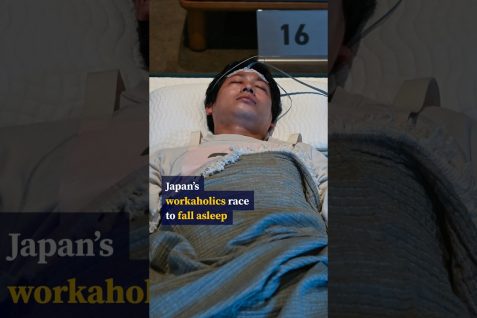
Dozens of participants fitted with sleep-tracking devices competed in Tokyo’s “Matt Race” to see who could nap the fastest and deepest. Organised by a mattress company, the event offered over two million yen (US$12,700) in prizes while spreading awareness of chronic sleep deprivation in overworked Japan.
Dozens of participants fitted with sleep-tracking devices competed in Tokyo’s “Matt Race” to see who could nap the fastest and deepest. Organised by a mattress company, the event offered over two million yen (US$12,700) in prizes while spreading awareness of chronic sleep deprivation in overworked Japan.
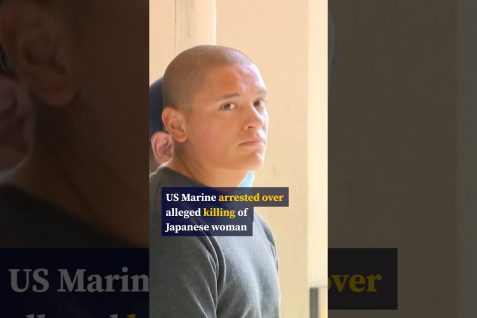
A 20-year-old US marine was arrested on Sunday in Japan’s Okinawa prefecture on suspicion of robbing and murdering a local woman, police said. Japan’s prime minister Sanae Takaichi condemned the killing.
A 20-year-old US marine was arrested on Sunday in Japan’s Okinawa prefecture on suspicion of robbing and murdering a local woman, police said. Japan’s prime minister Sanae Takaichi condemned the killing.
Police in Japan have released dashcam footage from a passenger car that was attacked by a brown bear in northern Hokkaido prefecture. The incident took place on Tuesday, when the two bears – believed to be a mother and cub – were seen running along the side of a road before the larger bear darted in front of the vehicle. It then slammed its body against the car’s bonnet, before running away with the cub. One person was travelling in the vehicle, according to public broadcaster NHK. No injuries were reported by the motorists and it was unclear whether the bears were hurt.
Police in Japan have released dashcam footage from a passenger car that was attacked by a brown bear in northern Hokkaido prefecture. The incident took place on Tuesday, when the two bears – believed to be a mother and cub – were seen running along the side of a road before the larger bear darted in front of the vehicle. It then slammed its body against the car’s bonnet, before running away with the cub. One person was travelling in the vehicle, according to public broadcaster NHK. No injuries were reported by the motorists and it was unclear whether the bears were hurt.
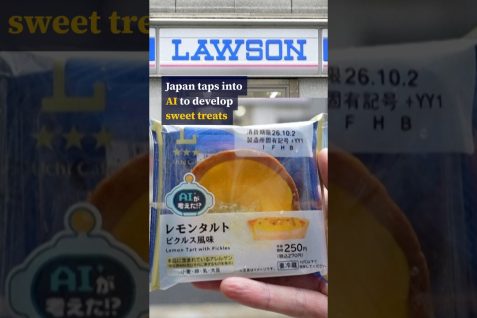
Japanese convenience store chains have been tapping into artificial intelligence (AI) to help with product development. Lawson stores have launched a pickle-flavoured lemon tart and a bread roll filled with red bean paste, margarine and yogurt cream. Their competitors FamilyMart unveiled a French-style pastry made with dough containing sweet potato puree, topped with caramel sauce. Both companies said while AI is being used to generate ideas, human staff are involved to create prototypes, conduct tests and finalise the products.
Japanese convenience store chains have been tapping into artificial intelligence (AI) to help with product development. Lawson stores have launched a pickle-flavoured lemon tart and a bread roll filled with red bean paste, margarine and yogurt cream. Their competitors FamilyMart unveiled a French-style pastry made with dough containing sweet potato puree, topped with caramel sauce. Both companies said while AI is being used to generate ideas, human staff are involved to create prototypes, conduct tests and finalise the products.
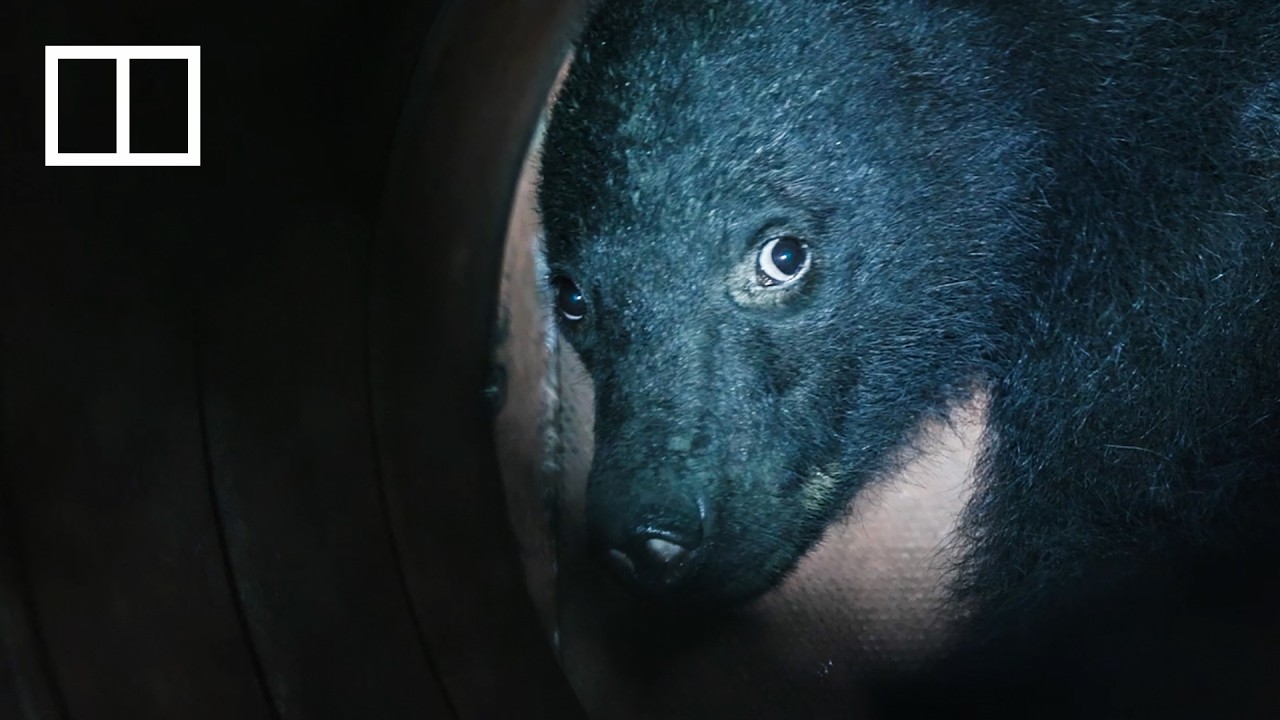
Scientists in Japan are testing an alternative strategy to prevent rising bear attacks. It involves trapping, tagging and releasing the animals far from human settlements to improve population monitoring across the country’s wilderness areas.
Scientists in Japan are testing an alternative strategy to prevent rising bear attacks. It involves trapping, tagging and releasing the animals far from human settlements to improve population monitoring across the country’s wilderness areas.
US President Donald Trump praised his strong relationship with Japanese Prime Minister Sanae Takaichi in New York on Tuesday, two days before he is due to meet with Chinese President Xi Jinping. The talks, held on the sidelines of the UN General Assembly, came on the eve of Xi’s visit and at a time when frigid relations between Beijing and Tokyo show no signs of thawing. Both leaders hailed their good working relationship, with Takaichi saying the two countries looked forward to deepening ties. Trump lavished praise on the Japanese leader, saying she had “done a tremendous job” and was “going to go down in history.”
US President Donald Trump praised his strong relationship with Japanese Prime Minister Sanae Takaichi in New York on Tuesday, two days before he is due to meet with Chinese President Xi Jinping. The talks, held on the sidelines of the UN General Assembly, came on the eve of Xi’s visit and at a time when frigid relations between Beijing and Tokyo show no signs of thawing. Both leaders hailed their good working relationship, with Takaichi saying the two countries looked forward to deepening ties. Trump lavished praise on the Japanese leader, saying she had “done a tremendous job” and was “going to go down in history.”
The beloved penguin mascot of Tokyo’s Suica transport smart card is set to be replaced when it retires early next year. Regarded by many as the most popular mascot in the country and beyond, the Suica penguin will be replaced by a new character. The new mascot will be selected from three contenders by public vote, set to conclude on September 23.
The beloved penguin mascot of Tokyo’s Suica transport smart card is set to be replaced when it retires early next year. Regarded by many as the most popular mascot in the country and beyond, the Suica penguin will be replaced by a new character. The new mascot will be selected from three contenders by public vote, set to conclude on September 23.
Japan is debating one of the biggest shifts in its postwar defense policy: whether to acquire nuclear-powered submarines. The discussion comes as Tokyo accel
Japan is debating one of the biggest shifts in its postwar defense policy: whether to acquire nuclear-powered submarines. The discussion comes as Tokyo accelerates its military buildup in response to growing pressure from China, Russia and North Korea, while expanding joint exercises with the United States and Australia. At the same time, Okinawa has elected a new governor who supports relocating the US Marine Corps' Futenma Air Station to Henoko, potentially giving Japan's government greater freedom to strengthen its southwestern defenses near Taiwan. As Chinese and Russian military activity intensifies around Japan and North Korea expands its naval capabilities, is Tokyo entering a new era of deterrence? In this episode, we examine Japan's submarine debate, the strategic significance of Okinawa, and what these developments could mean for Taiwan, the First Island Chain and security across the Indo-Pacific.
The Italian cruise ship Costa Serena docked in the Japanese city of Nagoya on Tuesday to house about 4,000 officials and athletes at the Aichi-Nagoya Asian Games. There have been complaints about the games’ accommodation after local organisers opted not to build a dedicated athletes’ village to house the 17,000 participants and officials.
The Italian cruise ship Costa Serena docked in the Japanese city of Nagoya on Tuesday to house about 4,000 officials and athletes at the Aichi-Nagoya Asian Games. There have been complaints about the games’ accommodation after local organisers opted not to build a dedicated athletes’ village to house the 17,000 participants and officials.
China has hit out at Japan’s latest defence white paper and military expansion, accusing Tokyo of reviving neo-militarism and moving away from its pacifist constitution. Beijing’s criticism comes as Japan strengthens its defence capabilities amid growing security tensions in the Indo-Pacific.
WION The World is One News examines global issues with in-depth analysis. We provide much more than the news of the day. Our aim is to empower people to explore their world. With our Global headquarters in New Delhi, we bring you news on the hour, by the hour. We deliver information that is not biased. We are journalists who are neutral to the core and non-partisan when it comes to world politics. People are tired of biased reportage and we stand for a globalized united world. So for us, the World is truly One.
Please keep discussions on this channel clean and respectful and refrain from using racist or sexist slurs and personal insults.
China has hit out at Japan’s latest defence white paper and military expansion, accusing Tokyo of reviving neo-militarism and moving away from its pacifist constitution. Beijing’s criticism comes as Japan strengthens its defence capabilities amid growing security tensions in the Indo-Pacific.
WION The World is One News examines global issues with in-depth analysis. We provide much more than the news of the day. Our aim is to empower people to explore their world. With our Global headquarters in New Delhi, we bring you news on the hour, by the hour. We deliver information that is not biased. We are journalists who are neutral to the core and non-partisan when it comes to world politics. People are tired of biased reportage and we stand for a globalized united world. So for us, the World is truly One.
Please keep discussions on this channel clean and respectful and refrain from using racist or sexist slurs and personal insults.
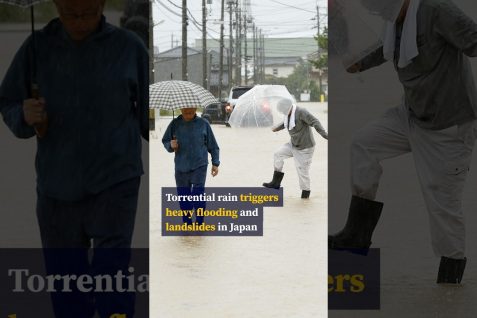
Torrential rain has triggered severe flooding and landslides in Japan’s Ishikawa and Toyama prefectures, where thousands of residents were left stranded without power. Authorities issued the highest rain alert and advised over 380,000 people to evacuate.
Torrential rain has triggered severe flooding and landslides in Japan’s Ishikawa and Toyama prefectures, where thousands of residents were left stranded without power. Authorities issued the highest rain alert and advised over 380,000 people to evacuate.
Japanese avant-garde artist Yayoi Kusama has died at the age of 97. Kusama’s obsessive polka dots, towering pumpkin sculptures and mesmerising Infinity Mirror Rooms have captivated audiences worldwide. The artist succumbed to multiple organ failure at a Tokyo hospital on August 14, her studio and the Yayoi Kusama Museum in Tokyo confirmed on Thursday.
Japanese avant-garde artist Yayoi Kusama has died at the age of 97. Kusama’s obsessive polka dots, towering pumpkin sculptures and mesmerising Infinity Mirror Rooms have captivated audiences worldwide. The artist succumbed to multiple organ failure at a Tokyo hospital on August 14, her studio and the Yayoi Kusama Museum in Tokyo confirmed on Thursday.
Hirosaki Castle in northern Japan is moving back to its original site after being relocated for earthquake repairs 11 years ago. Using ropes and rollers, 1,800 people manually moved the structure several metres over the weekend using a technique known as hikiya, whereby entire structures are moved without being dismantled. Thousands of volunteers are set to move the structure a total of 5 metres (16.4ft) in a symbolic, community-building effort, with the remaining 73 metres (240ft) to be carried out using machinery by the end of the year.
Hirosaki Castle in northern Japan is moving back to its original site after being relocated for earthquake repairs 11 years ago. Using ropes and rollers, 1,800 people manually moved the structure several metres over the weekend using a technique known as hikiya, whereby entire structures are moved without being dismantled. Thousands of volunteers are set to move the structure a total of 5 metres (16.4ft) in a symbolic, community-building effort, with the remaining 73 metres (240ft) to be carried out using machinery by the end of the year.
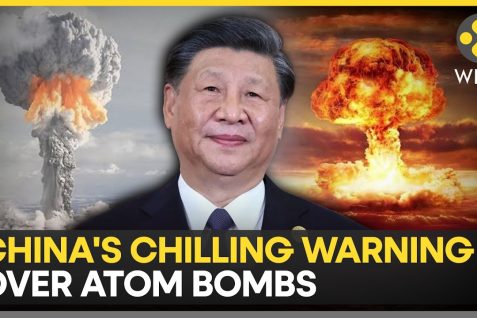
Japan’s Nuclear Potential: Tensions have flared following statements from Chinese officials alleging that Japan currently possesses enough separated plutoniu
Japan's Nuclear Potential: Tensions have flared following statements from Chinese officials alleging that Japan currently possesses enough separated plutonium to produce approximately 5,500 nuclear warheads. #china #japan #nuclearwar #wion
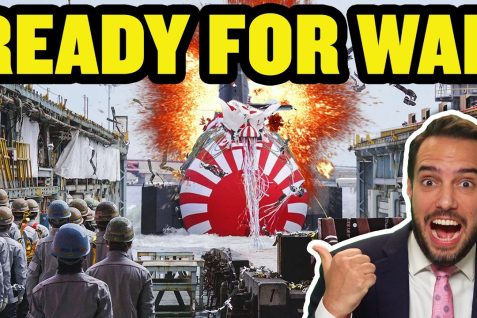
Japan is preparing for war—and it says China is the biggest reason why. In this episode of China Uncensored, we break down Japan’s latest defense strategy, C
Japan is preparing for war—and it says China is the biggest reason why. In this episode of China Uncensored, we break down Japan’s latest defense strategy, China’s growing military pressure around Japan, the expanding China-Russia partnership, and why Japan is rapidly strengthening its military alliances and capabilities. Japan says the world is entering its greatest period of crisis since World War II. And it’s making sure it’s ready.
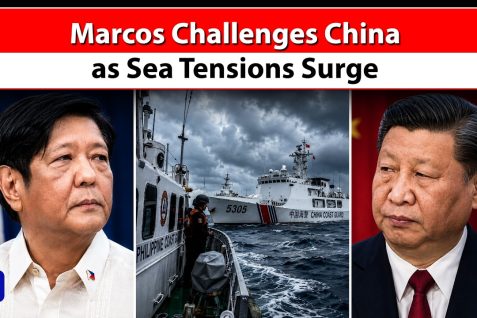
Ferdinand Marcos Jr. Challenges China as South China Sea Erupts This video examines rising tensions between the Philippines and China in the South China Sea, focusing on confrontations near Second Thomas …
Ferdinand Marcos Jr. Challenges China as South China Sea Erupts This video examines rising tensions between the Philippines and China in the South China Sea, focusing on confrontations near Second Thomas Shoal and Scarborough Shoal. It covers Ferdinand Marcos Jr.’s response, China’s military and coast guard activity, the 2016 arbitration ruling, growing U.S. and Japanese support for Manila, and ongoing ASEAN diplomacy as regional leaders try to prevent further escalation while defending competing maritime claims, security interests, and regional stability. Footage, images, and other visual materials may include content licensed from Agence France-Presse (AFP) and other authorized sources where applicable. Such materials are incorporated into original editorial coverage and transformed through reporting, analysis, narration, context, and editing. All editorial decisions, opinions, and analysis are solely those of Insight 24. #SouthChinaSea #Philippines #China #FerdinandMarcosJr #XiJinping #WestPhilippineSea #ScarboroughShoal #SecondThomasShoal #PhilippineCoastGuard #ChinaCoastGuard #ASEAN #MaritimeSecurity
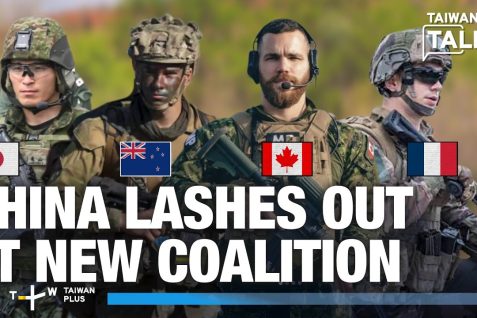
The US, Philippines and Japan are joined by a growing group of allies in the largest iteration of the Balikatan exercise yet. With new participants including France, Canada and New Zealand, …
The US, Philippines and Japan are joined by a growing group of allies in the largest iteration of the Balikatan exercise yet. With new participants including France, Canada and New Zealand, the drills are expanding in scale and complexity, from live-fire maritime strikes to integrated air and missile defense. For the first time, exercises are being held in the Bashi Channel, just over 100 miles from Taiwan. The strategic importance of the First Island Chain is further underscored by Japan’s larger than expected commitment of 1,400 troops. In response, Beijing has sharply criticized the allies and blocked air travel over wide swathes of the Yellow Sea and East China Sea. In this episode, we examine what’s driving this expansion and what it means for Taiwan and regional security. *Recorded on April 21, 2026 at 2:30pm Taiwan Standard Time Host/Senior Producer: Yin Khvat Consultant: Max Yu Research Assistant: Ryan Pham Our guests: Tony Hu Former US Department of Defense Senior Director for China, Taiwan and Mongolia Sana Hashmi Taiwan-Asia Exchange Foundation Fellow Renato Cruz de Castro De La Salle University Department of International Studies Distinguished Professor Chapters: 00:00:00 – Philippines Hosts Biggest-Ever Drills 00:01:47 – China, Japan Sail Through Strait 00:04:33 – US Allies in ‘Real World’ Exercises 00:13:38 – Japan Sends 1,400 Troops 00:19:20 – Beijing Locks Down Airspace
Marcos Backs Amphibious Vehicles As Japan Tracks Chinese Carrier Threat Japan closely monitored China’s Liaoning aircraft carrier group as it operated near the Philippines and the western Pacific, raising fresh regional …
Marcos Backs Amphibious Vehicles As Japan Tracks Chinese Carrier Threat Japan closely monitored China’s Liaoning aircraft carrier group as it operated near the Philippines and the western Pacific, raising fresh regional security concerns. At the same time, President Ferdinand Marcos Jr. is pushing Philippine military modernization with new amphibious armored vehicles for the Marine Corps. This video explains how China’s naval expansion, Japan’s surveillance, and Manila’s defense upgrades are reshaping Indo-Pacific security. Global Front provides original news reporting, research, analysis, commentary, scripting, editing, and presentation. This video may contain footage, images, or other materials licensed from Agence France-Presse (AFP) and other authorized sources. Such content is incorporated into original editorial coverage and transformed through reporting, analysis, context, narration, and editing. All editorial decisions, opinions, and analysis are solely those of Global Front. #GlobalFront #MarcosJr #JapanMilitary #ChinaCarrier #LiaoningCarrier #PhilippinesDefense #IndoPacific #SouthChinaSea #PhilippineMarines #JapanNavy #ChinaNavy #MilitaryNews #DefenseUpdate #AmphibiousVehicle #PacificTensions #BreakingNews
Japan has been closely monitoring China's Liaoning aircraft carrier group as it operated near the Philippines and the western Pacific, a development that has raised fresh security concerns in the region. Concurrently, Philippine President Ferdinand Marcos Jr. is advancing military modernization efforts by introducing new amphibious armored vehicles for the Marine Corps. This video explores how these simultaneous events are reshaping security dynamics across the Indo-Pacific. The content examines China's ongoing naval expansion, Japan's increased surveillance activities, and Manila's specific defense upgrades in response to these shifting circumstances. Global Front provides original news reporting, research, analysis, commentary, scripting, editing, and presentation for this coverage. The video may include footage or images licensed from Agence France-Presse and other authorized sources, which are incorporated into original editorial coverage and transformed through reporting, analysis, context, narration, and editing. All editorial decisions, opinions, and analysis presented are solely those of Global Front. The report addresses topics including the Liaoning carrier, Philippine defense strategies, Indo-Pacific tensions, and updates on amphibious vehicle deployments within the broader Pacific security landscape.
China is expanding trade pressures on Japan. It announced new export curbs on dozens of Japanese firms amid rising tensions over Taiwan and defense. Oil prices are dropping, peace talks in …
China is expanding trade pressures on Japan. It announced new export curbs on dozens of Japanese firms amid rising tensions over Taiwan and defense. Oil prices are dropping, peace talks in the Middle East are underway, and uncertainty remains. From preschool to college, China is making artificial intelligence a mandatory subject. Why are top American CEOs ringing alarm bells for U.S. schools? President Donald Trump criticizes communism—what do three young media professionals think about the topic? The Arctic is becoming the northernmost front in countering Russia and China. Europe and Canada are showing Washington that they can help defend the Western world on its northern flank. 00:00 Intro 01:07 China Expands Export Curbs on Japan 02:22 Trump: US–Iran Talks Set for Tuesday in Doha 03:36 Mike Waltz: Iran Faces a Choice 04:20 Israel Strikes Hezbollah Terrorists in Lebanon 05:07 China Expands Nationwide AI Education Across All Grades 07:10 Top US CEOs Push for K–12 AI Classes 07:43Trump: Communism ‘Easy to Sell,’ Ends in Failure 09:06 Why Communism Goes Against Human Nature 10:49 Why Gen Z Is Embracing Socialism 12:49 Trump: Democrats Won’t Confront Communists 14:07 Are Socialists Taking Over the Democratic Party? 16:50 NATO Pledges Arctic Security to Trump 18:37 Russia Rebuilds Arctic Bases Near US 19:33Why the Arctic Matters to All Parties 20:10 Australia, Vanuatu Sign Pact Amid China Concerns
China has intensified trade tensions with Japan by announcing new export restrictions affecting dozens of Japanese companies. This move occurs amidst escalating geopolitical friction, particularly regarding Taiwan and defense issues. The report also notes that global oil prices are declining while peace negotiations continue in the Middle East, leaving significant uncertainty in international markets. Additionally, China is implementing a nationwide mandate for artificial intelligence education across all grade levels, from preschool through college. In response to these developments, prominent American business leaders are expressing concern over the lack of similar AI instruction in U.S. schools. The segment further examines President Trump's comments on communism, featuring perspectives from young media professionals who discuss why the ideology appeals to some Gen Z individuals despite historical failures. Geopolitical focus also shifts to the Arctic region, where European and Canadian nations pledge security support to the United States against Russian and Chinese influence as Russia rebuilds bases near U.S. borders. Finally, Australia and Vanuatu sign a new pact driven by shared concerns over China's expanding regional presence.
Japan is undergoing a historic shift. It is abandoning previous decades of low key diplomacy and deflection and instead pushing back against China’s military narrative more forcefully than at any point …
Japan is undergoing a historic shift. It is abandoning previous decades of low key diplomacy and deflection and instead pushing back against China’s military narrative more forcefully than at any point in recent years, arguing that Beijing’s lack of transparency — not Tokyo’s defense buildup — is the real threat to regional stability. As Japan raises defense spending, expands security partnerships and eases restrictions on arms exports, China has accused it of reviving militarism. But Japanese officials counter that their policies are openly debated and publicly scrutinized, while China’s true military spending and strategic intentions remain opaque. Is Beijing’s criticism of Japan designed to shift attention away from its own unprecedented military expansion? In this episode, we examine China’s propaganda war, the debate over military transparency and what it means for security across the Indo-Pacific.
In this episode of Taiwan Talks, the focus shifts to a significant transformation in Japan's diplomatic and security posture. Tokyo is moving away from decades of low-key diplomacy to push back more forcefully against China's military narrative. Japanese officials argue that Beijing's lack of transparency regarding its defense buildup poses a greater threat to regional stability than Japan's own security enhancements. As Japan increases its defense spending, expands security partnerships, and relaxes restrictions on arms exports, it faces accusations from China of reviving militarism. The program examines whether Beijing's criticism serves to distract attention from its own unprecedented military expansion. The discussion highlights the contrast between Japan's openly debated policies and the opaque nature of China's strategic intentions. Experts analyze the implications of this dynamic for security across the Indo-Pacific, exploring the debate over military transparency and the broader propaganda war unfolding in the region. Recorded on June 25, 2026, the episode features insights from a panel including Lai I-chung, James Fanell, and Liou To-hai, who discuss the evolving geopolitical landscape and the challenges of maintaining regional stability amidst rising tensions.
Japan is expanding its defense partnerships beyond the traditional First Island Chain, as Tokyo and Jakarta discuss a possible transfer of Japanese Asagiri-class destroyers. The move follows growing security cooperation with …
Japan is expanding its defense partnerships beyond the traditional First Island Chain, as Tokyo and Jakarta discuss a possible transfer of Japanese Asagiri-class destroyers. The move follows growing security cooperation with Australia and the Philippines and reflects Japan’s efforts to build a broader network of like-minded maritime powers. At the same time, Indonesia is facing increasing pressure from Chinese gray-zone activities near critical sea lanes and the North Natuna Sea. Is Japan creating a new “network of navies” to help balance China’s growing influence? In this episode, we examine the evolving Japan-Indonesia partnership, the rise of Japan’s defense diplomacy and what it means for the future of Indo-Pacific security.
This episode of Taiwan Talks explores Japan's strategic shift toward expanding defense partnerships beyond its immediate neighbors, aiming to construct a broader network of maritime powers. The discussion centers on Tokyo and Jakarta's potential collaboration involving the transfer of Japanese Asagiri-class destroyers to Indonesia. This initiative follows similar security cooperation efforts with Australia and the Philippines, reflecting Japan's growing role in Indo-Pacific security architecture. Indonesia faces increasing pressure from Chinese gray-zone activities near critical sea lanes, particularly within the North Natuna Sea. The program examines whether Japan is creating a new alliance structure to counterbalance China's expanding influence in the region. Key topics include the evolving nature of the Japan-Indonesia partnership, the rise of Japanese defense diplomacy, and the implications for future regional stability. The episode features insights from guests including Lai I-chung, Alexander Huang, and Bill Hayton, who analyze these developments within the context of international law and freedom of navigation. Recorded on June 17, 2026, the conversation addresses how Tokyo's allies are pushing back against Chinese allegations while strengthening regional defense ties.
Is Washington’s attention shifting away from the Indo-Pacific? Japan’s prime minister says not at all, following talks with President Donald Trump at the G7 summit. After Iran, could North Korea be …
Is Washington’s attention shifting away from the Indo-Pacific? Japan’s prime minister says not at all, following talks with President Donald Trump at the G7 summit. After Iran, could North Korea be next? South Korea is urging Trump to help address one of the world’s toughest nuclear challenges. The G7 leaders say they oppose any actions that could disrupt peace around Taiwan, and Trump is pushing to speed up U.S. weapons manufacturing. The Senate unanimously passed a bill condemning Chinese Communist Party leader Xi Jinping. Missouri’s attorney general is suing Chinese security camera maker Lorex, a major seller of home security cameras and baby monitors in the United States. What’s the case really about? 00:00 Intro 1:24 Japan, U.S. Reaffirm Indo-Pacific Partnership at G7 3:20 S. Korea Asks Trump to Tackle N. Korea Nuclear Threat 4:28 S. Korea Narrows Civilian Restricted Zone Near Border 4:52 G7 Leaders Support Taiwan Strait Status Quo 5:25 Taiwan Detects 6 Chinese Naval Vessels Near Island 6:12 President Trump Invokes Act to Boost Weapons Supply 7:04 Senate Resolution Condemns CCP Leader Xi Jinping 9:13 Missouri AG Sues Baby Monitor Firm Over CCP Ties 11:03 Taiwan Protests Scholar Ban, Cites CCP Pressure 12:27 Taiwan on Standby for Possible Call From Trump 13:12 EU Says China Trained Russian Troops to Fight in Ukraine 14:40 G7 Summit Highlights China Concerns in France 15:04 G7 Unites on China Security, Economic Concerns 16:09 G7 Seeks Supply Chain Shift Away From China 17:26 G7 Pushes to Cut Reliance on Chinese Minerals 19:06 G7 Signals Security-First Approach on China Talks
This NTD report titled China in Focus examines recent developments involving the United States, Japan, and other G7 nations regarding their strategic partnership in the Indo-Pacific region. Following talks between President Donald Trump and Japanese Prime Minister Shigeru Ishiba at the G7 summit in France, both leaders reaffirmed their commitment to the alliance. The summit also addressed pressing security issues, including North Korea's nuclear program, with South Korea urging Washington to assist in resolving this challenge. Additionally, G7 leaders expressed opposition to actions that could destabilize peace around Taiwan, while President Trump advocated for accelerating U.S. weapons manufacturing.
The report highlights legislative and legal actions against China, noting the Senate's unanimous passage of a bill condemning Chinese Communist Party leader Xi Jinping. It also covers a lawsuit filed by Missouri's attorney general against Lorex, a manufacturer of home security cameras and baby monitors accused of ties to the CCP. Other segments discuss Taiwan detecting Chinese naval vessels near the island, EU allegations that China trained Russian troops for the Ukraine conflict, and G7 efforts to reduce reliance on Chinese minerals and shift supply chains away from Beijing. The coverage concludes with various diplomatic signals and protests related to these escalating tensions.
“INDO” has been dropped from “INDOPACOM”. The US Department of Defense’s decision to rename its Indo-Pacific Command back to Pacific Command has sparked questions about the future of one of the …
“INDO” has been dropped from “INDOPACOM”. The US Department of Defense’s decision to rename its Indo-Pacific Command back to Pacific Command has sparked questions about the future of one of the most influential strategic concepts in modern geopolitics. First championed by then-Japanese Prime Minister Shinzo Abe in the early 2000s, it was later institutionalized as official US policy during President Donald Trump’s first term through the 2018 renaming of PACOM to INDOPACOM. This new name reflected the idea that India is an important strategic partner of the US and its allies, and that the Indian and Pacific oceans form a single strategic theater. The latest change comes as Trump met Indian PM Narendra Modi at the G7. Is this a symbolic shift, or does it reveal something deeper about Washington’s approach to China and Asia? In this episode, we examine the significance of the PACOM name change, the legacy of Abe’s Indo-Pacific vision and what it means for regional security.
The United States Department of Defense has decided to rename its Indo-Pacific Command back to Pacific Command, removing the word "Indo" from the title. This decision follows a meeting between President Trump and Indian Prime Minister Narendra Modi at the G7 summit. The original inclusion of "Indo" in the command's name was established during Donald Trump's first term in 2018, reflecting a strategic view that treated the Indian and Pacific Oceans as a single theater with India as a key partner. This concept was initially championed by former Japanese Prime Minister Shinzo Abe in the early 2000s before becoming official US policy. The recent change raises questions about whether this represents a symbolic shift or indicates a deeper alteration in Washington's approach to China and Asia. The episode explores the legacy of Abe's Indo-Pacific vision, the significance of the name change for regional security, and how US allies have promoted the concept. Recorded on June 18, 2026, the discussion features guests including Chenlung Kuo, Sana Hashmi, and Tsai Jung-hsiang to analyze these developments in geopolitics and defense strategy.
Japan is expanding its alliances across the Indo-Pacific, strengthening ties with the Philippines, Indonesia, Vietnam and Australia as part of a broader diplomatic push by PM Takaichi Sanae and Defense Minister …
Japan is expanding its alliances across the Indo-Pacific, strengthening ties with the Philippines, Indonesia, Vietnam and Australia as part of a broader diplomatic push by PM Takaichi Sanae and Defense Minister Koizumi Shinjiro. At the center of these efforts are deepening security links with the US and the Philippines, including the transfer of Japanese Abukuma-class destroyers to Manila — a first since the lifting of its post-WWII arms export ban. It comes as the Philippines conducts its first test of a Tomahawk missile from a Typhon launcher. Together, these moves signal a shift toward more integrated form of regional deterrence. But how are Tokyo’s moves being greeted by Washington and Beijing? In this episode, we examine Japan’s growing network of partnerships, the strategic importance of key maritime routes and what this evolving alignment means for Taiwan and the Indo-Pacific balance of power. *Recorded on May 7, 2026 at 4pm Taiwan Standard Time Host/Senior Producer: Yin Khvat Consultant: George Nee Research Assistant: April Lin Our guests: Tsai Jung-hsiang National Chung Cheng University Political Science Professor Guermantes Lailari Jewish Policy Center Senior Non-Resident Fellow Chapters: 00:00:00 – Japan’s New Alliance Model 00:03:00 – Philippines Conducts Tomahawk Test 00:09:41 – Tokyo To Provide Destroyers to Manila, Jakarta 00:14:50 – US, Japan Reach Deals With Indonesia 00:18:48 – Japan’s Ties With SE Asia, Australia
This episode from Taiwan Talks examines Japan's expanding security alliances across the Indo-Pacific, driven by diplomatic efforts from Prime Minister Takaichi Sanae and Defense Minister Koizumi Shinjiro. Key developments include deepening ties with the Philippines, Indonesia, Vietnam, and Australia, alongside strengthened links to the United States. A significant milestone involves the planned transfer of Japanese Abukuma-class destroyers to Manila, marking the first such arms export since World War II restrictions were lifted. Concurrently, the Philippines conducted its initial test firing of a Tomahawk missile from a Typhon launcher. These actions collectively signal a shift toward more integrated regional deterrence strategies. The program explores how Washington and Beijing are reacting to Tokyo's growing network of partnerships. Discussion also covers the strategic importance of key maritime routes and the implications of these evolving alignments for Taiwan and the broader balance of power in the Indo-Pacific. The episode features analysis from Professor Tsai Jung-hsiang and Guermantes Lailari, recorded on May 7, 2026.
Chinese President Xi Jinping reportedly became agitated during talks with US President Donald Trump over Japan’s expanding defense spending, according to the Financial Times. The report comes as Washington reportedly informed …
Chinese President Xi Jinping reportedly became agitated during talks with US President Donald Trump over Japan’s expanding defense spending, according to the Financial Times. The report comes as Washington reportedly informed Tokyo it would delay deliveries of Tomahawk cruise missiles due to supply concerns linked to the war in Iran.
According to a report by the Financial Times, Chinese President Xi Jinping reportedly grew agitated during discussions with US President Donald Trump regarding Japan's increasing defense expenditures. This diplomatic tension emerges alongside developments in Washington, where officials allegedly informed Tokyo that deliveries of Tomahawk cruise missiles would be delayed due to supply constraints connected to the ongoing conflict in Iran. The news outlet TaiwanPlus News covered this story, highlighting the reported friction between Beijing and its allies over security spending policies. The brief segment, lasting thirty-six seconds, focuses on these international relations dynamics without providing further elaboration on the specific nature of Xi's reaction or the full extent of the missile supply issues. Viewers are directed to the channel for additional context on local and global events as presented by TaiwanPlus. The report underscores the complex interplay between US defense logistics, regional security concerns in Asia, and high-level diplomatic exchanges involving major world powers. No further details regarding the outcome of these talks or subsequent actions were included in the available public description.
President Donald Trump says a deal to end the Iran war is possible before his visit to China next week. This comes as Iran’s foreign minister meets with China’s top diplomat …
President Donald Trump says a deal to end the Iran war is possible before his visit to China next week. This comes as Iran’s foreign minister meets with China’s top diplomat in Beijing at China’s invitation. We have the key takeaways. A man accused of opening a secret Chinese police station in New York is on trial this week. What prosecutors say he did to help Beijing carry out its agenda on U.S. soil—and why the case matters. Flora Hua reports from the courtroom. China is reportedly still supplying key drone parts to Russia and Iran despite U.S. sanctions. A new report shows the flow may be increasing. Japanese and U.S. forces conduct live-fire drills in a major regional exercise as security cooperation grows amid rising tensions with Beijing in the South China Sea. A brazen act of foreign interference in Canada: The Chinese Consulate pressured Vancouver city officials to cancel a Shen Yun performance—but failed. 00:00 Intro 01:18 Trump: Deal to End Iran War Possible Before China Visit 01:34 China Top Diplomat Meets With Iran Foreign Minister 02:33 Expert: China, Iran Likely Discussed How to Cope With U.S. 03:14 Greer: Trump, Xi to Discuss China’s Iran Oil Purchases 03:45 U.S. to Address Human Rights During China Visit 04:32 Satellite Chinese Police Station in NYC on Trial: Day 3 07:172.5 Million Tons of Lithium Found in U.S. 07:54 China Still Supplying Drone Parts to Russia, Iran: WSJ 09:02 Japan, U.S. Hold Live-Fire Drills Facing South China Sea 10:45 China Pressured Vancouver Official to Cancel Shen Yun 13:44 Lee Smith on Trump’s Leverage Heading Into Xi Summit 14:02 China Loses Edge as Trump Gains Energy Upper Hand 15:28 Break From Past: Trump to Press Xi on Human Rights 17:29 Trump Faces China Strategy Shaped by Elites 19:57 Taiwan Tied to Broader U.S.-China Strategy 21:31 Trump 2.0: More Leverage, Broader China Push
This episode of China in Focus examines ongoing diplomatic and strategic developments between the United States, China, and other global powers. President Donald Trump suggests a potential agreement to end the war in Iran could be reached before his upcoming visit to Beijing, where he is scheduled to meet with Chinese leader Xi Jinping. Concurrently, Iranian and Chinese diplomats are holding discussions in Beijing at the invitation of China's leadership. A significant portion of the report addresses allegations that China continues to supply critical drone components to both Russia and Iran, despite existing U.S. sanctions, with some reports indicating this flow may be increasing.
The program also covers a trial involving an individual accused of establishing a secret Chinese police station in New York, highlighting concerns over Beijing's activities on U.S. soil. In the region, Japan and the United States are conducting live-fire drills as security cooperation intensifies amid rising tensions in the South China Sea. Additionally, the episode details an incident where the Chinese Consulate in Canada reportedly pressured Vancouver officials to cancel a Shen Yun performance, though the request was unsuccessful. The broadcast further explores topics such as lithium reserves found in the U.S., human rights discussions expected during the summit, and broader strategies regarding Taiwan and energy leverage.
The Philippines, the US, Japan and Canada are testing advanced weaponry in maritime drills as part of this year’s Balikatan exercise. This marks the first time Japan’s Type 88 anti-ship missile …
The Philippines, the US, Japan and Canada are testing advanced weaponry in maritime drills as part of this year’s Balikatan exercise. This marks the first time Japan’s Type 88 anti-ship missile system has been fired from Philippine soil. The exercises focus on regional stability and military cooperation.
The Philippines, the United States, Japan, and Canada recently participated in advanced maritime drills under this year's Balikatan exercise. A significant highlight of the event was the first-time firing of Japan's Type 88 anti-ship missile system from Philippine soil. These joint operations are designed to enhance regional stability and strengthen military cooperation among the participating nations. The drills involve testing sophisticated weaponry within a maritime context, reflecting a broader commitment to collective security in the area. TaiwanPlus News reported on these developments, noting the involvement of key reporters covering the event. The channel aims to provide unique perspectives on both local issues and global events through its various media platforms. Viewers can follow updates via their official website, social media accounts on Facebook, Twitter, and Instagram. The video presentation runs for approximately two minutes and forty-five seconds, offering a concise overview of the multinational efforts. This collaboration underscores the ongoing dialogue and strategic alignment between these countries as they address contemporary security challenges together.
As pressure grows from China, Russia and North Korea, the US and its allies are moving to link their military capabilities into a new “kill web” across the Indo-Pacific. Bringing together …
As pressure grows from China, Russia and North Korea, the US and its allies are moving to link their military capabilities into a new “kill web” across the Indo-Pacific. Bringing together Japan, the Philippines, South Korea and other partners, this approach aims to integrate sensors, weapons and command systems into a single, coordinated network. Unlike traditional “kill chains,” a kill web enables faster, more flexible responses across multiple domains. This evolving strategy could reshape how deterrence works along the First Island Chain. In this episode, we examine how a kill web functions, why it is gaining momentum and what it could mean for Taiwan and the future of regional security. *Recorded on April 30, 2026 at 4pm Taiwan Standard Time Host/Senior Producer: Yin Khvat Consultant: Max Yu Research Assistant: April Lin Our guests: Chenlung Kuo United Daily News Deputy Editor-in-Chief Tony Hu Former US Department of Defense Senior Director for China, Taiwan and Mongolia Michael Chen Democratic Progressive Party International Affairs Director Chapters: 00:00:00 – US Allies Building ‘Kill Web’ 00:01:36 – US Integrates Indo-Pacific 00:08:38 – Tokyo, Manila Embrace ‘One Theater’ 00:13:44 – Russia, N Korea Expand Partnership 00:19:33 – Japan to Lift Weapon Export Ban #KillWebIndoPacific #AsianNATO #USAllies #IndoPacificDefense #IntegratedForce #JapanDefensePivot #ManilaTokyoSecurity #OneTheaterConcept #RussiaNorthKoreaAlliance #StrategicPartnership #JapanWeaponExports #SecurityQuad #SustainmentHub #IndoPacificPartners #GlobalSecurityLatticework #MaritimeDeterrence #FirstIslandChain #USIndoPacificCommand #MilitaryIntegration #JapanSelfDefenseForce #PhilippinesSecurity #CollectiveDeterrence #DefenseEquipmentTransfer #LethalExportsJapan #TokyoManilaAxis #RegionalSecurity #PyongyangMoscow #MilitaryCooperation #IndoPacificStability #ArmsExportReform #SecurityArchitecture #RulesBasedOrder #JointDeterrence #AsianSecurityNetwork #JapanAustraliaUS #SouthChinaSeaSecurity #EastChinaSea #TaiwanStraitPeace #DefenseDiplomacy #SalamiSlicingDeterrence #OceanInitiative #IntegratedSupplyChains #Minilaterals #DefenseModernization #AlliedNetwork #HighIntensityContingency #TrilateralSecurity #IndoPacificFour #GeopoliticalShift #InternationalRelations #Geopolitics #TaiwanPlus #TaiwanTalks
The episode from Taiwan Talks examines the growing integration of military capabilities among US allies in the Indo-Pacific, focusing on a new concept termed a kill web. This strategy seeks to link Japan, the Philippines, South Korea, and other partners into a coordinated network that unifies sensors, weapons, and command systems. Unlike traditional kill chains, this approach aims to enable faster and more flexible responses across multiple domains as pressure from China, Russia, and North Korea increases. The discussion highlights how this evolving strategy could reshape deterrence along the First Island Chain and impact regional security for Taiwan.
The program features guests including Chenlung Kuo, Tony Hu, and Michael Chen, who analyze the mechanics of the kill web and its momentum. Topics covered include the integration of the Indo-Pacific theater, the embrace of a one-theater concept by Tokyo and Manila, expanding partnerships between Russia and North Korea, and potential changes to Japan's weapon export ban. Recorded on April 30, 2026, the episode explores these developments through interviews with experts from various organizations, providing context on how these shifts might alter the global security lattice in the region without inventing specific outcomes or quotes not present in the source material.
China is responding to the Philippines’ largest-ever Balikatan exercises with military drills of its own, stretching from the South China Sea to waters east of Luzon and into the Western Pacific. …
China is responding to the Philippines’ largest-ever Balikatan exercises with military drills of its own, stretching from the South China Sea to waters east of Luzon and into the Western Pacific. Featuring the Liaoning carrier strike group and coordinated naval transits near Japan’s southern islands, Beijing’s actions are being framed as “counter-deterrence.” But are these moves simply signaling — or rehearsals for conflict? As US, Philippine and Japanese forces deepen cooperation along the First Island Chain, China appears to be testing its ability to project power and challenge this alliance. In this episode, we examine the scale and intent of China’s response, the growing “missile arc” strategy and what this evolving dynamic means for Taiwan and the Indo-Pacific.
This episode of Taiwan Talks examines China's military response to the Philippines' largest Balikatan exercises, which are taking place in April 2026. Beijing is conducting its own drills stretching from the South China Sea to waters east of Luzon and into the Western Pacific. The segment highlights the deployment of the Liaoning carrier strike group and coordinated naval movements near Japan's southern islands. These actions are framed by Chinese officials as counter-deterrence measures, though analysts question whether they represent mere signaling or rehearsals for potential conflict.
The discussion focuses on how US, Philippine, and Japanese forces are deepening cooperation along the First Island Chain while China tests its ability to project power against this alliance. The program explores the growing missile arc strategy and what these evolving dynamics mean for Taiwan and broader Indo-Pacific security. Experts analyze the scale and intent behind Beijing's maneuvers, including hints of new carrier capabilities. The episode features insights from guests Alexander Huang, Jason Hsu, and Guermantes Lailari, who discuss regional security implications alongside host Yin Khvat and consultant Max Yu.
In December 2022, the United States made a historic move—it transferred Tomahawk cruise missile technology to Japan for the first time ever. Not just the missiles. The software, guidance systems, and …
In December 2022, the United States made a historic move—it transferred Tomahawk cruise missile technology to Japan for the first time ever. Not just the missiles. The software, guidance systems, and strike planning capability behind them.This wasn’t a routine weapons sale. It was a shift in strategy. In this video, we break down: Why the U.S. made this unprecedented decision How it reshapes the U.S.-Japan alliance What it reveals about rising tensions in the Taiwan Strait How Japan is transforming from a support role into a frontline military power And why this changes the balance of power in the Pacific You’ll also learn how the Tomahawk Block V actually works—its range, precision, terrain-following capabilities, and the classified targeting systems that make it one of the most accurate strike weapons ever built.
China Faces Philippines Fury As Okinawa Radar Incident Alarms Japan China faces simultaneous tensions with the Philippines near Sabina Shoal and with Japan near Okinawa, raising concerns across East Asia. This …
China Faces Philippines Fury As Okinawa Radar Incident Alarms Japan China faces simultaneous tensions with the Philippines near Sabina Shoal and with Japan near Okinawa, raising concerns across East Asia. This video explains the maritime confrontation, radar incident, rising regional pressure, and why these two flashpoints could reshape security calculations in the Indo-Pacific if miscalculation or further escalation occurs. #China #Philippines #Japan #SouthChinaSea #Okinawa #EastAsia #IndoPacific #SabinaShoal #ChinaJapan #Geopolitics
The United States is waging economic warfare against Iran. Treasury Secretary Scott Bessent says he warned Chinese banks that doing business with Iran could trigger U.S. sanctions. New details are emerging …
The United States is waging economic warfare against Iran. Treasury Secretary Scott Bessent says he warned Chinese banks that doing business with Iran could trigger U.S. sanctions. New details are emerging about China’s theft of cutting-edge U.S. AI technology. Lawmakers warn it is a growing national security threat. China is growing upset over a Japanese warship passing through the Taiwan Strait. Meanwhile, Japan is taking a more assertive defense stance—preparing to relax weapons export restrictions and secure Pacific sea lanes. New Zealand is sending surveillance aircraft to waters near China. Why is the island nation deploying military planes thousands of miles away? 00:00 Intro 01:08 Bessent Warns of Sanctions on Chinese Banks Aiding Iran 03:56 Trump: Hormuz Strait Completely Open & Ready for Business 05:35 Trump: Israel Banned from Bombing Lebanon, ‘Enough Is Enough’ 06:15 U.S. Blockade to Target Iranian Ships Worldwide | Analysis 06:45 China-Linked “Dark Fleet” Evades U.S. Sanctions 08:26 U.S. Intensifies Crackdown on “Dark Fleet” Ships 10:34 U.S. Authorizes Warning Shots for Non-Compliant Ships 12:57 Lawmakers Warn of China’s AI Chip Smuggling Tactics 14:57 U.S. Expands Visa Restrictions in Western Hemisphere 15:46 Japanese Warship Transits Through the Taiwan Strait 16:38 Japan to Relax Weapons Export Restrictions 17:42 Australia to Buy Naval Frigates from Japan 18:12 Japan to Strengthen Defense of Pacific Sea Lanes 18:43 NZ Surveillance Flights Near China; Beijing Protests 19:44 Philippines, U.S. to Build Supply Chain Hub 20:27 Indonesia Identifies Mysterious Chinese Sea Device
This video report from China in Focus on NTD examines escalating tensions between the United States, China, and Iran. Treasury Secretary Scott Bessent warns that Chinese banks assisting Iran face potential U.S. sanctions as part of an ongoing economic strategy against Tehran. The segment also highlights President Trump's stance regarding the Strait of Hormuz, asserting it remains open for commerce while prohibiting Israeli airstrikes on Lebanon. Analysis suggests a broader U.S. blockade targeting Iranian vessels globally, with specific attention given to China-linked shadow fleets attempting to evade these restrictions.
The program addresses growing concerns over national security, noting lawmaker warnings about Chinese theft of advanced American artificial intelligence technology and related chip smuggling tactics. In the Pacific region, geopolitical friction intensifies as a Japanese warship transits the Taiwan Strait, prompting complaints from Beijing. Japan signals a shift toward a more assertive defense posture by preparing to relax weapons export restrictions and secure sea lanes, with Australia reportedly planning naval frigate purchases. Additionally, New Zealand deploys surveillance aircraft near China, drawing protests from Beijing. The report concludes by mentioning supply chain initiatives between the Philippines and the U.S., as well as Indonesia's discovery of mysterious Chinese sea devices.
Washington announces a win in its latest tit-for-tat cyber battle with Beijing. The FBI says it countered a massive Beijing-backed hacking network. Key U.S. infrastructure, organizations, and U.S. allies were among …
Washington announces a win in its latest tit-for-tat cyber battle with Beijing. The FBI says it countered a massive Beijing-backed hacking network. Key U.S. infrastructure, organizations, and U.S. allies were among its targets. And efforts are underway to counter the Chinese Communist Party’s unfair business practices, such as large state subsidies and slave labor. A panel on Capitol Hill analyzes what could happen if they continue. A Japanese boy dies hours after a violent attack by a man in China on Wednesday. Senior Japanese officials are urging Beijing to provide an explanation. And, a firsthand account from a young man tortured in a Chinese mental hospital. He says he was held there after he exposed a massacre conducted by the Chinese Communist Party. 00:00 Intro 01:16 FBI Disrupted Major China Hacking Plan in the U.S. 03:51 Panel: Countering CCP’s Unfair Market Practices 05:58 Expert on Risk of TikTok Shaping American Opinion 10:15 Japanese Boy Dies After Being Stabbed in China 11:43 Deadly Attack Mirrored by Rising Maritime Conflicts 13:24 Taiwan Warns Against Rumors Over Pager Explosions 14:27 2 European Firms Potentially Linked to Pager Explosion 14:56 Escapee Exposes Brutal Chinese Mental Hospital 18:05 Top Global Food Buyer China Reduces Its Demand 19:27 Why Is GM’s $5,000 EV Available Only in China?
This episode of China in Focus reports that the FBI announced a significant disruption of a major hacking plan originating from China within the United States. Authorities state that this Beijing-backed network targeted key U.S. infrastructure, various organizations, and allied nations. The broadcast also covers a Capitol Hill panel discussion regarding strategies to counter alleged unfair business practices by the Chinese Communist Party, including claims of large state subsidies and forced labor issues.
Additional segments address international incidents, noting the death of a Japanese boy following a stabbing attack in China, which has prompted senior officials to demand an explanation from Beijing. The program features a firsthand account from an individual who escaped a Chinese mental hospital after exposing alleged massacres conducted by the party. Other topics include expert analysis on the risks associated with TikTok influencing American public opinion, warnings from Taiwan concerning rumors about pager explosions, and reports linking two European firms to those incidents. The episode concludes with discussions on China reducing its demand for global food supplies and questions regarding why General Motors offers a specific electric vehicle model exclusively in the Chinese market.