This news packed episode opens with an extensive discussion about alleged illegal fishing activities conducted by vessels linked to the Chinese Communist Party. The Senator argues that Chinese distant-water fishing fleets …
This news packed episode opens with an extensive discussion about alleged illegal fishing activities conducted by vessels linked to the Chinese Communist Party. The Senator argues that Chinese distant-water fishing fleets operate on a massive scale, engaging in illegal, unreported, and unregulated (IUU) fishing that harms marine ecosystems, depletes fish populations, damages local fishing industries, and relies on forced labor practices. He describes efforts to combat these operations through sanctions and increased Coast Guard monitoring.
New U.S. tariffs reignite trade tensions with China. Beijing says Washington agreed to cap forced labor-related tariffs on Chinese goods at 20 percent. We look at what the new tariffs mean …
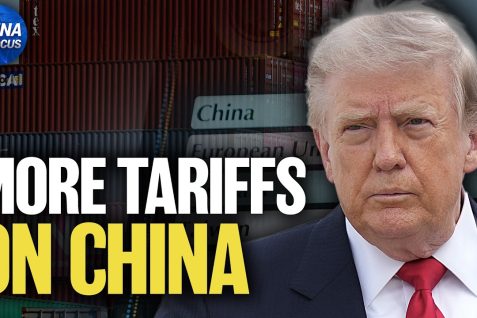
New U.S. tariffs reignite trade tensions with China. Beijing says Washington agreed to cap forced labor-related tariffs on Chinese goods at 20 percent. We look at what the new tariffs mean for U.S.–China trade. Allen Zhang, research assistant at the Heritage Foundation, says, "A lot of Chinese products are flowing into different markets, undercutting American prices and generally making it hard for American businesses to sustain their operations." The race for 6G is already underway. The United States is teaming up with allies to shape the next wireless era—and counter China's influence. China's influence operations in the United States are under scrutiny. Federal records show Beijing spent about $100 million in a single year to shape policy and public opinion in America. Severe flooding continues in China. A typhoon has been sweeping through southern parts of the country, submerging streets and in one case sending a freezer sliding down a flooded roadway. 00:00 Intro 01:14 China: U.S. Forced Labor Tariffs Capped at 20% 02:28 Trump Imposes Forced-Labor Tariffs on 60 Economies 02:37 China's Forced Labor Faces U.S. Crackdown 04:12 Low-Cost China Imports Hurt U.S. Business 05:55 Tariffs May Pressure Countries to Reform Trade 06:56 U.S. Leads New 6G Coalition to Counter China 08:30 Trump Admin Builds Global Alliance for Secure 6G 08:45 China's Influence Operations in U.S. Under Scrutiny 10:07 Streets Flooded as Typhoon Noul Hits Southern China 11:46 China Hits 14 EU Firms With Export Controls 12:36 Ford, Chinese Automaker Geely to Partner in Europe 13:05 Chinese Cars Raise Global Auto Industry Concerns 16:13 U.S. Lawmakers Move to Block Chinese Cars 17:11 Chinese Cars Collect Americans' Data Without Consent 18:12 Calls Grow for Protections Against Car Data Risks 19:50 France, Germany Seek to Revive EU Auto Industry
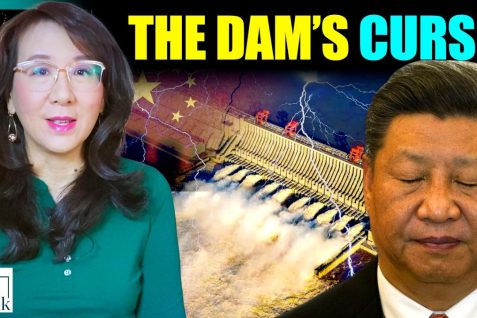
Did the Three Gorges Dam unleash a political curse? Since the reservoir reached its highest level, one powerful Chongqing official after another has fallen—executed, imprisoned, purged, or dead under mysterious circumstances. …
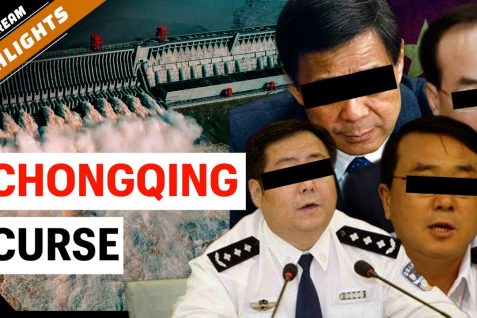
Did the Three Gorges Dam unleash a political curse? Since the reservoir reached its highest level, one powerful Chongqing official after another has fallen—executed, imprisoned, purged, or dead under mysterious circumstances. From broken dragon veins to the CCP’s “political Bermuda Triangle,” this is the dark story of the Chongqing Curse.
The number of foreign nationals taking Taiwan’s Taiwanese-language proficiency test on Saturday hit a five-year high, with 23 applicants from countries including India and Japan. Source: Foreign Test – Takers Sitting …
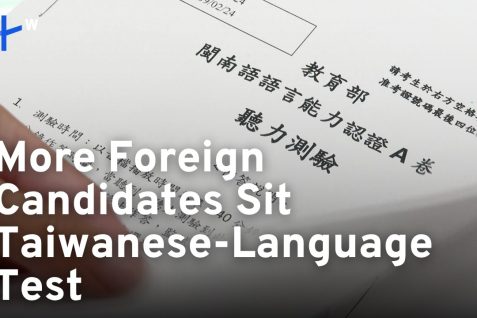
The number of foreign nationals taking Taiwan’s Taiwanese-language proficiency test on Saturday hit a five-year high, with 23 applicants from countries including India and Japan.
China's first multi-functional long-endurance drone, the TP200, has successfully completed its maiden flight in Yantai, Shandong Province, on July 26, 2026. Designed for high-altitude and long-endurance operations, the TP200 can remain …
China's first multi-functional long-endurance drone, the TP200, has successfully completed its maiden flight in Yantai, Shandong Province, on July 26, 2026. Designed for high-altitude and long-endurance operations, the TP200 can remain airborne for more than 24 hours and has a maximum operational range of 3,000 kilometres. Its modular design allows the drone to quickly switch between different mission configurations, making it suitable for a wide variety of civilian and emergency response operations. #China #TP200 #Drone #UAV #Aviation #Technology #ChinaNews #Innovation #MaidenFlight #Aircraft #Shandong #WorldNews #BreakingNews #Aerospace #FutureTech
Read the full analysis and policy breakdown on China News Update: https://chinanewsupdate.com/chinas-ex… China's surging export machine is no longer a temporary surplus—it represents a structural industrial threat to Europe, Taiwan, and …
Read the full analysis and policy breakdown on China News Update: https://chinanewsupdate.com/chinas-ex… China's surging export machine is no longer a temporary surplus—it represents a structural industrial threat to Europe, Taiwan, and the broader West. In this video, China analyst Tony Fiddis breaks down how Beijing's state support, lower energy costs, and industrial scale are capturing market share across autos, machinery, and clean energy. Please Support the Channel (It's just me making China Update): Patreon Link: / chinaupdate One-off Tips Here: https://www.buymeacoffee.com/chinaupdate Book a one-on-one video consultation with Tony Fiddis for tailored, independent analysis of China’s economy, political landscape and evolving regulatory environment: https://www.buymeacoffee.com/chinaupd… Video Timestamps: 00:00 Introduction 00:11 China Exploits European Divisions as Trade Surplus Soars 03:27 CXMT Shares Surge 472% 05:18 Taiwan Tensions: China Global Campaign 08:59 Wright on China’s Shattered Economic Miracle 📄 FULL VIDEO OVERVIEW & ANALYSIS: In this comprehensive breakdown, China analyst Tony Fiddis examines how China’s industrial export machine has evolved from a localised trade imbalance into a major strategic challenge for Western economies. For years, Western policymakers treated excess Chinese manufacturing capacity as a passing phase. Today, however, structural advantages—ranging from low-cost energy and state-subsidized capital to industrial scale and competitive currency valuation—allow Chinese producers to undercut competitors on global tenders before Western nations can deploy defensive trade tools. This episode analyses the compounding pressure on critical sectors including electric vehicles, industrial machinery, chemicals, and renewable energy components. Beyond bilateral trade deficits, Western and Taiwanese companies face losing substantial market share in neutral third-country markets. Tony highlights the geopolitical policy options currently under debate—from Brussels' potential shift toward targeted procurement quotas and machinery safeguards to Washington's blanket tariffs—and explains why building protectionist fences at home may fail to stem China's expanding footprint across the rest of the developing world.
Australia is strengthening its role as the Pacific’s security partner of choice, signing new defense agreements with countries including Papua New Guinea, Fiji and Vanuatu as strategic competition with China intensifies. …
Australia is strengthening its role as the Pacific’s security partner of choice, signing new defense agreements with countries including Papua New Guinea, Fiji and Vanuatu as strategic competition with China intensifies. At the same time, Beijing has tested a nuclear-capable ballistic missile into the South Pacific and Papua New Guinea has abruptly closed Taiwan’s representative office, raising fresh questions about China's growing influence across the region. Pacific Island nations, meanwhile, are seeking to balance Australian security ties with Chinese economic engagement while resisting pressure to choose sides. Is the South Pacific becoming the next major front in Indo-Pacific strategic competition? In this episode, we examine Australia's expanding regional role, China's growing presence and what the shifting balance of power means for Taiwan and the Indo-Pacific.
Xi Jinping can’t stay—but he may not be able to leave. Behind Zhongnanhai’s image of unity, a three-way power struggle is reportedly paralyzing the Chinese Communist Party. Xi’s allies, conservative Party …
Xi Jinping can’t stay—but he may not be able to leave. Behind Zhongnanhai’s image of unity, a three-way power struggle is reportedly paralyzing the Chinese Communist Party. Xi’s allies, conservative Party elders, and reformist opponents all want different outcomes—and none can agree on how Xi should be removed, judged, or protected. Should he be allowed to retire quietly? Blamed only for breaking succession rules? Or investigated for the darkest controversies of his rule? From the secretive Beidaihe meetings to the historical precedents of Mao Zedong, Hua Guofeng, and Zhao Ziyang, this program examines why the CCP is trapped with Xi Jinping—and why any attempt to resolve his fate could tear the regime apart.
Is the world entering its most dangerous geopolitical and economic transition in decades? According to geopolitical strategist Peter Zeihan, the answer is yes. In this week's Stansberry Investor Hour, Dan Ferris …
Is the world entering its most dangerous geopolitical and economic transition in decades? According to geopolitical strategist Peter Zeihan, the answer is yes. In this week's Stansberry Investor Hour, Dan Ferris sits down with bestselling author and geopolitical expert Peter Zeihan for a wide-ranging discussion on the wars, demographic shifts, energy shortages, and political upheaval that could reshape the global economy over the next decade. While many investors remain focused on interest rates and stock prices, Peter argues that the real story lies elsewhere. Globalization is breaking down. And the consequences could affect everything—from oil prices and supply chains to China's economy, America's industrial future, and the balance of global power. Peter explains: • Why the Middle East conflict could create a much larger energy crisis than markets expect • Why oil production can't simply be turned back on overnight • How drones are permanently changing modern warfare • Why Europe is rapidly preparing for a new security reality • And why investors should pay close attention to geopolitical risks—not just economic data The conversation begins with one of Peter's biggest concerns today: The world may be underestimating just how fragile the global energy system has become.
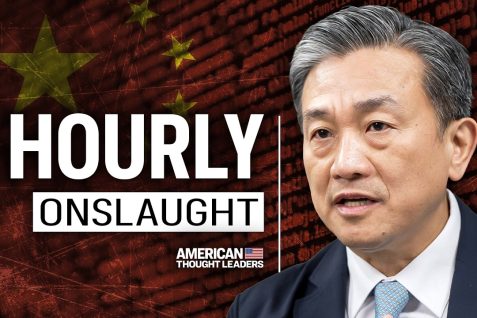
Taiwan undergoes millions of cyberattacks and intrusion attempts every day as well as a dizzying onslaught of disinformation from Beijing. There are few people who understand what Taiwan is really up …
Taiwan undergoes millions of cyberattacks and intrusion attempts every day as well as a dizzying onslaught of disinformation from Beijing. There are few people who understand what Taiwan is really up against better than Taiwanese legislator Wang Ting-yu, a leader in the Taiwanese Parliament’s Foreign Affairs and National Defense Committee. He’s been sanctioned three times by Beijing and repeatedly threatened for speaking out. In this episode, he reveals Taiwan’s three-step strategy to withstand the Chinese Communist Party’s psychological onslaught. Winning the battle for truth, he believes, is imperative to preserve the life of any democratic nation. And he also breaks down the importance of this tiny island nation. Taiwan produces two-thirds of the world’s semiconductors—and nearly all of the advanced ones—but its importance stretches far beyond this single product. Wang details Taiwan’s strategic position, its role in critical supply chains, and its role as a frontier of human freedom. 00:00 Most Dangerous Threat from Beijing 08:16 Taiwan’s Fights Back 13:20 Sponsor: Immersed 15:00 Weaponize Information 19:22 Democracy Prevails 21:00 CCP Influence in Taiwan 25:25 China’s Military Buildup 29:13 The Importance of Taiwan 33:15 Special Defense Budget 36:08 Is Cozying Up to Beijing a Smart Move? 41:38 CCP Sanctions and Personal Risk
Read the full analysis on China News Update: https://chinanewsupdate.com/chinas-k-… China’s economy is fracturing into a two-speed system: coastal tech powerhouses are surging ahead, while inland regions flounder under debt and property …
Read the full analysis on China News Update: https://chinanewsupdate.com/chinas-k-… China’s economy is fracturing into a two-speed system: coastal tech powerhouses are surging ahead, while inland regions flounder under debt and property collapses. In this deep-dive analysis, China analyst Tony Fiddis examines how Beijing is tightening its grip on money markets, financial elites, and offshore assets, alongside the limits of Washington’s decoupling efforts.
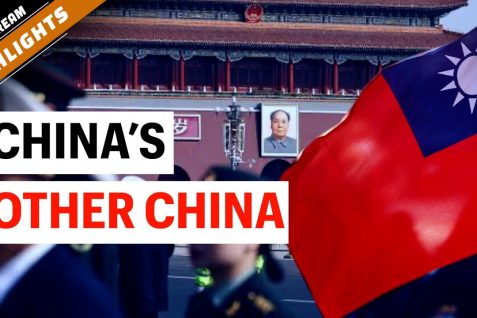
A secret political movement is trying to restore the Republic of China on the Chinese mainland. Backed by ROC loyalists, dissidents, and anti-Communist activists, the group says it wants to overthrow …
A secret political movement is trying to restore the Republic of China on the Chinese mainland. Backed by ROC loyalists, dissidents, and anti-Communist activists, the group says it wants to overthrow CCP rule and build a new federal, democratic China. But how real is this underground movement—and could the Republic of China return first as an idea?
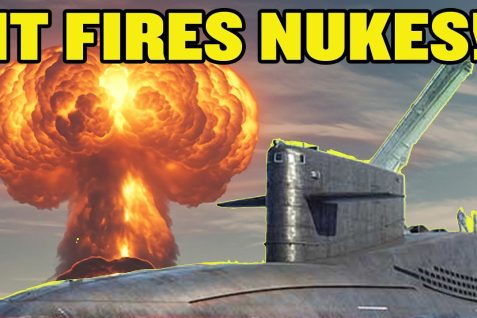
In early July, China launched a missile from a submarine into the south pacific, drastically expanding its capabilities to launch nuclear weapons in a stealth attack on its adversaries. Source: China’s …
In early July, China launched a missile from a submarine into the south pacific, drastically expanding its capabilities to launch nuclear weapons in a stealth attack on its adversaries.
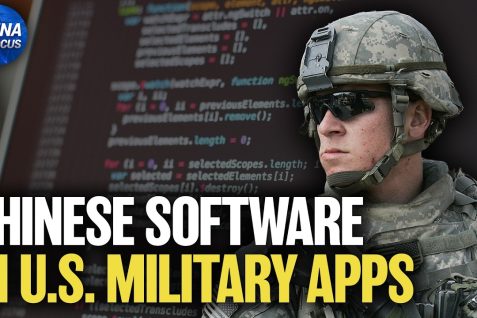
A new security concern for U.S. troops: Computer code from Chinese and Russian companies was found in apps made for people serving in the U.S. military. What researchers found could put …
A new security concern for U.S. troops: Computer code from Chinese and Russian companies was found in apps made for people serving in the U.S. military. What researchers found could put sensitive information and people’s safety at risk. A call to resist pressure from China—Taiwanese President Lai Ching-te urged members of his party to oppose the “red terror” coming from Beijing. Taiwan sees a diplomatic setback as the Pacific island nation of Papua New Guinea closes its representative office under pressure from Beijing. As China’s threats grow, Taiwan’s new drone coalition is moving quickly to secure critical supply lines with international allies. Today marks the 27th anniversary of China’s brutal persecution of Falun Gong practitioners. Lawmakers are commemorating this day alongside millions of Falun Gong practitioners around the world. 00:00 Intro 01:24 Chinese, Russian Code Found in U.S. Military Apps 02:49 Taiwan President Calls to Resist China's 'Red Terror' 03:14 Papua New Guinea Shuts Taiwan Office, Draws Criticism 04:13 Taiwan Pushes to Secure Drone Alliance Amid China Pressure 05:13 Taiwan Boosts Sea Drills Amid China Patrol Escalation 05:59 Rubio in Philippines for Regional Talks 06:39 Rubio to Discuss Trump-Xi Summit in Asia Meetings 07:10 China Accused of Attacking Philippine Sailor 07:50 Lawmakers Support Falun Gong on Anniversary of Persecution 11:15 Falun Gong Marks 27 Years Since Start of Persecution 12:08 Parade Marks 27 Years of Falun Gong Persecution: London 14:33 China Moonshot AI Challenges U.S. Tech Lead 15:52 Beijing's Religious Persecution Targets Americans: Report
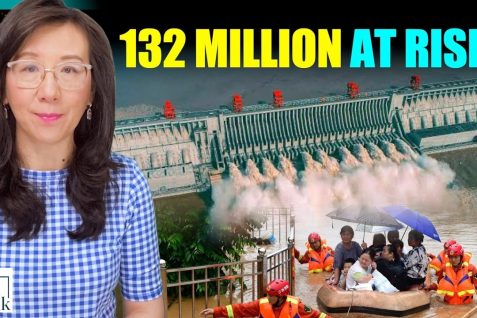
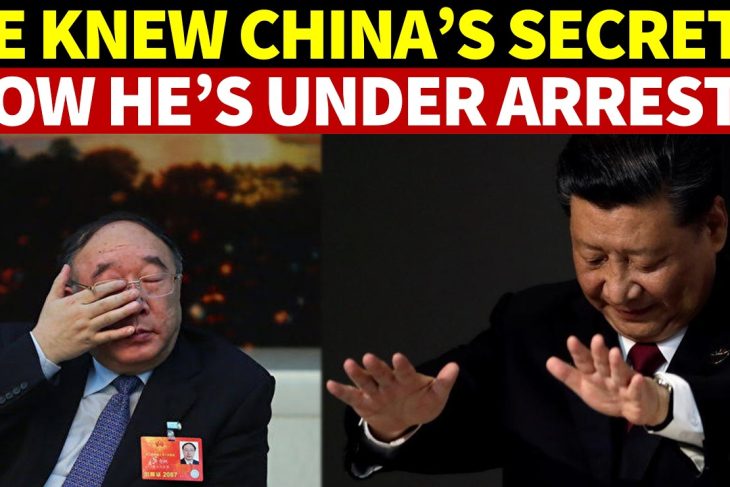
An alleged internal Chinese simulation reveals what could happen if the Three Gorges Dam collapsed. The leaked maps project catastrophic flooding across the Yangtze River basin, major transportation shutdowns, and as …
An alleged internal Chinese simulation reveals what could happen if the Three Gorges Dam collapsed. The leaked maps project catastrophic flooding across the Yangtze River basin, major transportation shutdowns, and as many as 132 million people affected. Now, a senior executive within the Three Gorges system has been placed under investigation amid allegations that he leaked the classified document. What did Beijing know—and why was this scenario kept secret?
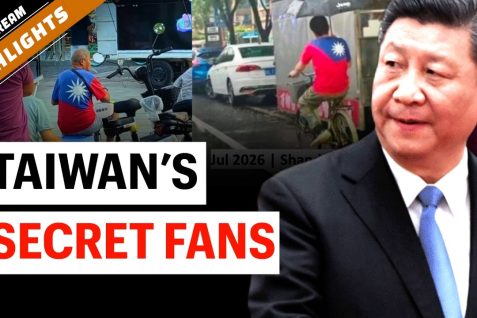
Are more people inside China beginning to see Taiwan as an alternative to Communist rule? From ROC flag shirts appearing in public to online admiration for Taiwan’s democracy, small but striking …
Are more people inside China beginning to see Taiwan as an alternative to Communist rule? From ROC flag shirts appearing in public to online admiration for Taiwan’s democracy, small but striking signs suggest that the Republic of China still holds powerful meaning for some mainland Chinese.
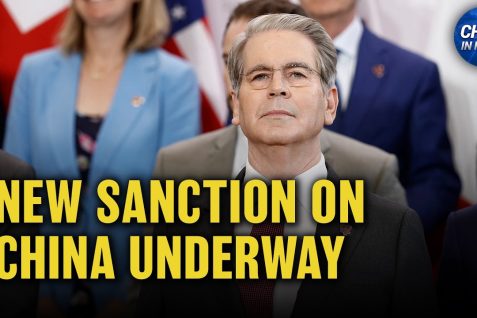
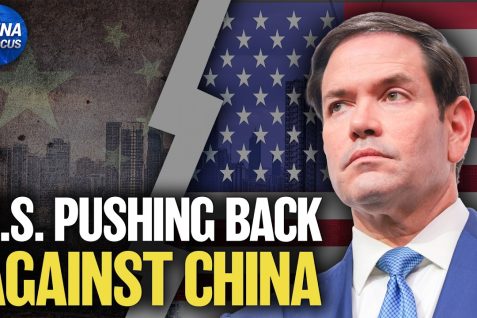
Secretary of State Marco Rubio meets with China’s top diplomat as both sides prepare for a possible leaders’ summit in Washington this fall. Meanwhile, the Quad sends a strong message on …
Secretary of State Marco Rubio meets with China’s top diplomat as both sides prepare for a possible leaders’ summit in Washington this fall. Meanwhile, the Quad sends a strong message on Indo-Pacific security. The United States is weighing new sanctions on China. This time, the fight is over artificial intelligence and alleged technology theft. U.S. Treasury Secretary Scott Bessent said, “We are finding watermarks of our U.S. large language models on many of the Chinese models.” Flooding has swept across China, including the financial hub of Shanghai. Rainwater leaked through roofs, pouring down like waterfalls, while sewage surged from toilets and flooded entire apartments. China’s housing slump isn’t over yet. It’s now in its fourth year. Experts explain why a recovery could still be years away. The human cost of socialism: From Cuba to Venezuela, critics say decades of authoritarian rule have crushed freedom and opportunity. We hear from an expert on what lies ahead. 00:00 Intro 01:06 Rubio, Wang Yi Set Stage for September Trump-Xi Summit 02:15 Quad Ministers Push Back on Coercion in Indo-Pacific 02:46 Philippine Foreign Minister Protests China’s Actions 03:58 Australia to Warn China Over Provocative Actions 04:21 Bessent Considers Sanctioning China for AI Model Theft 05:26 Bessent: China Buys Significantly Less Iranian Oil 05:40 China’s Multi-Front Assault on Free Societies 06:47 CCP Atrocity: Forced Organ Harvesting 07:16 Panels Highlight China’s Human Rights Abuses, Cyberattacks 09:27 Rainstorm Floods Parts of China’s Financial Hub 10:17 China’s Housing Slump Enters Fourth Year 12:08 Former TSMC Manager Faces China Espionage Charges 14:33 Venezuela Eyes Economic Turnaround 15:18 Venezuela Sees Democratic Progress 16:02 Americas Have to Be Free From Communism: Jraissati 17:55 Socialism Brings Poverty and Repression 19:20 China’s Venezuela Influence Faces Shift
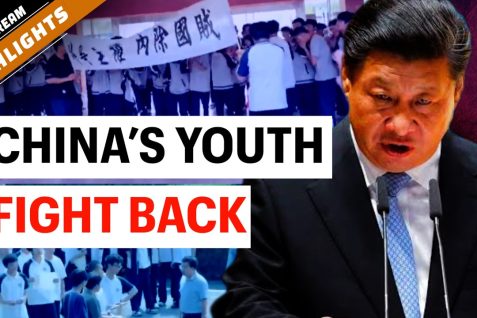
Chinese students are beginning to fight back—and some are winning. From shortened summer vacations and reduced weekends to power outages and oppressive school rules, young protesters are organizing, marching, and forcing …
Chinese students are beginning to fight back—and some are winning. From shortened summer vacations and reduced weekends to power outages and oppressive school rules, young protesters are organizing, marching, and forcing administrators to retreat. Their demands may begin with everyday grievances, but their language of freedom, equality, and resistance reveals something much bigger: China’s youth are learning that united action can work.
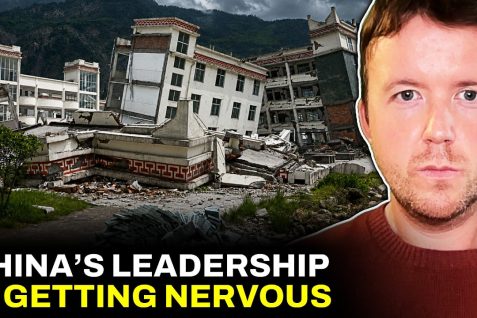
Read the full, detailed analysis on our portal right now: https://chinanewsupdate.com/chongqing… In this video, China analyst Tony Fiddis breaks down the multi-layered challenges facing Beijing, connecting the recent tragic Chongqing landslide …
Read the full, detailed analysis on our portal right now: https://chinanewsupdate.com/chongqing… In this video, China analyst Tony Fiddis breaks down the multi-layered challenges facing Beijing, connecting the recent tragic Chongqing landslide to broader infrastructure vulnerabilities. He explores how local governance pressures intersect with China’s current economic slowdown, wild US election interference claims, and the high-stakes battle to control China’s global image.
China is flooding again—and fears about the Three Gorges Dam are returning. But the dam may have unleashed more than an engineering crisis. From a severed “dragon vein” to the repeated …
China is flooding again—and fears about the Three Gorges Dam are returning. But the dam may have unleashed more than an engineering crisis. From a severed “dragon vein” to the repeated downfall of Chongqing’s police chiefs and political leaders, this program explores why the city associated with the Three Gorges has become known as China’s “political Bermuda Triangle”—and whether the so-called Chongqing curse is more than a legend, but a political killing field.
From maritime clashes to a potential fall summit: Secretary of State Marco Rubio lands in the Philippines with a firm message for China that America is staying focused on the Pacific. …
From maritime clashes to a potential fall summit: Secretary of State Marco Rubio lands in the Philippines with a firm message for China that America is staying focused on the Pacific. President Donald Trump is taking aim at U.S. reliance on China. The Pentagon is rolling out tougher rules for defense supply chains. We’ll break down what’s in the order. Harvard University is under investigation. The Justice Department says the Ivy League school may be providing financial aid to foreign students, presumably from China, at the expense of American students. In the space race between the United States and China, NASA’s Artemis III mission is moving forward despite an explosion in May. This year marks the 27th anniversary of the start of the deadly persecution of the Falun Gong meditation practice in China. We spoke with Steve Lance, host of NTD’s Capitol Report and executive producer of the award-winning documentary “Unbroken: The Untold Story of Shen Yun.” Rubio Pushes Back on China’s Influence in Southeast Asia Rubio to Meet China’s Wang Yi Amid Escalating Tensions U.S. Condemns China’s Actions Against Philippine Navy Trump Tightens Defense Supply Chain Rules DOJ Probes Harvard’s Financial Aid Practices New State Department Report Describes Cuban Infiltration in U.S. Report: Cuba Recruits American University Students as Agents Cuban Regime’s Strategic Partnerships With China, Russia U.S. Imposes 50 Percent Tariffs on $20 Billion of Canadian Goods Trump Administration to Unveil Forced Labor Trade Action NASA’s Artemis III Mission Still on Track for 2027 2026 Rally to End Persecution of Falun Dafa
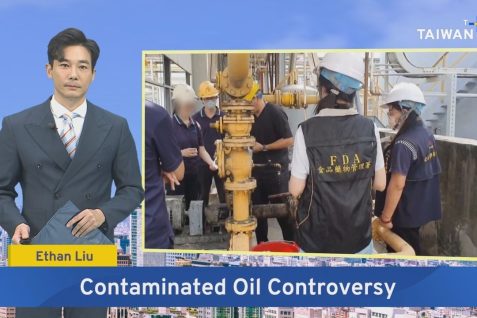
In today’s show: Opposition Politicians Question Government’s Role In Contaminated Oil Scandal Mountain Barrier Lake in Eastern Taiwan Still On Brink of Flooding TSMC Expands US Investment As Taiwan Defends Tech …
In today’s show: Opposition Politicians Question Government’s Role In Contaminated Oil Scandal Mountain Barrier Lake in Eastern Taiwan Still On Brink of Flooding TSMC Expands US Investment As Taiwan Defends Tech Leadership Global Tech Stocks Slide On China AI Competition Analysis: How Frontier AI Models Reshape US-China Tech Race US Expresses “Deep Concern” Over Papua New Guinea Closing Taiwan Office 3D-Printed Recycled Structures Help Support Coral Growth in Penghu
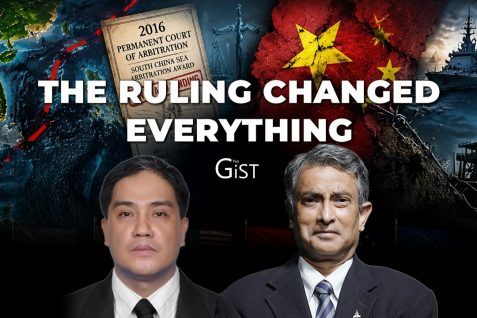
Ten years after the landmark South China Sea arbitration ruling, its biggest legacy may not be the legal defeat of China’s Nine-Dash Line claim but what Beijing’s response revealed about its …
Ten years after the landmark South China Sea arbitration ruling, its biggest legacy may not be the legal defeat of China’s Nine-Dash Line claim but what Beijing’s response revealed about its strategic ambitions. Speaking to StratNewsGlobal, Philippine strategic affairs expert Dr Renato Cruz de Castro argues that China’s refusal to recognise the 2016 Permanent Court of Arbitration award fundamentally changed how countries across the Indo-Pacific viewed its rise. “The ruling revealed to us what kind of a great power China would be,” he says, arguing that Beijing demonstrated its willingness to ignore international law in pursuit of broader geopolitical objectives. According to de Castro, China’s ambitions extend beyond the South China Sea to controlling the First Island Chain and eventually replacing the United States as the region’s principal maritime power. He believes Japan, Australia, the United States, the European Union and India have all adjusted their strategic outlook in response. For the Philippines, the turning point came after years of attempting accommodation with Beijing. “Whether you appease or challenge China, you will get the same result—subjugation and expansion,” he says. De Castro also highlights India’s growing importance in regional security, describing the BrahMos missile sale as a significant step in strengthening Philippine deterrence. Looking ahead, he argues that New Delhi and Manila should deepen cooperation beyond defence trade into a broader security partnership to counter coercion, influence operations and what he describes as China’s continuing regional expansion.
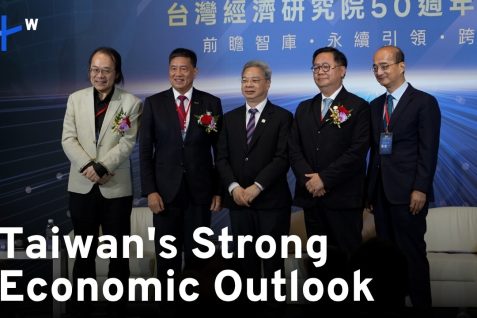
Taiwan’s top economic think tank, TIER, forecasts GDP growth of over 10% in 2026, driven by strong exports and the ongoing AI boom. Economy Minister Kung Ming-hsin says Taiwan is expanding …
Taiwan’s top economic think tank, TIER, forecasts GDP growth of over 10% in 2026, driven by strong exports and the ongoing AI boom. Economy Minister Kung Ming-hsin says Taiwan is expanding global cooperation in AI, semiconductors and other “non-red” supply chains.
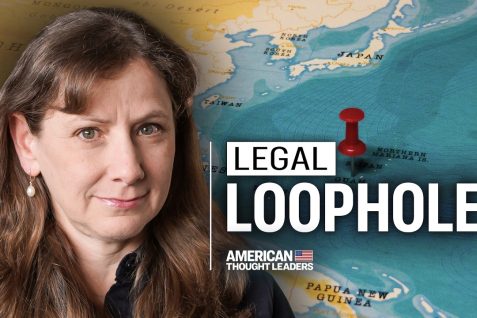
There’s one place in America where Chinese nationals can enter without a visa. It’s called the Commonwealth of the Northern Mariana Islands (CNMI), a U.S. territory in the Pacific, right by …
There’s one place in America where Chinese nationals can enter without a visa. It’s called the Commonwealth of the Northern Mariana Islands (CNMI), a U.S. territory in the Pacific, right by Guam. And it has become a major security loophole for Chinese Communist Party (CCP) influence operations as well as Chinese organized crime and birth tourism ventures, said Cleo Paskal, a senior fellow at the Compass Institute. Yet there has been little political will in Washington to close this loophole, Paskal argues. In this episode, Paskal breaks down the CCP’s aggressive influence and gray-zone warfare operations in this region—areas critical to U.S. defense in any Taiwan conflict—and why this matters for U.S. security. Every U.S. president who served in the Pacific theater in World War II understood that the security of the American mainland depends on a secure Pacific perimeter, Paskal said. As such, in addition to two U.S. territories in the region, the United States has maintained Compacts of Free Association with Palau, the Federated States of Micronesia, and the Marshall Islands since the end of World War II. These treaties give the U.S. military exclusive defense and strategic access to these countries in exchange for U.S. security guarantees and economic support. But the Chinese Communist Party has sought to aggressively expand its influence in these islands through pressure, gray zone warfare, and disinformation campaigns. Amid all this, U.S. funding for these compacts nearly lapsed in recent years, because many in Washington apparently have forgotten their importance. In this episode, Paskal walks me through a key question: if the security of America’s mainland has always depended on control of the central Pacific, what consequences will we pay now that so few Americans know these islands—or their citizens—even exist?
Do some mainland Chinese want Taiwan’s Republic of China to return and replace the Chinese Communist Party? Recent images of people openly wearing ROC flag shirts in China have sparked intense …
Do some mainland Chinese want Taiwan’s Republic of China to return and replace the Chinese Communist Party? Recent images of people openly wearing ROC flag shirts in China have sparked intense discussion online. At the same time, an alleged internal security document has drawn attention to a Taiwan-based National Restoration Party that claims to be organizing resistance inside the mainland. This program examines the party’s founder, its “Republic of China 2.0” vision, and a provocative question: could the Republic of China return to China—not through military conquest, but as a democratic alternative to CCP rule?
This video from Lei's Real Talk explores the provocative question of whether the Republic of China could ever return to mainland territory. The discussion is sparked by recent images showing individuals openly wearing ROC flag shirts within China, which has ignited intense online debate. Simultaneously, attention focuses on an alleged internal security document highlighting a Taiwan-based National Restoration Party that claims to be organizing resistance activities inside the mainland.
The program examines the founder of this party and its vision for what it terms "Republic of China 2.0." A central theme involves analyzing whether the ROC could re-emerge not through military conquest, but as a democratic alternative to current Communist Party rule. The content addresses recent public discourse regarding these political symbols and groups while noting that some mainland citizens may desire such a return. Viewers are presented with an examination of these claims without inventing specific facts or quotes beyond what is provided in the source material.
The U.S. Coast Guard has deployed forces near China as Washington seeks to counter Beijing’s maritime pressure in the region. President Donald Trump drops fees on cargo ships passing through the …
The U.S. Coast Guard has deployed forces near China as Washington seeks to counter Beijing’s maritime pressure in the region. President Donald Trump drops fees on cargo ships passing through the Strait of Hormuz, and reinstated the blockade targeting Iran’s oil shipments. What impact will these U.S. moves have on China? China fired a nuclear-capable missile into the Pacific Ocean that landed near U.S. ally Australia. What message is Beijing sending to the world? “This is really like a dog marking its territory,” Grant Newsham, a retired U.S. Marine said. David versus Goliath: UK residents take China’s mega-embassy plan to court, warning of national security risks. China’s economic growth figures for April to June are out. What broader economic trends do they reveal? 00:00 Intro 01:02 U.S. Coast Guard Deployed Near China 02:34 U.S. Targets China–Iran Oil Network 03:04 Hormuz Toll Could Set China Precedent 04:56 Trump Squeezes Iran’s Oil Revenue 07:23 Sen. Jim Banks: CCP Targets U.S. Research 08:55 China “Marking Its Territory” in the Pacific: Expert 10:51 Can Australia’s Pacific Deals Challenge China? 12:41 China Mega Embassy Plan Faces U.K. Court Challenge 14:21 China’s Q2 Economic Growth Misses Forecasts 15:39 China’s Consumption Challenge Continues 16:00 U.S. Countering China in the Western Hemisphere 🔵Tiffany Meier’s documentary Hollywood Takeover – how Beijing is rewriting the script in America’s film industry: hollywoodtakeover.com 🇺🇸 Stay updated with breaking news, special reports, and LIVE COVERAGE on NTD: https://ept.ms/NTDlive_
This report from China in Focus on NTD examines several developing international situations involving the United States and China. The segment begins by noting that U.S. Coast Guard forces have been deployed near Chinese waters as Washington attempts to counter perceived maritime pressure from Beijing. Additionally, President Donald Trump is reported to be imposing fees on cargo ships transiting the Strait of Hormuz while reinstating a blockade against Iranian oil shipments; analysts discuss how these actions might impact China's energy network and set precedents for future trade disputes.
The video also covers military developments where China launched a nuclear-capable missile into the Pacific Ocean near Australia, an action described by experts as territory marking similar to a dog claiming its space. In legal matters, residents of the United Kingdom are challenging China's plan to build a massive embassy in court over national security concerns. Economically, recent data indicates that China's growth figures for the second quarter missed forecasts, highlighting ongoing consumption challenges. The program concludes by looking at U.S. strategies to counter Chinese influence within its own Western Hemisphere and provides links to related documentaries supporting these narratives.
The US House of Representatives has passed a 2027 appropriations bill that includes US$500 million in military assistance for Taiwan, along with funding for allies and measures to counter China. In …
The US House of Representatives has passed a 2027 appropriations bill that includes US$500 million in military assistance for Taiwan, along with funding for allies and measures to counter China. In related news, former US ambassador to China Nicholas Burns has criticized President Trump’s attitude on arms sales to Taiwan. 📹 Reporter(s): TaiwanPlus #TaiwanPlus #TaiwanPlusNews #TaiwanNews –
The US House of Representatives has approved a 2027 appropriations bill allocating $500 million in military aid to Taiwan. This legislative action is part of broader funding measures designed to support allies and implement strategies aimed at countering China's influence in the region. The decision marks a significant step within the ongoing framework of international security cooperation involving these nations. In related developments, former US ambassador to China Nicholas Burns has voiced criticism regarding President Trump's stance on arms sales directed toward Taiwan. This commentary highlights differing perspectives surrounding defense policy and diplomatic relations in East Asia.
TaiwanPlus News reports on this development as part of its coverage of local issues alongside global events affecting the region. The channel aims to present a unique voice concerning world affairs that impact Taiwan specifically. Viewers can access further content through their various digital platforms including social media channels where they maintain an active presence for updates and discussions related to current geopolitical situations involving defense spending and international alliances in the Pacific theater.
This master video stitches the full Taiwan PMESII story into one coherent picture of deterrence, coercion, and crisis risk. We connect the physical reality of the Taiwan Strait to the political …
This master video stitches the full Taiwan PMESII story into one coherent picture of deterrence, coercion, and crisis risk. We connect the physical reality of the Taiwan Strait to the political dynamics in Taipei, Beijing’s pressure campaign, and how a blockade or invasion could actually unfold. Then we tie the economy to TSMC and global chips, showing why markets react long before wars start. We cover the social and information battle shaping elections and identity, and the infrastructure vulnerabilities like undersea cables that can “soft-isolate” Taiwan. If you want the full strategic logic in one place, this is the complete Taiwan brief. Timeline: 0:00 Physical 10:29 Political 20:07 Military 28:33 Economic 39:21 Social 48:33 Information 55:35 Infrastructure 1:06:15 Closing Thoughts
This comprehensive video by Caleb McMurtrey synthesizes the full strategic landscape surrounding Taiwan into a single coherent narrative focusing on deterrence, coercion, and crisis risk. The presentation connects physical realities within the strait to political dynamics in Taipei while examining Beijing's pressure campaigns. It details how potential blockades or invasions could unfold militarily and explains why global markets react long before conflicts begin by linking economic stability directly to TSMC and semiconductor supply chains.
The overview also addresses social factors shaping elections and national identity, alongside an information battle influencing public perception. Infrastructure vulnerabilities are highlighted, particularly undersea cables that could lead to soft isolation of the region. The content is structured chronologically through distinct segments covering physical geography, political maneuvering, military capabilities, economic implications, social dynamics, informational warfare, infrastructure weaknesses, and concluding strategic thoughts. This briefing aims to provide viewers with a complete understanding of the complex logic governing this geopolitical situation without relying on external transcripts or inventing specific events not present in the provided description.
When you think of naval powers, North Korea probably isn’t at the top of your list…and frankly given the state of their naval forces for the last seventy years it shouldn’t …
When you think of naval powers, North Korea probably isn’t at the top of your list…and frankly given the state of their naval forces for the last seventy years it shouldn’t be. But now the DPRK apparently has ambitions to nuclear-armed, Blue Water navy status, and it’s pouring funding into subs and surface combatants to try and get there. So today, let’s talk about North Korea’s weird new navy.
The video examines recent developments in North Korea's naval capabilities, noting a shift from historical limitations to new ambitions for a blue water navy. The content highlights reports of the commissioning and testing of guided missile destroyers such as the Choe Hyon and Kang Kon, alongside claims that cruise missiles capable of carrying tactical nuclear weapons have been deployed. It mentions statements by Kim Jong Un regarding plans to construct two warships annually over the next five years and aspirations for vessels weighing up to 10,000 tonnes. The overview also touches on alleged Russian financial support linked to military aid provided during conflicts in Ukraine. Additionally, there are references to a nuclear-powered submarine development program and potential technology sharing with Russia. The discussion frames these actions within a broader strategic perspective while emphasizing that the material is presented for entertainment purposes rather than as definitive legal or comprehensive analysis of international events.
Source: President Trump Delivers an Address to the Nation, Jul. 16, 2026 Summary On July 16, 2026, President Trump delivered an address to the nation from The White House. This official …
On July 16, 2026, President Trump delivered an address to the nation from The White House. This official recording captures a significant moment in federal communications, lasting approximately forty-three minutes based on its total duration of twenty-five hundred and thirty-five seconds. As presented by the channel representing the executive branch, the footage serves as a primary source for understanding events occurring during that specific date. No additional public summary or detailed description is currently available to expand upon the content of this particular broadcast. The video stands solely as an archival record released directly from the institution hosting it. Viewers are provided with only the title and basic metadata regarding its release time and length. Without further context in the official descriptions, the specific topics covered within the speech remain undefined by external sources. This overview relies strictly on the supplied information to describe a formal presidential address without inferring details beyond what is explicitly stated or implied by standard protocol for such events at The White House.