Young people in China are refusing to be exploited. They are opting out of the rat race and choosing not to marry or have children. The Communist Party newspaper People’s Daily responded with an angry article asking, “If young people don’t get married, are we all just waiting to die?”
Young people in China are refusing to be exploited. They are opting out of the rat race and choosing not to marry or have children. The Communist Party newspaper People’s Daily responded with an angry article asking, “If young people don’t get married, are we all just waiting to die?”
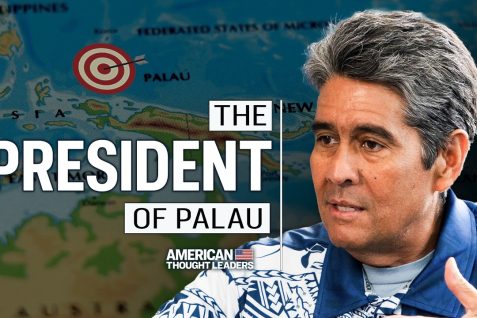
During World War II, America learned a hard lesson about the strategic importance of the small island nations scattered across the Pacific. Among them is Palau, a nation of just 18,000 people in what’s known as the second island chain. It’s home to the bloodiest battlefield of the Pacific theater, on the island of Peleliu. Today, as the Chinese regime prepares for a possible invasion of Taiwan, Palau finds itself on the front lines again. It's one of only 12 countries that diplomatically recognize Taiwan, and one of only three with a Compact of Free Association with the United States—an agreement that gives the U.S. exclusive military access to Palauan waters in exchange for providing defense, postal service, economic assistance, and other benefits to Palauans. Palau’s strategic position has made it a target. The Chinese Communist Party has ramped up gray-zone tactics and information warfare across the region to pull small Pacific nations away from Taiwan and the United States. In this episode, I’m sitting down with the President of Palau Surangel Whipps Jr. Half-American and half-Palauan and born in Baltimore, Whipps decided to give up his American citizenship to serve as President of his father’s homeland and chart a new course for its development. In this episode, Whipps explains how Palau is defending its sovereignty against foreign encroachment and shares his vision for the country's future. We cover: How has the CCP threatened Palau? How does the Compact of Free Association shape U.S. regional defense strategy? Why is the U.S. military building radar sites on the island? And how can Western private sector investment help secure a free Indo-Pacific?
From Asia’s richest man to life in prison: Evergrande founder Hui Ka Yan’s rise and fall mirrors that of China’s real estate industry—one of the pillars of t
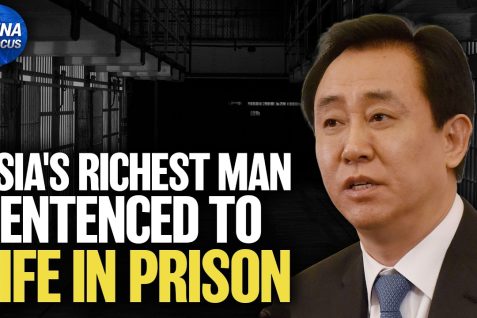
From Asia’s richest man to life in prison: Evergrande founder Hui Ka Yan’s rise and fall mirrors that of China’s real estate industry—one of the pillars of the Chinese economy. A group of senators is calling on the U.S. attorney general and the secretary of state to investigate California’s policy ties with the Chinese Communist Party. Voter fraud in the 2024 presidential election: A Massachusetts man—a Chinese national—is accused of using someone else’s identity to cast a ballot … and then turning that person in to federal authorities. Here’s what prosecutors say happened next. The U.S. State Department is declaring that an American has been wrongfully detained in China. Here’s what this means—and why the timing matters. A major legal battle is unfolding over a proposed Chinese mega-embassy in London. A U.K. High Court ruling dealt a blow to residents fighting the project—but they’re not giving up. Why does the U.K. say the embassy could pose a national security threat? And how could it affect American financial services? American Thought Leaders host Jan Jekielek speaks with Luke de Pulford, co-founder and executive director of the Inter-Parliamentary Alliance on China. For the full interview, visit American Thought Leaders on Epoch TV. 00:00 Intro 01:01 Evergrande Founder Sentenced to Life in Prison 01:58 Evergrande’s Rise and Fall Mirrors China’s Crisis 03:02 CCP Infiltration in U.S. Universities 05:44 Senators Call on U.S. to Probe California-China Ties 08:02 Chinese National Charged With Voter Fraud 09:03 U.S. State Dept.: American Wrongfully Detained in China 10:16 Ford to Shift Some Production From China to U.S. 12:03 Documents Reveal CCP Interference in 2020 Election 14:50 Taiwan Proposes Record-High 2027 Defense Budget 15:38 Alibaba Net Profit Falls 76 Percent Due to AI Spending 16:26 Pulford: China’s London Embassy Could Endanger U.S. Finance
Washington is racing to cut its reliance on rare earths from China. We take a look at the pressure—and opportunities—facing a U.S. company at the center of that push. Boosting efforts …
Washington is racing to cut its reliance on rare earths from China. We take a look at the pressure—and opportunities—facing a U.S. company at the center of that push. Boosting efforts to reduce America's reliance on China: $162 million is going toward new technologies to recover rare earth elements from industrial waste and byproducts. Japan is feeling the squeeze from Beijing’s rare earth restrictions. Here’s what Tokyo is doing to tackle the problem. More light has been shed on the controversy surrounding the origins of COVID-19 and the lab-leak theory. A former top adviser to Dr. Anthony Fauci has pleaded guilty to a conspiracy charge and is now facing possible prison time. China is blocking a European Union probe into e-commerce giant JD.com. The investigation is looking into whether Chinese state-backed subsidies are distorting competition in European markets. Barred from leaving South Korea, a former U.S. ambassador speaks out. Morse Tan joins us to discuss his experience, South Korea’s political shift, and the Chinese Communist Party’s influence. 00:00 Intro 01:00 U.S. Lab Competes W/ China Over Minerals Needed for Jets 03:40 U.S. Invests $162M in Critical Minerals Projects 04:27 Korea Zinc to Boost U.S. Critical Mineral Supply 05:46 Japan's Imports of Two Rare Earth Elements Plunge 70% 06:39 NSA Blocked Intel of CCP Election Influence From Trump 08:58 Former Fauci Adviser Pleads Guilty 11:36 Dr. Fauci Under Fire Over COVID-19 Answers 11:56 China Orders Entities Not to Aid EU's JD.com Probe 13:32 Japan Reaffirms Military Ties With U.S., S. Korea 14:48 Fmr. U.S. Ambassador Barred From Leaving South Korea 17:47 U.S. Citizen Arrested for U.S.-Based Speech 18:50 Fmr. U.S. Ambassador on CCP Influence in South Korea
CCP leaders seem all powerful in China right now, but they know their days are numbers, and that makes them very insecure. In this episode we discuss what Chinese leaders fear …
CCP leaders seem all powerful in China right now, but they know their days are numbers, and that makes them very insecure. In this episode we discuss what Chinese leaders fear most, why China is desperately seeking sanctions relief from the US, and how the CCP is shooting itself in the foot.
Cameras on British naval drones are sending data back to China. A look at how the West is trying to break free from a Chinese-dominated drone supply chain. A Chinese national …
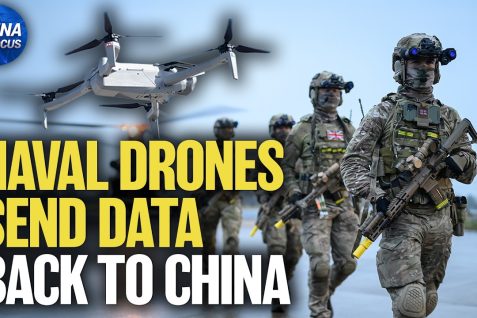
Cameras on British naval drones are sending data back to China. A look at how the West is trying to break free from a Chinese-dominated drone supply chain. A Chinese national pleads guilty to trying to smuggle U.S. military equipment to China. Cryptocurrency was also part of the case. A Chinese rocket exploded shortly after liftoff. Is it an isolated setback—or a systemic problem? Vietnam’s top leader is meeting with his Australian counterpart amid growing tensions across the Indo-Pacific. The two nations are deepening security and economic ties, with critical minerals and the South China Sea high on the agenda. One of Washington’s major allies in Asia is changing its defense strategy, with the Chinese Communist Party in its sights. What’s next for the U.S.-Japan alliance? Retired Marine Colonel Grant Newsham, a senior fellow at the Center for Security Policy, says: “Now we do have the prospects of Japan becoming a much better ally, not just politically, but in concrete operational terms.” 00:00 Intro 01:14 Cameras on UK Naval Drones Sending Data Back to China 02:06 U.S. Reliance on Chinese Drones, Components 03:09 Chinese Man Pleads Guilty to Attempted U.S. Arms Smuggling 04:17 Chinese Rocket Explodes After Liftoff 05:12 AUS, Vietnam Deepen Security, Critical Mineral Ties 06:56 Japan Signals Urgency in Defense Shift: Newsham 08:43 Japan Moves to Become a Stronger U.S. Ally 09:59 Newsham: China Is Looking for a Fight With Japan 11:20 Beijing Views Iran as Proxy: Gaub 13:28 New Meta AI Model Aims to Compete With Chinese Rivals 14:37 China Uses AI to Influence U.S. Voters: Expert
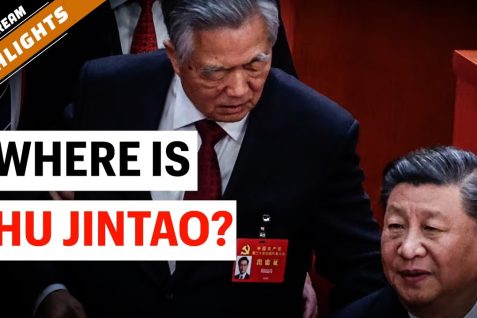
Where is Hu Jintao? A shocking death rumor involving China’s former leader, his wife, and son has sparked intense speculation across the Chinese internet. In this video, we examine the viral …
Where is Hu Jintao? A shocking death rumor involving China’s former leader, his wife, and son has sparked intense speculation across the Chinese internet. In this video, we examine the viral Hu Jintao death rumor, the mysterious screenshot, the reported denial, and the questions surrounding its disappearance. We also explore why the rumor is putting Xi Jinping and the Chinese Communist Party under pressure—and what it could mean for China’s political future. What is true, and what is political manipulation?
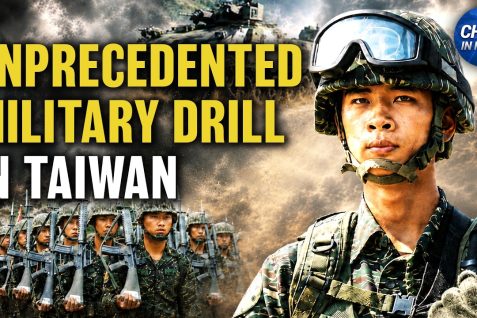
Taiwan's biggest annual military drill is underway. For the first time, troops are rehearsing a specific scenario that could play out in a real war with China. Drones have become a …
Taiwan's biggest annual military drill is underway. For the first time, troops are rehearsing a specific scenario that could play out in a real war with China. Drones have become a defining force on the global stage. They're changing warfare in Ukraine and the Middle East, and they're now emerging as a new front in the U.S.-China trade war. The FBI has been working with Chinese and Russian law enforcement to crack down on crimes like fentanyl trafficking. NTD has more on the risks involved. A record the FBI says underscores growing threats: More than 700 terror plots were stopped in the United States last year. Espionage arrests also climbed sharply. Are the Chinese Wi-Fi routers in your home tools for the Chinese Communist Party to hack U.S. infrastructure? And what does this reveal about Beijing's unrestricted warfare against the United States? 00:00 Intro 00:57 Taiwan Simulates Chinese Invasion in War Games 02:10 Taiwan Investigates 17 Chinese Firms 02:45 China Responds to U.S. Pressure With Drone Export Controls 03:52 Trump Accuses China of Funding Anti-Data Center Campaign 05:17 FBI Works With China, Russia to Crack Down on Crime 07:10 Japan Releases Defense Report, China Responds 08:33 Hidden Backdoors Found in Chinese-Made Routers 10:06 Citizens React to Rise of Socialism in Midterms 12:24 How the CCP Is Turning America Against Itself
China's wealthy thought they could protect their money by moving it overseas. Now the Chinese Communist Party is making sure they can't escape. In this episode of China Uncensored, we look …
China's wealthy thought they could protect their money by moving it overseas. Now the Chinese Communist Party is making sure they can't escape. In this episode of China Uncensored, we look at China's new exit regulations, the CCP's crackdown on private wealth, and why these changes could mark the end of Chinese entrepreneurship as we know it.
Top test pilots from Communist China reportedly struggled while testing the KJ-600 early warning aircraft. In simple terms, the pilots and the aircraft had not fully adapted to each other. Control …
Top test pilots from Communist China reportedly struggled while testing the KJ-600 early warning aircraft. In simple terms, the pilots and the aircraft had not fully adapted to each other. Control precision remained a major challenge.
This news packed episode opens with an extensive discussion about alleged illegal fishing activities conducted by vessels linked to the Chinese Communist Party. The Senator argues that Chinese distant-water fishing fleets …
This news packed episode opens with an extensive discussion about alleged illegal fishing activities conducted by vessels linked to the Chinese Communist Party. The Senator argues that Chinese distant-water fishing fleets operate on a massive scale, engaging in illegal, unreported, and unregulated (IUU) fishing that harms marine ecosystems, depletes fish populations, damages local fishing industries, and relies on forced labor practices. He describes efforts to combat these operations through sanctions and increased Coast Guard monitoring.
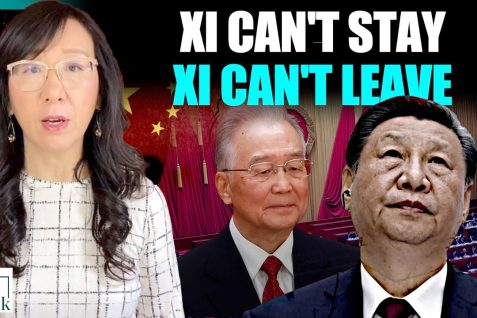
Xi Jinping can’t stay—but he may not be able to leave. Behind Zhongnanhai’s image of unity, a three-way power struggle is reportedly paralyzing the Chinese Communist Party. Xi’s allies, conservative Party …
Xi Jinping can’t stay—but he may not be able to leave. Behind Zhongnanhai’s image of unity, a three-way power struggle is reportedly paralyzing the Chinese Communist Party. Xi’s allies, conservative Party elders, and reformist opponents all want different outcomes—and none can agree on how Xi should be removed, judged, or protected. Should he be allowed to retire quietly? Blamed only for breaking succession rules? Or investigated for the darkest controversies of his rule? From the secretive Beidaihe meetings to the historical precedents of Mao Zedong, Hua Guofeng, and Zhao Ziyang, this program examines why the CCP is trapped with Xi Jinping—and why any attempt to resolve his fate could tear the regime apart.
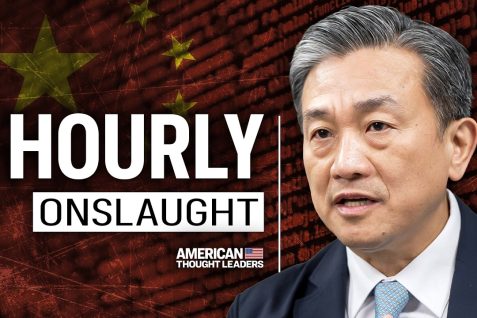
Taiwan undergoes millions of cyberattacks and intrusion attempts every day as well as a dizzying onslaught of disinformation from Beijing. There are few people who understand what Taiwan is really up …
Taiwan undergoes millions of cyberattacks and intrusion attempts every day as well as a dizzying onslaught of disinformation from Beijing. There are few people who understand what Taiwan is really up against better than Taiwanese legislator Wang Ting-yu, a leader in the Taiwanese Parliament’s Foreign Affairs and National Defense Committee. He’s been sanctioned three times by Beijing and repeatedly threatened for speaking out. In this episode, he reveals Taiwan’s three-step strategy to withstand the Chinese Communist Party’s psychological onslaught. Winning the battle for truth, he believes, is imperative to preserve the life of any democratic nation. And he also breaks down the importance of this tiny island nation. Taiwan produces two-thirds of the world’s semiconductors—and nearly all of the advanced ones—but its importance stretches far beyond this single product. Wang details Taiwan’s strategic position, its role in critical supply chains, and its role as a frontier of human freedom. 00:00 Most Dangerous Threat from Beijing 08:16 Taiwan’s Fights Back 13:20 Sponsor: Immersed 15:00 Weaponize Information 19:22 Democracy Prevails 21:00 CCP Influence in Taiwan 25:25 China’s Military Buildup 29:13 The Importance of Taiwan 33:15 Special Defense Budget 36:08 Is Cozying Up to Beijing a Smart Move? 41:38 CCP Sanctions and Personal Risk
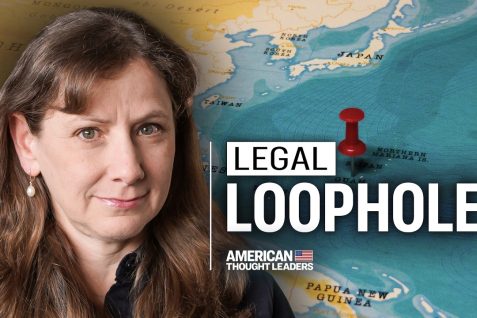
There’s one place in America where Chinese nationals can enter without a visa. It’s called the Commonwealth of the Northern Mariana Islands (CNMI), a U.S. territory in the Pacific, right by …
There’s one place in America where Chinese nationals can enter without a visa. It’s called the Commonwealth of the Northern Mariana Islands (CNMI), a U.S. territory in the Pacific, right by Guam. And it has become a major security loophole for Chinese Communist Party (CCP) influence operations as well as Chinese organized crime and birth tourism ventures, said Cleo Paskal, a senior fellow at the Compass Institute. Yet there has been little political will in Washington to close this loophole, Paskal argues. In this episode, Paskal breaks down the CCP’s aggressive influence and gray-zone warfare operations in this region—areas critical to U.S. defense in any Taiwan conflict—and why this matters for U.S. security. Every U.S. president who served in the Pacific theater in World War II understood that the security of the American mainland depends on a secure Pacific perimeter, Paskal said. As such, in addition to two U.S. territories in the region, the United States has maintained Compacts of Free Association with Palau, the Federated States of Micronesia, and the Marshall Islands since the end of World War II. These treaties give the U.S. military exclusive defense and strategic access to these countries in exchange for U.S. security guarantees and economic support. But the Chinese Communist Party has sought to aggressively expand its influence in these islands through pressure, gray zone warfare, and disinformation campaigns. Amid all this, U.S. funding for these compacts nearly lapsed in recent years, because many in Washington apparently have forgotten their importance. In this episode, Paskal walks me through a key question: if the security of America’s mainland has always depended on control of the central Pacific, what consequences will we pay now that so few Americans know these islands—or their citizens—even exist?
Do some mainland Chinese want Taiwan’s Republic of China to return and replace the Chinese Communist Party? Recent images of people openly wearing ROC flag shirts in China have sparked intense …
Do some mainland Chinese want Taiwan’s Republic of China to return and replace the Chinese Communist Party? Recent images of people openly wearing ROC flag shirts in China have sparked intense discussion online. At the same time, an alleged internal security document has drawn attention to a Taiwan-based National Restoration Party that claims to be organizing resistance inside the mainland. This program examines the party’s founder, its “Republic of China 2.0” vision, and a provocative question: could the Republic of China return to China—not through military conquest, but as a democratic alternative to CCP rule?
This video from Lei's Real Talk explores the provocative question of whether the Republic of China could ever return to mainland territory. The discussion is sparked by recent images showing individuals openly wearing ROC flag shirts within China, which has ignited intense online debate. Simultaneously, attention focuses on an alleged internal security document highlighting a Taiwan-based National Restoration Party that claims to be organizing resistance activities inside the mainland.
The program examines the founder of this party and its vision for what it terms "Republic of China 2.0." A central theme involves analyzing whether the ROC could re-emerge not through military conquest, but as a democratic alternative to current Communist Party rule. The content addresses recent public discourse regarding these political symbols and groups while noting that some mainland citizens may desire such a return. Viewers are presented with an examination of these claims without inventing specific facts or quotes beyond what is provided in the source material.
July 1 is the deadline for the renewal of the $2 trillion U.S.–Mexico–Canada Agreement (USMCA). But the United States has chosen not to renew it, triggering annual reviews between the three …
July 1 is the deadline for the renewal of the $2 trillion U.S.–Mexico–Canada Agreement (USMCA). But the United States has chosen not to renew it, triggering annual reviews between the three countries. What’s at the heart of the issue? America’s AI race with China is heating up. Why is the United States lifting export restrictions on some of its most advanced AI models? Ohio has canceled more than $20 million in tax incentives for a Chinese battery component company after it failed to deliver on its promises. July 1 marks the anniversary of the founding of the Chinese Communist Party (CCP). Outside China, it’s also observed by anti-communist Chinese communities as Global Quit the CCP Day. We take a look at how they’re marking the occasion. Beijing is stepping up its global clampdown with a new law that allows the communist regime to target people beyond China’s borders. 00:00 Intro 01:09 USMCA Review Begins as U.S. Presses to Counter China 02:29 USMCA First Review Begins With No Renewal in Sight 03:47 Chinese Battery Firm Loses $23M Ohio Incentives 06:23 Ohio Residents Concerned With Semcorp’s Operations 07:01 Report: CCP Harassment Rising Across U.S. 09:23 U.S. Lifts Anthropic Export Ban Amid AI Race With China 10:30 462 Million Chinese People Denounced CCP 11:05 End CCP Motorcade Rallies Across New York City 11:38Chinese New Yorkers Protest Before Chinese Consulate 11:58China’s Unity Law Expands Global Clampdown 13:22China Sends New Warship Into Pacific, Raising Concerns 14:30 Birthright Citizenship Fight Far From Over 15:16 Expert: 14th Amendment Blocks Birthright Changes 16:20 Expert: Congress Could Test Birthright Law 17:34 Philipp: Beijing Exploits U.S. Birthright Citizenship 18:49 Expert: Easier to Change Laws Than Constitution 🔵Tiffany Meier’s documentary Hollywood Takeover – how Beijing is rewriting the script in America’s film industry: hollywoodtakeover.com
This episode of China in Focus examines several developing issues between the United States and China as July 1 approaches. The segment begins by noting that while the deadline for renewing the USMCA has arrived, the U.S. decision not to automatically continue it triggers annual reviews among the three member nations. Simultaneously, America's competition regarding artificial intelligence intensifies, prompting questions about why Washington is lifting export restrictions on certain advanced AI models despite ongoing tensions.
Domestically in Ohio, a Chinese battery component company lost over twenty million dollars in tax incentives after failing to meet its commitments, raising concerns among local residents regarding the firm's operations. On the diplomatic front, Beijing has introduced new legislation allowing it to target individuals outside China's borders as part of an expanded global clampdown. The program also covers how anti-communist communities are observing July 1 as Global Quit the CCP Day with various rallies and protests in New York City. Additionally, experts discuss ongoing legal battles concerning birthright citizenship, suggesting that while changing federal laws is possible, altering constitutional provisions remains a significant hurdle for any legislative changes to this area of law.
For years, Xi Jinping looked untouchable. Then the CCP’s 105th anniversary celebration happened. Hu Jintao’s closest confidant suddenly reappeared. Xi Jinping’s closest allies quietly disappeared. A little-known diplomat appears to have …
For years, Xi Jinping looked untouchable. Then the CCP’s 105th anniversary celebration happened. Hu Jintao’s closest confidant suddenly reappeared. Xi Jinping’s closest allies quietly disappeared. A little-known diplomat appears to have been handed one of China’s most powerful security jobs. Even state media changed the way it portrayed Xi. Are these unrelated events—or signs that a quiet power shift is unfolding inside the Chinese Communist Party? Is Hu Jintao back? Let’s examine the clues one by one.
This video from Lei's Real Talk examines potential shifts within the Chinese Communist Party following its 105th anniversary celebration. The analysis suggests that events occurring during this period may indicate a quiet power transition rather than isolated occurrences. Observers note that Hu Jintao, a former leader and close confidant of Xi Jinping, has reappeared in public view after years of absence. Conversely, several allies closely associated with the current leadership have reportedly become less visible. Additionally, a diplomat previously considered little-known appears to have been appointed to a significant security role within the party structure. The video also points out changes in how state media portrays President Xi Jinping compared to previous years. These developments raise questions about whether they represent unrelated happenings or signs of a broader internal restructuring. The content invites viewers to consider if Hu Jintao has effectively returned to influence and what these clues collectively suggest about the future direction of the party. The discussion focuses on interpreting these specific signals without confirming definitive conclusions about leadership changes.
The Great Leap Forward (1958–1962) remains history’s deadliest man-made disaster, resulting in an estimated 45 million premature deaths. Driven by Mao Zedong’s obsessive pursuit to economically surpass the West, the Chinese …
The Great Leap Forward (1958–1962) remains history’s deadliest man-made disaster, resulting in an estimated 45 million premature deaths. Driven by Mao Zedong’s obsessive pursuit to economically surpass the West, the Chinese Communist Party implemented a lethal synergy of radical, unscientific policies. The regime coerced local officials into fabricating agricultural outputs, instituted the oppressive People’s Commune system, and orchestrated the violent “Anti-Grain Concealment Campaign” to seize all rural food. Simultaneously, millions of farmers were diverted to primitive backyard steel furnaces, leaving mature harvests to rot in the fields. While a draconian household registration (Hukou) system trapped starving peasants in their villages to prevent escape, the Party leadership in Beijing enjoyed extreme luxury and exported millions of tons of grain to secure foreign political prestige. Ultimately, this peacetime catastrophe demonstrates that unchecked totalitarian dictatorship is far more destructive than conventional warfare.
The Great Leap Forward, spanning from 1958 to 1962, stands as history's deadliest man-made disaster, with estimates placing premature deaths at around 45 million. This catastrophe was driven by Mao Zedong's intense desire to economically surpass Western nations, leading the Chinese Communist Party to enforce a combination of radical and unscientific policies. Local officials were pressured to fabricate agricultural output figures, while the oppressive People's Commune system and the violent Anti-Grain Concealment Campaign allowed the regime to seize nearly all rural food supplies.
Simultaneously, millions of farmers were redirected to operate primitive backyard steel furnaces, causing mature harvests to rot in the fields. A strict household registration system trapped starving peasants in their villages, preventing escape, while Party leadership in Beijing maintained extreme luxury and exported millions of tons of grain for foreign political prestige. This peacetime event illustrates that unchecked totalitarian dictatorship can be far more destructive than conventional warfare. The video explores these historical details through the lens of the Digging into China channel, offering context on this tragic period without inventing facts or conclusions beyond the supplied information.
President Donald Trump takes aim at communism, responding to New York’s congressional primaries. The House Select Committee on the Chinese Communist Party holds a hearing exposing China’s malign influence on American …
President Donald Trump takes aim at communism, responding to New York’s congressional primaries. The House Select Committee on the Chinese Communist Party holds a hearing exposing China’s malign influence on American soil. Beijing is adding another tool to its legal arsenal. A draft law would allow state prosecutors to bring public-interest lawsuits against foreign entities and individuals. Australia announces a $1.75 billion deal to export radar technology to Canada, as NATO allies ramp up efforts to safeguard the Arctic from the Chinese regime. Cheaper or better? The global AI race is heating up as lower-cost Chinese models challenge America’s push to lead the next generation of technology. 00:00 Intro 01:06 Trump Sounds Alarm on Communism 02:14 Trump Calls Progressive Candidates ‘Solid Communists’ 02:45 House Hearing Exposes CCP’s Malign Influence in US 05:08 China Adds Foreign Targets to Public Interest Lawsuits 06:14 FCC Toughens Submarine Communication Cable Rules 07:13 Small Plane Crashes Into Beijing’s Tallest Building 08:07 Australia Ships $1.75 Billion Tech to Canada for Arctic Defense 09:12 Gray: Keeping Greenland Safe Vital to US Security 10;53 Shen Yun Back in Toronto Despite Earlier Hoax Threats 13:37 Chinese Cyber Firm Claims Superior MythOS Rival 14:25 US–China AI Race: The Fight for Global Influence 15:57 Expert Backs Linux to Counter China Cyber Risks 16:12 Concerns Over Data Sharing in Global Tech Ecosystems
This video report from China in Focus examines a series of geopolitical developments involving the United States and China. President Donald Trump addresses concerns regarding communism, specifically targeting progressive candidates during New York congressional primaries. Concurrently, the House Select Committee on the Chinese Communist Party holds a hearing to reveal alleged malign influence within American institutions. Beijing is also expanding its legal capabilities by drafting laws that permit state prosecutors to initiate public-interest lawsuits against foreign entities and individuals. In defense matters, Australia finalizes a significant agreement to export radar technology to Canada, supporting NATO efforts to secure the Arctic region. Experts discuss the necessity of keeping Greenland safe for US security interests. The report covers technological competition as lower-cost Chinese artificial intelligence models challenge American leadership in the global race. Additionally, FCC regulations regarding submarine communication cables are tightened. Other segments include a plane crash near Beijing's tallest building and claims by a Chinese cyber firm about its operating system rivaling Western standards. Concerns over data sharing within the global tech ecosystem are also highlighted. The program concludes with notes on Shen Yun performing in Toronto despite previous hoax threats and recommendations for using Linux to mitigate cyber risks.
Is Washington’s attention shifting away from the Indo-Pacific? Japan’s prime minister says not at all, following talks with President Donald Trump at the G7 summit. After Iran, could North Korea be …
Is Washington’s attention shifting away from the Indo-Pacific? Japan’s prime minister says not at all, following talks with President Donald Trump at the G7 summit. After Iran, could North Korea be next? South Korea is urging Trump to help address one of the world’s toughest nuclear challenges. The G7 leaders say they oppose any actions that could disrupt peace around Taiwan, and Trump is pushing to speed up U.S. weapons manufacturing. The Senate unanimously passed a bill condemning Chinese Communist Party leader Xi Jinping. Missouri’s attorney general is suing Chinese security camera maker Lorex, a major seller of home security cameras and baby monitors in the United States. What’s the case really about? 00:00 Intro 1:24 Japan, U.S. Reaffirm Indo-Pacific Partnership at G7 3:20 S. Korea Asks Trump to Tackle N. Korea Nuclear Threat 4:28 S. Korea Narrows Civilian Restricted Zone Near Border 4:52 G7 Leaders Support Taiwan Strait Status Quo 5:25 Taiwan Detects 6 Chinese Naval Vessels Near Island 6:12 President Trump Invokes Act to Boost Weapons Supply 7:04 Senate Resolution Condemns CCP Leader Xi Jinping 9:13 Missouri AG Sues Baby Monitor Firm Over CCP Ties 11:03 Taiwan Protests Scholar Ban, Cites CCP Pressure 12:27 Taiwan on Standby for Possible Call From Trump 13:12 EU Says China Trained Russian Troops to Fight in Ukraine 14:40 G7 Summit Highlights China Concerns in France 15:04 G7 Unites on China Security, Economic Concerns 16:09 G7 Seeks Supply Chain Shift Away From China 17:26 G7 Pushes to Cut Reliance on Chinese Minerals 19:06 G7 Signals Security-First Approach on China Talks
This NTD report titled China in Focus examines recent developments involving the United States, Japan, and other G7 nations regarding their strategic partnership in the Indo-Pacific region. Following talks between President Donald Trump and Japanese Prime Minister Shigeru Ishiba at the G7 summit in France, both leaders reaffirmed their commitment to the alliance. The summit also addressed pressing security issues, including North Korea's nuclear program, with South Korea urging Washington to assist in resolving this challenge. Additionally, G7 leaders expressed opposition to actions that could destabilize peace around Taiwan, while President Trump advocated for accelerating U.S. weapons manufacturing.
The report highlights legislative and legal actions against China, noting the Senate's unanimous passage of a bill condemning Chinese Communist Party leader Xi Jinping. It also covers a lawsuit filed by Missouri's attorney general against Lorex, a manufacturer of home security cameras and baby monitors accused of ties to the CCP. Other segments discuss Taiwan detecting Chinese naval vessels near the island, EU allegations that China trained Russian troops for the Ukraine conflict, and G7 efforts to reduce reliance on Chinese minerals and shift supply chains away from Beijing. The coverage concludes with various diplomatic signals and protests related to these escalating tensions.
Newly released photos shed light on the Tiananmen Square massacre in Beijing decades later, as commemorations take place around the world. One witness recalls what he saw back then. Tang Kai, …
Newly released photos shed light on the Tiananmen Square massacre in Beijing decades later, as commemorations take place around the world. One witness recalls what he saw back then. Tang Kai, witness, 1989 Tiananmen massacre: “Many people were crushed [by tanks]. They had their brains, blood, and intestines scattered all over the ground—it was horrific. For many years afterward, I would have nightmares about that scene.” In the Oval Office on Wednesday, President Donald Trump discussed the perils of communism with NTD White House correspondent Iris Tao. Beijing still denies that the massacre occurred. Taiwan’s President Lai Ching-te is pressing Beijing to “acknowledge the truth” and confront its past. Grant Newsham, retired U.S. Marine colonel and former U.S. diplomat, comments on why Taiwan is a thorn in Beijing’s side: “[Taiwan] is a constant daily reminder that the Chinese Communist Party and its system have failed, that they are really just a bogus, all-bogus alternative for governing China and the Chinese people in it.” U.S. citizenship through surrogacy, then raised in China: New legislation aims to close the loophole amid national security concerns. 0:00 intro 1:27 Commemorating June 4: Tiananmen Square Massacre 4:09 Olympic Gold Medalist’s Family Linked to Tiananmen 4:31 Rubio: Censorship Can’t Erase the Past 5:23 President Trump Speaks With NTD Reporter on Communism 6:49 Taiwan a Reminder of China’s Failure: Expert 7:07 Tiananmen Massacre Remembered 37 Years On 9:15 Taiwan’s Democracy Contrasts With China’s System 11:49 China Ramps Up U.S. Purchases Amid Deep Rivalry Risks 12:54 Bessent: U.S. Will Monitor Trade Execution 13:09 China Begins Placing Orders for New Soybean Crop 14:42 Xi’s Warning: Potential for Conflict Remains High 16:03 New Bill Aims to Close Surrogacy Loopholes 17:23 China AI Predicts Future Political Dissidents: Researchers 18:23 Report: Chinese Firms Get Up to 8x More Subsidies
This video from China in Focus examines the enduring legacy of the 1989 Tiananmen Square events, noting that newly released photographs continue to shed light on the tragedy decades later. The program features a witness recalling horrific scenes where individuals were crushed by tanks, leaving blood and organs scattered across the ground. While Beijing continues to deny the massacre occurred, Taiwan's leadership urges China to acknowledge the truth and confront its past.
The broadcast includes a discussion with President Donald Trump regarding the dangers of communism, which he links to fatal outcomes. The report also highlights how Taiwan serves as a constant reminder that the Chinese Communist Party has failed in its governance model. Additional segments cover various geopolitical and social issues, including new legislation targeting surrogacy loopholes for U.S. citizenship, reports on Chinese firms receiving significant subsidies, and warnings from officials about potential conflict. The program contrasts Taiwan's democratic system with China's current structure while addressing ongoing trade rivalries and national security concerns involving artificial intelligence and political dissent prediction.
President Donald Trump’s eldest son says he wouldn’t consider investing in China and is warning others about the risks. An American journalist pleads guilty to acting as a foreign agent of …
President Donald Trump’s eldest son says he wouldn’t consider investing in China and is warning others about the risks. An American journalist pleads guilty to acting as a foreign agent of the Chinese Communist Party. Trump was asked whether he’s concerned China is funding the anti-data center movement in the United States. We unpack the controversy. The head of the Chinese Communist Party, Xi Jinping, will visit North Korea next week. What message does the trip send? A key Pacific island nation is moving closer to the West. The Solomon Islands’ new leader is seeking to reset relations with Australia and review a security pact with China. What does this mean for U.S.–China competition in the Pacific? Chinese and Taiwanese coast guards face off in the South China Sea as a Chinese vessel moves into Taiwan-controlled waters. 00:00 Intro 01:08 Trump Jr. Warns Investors to Avoid China 01:55 French Company Ousted After Partnership Dispute 02:52 American Journalist Pleads Guilty to Spying for China 04:02 China Eyes US Officials, Researchers, Journalists 04:44 Lawmakers Probe CCP Threat Inside America 05:37 Olympic Champion Alysa Liu’s Father Targeted by Spy 06:29 Activist Targeted by Beijing After Testifying to Congress 06:52 Lawmakers Probe China Role in Fentanyl Crisis 08:28 Trump Asked If China Is Behind Anti-Data Center Movement 09:01 Lawmakers: China May Be Fueling Data Center Opposition 10:47 Anthropic’s Warning: AI Could Soon Build Itself 11:07 Xi Jinping to Visit North Korea on Monday 12:56 New Solomon Islands PM to Review Security Pact With China 15:01 Expert on Risks of Chinese Military Base in Pacific 16:11 Solomon Islands: We Will Review Pact With China 16:36 Solomon Islands’ Nuanced Relations With China, Australia 18:08 Taiwan, China Coast Guards Face Off in South China Sea 19:12 Japan to Start Talks on Exporting Destroyer to Indonesia 19:46 Panama Canal the Most Critical Choke Point: Maness 20:07 China’s Influence Receding Globally 22:20 Why Many Countries Are Rethinking China Ties
This episode of China in Focus features commentary from Donald Trump Jr., who advises against investing in China due to perceived risks, while also reporting on an American journalist who pleaded guilty to acting as a foreign agent for the Chinese Communist Party. The program explores allegations that China is targeting U.S. officials, researchers, and journalists, including specific cases involving Olympic champion Alysa Liu's father and an activist who testified before Congress. Additionally, lawmakers are investigating China's potential role in the fentanyl crisis and its influence on opposition to data center development in the United States. The broadcast examines geopolitical shifts, noting that Chinese President Xi Jinping is scheduled to visit North Korea and that the Solomon Islands' new leader intends to review its security pact with China while seeking closer ties with Australia. Tensions are highlighted by recent confrontations between Chinese and Taiwanese coast guards in the South China Sea. The segment also touches on Japan's discussions regarding exporting a destroyer to Indonesia, the strategic importance of the Panama Canal, and broader questions about whether China's global influence is receding as nations reconsider their relationships with Beijing.
Gatestone Institute senior fellow Gordon Chang discusses concerns of China allegedly fueling anti-AI data center protests,reportedly using LinkedIn to recruit spies and their targeting of Olympic medalist Alysa Liu and her …
Gatestone Institute senior fellow Gordon Chang discusses concerns of China allegedly fueling anti-AI data center protests,reportedly using LinkedIn to recruit spies and their targeting of Olympic medalist Alysa Liu and her family on ‘Varney & Co.’ 00:00 – Trump on China and the US military 00:42 – China funding anti-AI data center protests 02:08 – How China uses LinkedIn for spy recruitment 03:03 – Why China targeted Olympic medalist Alyssa Liu 04:45 – The Vatican’s “bad deal” with the CCP 05:25 – The fight to release Jimmy Lai
Gordon Chang, a senior fellow at the Gatestone Institute, appears on Fox Business to discuss several alleged activities by China. The segment begins with remarks from Donald Trump regarding China and the US military before shifting to concerns about Beijing allegedly funding protests against artificial intelligence data centers. Chang also addresses reports that Chinese operatives use LinkedIn to recruit spies. A significant portion of the discussion focuses on the targeting of Olympic medalist Alysa Liu and her family, which was reportedly highlighted during a segment on Varney & Co. The conversation extends beyond these specific issues to include broader geopolitical tensions. Later in the program, the dialogue touches upon diplomatic relations involving the Vatican and its dealings with the Chinese Communist Party, described as unfavorable by some observers. Additionally, the episode covers ongoing efforts to secure the release of Jimmy Lai, a prominent figure in Hong Kong. Throughout the broadcast, Fox Business provides real-time financial news and analysis, maintaining its role as a leading source for business information across various platforms. The network continues to deliver top-rated programming during market hours, offering viewers insights into global economic impacts.
Two deadly explosions. Dozens dead. Hundreds injured. But in China, major disasters often trigger more than safety investigations. They can reshape political careers, derail rising officials, and alter the balance of …
Two deadly explosions. Dozens dead. Hundreds injured. But in China, major disasters often trigger more than safety investigations. They can reshape political careers, derail rising officials, and alter the balance of power inside the CCP. In this episode, we examine the Hunan fireworks factory explosion, the Shanxi coal mine disaster, the mystery surrounding the casualty figures, Xi Jinping’s unusually rapid response, and why some China observers believe these tragedies became part of a much larger political struggle ahead of the CCP’s next leadership transition.
This video from Lei's Real Talk explores how major disasters in China often trigger political consequences beyond standard safety investigations. The episode examines specific incidents, including a deadly fireworks factory explosion in Hunan and a coal mine disaster in Shanxi, where dozens lost their lives and hundreds were injured. Rather than focusing solely on the tragedies themselves, the analysis highlights how these events can reshape political careers and derail the advancement of rising officials within the Communist Party of China. The discussion also addresses the mystery surrounding casualty figures and notes President Xi Jinping's unusually rapid response to these incidents. Some observers suggest that these tragedies have become part of a larger political struggle occurring ahead of the party's next leadership transition, potentially altering the internal balance of power. The channel focuses on world economy, history, and politics with a main emphasis on U.S.-China relations, aiming to reveal hidden stories through short video formats. Viewers are invited to explore further content across the creator's various platforms and support the work through donations or online shop purchases.
After May 25th, Xi Jinping and his defense minister disappeared and suddenly reappeared. Meanwhile, Xi Jinping lost key loyalists one after another. The Politburo suddenly went silent in May. Senior officials …
After May 25th, Xi Jinping and his defense minister disappeared and suddenly reappeared. Meanwhile, Xi Jinping lost key loyalists one after another. The Politburo suddenly went silent in May. Senior officials disappearing from public view. And inside the military, new calls for transparency, collective leadership, and tighter oversight of senior commanders. We examine the latest signals emerging from Beijing, the PLA, and the Chinese political establishment. Is this simply another round of elite power struggles behind closed doors? Or are we witnessing the early stages of a much larger shift inside the Chinese Communist Party?
This video from Lei's Real Talk examines recent unusual developments within the Chinese political and military leadership following May 25th. The overview highlights reports that President Xi Jinping and his defense minister seemingly disappeared before suddenly reappearing, while key loyalists reportedly vanished one after another. During this period, the Politburo remained notably silent, and senior officials were absent from public view. Simultaneously, new directives emerged within the military calling for greater transparency, collective leadership, and stricter oversight of high-ranking commanders. The content explores whether these events represent routine elite power struggles occurring behind closed doors or indicate the beginning of a significant internal shift inside the Chinese Communist Party. The analysis focuses on signals emerging from Beijing, the People's Liberation Army, and the broader political establishment. Viewers are invited to consider the implications of these sudden changes in visibility and authority structure. The video also includes links to related content, such as a segment on a Chinese spy who influenced American counterintelligence agents, as well as promotional information for the channel's other platforms and support options.
Nvidia is doubling down on Taiwan, with plans to invest up to $150 billion a year for the new headquarters in Taipei. Meanwhile, Jensen Huang met with TSMC’s chairman to explore …
Nvidia is doubling down on Taiwan, with plans to invest up to $150 billion a year for the new headquarters in Taipei. Meanwhile, Jensen Huang met with TSMC’s chairman to explore expanding advanced packaging. A special gift for President Donald Trump: Taiwan’s president presents a tech memoir at a major U.S. celebration aimed at boosting ties. The United States is set to begin the process of lowering tariffs on $30 billion worth of Chinese goods. And what happens next with the 10 percent global tariffs when they expire this July? A new Chinese warship joins the Liaoning carrier group in the Western Pacific, as Japan closely tracks the formation operating near its waters. Lawmakers and experts are calling out foreign billionaires and Chinese Communist Party-linked networks for funding groups to oppose U.S. tech projects. Who’s really behind the protests? 00:00 Intro 1:30 Nvidia to Invest Up to $150 Billion a Year in Taiwan 3:08 Taiwan Leader Gifts Trump TSMC Memoir at AIT Gala 4:31 U.S. Seeks Comment on Chinese Goods Eligible for Tariff Cuts 8:19 USTR Speaks on USMCA Agreement, WTO 11:07 Trump Admin Pays $20 Billion to Importers 11:45 Trump: Primary Urgency Is Iran Can’t Have a Nuclear Weapon 16:06 Israel Kills Hamas Armed Wing Chief 17:10 Japan Tracks Chinese Frigate Deployment 18:27 Chinese Dissident Detained After Sea Escape to Korea 19:19 New Report: China Funding U.S. Tech Opposition
This segment from China in Focus on NTD examines significant developments in technology, trade, and geopolitics. Nvidia is reportedly planning to invest up to $150 billion annually for a new headquarters in Taipei, while also exploring expanded advanced packaging with TSMC following a meeting between Jensen Huang and the company's chairman. In diplomatic news, Taiwan's president presented a tech memoir to Donald Trump at a major U.S. celebration designed to strengthen bilateral ties. Trade policy updates include the United States beginning to lower tariffs on $30 billion worth of Chinese goods, with discussions ongoing regarding the expiration of global tariffs in July and comments from the USTR on USMCA and WTO matters. The administration also paid $20 billion to importers. Security situations are highlighted by a new Chinese warship joining the Liaoning carrier group near Japan, which is closely tracking the formation. Additionally, reports indicate that lawmakers and experts are investigating foreign billionaires and Chinese Communist Party-linked networks for funding groups opposing U.S. tech projects. The broadcast also covers other topics such as Iran's nuclear program, military actions in Israel and Gaza, and a detained Chinese dissident who escaped to Korea.
In May 2026, a massive fireworks factory explosion in Hunan and a deadly coal mine disaster in Shanxi triggered political shockwaves that reached all the way to Beijing. Rising provincial leaders …
In May 2026, a massive fireworks factory explosion in Hunan and a deadly coal mine disaster in Shanxi triggered political shockwaves that reached all the way to Beijing. Rising provincial leaders suddenly found their careers in jeopardy. Then came a series of unexpected developments: Defense Minister Dong Jun vanished from public view, senior official Xu Liuping was placed under investigation, and Peking University President Gong Qihuang was abruptly removed just days after appearing alongside Xi Jinping and Vladimir Putin. Were these merely unrelated events? Or are we witnessing a deeper power struggle ahead of the CCP’s 21st Party Congress? In this episode, we examine the disasters, the political fallout, and the remarkable sequence of events that has many China observers asking the same question: How many coincidences are too many coincidences?
In May 2026, two major industrial accidents occurred in China: a massive explosion at a fireworks factory in Hunan and a deadly coal mine disaster in Shanxi. These events reportedly triggered significant political repercussions that extended to the highest levels of leadership in Beijing. Following these incidents, several provincial leaders faced potential career jeopardy. Subsequently, a series of unexpected personnel changes emerged within the government and party structures. Defense Minister Dong Jun disappeared from public view, senior official Xu Liuping was placed under investigation, and Peking University President Gong Qihuang was abruptly removed shortly after appearing alongside national leadership figures.
The video explores whether these events were merely unrelated occurrences or signs of a deeper power struggle occurring ahead of the 21st Party Congress. The narrative examines the disasters themselves, the subsequent political fallout, and the sequence of high-profile removals that have led many observers to question the coincidence of these developments. The content focuses on analyzing how these incidents might be interconnected within the broader context of Chinese politics during this specific timeframe.
If 1984, Minority Report, Person of Interest, and Black Mirror had an orgy, you’d get China. Source: 🚨 I’M BEGGING YOU DON’T GO TO CHINA Summary This video from the channel …
This video from the channel China Uncensored explores a newly exposed surveillance platform within China, suggesting that the nation's advanced urban infrastructure conceals a more restrictive reality. The content focuses on claims regarding how the Chinese Communist Party allegedly monitors foreigners in real time. According to the description, this monitoring system reportedly tracks movements, relationships, daily routines, and personal data through an extensive network of cameras, mobile applications, and databases. The video is titled with a strong warning against visiting China, framing the surveillance capabilities as a significant concern for individuals planning travel or interaction within the country. The presentation aims to highlight these alleged tracking mechanisms without providing specific technical details on how the system operates beyond the general description of a vast network. Viewers are directed to external resources such as the channel's website and newsletter for further information, while social media links encourage continued engagement with the platform's updates. The overall tone emphasizes the potential risks associated with the described surveillance infrastructure, urging caution regarding personal data and freedom of movement in the region.
One week, two world leaders—U.S. President Donald Trump and Russian President Vladimir Putin—were both in Beijing on different days. Same stage, very different agendas. So who came out on top? Following …
One week, two world leaders—U.S. President Donald Trump and Russian President Vladimir Putin—were both in Beijing on different days. Same stage, very different agendas. So who came out on top? Following closely on the heels of Trump’s visit, Putin was in Beijing on Wednesday, securing some new China-Russia agreements and drawing reactions from U.S. allies across the Indo-Pacific. Taiwan President Lai Ching-te said he is open to speaking directly with Trump. Both Beijing and Taipei are now reacting as Washington weighs a major arms sale to the island. Two China hawks were nominated as ambassadors to key U.S. allies in the Indo-Pacific region. Both signaled a tougher approach toward the Chinese Communist Party. When it comes to the AI race, what is the scale of Chinese infrastructure supporting data centers? And what steps would be needed to unwind it? Rex Lee joins us. 00:00 Intro 01:12 First Trump, Then Putin: Who Came Out on Top? 05:48 Response to Possible Trump Call With Taiwan Leader 06:47 China Hawks Brat, Steel Testify for Ambassador Roles 09:52 Russia and Belarus Hold Major Nuclear Military Drills 11:51 U.S. Awarding $2 Billion to Computing Companies 12:57 Putin’s Visit After Trump: Power Rivalry Clashes in Beijing 13:37 China-Russia Boost Ties, Push ‘Multipolar’ Vision 14:11 No Major Breakthrough on Power of Siberia 2 Pipeline 14:35 First Island Chain Allies Respond to Trump’s China Visit 15:07 Scale of Chinese Infrastructure in U.S. Data Centers
This episode of China in Focus examines the contrasting diplomatic outcomes of recent visits by U.S. President Donald Trump and Russian President Vladimir Putin to Beijing. The program analyzes whether either leader achieved a decisive advantage following their separate appearances on the same stage with very different agendas. Following Trump's trip, Putin visited China to secure new agreements while drawing reactions from allies across the Indo-Pacific region. The discussion includes responses regarding potential direct communication between Washington and Taipei, as well as the impact of proposed major arms sales to Taiwan.
The report also covers the nomination of two U.S. hawks for ambassador roles in key Indo-Pacific nations, signaling a tougher stance toward Beijing. Additional segments explore Russia and Belarus's recent nuclear military drills and the status of the Power of Siberia 2 pipeline negotiations. The program addresses how first island chain allies are reacting to Trump's visit and discusses the scale of Chinese infrastructure supporting data centers within the United States. Experts join the conversation to outline necessary steps for unwinding such dependencies. The broadcast provides context on these geopolitical shifts without inventing specific conclusions or events beyond the supplied information.
Was the Trump–Xi summit really a “win-win” — or did one side walk away stronger? In this deep analysis, we break down the real winners and losers of Trump’s China visit: …
Was the Trump–Xi summit really a “win-win” — or did one side walk away stronger? In this deep analysis, we break down the real winners and losers of Trump’s China visit: Xi Jinping’s push for strategic stability, Trump’s controversial Taiwan remarks, the Iran nuclear issue, Jimmy Lai, rare earths, trade negotiations, and the CCP’s political messaging strategy. Did Beijing gain more from the optics while America gained only temporary stabilization? And what do Trump’s comments reveal about the future of U.S.–China relations, Taiwan security, and the global balance of power?
This video from Lei's Real Talk examines the outcomes of Donald Trump's visit to China, questioning whether the summit represented a mutual victory or if one party emerged significantly stronger. The analysis explores multiple dimensions of the engagement, including Xi Jinping's efforts to promote strategic stability and Trump's controversial statements regarding Taiwan. Key topics covered in the deep dive include the ongoing Iran nuclear negotiations, the detention case involving Jimmy Lai, restrictions on rare earth exports, and the specifics of trade talks. The content also addresses how the Chinese Communist Party utilized political messaging during this period. A central question posed is whether Beijing achieved lasting gains through favorable optics while the United States secured only temporary stabilization. Furthermore, the discussion considers what these interactions reveal about the future trajectory of U.S.-China relations, regional security concerns involving Taiwan, and the shifting global balance of power. The overview invites viewers to consider if the diplomatic encounter was truly a win-win scenario or if underlying tensions remained unresolved despite high-level meetings.
Just before Trump’s visit to China, he delivered a strong warning to Xi Jinping! On May 11, the U.S. Department of Justice made a major announcement revealing that the Mayor of …
Just before Trump’s visit to China, he delivered a strong warning to Xi Jinping! On May 11, the U.S. Department of Justice made a major announcement revealing that the Mayor of Arcadia, Eileen Wang, was an agent sent by Beijing. She formally signed a plea agreement, admitting to secretly carrying out tasks for the Chinese Communist Party (CCP). This case uncovers a glimpse into how the CCP quietly influences U.S. public opinion and local politics through its agents.
The video titled Trump Slaps Xi Hard as Chinese American Mayor Is Arrested as CCP Agent is produced by the China Observer channel and runs for approximately seventeen minutes. The content focuses on a significant development in U.S.-China relations involving the arrest of Eileen Wang, the mayor of Arcadia. According to the provided description, the U.S. Department of Justice announced her status as an agent sent by Beijing on May 11. She reportedly signed a plea agreement admitting to secretly performing tasks for the Chinese Communist Party. The narrative suggests this event occurred just before a visit by Donald Trump to China, during which he allegedly delivered a strong warning to Xi Jinping. The video aims to illustrate how the CCP influences American public opinion and local politics through such agents. No specific details regarding the nature of the tasks performed or the content of any warnings are included in the available source material. The description also contains standard channel promotion links for membership, donations, and business inquiries, which are not part of the core narrative overview.
What does a CCP soft coup actually look like? China has seen one before. After Mao Zedong’s death, Hua Guofeng briefly controlled the Party, the state, and the military — only …
What does a CCP soft coup actually look like? China has seen one before. After Mao Zedong’s death, Hua Guofeng briefly controlled the Party, the state, and the military — only to be quietly pushed aside by Deng Xiaoping in one of the most important power struggles in CCP history. In this video, we break down the three turning points that allowed Deng to slowly dismantle Mao’s chosen successor, how power inside Zhongnanhai really shifts, and why many Chinese observers believe this history suddenly matters again today.
This video from Lei's Looking Glass examines the historical concept of a soft coup within the Chinese Communist Party, focusing on the power transition following Mao Zedong's death. The narrative centers on Hua Guofeng, who briefly held control over the party, state, and military before being quietly displaced by Deng Xiaoping. This event is presented as one of the most significant power struggles in CCP history. The content outlines three specific turning points that enabled Deng to gradually dismantle the authority of Mao's chosen successor. It also explores how power dynamics shift within Zhongnanhai and discusses why many Chinese observers believe this historical episode holds renewed relevance today. The overview avoids making definitive claims about current events beyond what is suggested in the description, noting instead that viewers are invited to consider the implications of this history for contemporary understanding. The segment serves as an analytical look at internal party mechanisms without inventing specific details or quotes not provided in the source material.
Taiwan is raising its military budget to more than 3 percent of GDP, with officials already eyeing an even bigger jump in the years ahead. The move follows President Donald Trump’s …
Taiwan is raising its military budget to more than 3 percent of GDP, with officials already eyeing an even bigger jump in the years ahead. The move follows President Donald Trump’s call for stronger alliances and deterrence. Members of the free world are responding to Trump’s deterrence call. Across the Indo-Pacific, key allies and partners are boosting their defense budgets. We break it down. How close are we to a war over Taiwan? We spoke with an expert who explains why the West may need to prepare. The Philippines and Australia are joining forces in a new defense pact. The deal boosts military cooperation between the two key U.S. allies and counters growing threats from communist China. Trump speaks out on TikTok, addressing security risks and the future of the Chinese-owned app. Is a sale to American buyers possible? 00:00 Intro 01:10 Key U.S. Asia Defense Partners Favor Budget Rise 02:56 WH: Peace Through Strength Delivering Results 05:05 Paskal: West Should Prepare for China’s Taiwan Invasion 07:51 Nvidia CEO in Taiwan to Visit TSMC 10:14 U.S. Navy Sailor Convicted of Spying for China 10:53 Fed Chair Powell Opens Door to Interest Rate Cut 12:57 Rate Cut Not Guaranteed as Powell Flags Inflation Risks 14:16 Philippines & Australia to Seal New Defense Pact 16:38 Trump Addresses TikTok Safety Concerns, Potential Buyers 17:22 TikTok to Lay Off Hundreds of Staff in UK 18:40 Pandora to Close About 100 Stores in China 19:44 Microsoft Scales Back Chinese Access 20:24 SpaceX Launches Military Spaceplane X-37B 21:09 India Successfully Test-Fires Agni 5 Missile
This report from China in Focus examines the shifting defense landscape in the Indo-Pacific, highlighting a significant increase in military spending by Taiwan and other regional allies. Following President Donald Trump's emphasis on stronger alliances and deterrence, nations across the region are raising their defense budgets to counter growing security threats. The segment details how key partners like the Philippines and Australia are strengthening cooperation through new defense pacts aimed at addressing challenges posed by China.
The discussion also explores the potential for conflict over Taiwan, featuring expert analysis on why Western powers may need to prepare for such a scenario. Beyond regional security, the program covers various international developments including comments from Nvidia CEO regarding visits to TSMC in Taiwan and legal issues involving a U.S. Navy sailor convicted of spying. The broadcast further addresses economic factors, noting Federal Reserve Chair Powell's cautious stance on interest rate cuts amidst inflation risks. Additionally, the video reviews technology sector adjustments, such as TikTok addressing safety concerns and layoffs in the UK, while Pandora closes stores in China and Microsoft restricts access for Chinese entities. The episode concludes with updates on military space capabilities involving SpaceX and India's successful test of its Agni 5 missile.
For nearly six months, Xi Jinping barely left Beijing. Then suddenly, he reappeared in Shanghai — surrounded by an unusually massive political entourage. Officially, the trip was about science and innovation. …
For nearly six months, Xi Jinping barely left Beijing. Then suddenly, he reappeared in Shanghai — surrounded by an unusually massive political entourage. Officially, the trip was about science and innovation. But many Chinese observers believe it was something far more serious: a political emergency tied to growing internal tensions inside the CCP. From Xi’s tense appearance to the strange atmosphere of the visit, and the shocking sentencing of former defense ministers Li Shangfu and Wei Fenghe, this episode may reveal a leader who no longer feels fully secure.
This video from Lei's Real Talk examines the unusual circumstances surrounding President Xi Jinping's recent visit to Shanghai. After spending nearly six months primarily in Beijing, the leader suddenly reappeared in Shanghai accompanied by a notably large political entourage. While official reports stated the trip focused on science and innovation, many observers interpret the event as signaling a serious political emergency linked to rising internal tensions within the Communist Party of China. The episode highlights Xi's tense demeanor during the visit and the strange atmosphere that surrounded it. These developments are contextualized alongside the recent sentencing of former defense ministers Li Shangfu and Wei Fenghe. The channel suggests these factors may indicate a leader who no longer feels fully secure in his position. The content also references a separate discussion regarding a seventh-century prophecy believed to influence current geopolitical dynamics involving China. The video aims to reveal hidden stories behind major events, with a primary focus on U.S.-China relations and the broader world economy. Viewers are encouraged to explore related channels for further insights into these complex political narratives.
China’s economy is on its last lifeline. And the CCP will do anything—and I mean anything to protect it. Source: China’s Desperate Attempt To Save Its Economy Summary The video titled …
The video titled China's Desperate Attempt To Save Its Economy is produced by the channel China Uncensored and has a duration of 527 seconds. The public description asserts that the Chinese economy is currently on its last lifeline, suggesting that the Communist Party of China will take extreme measures to protect it. The content implies a level of desperation regarding economic stability that may lead to significant actions by the ruling party. Viewers are encouraged to support the channel through subscriptions and engagement with social media platforms including X, Facebook, Instagram, and Rumble. Additional resources such as a weekly newsletter and mobile applications are available for those seeking further information from the organization. The video aims to provide an overview of economic challenges facing China without detailing specific policies or events beyond the general claim of desperate measures. The description also includes calls to action for viewers to paste a specific emoji in comments and visit the official website for deeper content. All links provided direct users to external platforms where they can subscribe or access more materials related to the channel's mission.
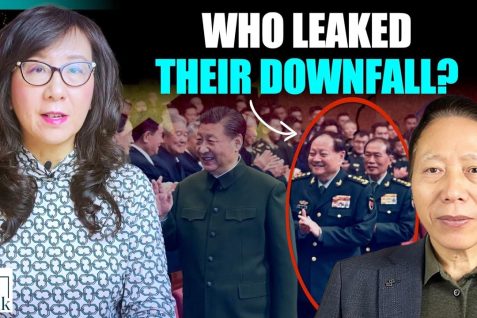
Who really leaks the downfall of China’s top generals? In this interview with insider commentator Mr. Cai Shenkun, we break down how CCP rumor networks work—and why PLA rumors often predict …
Who really leaks the downfall of China’s top generals? In this interview with insider commentator Mr. Cai Shenkun, we break down how CCP rumor networks work—and why PLA rumors often predict real purges. From former defense minister Li Shangfu to vice chairman of CMC Zhang Youxia, many high-level shakeups were preceded by “unofficial” information. How are these leaks sourced, how reliable are they, and what do they reveal about Xi Jinping’s control over the military? Stay for the live Q&A, where you can ask questions directly—with translation provided.
This video features an interview with commentator Cai Shenkun, exploring the mechanisms behind rumors within the Chinese Communist Party and their connection to military leadership changes. The discussion examines how unofficial information often precedes official announcements regarding the removal of high-ranking officials, citing examples such as former defense minister Li Shangfu and vice chairman Zhang Youxia. The analysis investigates the origins of these leaks and questions their reliability in predicting actual purges within the People's Liberation Army. A central theme involves what these patterns suggest about the nature of control exercised by Xi Jinping over the military structure. The segment includes a live question-and-answer portion where viewers can submit inquiries, with translation services provided to facilitate understanding. The content aims to shed light on the internal dynamics of rumor networks and their potential role in signaling shifts in power. Additional resources for the commentator are listed, including links to social media platforms and other related video channels. Support options for the creator are also mentioned through donation links and merchandise stores.