President Donald Trump takes aim at communism, responding to New York’s congressional primaries. The House Select Committee on the Chinese Communist Party holds a hearing exposing China’s malign influence on American …
President Donald Trump takes aim at communism, responding to New York’s congressional primaries. The House Select Committee on the Chinese Communist Party holds a hearing exposing China’s malign influence on American soil. Beijing is adding another tool to its legal arsenal. A draft law would allow state prosecutors to bring public-interest lawsuits against foreign entities and individuals. Australia announces a $1.75 billion deal to export radar technology to Canada, as NATO allies ramp up efforts to safeguard the Arctic from the Chinese regime. Cheaper or better? The global AI race is heating up as lower-cost Chinese models challenge America’s push to lead the next generation of technology. 00:00 Intro 01:06 Trump Sounds Alarm on Communism 02:14 Trump Calls Progressive Candidates ‘Solid Communists’ 02:45 House Hearing Exposes CCP’s Malign Influence in US 05:08 China Adds Foreign Targets to Public Interest Lawsuits 06:14 FCC Toughens Submarine Communication Cable Rules 07:13 Small Plane Crashes Into Beijing’s Tallest Building 08:07 Australia Ships $1.75 Billion Tech to Canada for Arctic Defense 09:12 Gray: Keeping Greenland Safe Vital to US Security 10;53 Shen Yun Back in Toronto Despite Earlier Hoax Threats 13:37 Chinese Cyber Firm Claims Superior MythOS Rival 14:25 US–China AI Race: The Fight for Global Influence 15:57 Expert Backs Linux to Counter China Cyber Risks 16:12 Concerns Over Data Sharing in Global Tech Ecosystems
This video report from China in Focus examines a series of geopolitical developments involving the United States and China. President Donald Trump addresses concerns regarding communism, specifically targeting progressive candidates during New York congressional primaries. Concurrently, the House Select Committee on the Chinese Communist Party holds a hearing to reveal alleged malign influence within American institutions. Beijing is also expanding its legal capabilities by drafting laws that permit state prosecutors to initiate public-interest lawsuits against foreign entities and individuals. In defense matters, Australia finalizes a significant agreement to export radar technology to Canada, supporting NATO efforts to secure the Arctic region. Experts discuss the necessity of keeping Greenland safe for US security interests. The report covers technological competition as lower-cost Chinese artificial intelligence models challenge American leadership in the global race. Additionally, FCC regulations regarding submarine communication cables are tightened. Other segments include a plane crash near Beijing's tallest building and claims by a Chinese cyber firm about its operating system rivaling Western standards. Concerns over data sharing within the global tech ecosystem are also highlighted. The program concludes with notes on Shen Yun performing in Toronto despite previous hoax threats and recommendations for using Linux to mitigate cyber risks.
Is Washington’s attention shifting away from the Indo-Pacific? Japan’s prime minister says not at all, following talks with President Donald Trump at the G7 summit. After Iran, could North Korea be …
Is Washington’s attention shifting away from the Indo-Pacific? Japan’s prime minister says not at all, following talks with President Donald Trump at the G7 summit. After Iran, could North Korea be next? South Korea is urging Trump to help address one of the world’s toughest nuclear challenges. The G7 leaders say they oppose any actions that could disrupt peace around Taiwan, and Trump is pushing to speed up U.S. weapons manufacturing. The Senate unanimously passed a bill condemning Chinese Communist Party leader Xi Jinping. Missouri’s attorney general is suing Chinese security camera maker Lorex, a major seller of home security cameras and baby monitors in the United States. What’s the case really about? 00:00 Intro 1:24 Japan, U.S. Reaffirm Indo-Pacific Partnership at G7 3:20 S. Korea Asks Trump to Tackle N. Korea Nuclear Threat 4:28 S. Korea Narrows Civilian Restricted Zone Near Border 4:52 G7 Leaders Support Taiwan Strait Status Quo 5:25 Taiwan Detects 6 Chinese Naval Vessels Near Island 6:12 President Trump Invokes Act to Boost Weapons Supply 7:04 Senate Resolution Condemns CCP Leader Xi Jinping 9:13 Missouri AG Sues Baby Monitor Firm Over CCP Ties 11:03 Taiwan Protests Scholar Ban, Cites CCP Pressure 12:27 Taiwan on Standby for Possible Call From Trump 13:12 EU Says China Trained Russian Troops to Fight in Ukraine 14:40 G7 Summit Highlights China Concerns in France 15:04 G7 Unites on China Security, Economic Concerns 16:09 G7 Seeks Supply Chain Shift Away From China 17:26 G7 Pushes to Cut Reliance on Chinese Minerals 19:06 G7 Signals Security-First Approach on China Talks
This NTD report titled China in Focus examines recent developments involving the United States, Japan, and other G7 nations regarding their strategic partnership in the Indo-Pacific region. Following talks between President Donald Trump and Japanese Prime Minister Shigeru Ishiba at the G7 summit in France, both leaders reaffirmed their commitment to the alliance. The summit also addressed pressing security issues, including North Korea's nuclear program, with South Korea urging Washington to assist in resolving this challenge. Additionally, G7 leaders expressed opposition to actions that could destabilize peace around Taiwan, while President Trump advocated for accelerating U.S. weapons manufacturing.
The report highlights legislative and legal actions against China, noting the Senate's unanimous passage of a bill condemning Chinese Communist Party leader Xi Jinping. It also covers a lawsuit filed by Missouri's attorney general against Lorex, a manufacturer of home security cameras and baby monitors accused of ties to the CCP. Other segments discuss Taiwan detecting Chinese naval vessels near the island, EU allegations that China trained Russian troops for the Ukraine conflict, and G7 efforts to reduce reliance on Chinese minerals and shift supply chains away from Beijing. The coverage concludes with various diplomatic signals and protests related to these escalating tensions.
Newly released photos shed light on the Tiananmen Square massacre in Beijing decades later, as commemorations take place around the world. One witness recalls what he saw back then. Tang Kai, …
Newly released photos shed light on the Tiananmen Square massacre in Beijing decades later, as commemorations take place around the world. One witness recalls what he saw back then. Tang Kai, witness, 1989 Tiananmen massacre: “Many people were crushed [by tanks]. They had their brains, blood, and intestines scattered all over the ground—it was horrific. For many years afterward, I would have nightmares about that scene.” In the Oval Office on Wednesday, President Donald Trump discussed the perils of communism with NTD White House correspondent Iris Tao. Beijing still denies that the massacre occurred. Taiwan’s President Lai Ching-te is pressing Beijing to “acknowledge the truth” and confront its past. Grant Newsham, retired U.S. Marine colonel and former U.S. diplomat, comments on why Taiwan is a thorn in Beijing’s side: “[Taiwan] is a constant daily reminder that the Chinese Communist Party and its system have failed, that they are really just a bogus, all-bogus alternative for governing China and the Chinese people in it.” U.S. citizenship through surrogacy, then raised in China: New legislation aims to close the loophole amid national security concerns. 0:00 intro 1:27 Commemorating June 4: Tiananmen Square Massacre 4:09 Olympic Gold Medalist’s Family Linked to Tiananmen 4:31 Rubio: Censorship Can’t Erase the Past 5:23 President Trump Speaks With NTD Reporter on Communism 6:49 Taiwan a Reminder of China’s Failure: Expert 7:07 Tiananmen Massacre Remembered 37 Years On 9:15 Taiwan’s Democracy Contrasts With China’s System 11:49 China Ramps Up U.S. Purchases Amid Deep Rivalry Risks 12:54 Bessent: U.S. Will Monitor Trade Execution 13:09 China Begins Placing Orders for New Soybean Crop 14:42 Xi’s Warning: Potential for Conflict Remains High 16:03 New Bill Aims to Close Surrogacy Loopholes 17:23 China AI Predicts Future Political Dissidents: Researchers 18:23 Report: Chinese Firms Get Up to 8x More Subsidies
This video from China in Focus examines the enduring legacy of the 1989 Tiananmen Square events, noting that newly released photographs continue to shed light on the tragedy decades later. The program features a witness recalling horrific scenes where individuals were crushed by tanks, leaving blood and organs scattered across the ground. While Beijing continues to deny the massacre occurred, Taiwan's leadership urges China to acknowledge the truth and confront its past.
The broadcast includes a discussion with President Donald Trump regarding the dangers of communism, which he links to fatal outcomes. The report also highlights how Taiwan serves as a constant reminder that the Chinese Communist Party has failed in its governance model. Additional segments cover various geopolitical and social issues, including new legislation targeting surrogacy loopholes for U.S. citizenship, reports on Chinese firms receiving significant subsidies, and warnings from officials about potential conflict. The program contrasts Taiwan's democratic system with China's current structure while addressing ongoing trade rivalries and national security concerns involving artificial intelligence and political dissent prediction.
President Donald Trump’s eldest son says he wouldn’t consider investing in China and is warning others about the risks. An American journalist pleads guilty to acting as a foreign agent of …
President Donald Trump’s eldest son says he wouldn’t consider investing in China and is warning others about the risks. An American journalist pleads guilty to acting as a foreign agent of the Chinese Communist Party. Trump was asked whether he’s concerned China is funding the anti-data center movement in the United States. We unpack the controversy. The head of the Chinese Communist Party, Xi Jinping, will visit North Korea next week. What message does the trip send? A key Pacific island nation is moving closer to the West. The Solomon Islands’ new leader is seeking to reset relations with Australia and review a security pact with China. What does this mean for U.S.–China competition in the Pacific? Chinese and Taiwanese coast guards face off in the South China Sea as a Chinese vessel moves into Taiwan-controlled waters. 00:00 Intro 01:08 Trump Jr. Warns Investors to Avoid China 01:55 French Company Ousted After Partnership Dispute 02:52 American Journalist Pleads Guilty to Spying for China 04:02 China Eyes US Officials, Researchers, Journalists 04:44 Lawmakers Probe CCP Threat Inside America 05:37 Olympic Champion Alysa Liu’s Father Targeted by Spy 06:29 Activist Targeted by Beijing After Testifying to Congress 06:52 Lawmakers Probe China Role in Fentanyl Crisis 08:28 Trump Asked If China Is Behind Anti-Data Center Movement 09:01 Lawmakers: China May Be Fueling Data Center Opposition 10:47 Anthropic’s Warning: AI Could Soon Build Itself 11:07 Xi Jinping to Visit North Korea on Monday 12:56 New Solomon Islands PM to Review Security Pact With China 15:01 Expert on Risks of Chinese Military Base in Pacific 16:11 Solomon Islands: We Will Review Pact With China 16:36 Solomon Islands’ Nuanced Relations With China, Australia 18:08 Taiwan, China Coast Guards Face Off in South China Sea 19:12 Japan to Start Talks on Exporting Destroyer to Indonesia 19:46 Panama Canal the Most Critical Choke Point: Maness 20:07 China’s Influence Receding Globally 22:20 Why Many Countries Are Rethinking China Ties
This episode of China in Focus features commentary from Donald Trump Jr., who advises against investing in China due to perceived risks, while also reporting on an American journalist who pleaded guilty to acting as a foreign agent for the Chinese Communist Party. The program explores allegations that China is targeting U.S. officials, researchers, and journalists, including specific cases involving Olympic champion Alysa Liu's father and an activist who testified before Congress. Additionally, lawmakers are investigating China's potential role in the fentanyl crisis and its influence on opposition to data center development in the United States. The broadcast examines geopolitical shifts, noting that Chinese President Xi Jinping is scheduled to visit North Korea and that the Solomon Islands' new leader intends to review its security pact with China while seeking closer ties with Australia. Tensions are highlighted by recent confrontations between Chinese and Taiwanese coast guards in the South China Sea. The segment also touches on Japan's discussions regarding exporting a destroyer to Indonesia, the strategic importance of the Panama Canal, and broader questions about whether China's global influence is receding as nations reconsider their relationships with Beijing.
Gatestone Institute senior fellow Gordon Chang discusses concerns of China allegedly fueling anti-AI data center protests,reportedly using LinkedIn to recruit spies and their targeting of Olympic medalist Alysa Liu and her …
Gatestone Institute senior fellow Gordon Chang discusses concerns of China allegedly fueling anti-AI data center protests,reportedly using LinkedIn to recruit spies and their targeting of Olympic medalist Alysa Liu and her family on ‘Varney & Co.’ 00:00 – Trump on China and the US military 00:42 – China funding anti-AI data center protests 02:08 – How China uses LinkedIn for spy recruitment 03:03 – Why China targeted Olympic medalist Alyssa Liu 04:45 – The Vatican’s “bad deal” with the CCP 05:25 – The fight to release Jimmy Lai
Gordon Chang, a senior fellow at the Gatestone Institute, appears on Fox Business to discuss several alleged activities by China. The segment begins with remarks from Donald Trump regarding China and the US military before shifting to concerns about Beijing allegedly funding protests against artificial intelligence data centers. Chang also addresses reports that Chinese operatives use LinkedIn to recruit spies. A significant portion of the discussion focuses on the targeting of Olympic medalist Alysa Liu and her family, which was reportedly highlighted during a segment on Varney & Co. The conversation extends beyond these specific issues to include broader geopolitical tensions. Later in the program, the dialogue touches upon diplomatic relations involving the Vatican and its dealings with the Chinese Communist Party, described as unfavorable by some observers. Additionally, the episode covers ongoing efforts to secure the release of Jimmy Lai, a prominent figure in Hong Kong. Throughout the broadcast, Fox Business provides real-time financial news and analysis, maintaining its role as a leading source for business information across various platforms. The network continues to deliver top-rated programming during market hours, offering viewers insights into global economic impacts.
Two deadly explosions. Dozens dead. Hundreds injured. But in China, major disasters often trigger more than safety investigations. They can reshape political careers, derail rising officials, and alter the balance of …
Two deadly explosions. Dozens dead. Hundreds injured. But in China, major disasters often trigger more than safety investigations. They can reshape political careers, derail rising officials, and alter the balance of power inside the CCP. In this episode, we examine the Hunan fireworks factory explosion, the Shanxi coal mine disaster, the mystery surrounding the casualty figures, Xi Jinping’s unusually rapid response, and why some China observers believe these tragedies became part of a much larger political struggle ahead of the CCP’s next leadership transition.
This video from Lei's Real Talk explores how major disasters in China often trigger political consequences beyond standard safety investigations. The episode examines specific incidents, including a deadly fireworks factory explosion in Hunan and a coal mine disaster in Shanxi, where dozens lost their lives and hundreds were injured. Rather than focusing solely on the tragedies themselves, the analysis highlights how these events can reshape political careers and derail the advancement of rising officials within the Communist Party of China. The discussion also addresses the mystery surrounding casualty figures and notes President Xi Jinping's unusually rapid response to these incidents. Some observers suggest that these tragedies have become part of a larger political struggle occurring ahead of the party's next leadership transition, potentially altering the internal balance of power. The channel focuses on world economy, history, and politics with a main emphasis on U.S.-China relations, aiming to reveal hidden stories through short video formats. Viewers are invited to explore further content across the creator's various platforms and support the work through donations or online shop purchases.
After May 25th, Xi Jinping and his defense minister disappeared and suddenly reappeared. Meanwhile, Xi Jinping lost key loyalists one after another. The Politburo suddenly went silent in May. Senior officials …
After May 25th, Xi Jinping and his defense minister disappeared and suddenly reappeared. Meanwhile, Xi Jinping lost key loyalists one after another. The Politburo suddenly went silent in May. Senior officials disappearing from public view. And inside the military, new calls for transparency, collective leadership, and tighter oversight of senior commanders. We examine the latest signals emerging from Beijing, the PLA, and the Chinese political establishment. Is this simply another round of elite power struggles behind closed doors? Or are we witnessing the early stages of a much larger shift inside the Chinese Communist Party?
This video from Lei's Real Talk examines recent unusual developments within the Chinese political and military leadership following May 25th. The overview highlights reports that President Xi Jinping and his defense minister seemingly disappeared before suddenly reappearing, while key loyalists reportedly vanished one after another. During this period, the Politburo remained notably silent, and senior officials were absent from public view. Simultaneously, new directives emerged within the military calling for greater transparency, collective leadership, and stricter oversight of high-ranking commanders. The content explores whether these events represent routine elite power struggles occurring behind closed doors or indicate the beginning of a significant internal shift inside the Chinese Communist Party. The analysis focuses on signals emerging from Beijing, the People's Liberation Army, and the broader political establishment. Viewers are invited to consider the implications of these sudden changes in visibility and authority structure. The video also includes links to related content, such as a segment on a Chinese spy who influenced American counterintelligence agents, as well as promotional information for the channel's other platforms and support options.
Nvidia is doubling down on Taiwan, with plans to invest up to $150 billion a year for the new headquarters in Taipei. Meanwhile, Jensen Huang met with TSMC’s chairman to explore …
Nvidia is doubling down on Taiwan, with plans to invest up to $150 billion a year for the new headquarters in Taipei. Meanwhile, Jensen Huang met with TSMC’s chairman to explore expanding advanced packaging. A special gift for President Donald Trump: Taiwan’s president presents a tech memoir at a major U.S. celebration aimed at boosting ties. The United States is set to begin the process of lowering tariffs on $30 billion worth of Chinese goods. And what happens next with the 10 percent global tariffs when they expire this July? A new Chinese warship joins the Liaoning carrier group in the Western Pacific, as Japan closely tracks the formation operating near its waters. Lawmakers and experts are calling out foreign billionaires and Chinese Communist Party-linked networks for funding groups to oppose U.S. tech projects. Who’s really behind the protests? 00:00 Intro 1:30 Nvidia to Invest Up to $150 Billion a Year in Taiwan 3:08 Taiwan Leader Gifts Trump TSMC Memoir at AIT Gala 4:31 U.S. Seeks Comment on Chinese Goods Eligible for Tariff Cuts 8:19 USTR Speaks on USMCA Agreement, WTO 11:07 Trump Admin Pays $20 Billion to Importers 11:45 Trump: Primary Urgency Is Iran Can’t Have a Nuclear Weapon 16:06 Israel Kills Hamas Armed Wing Chief 17:10 Japan Tracks Chinese Frigate Deployment 18:27 Chinese Dissident Detained After Sea Escape to Korea 19:19 New Report: China Funding U.S. Tech Opposition
This segment from China in Focus on NTD examines significant developments in technology, trade, and geopolitics. Nvidia is reportedly planning to invest up to $150 billion annually for a new headquarters in Taipei, while also exploring expanded advanced packaging with TSMC following a meeting between Jensen Huang and the company's chairman. In diplomatic news, Taiwan's president presented a tech memoir to Donald Trump at a major U.S. celebration designed to strengthen bilateral ties. Trade policy updates include the United States beginning to lower tariffs on $30 billion worth of Chinese goods, with discussions ongoing regarding the expiration of global tariffs in July and comments from the USTR on USMCA and WTO matters. The administration also paid $20 billion to importers. Security situations are highlighted by a new Chinese warship joining the Liaoning carrier group near Japan, which is closely tracking the formation. Additionally, reports indicate that lawmakers and experts are investigating foreign billionaires and Chinese Communist Party-linked networks for funding groups opposing U.S. tech projects. The broadcast also covers other topics such as Iran's nuclear program, military actions in Israel and Gaza, and a detained Chinese dissident who escaped to Korea.
In May 2026, a massive fireworks factory explosion in Hunan and a deadly coal mine disaster in Shanxi triggered political shockwaves that reached all the way to Beijing. Rising provincial leaders …
In May 2026, a massive fireworks factory explosion in Hunan and a deadly coal mine disaster in Shanxi triggered political shockwaves that reached all the way to Beijing. Rising provincial leaders suddenly found their careers in jeopardy. Then came a series of unexpected developments: Defense Minister Dong Jun vanished from public view, senior official Xu Liuping was placed under investigation, and Peking University President Gong Qihuang was abruptly removed just days after appearing alongside Xi Jinping and Vladimir Putin. Were these merely unrelated events? Or are we witnessing a deeper power struggle ahead of the CCP’s 21st Party Congress? In this episode, we examine the disasters, the political fallout, and the remarkable sequence of events that has many China observers asking the same question: How many coincidences are too many coincidences?
In May 2026, two major industrial accidents occurred in China: a massive explosion at a fireworks factory in Hunan and a deadly coal mine disaster in Shanxi. These events reportedly triggered significant political repercussions that extended to the highest levels of leadership in Beijing. Following these incidents, several provincial leaders faced potential career jeopardy. Subsequently, a series of unexpected personnel changes emerged within the government and party structures. Defense Minister Dong Jun disappeared from public view, senior official Xu Liuping was placed under investigation, and Peking University President Gong Qihuang was abruptly removed shortly after appearing alongside national leadership figures.
The video explores whether these events were merely unrelated occurrences or signs of a deeper power struggle occurring ahead of the 21st Party Congress. The narrative examines the disasters themselves, the subsequent political fallout, and the sequence of high-profile removals that have led many observers to question the coincidence of these developments. The content focuses on analyzing how these incidents might be interconnected within the broader context of Chinese politics during this specific timeframe.
If 1984, Minority Report, Person of Interest, and Black Mirror had an orgy, you’d get China. Source: 🚨 I’M BEGGING YOU DON’T GO TO CHINA Summary This video from the channel …
This video from the channel China Uncensored explores a newly exposed surveillance platform within China, suggesting that the nation's advanced urban infrastructure conceals a more restrictive reality. The content focuses on claims regarding how the Chinese Communist Party allegedly monitors foreigners in real time. According to the description, this monitoring system reportedly tracks movements, relationships, daily routines, and personal data through an extensive network of cameras, mobile applications, and databases. The video is titled with a strong warning against visiting China, framing the surveillance capabilities as a significant concern for individuals planning travel or interaction within the country. The presentation aims to highlight these alleged tracking mechanisms without providing specific technical details on how the system operates beyond the general description of a vast network. Viewers are directed to external resources such as the channel's website and newsletter for further information, while social media links encourage continued engagement with the platform's updates. The overall tone emphasizes the potential risks associated with the described surveillance infrastructure, urging caution regarding personal data and freedom of movement in the region.
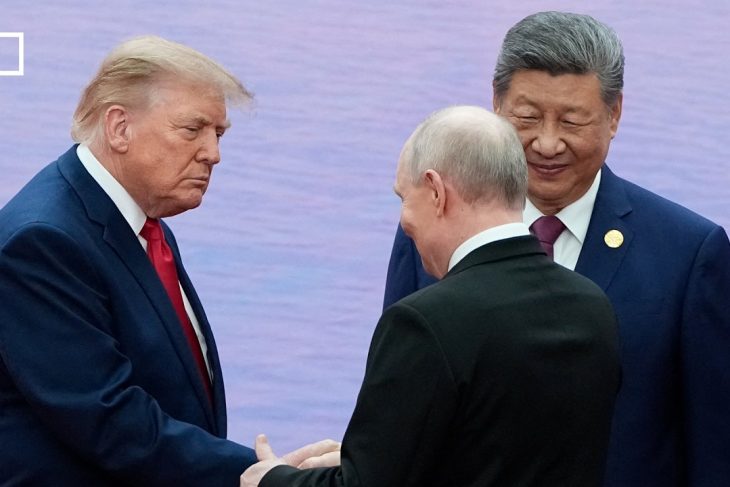
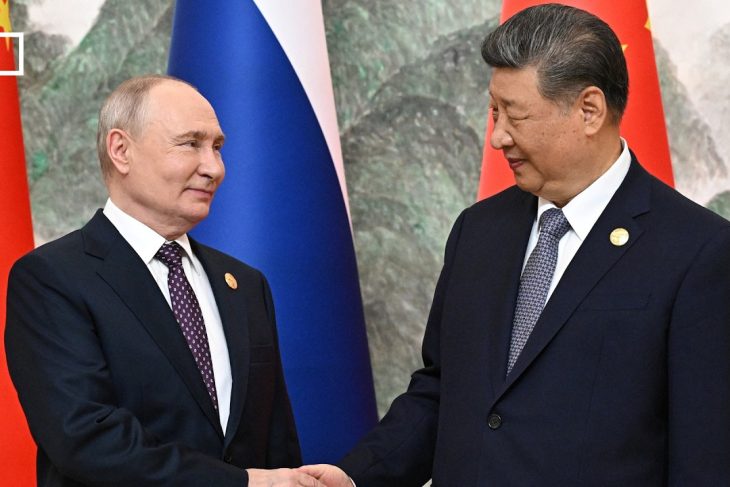
One week, two world leaders—U.S. President Donald Trump and Russian President Vladimir Putin—were both in Beijing on different days. Same stage, very different agendas. So who came out on top? Following …
One week, two world leaders—U.S. President Donald Trump and Russian President Vladimir Putin—were both in Beijing on different days. Same stage, very different agendas. So who came out on top? Following closely on the heels of Trump’s visit, Putin was in Beijing on Wednesday, securing some new China-Russia agreements and drawing reactions from U.S. allies across the Indo-Pacific. Taiwan President Lai Ching-te said he is open to speaking directly with Trump. Both Beijing and Taipei are now reacting as Washington weighs a major arms sale to the island. Two China hawks were nominated as ambassadors to key U.S. allies in the Indo-Pacific region. Both signaled a tougher approach toward the Chinese Communist Party. When it comes to the AI race, what is the scale of Chinese infrastructure supporting data centers? And what steps would be needed to unwind it? Rex Lee joins us. 00:00 Intro 01:12 First Trump, Then Putin: Who Came Out on Top? 05:48 Response to Possible Trump Call With Taiwan Leader 06:47 China Hawks Brat, Steel Testify for Ambassador Roles 09:52 Russia and Belarus Hold Major Nuclear Military Drills 11:51 U.S. Awarding $2 Billion to Computing Companies 12:57 Putin’s Visit After Trump: Power Rivalry Clashes in Beijing 13:37 China-Russia Boost Ties, Push ‘Multipolar’ Vision 14:11 No Major Breakthrough on Power of Siberia 2 Pipeline 14:35 First Island Chain Allies Respond to Trump’s China Visit 15:07 Scale of Chinese Infrastructure in U.S. Data Centers
This episode of China in Focus examines the contrasting diplomatic outcomes of recent visits by U.S. President Donald Trump and Russian President Vladimir Putin to Beijing. The program analyzes whether either leader achieved a decisive advantage following their separate appearances on the same stage with very different agendas. Following Trump's trip, Putin visited China to secure new agreements while drawing reactions from allies across the Indo-Pacific region. The discussion includes responses regarding potential direct communication between Washington and Taipei, as well as the impact of proposed major arms sales to Taiwan.
The report also covers the nomination of two U.S. hawks for ambassador roles in key Indo-Pacific nations, signaling a tougher stance toward Beijing. Additional segments explore Russia and Belarus's recent nuclear military drills and the status of the Power of Siberia 2 pipeline negotiations. The program addresses how first island chain allies are reacting to Trump's visit and discusses the scale of Chinese infrastructure supporting data centers within the United States. Experts join the conversation to outline necessary steps for unwinding such dependencies. The broadcast provides context on these geopolitical shifts without inventing specific conclusions or events beyond the supplied information.
Was the Trump–Xi summit really a “win-win” — or did one side walk away stronger? In this deep analysis, we break down the real winners and losers of Trump’s China visit: …
Was the Trump–Xi summit really a “win-win” — or did one side walk away stronger? In this deep analysis, we break down the real winners and losers of Trump’s China visit: Xi Jinping’s push for strategic stability, Trump’s controversial Taiwan remarks, the Iran nuclear issue, Jimmy Lai, rare earths, trade negotiations, and the CCP’s political messaging strategy. Did Beijing gain more from the optics while America gained only temporary stabilization? And what do Trump’s comments reveal about the future of U.S.–China relations, Taiwan security, and the global balance of power?
This video from Lei's Real Talk examines the outcomes of Donald Trump's visit to China, questioning whether the summit represented a mutual victory or if one party emerged significantly stronger. The analysis explores multiple dimensions of the engagement, including Xi Jinping's efforts to promote strategic stability and Trump's controversial statements regarding Taiwan. Key topics covered in the deep dive include the ongoing Iran nuclear negotiations, the detention case involving Jimmy Lai, restrictions on rare earth exports, and the specifics of trade talks. The content also addresses how the Chinese Communist Party utilized political messaging during this period. A central question posed is whether Beijing achieved lasting gains through favorable optics while the United States secured only temporary stabilization. Furthermore, the discussion considers what these interactions reveal about the future trajectory of U.S.-China relations, regional security concerns involving Taiwan, and the shifting global balance of power. The overview invites viewers to consider if the diplomatic encounter was truly a win-win scenario or if underlying tensions remained unresolved despite high-level meetings.
Just before Trump’s visit to China, he delivered a strong warning to Xi Jinping! On May 11, the U.S. Department of Justice made a major announcement revealing that the Mayor of …
Just before Trump’s visit to China, he delivered a strong warning to Xi Jinping! On May 11, the U.S. Department of Justice made a major announcement revealing that the Mayor of Arcadia, Eileen Wang, was an agent sent by Beijing. She formally signed a plea agreement, admitting to secretly carrying out tasks for the Chinese Communist Party (CCP). This case uncovers a glimpse into how the CCP quietly influences U.S. public opinion and local politics through its agents.
The video titled Trump Slaps Xi Hard as Chinese American Mayor Is Arrested as CCP Agent is produced by the China Observer channel and runs for approximately seventeen minutes. The content focuses on a significant development in U.S.-China relations involving the arrest of Eileen Wang, the mayor of Arcadia. According to the provided description, the U.S. Department of Justice announced her status as an agent sent by Beijing on May 11. She reportedly signed a plea agreement admitting to secretly performing tasks for the Chinese Communist Party. The narrative suggests this event occurred just before a visit by Donald Trump to China, during which he allegedly delivered a strong warning to Xi Jinping. The video aims to illustrate how the CCP influences American public opinion and local politics through such agents. No specific details regarding the nature of the tasks performed or the content of any warnings are included in the available source material. The description also contains standard channel promotion links for membership, donations, and business inquiries, which are not part of the core narrative overview.
What does a CCP soft coup actually look like? China has seen one before. After Mao Zedong’s death, Hua Guofeng briefly controlled the Party, the state, and the military — only …
What does a CCP soft coup actually look like? China has seen one before. After Mao Zedong’s death, Hua Guofeng briefly controlled the Party, the state, and the military — only to be quietly pushed aside by Deng Xiaoping in one of the most important power struggles in CCP history. In this video, we break down the three turning points that allowed Deng to slowly dismantle Mao’s chosen successor, how power inside Zhongnanhai really shifts, and why many Chinese observers believe this history suddenly matters again today.
This video from Lei's Looking Glass examines the historical concept of a soft coup within the Chinese Communist Party, focusing on the power transition following Mao Zedong's death. The narrative centers on Hua Guofeng, who briefly held control over the party, state, and military before being quietly displaced by Deng Xiaoping. This event is presented as one of the most significant power struggles in CCP history. The content outlines three specific turning points that enabled Deng to gradually dismantle the authority of Mao's chosen successor. It also explores how power dynamics shift within Zhongnanhai and discusses why many Chinese observers believe this historical episode holds renewed relevance today. The overview avoids making definitive claims about current events beyond what is suggested in the description, noting instead that viewers are invited to consider the implications of this history for contemporary understanding. The segment serves as an analytical look at internal party mechanisms without inventing specific details or quotes not provided in the source material.
Taiwan is raising its military budget to more than 3 percent of GDP, with officials already eyeing an even bigger jump in the years ahead. The move follows President Donald Trump’s …
Taiwan is raising its military budget to more than 3 percent of GDP, with officials already eyeing an even bigger jump in the years ahead. The move follows President Donald Trump’s call for stronger alliances and deterrence. Members of the free world are responding to Trump’s deterrence call. Across the Indo-Pacific, key allies and partners are boosting their defense budgets. We break it down. How close are we to a war over Taiwan? We spoke with an expert who explains why the West may need to prepare. The Philippines and Australia are joining forces in a new defense pact. The deal boosts military cooperation between the two key U.S. allies and counters growing threats from communist China. Trump speaks out on TikTok, addressing security risks and the future of the Chinese-owned app. Is a sale to American buyers possible? 00:00 Intro 01:10 Key U.S. Asia Defense Partners Favor Budget Rise 02:56 WH: Peace Through Strength Delivering Results 05:05 Paskal: West Should Prepare for China’s Taiwan Invasion 07:51 Nvidia CEO in Taiwan to Visit TSMC 10:14 U.S. Navy Sailor Convicted of Spying for China 10:53 Fed Chair Powell Opens Door to Interest Rate Cut 12:57 Rate Cut Not Guaranteed as Powell Flags Inflation Risks 14:16 Philippines & Australia to Seal New Defense Pact 16:38 Trump Addresses TikTok Safety Concerns, Potential Buyers 17:22 TikTok to Lay Off Hundreds of Staff in UK 18:40 Pandora to Close About 100 Stores in China 19:44 Microsoft Scales Back Chinese Access 20:24 SpaceX Launches Military Spaceplane X-37B 21:09 India Successfully Test-Fires Agni 5 Missile
This report from China in Focus examines the shifting defense landscape in the Indo-Pacific, highlighting a significant increase in military spending by Taiwan and other regional allies. Following President Donald Trump's emphasis on stronger alliances and deterrence, nations across the region are raising their defense budgets to counter growing security threats. The segment details how key partners like the Philippines and Australia are strengthening cooperation through new defense pacts aimed at addressing challenges posed by China.
The discussion also explores the potential for conflict over Taiwan, featuring expert analysis on why Western powers may need to prepare for such a scenario. Beyond regional security, the program covers various international developments including comments from Nvidia CEO regarding visits to TSMC in Taiwan and legal issues involving a U.S. Navy sailor convicted of spying. The broadcast further addresses economic factors, noting Federal Reserve Chair Powell's cautious stance on interest rate cuts amidst inflation risks. Additionally, the video reviews technology sector adjustments, such as TikTok addressing safety concerns and layoffs in the UK, while Pandora closes stores in China and Microsoft restricts access for Chinese entities. The episode concludes with updates on military space capabilities involving SpaceX and India's successful test of its Agni 5 missile.
For nearly six months, Xi Jinping barely left Beijing. Then suddenly, he reappeared in Shanghai — surrounded by an unusually massive political entourage. Officially, the trip was about science and innovation. …
For nearly six months, Xi Jinping barely left Beijing. Then suddenly, he reappeared in Shanghai — surrounded by an unusually massive political entourage. Officially, the trip was about science and innovation. But many Chinese observers believe it was something far more serious: a political emergency tied to growing internal tensions inside the CCP. From Xi’s tense appearance to the strange atmosphere of the visit, and the shocking sentencing of former defense ministers Li Shangfu and Wei Fenghe, this episode may reveal a leader who no longer feels fully secure.
This video from Lei's Real Talk examines the unusual circumstances surrounding President Xi Jinping's recent visit to Shanghai. After spending nearly six months primarily in Beijing, the leader suddenly reappeared in Shanghai accompanied by a notably large political entourage. While official reports stated the trip focused on science and innovation, many observers interpret the event as signaling a serious political emergency linked to rising internal tensions within the Communist Party of China. The episode highlights Xi's tense demeanor during the visit and the strange atmosphere that surrounded it. These developments are contextualized alongside the recent sentencing of former defense ministers Li Shangfu and Wei Fenghe. The channel suggests these factors may indicate a leader who no longer feels fully secure in his position. The content also references a separate discussion regarding a seventh-century prophecy believed to influence current geopolitical dynamics involving China. The video aims to reveal hidden stories behind major events, with a primary focus on U.S.-China relations and the broader world economy. Viewers are encouraged to explore related channels for further insights into these complex political narratives.
China’s economy is on its last lifeline. And the CCP will do anything—and I mean anything to protect it. Source: China’s Desperate Attempt To Save Its Economy Summary The video titled …
The video titled China's Desperate Attempt To Save Its Economy is produced by the channel China Uncensored and has a duration of 527 seconds. The public description asserts that the Chinese economy is currently on its last lifeline, suggesting that the Communist Party of China will take extreme measures to protect it. The content implies a level of desperation regarding economic stability that may lead to significant actions by the ruling party. Viewers are encouraged to support the channel through subscriptions and engagement with social media platforms including X, Facebook, Instagram, and Rumble. Additional resources such as a weekly newsletter and mobile applications are available for those seeking further information from the organization. The video aims to provide an overview of economic challenges facing China without detailing specific policies or events beyond the general claim of desperate measures. The description also includes calls to action for viewers to paste a specific emoji in comments and visit the official website for deeper content. All links provided direct users to external platforms where they can subscribe or access more materials related to the channel's mission.
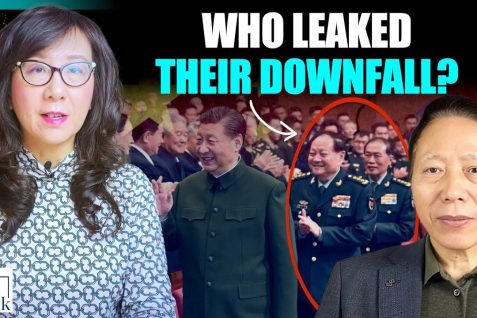
Who really leaks the downfall of China’s top generals? In this interview with insider commentator Mr. Cai Shenkun, we break down how CCP rumor networks work—and why PLA rumors often predict …
Who really leaks the downfall of China’s top generals? In this interview with insider commentator Mr. Cai Shenkun, we break down how CCP rumor networks work—and why PLA rumors often predict real purges. From former defense minister Li Shangfu to vice chairman of CMC Zhang Youxia, many high-level shakeups were preceded by “unofficial” information. How are these leaks sourced, how reliable are they, and what do they reveal about Xi Jinping’s control over the military? Stay for the live Q&A, where you can ask questions directly—with translation provided.
This video features an interview with commentator Cai Shenkun, exploring the mechanisms behind rumors within the Chinese Communist Party and their connection to military leadership changes. The discussion examines how unofficial information often precedes official announcements regarding the removal of high-ranking officials, citing examples such as former defense minister Li Shangfu and vice chairman Zhang Youxia. The analysis investigates the origins of these leaks and questions their reliability in predicting actual purges within the People's Liberation Army. A central theme involves what these patterns suggest about the nature of control exercised by Xi Jinping over the military structure. The segment includes a live question-and-answer portion where viewers can submit inquiries, with translation services provided to facilitate understanding. The content aims to shed light on the internal dynamics of rumor networks and their potential role in signaling shifts in power. Additional resources for the commentator are listed, including links to social media platforms and other related video channels. Support options for the creator are also mentioned through donation links and merchandise stores.
China’s economy is on its last lifeline. And the CCP will do anything—and I mean anything to protect it. Source: China’s Desperate Attempt To Save Its Economy Summary The video titled …
The video titled China's Desperate Attempt To Save Its Economy is produced by the channel China Uncensored and has a duration of 527 seconds. The public description asserts that the Chinese economy is currently on its last lifeline, suggesting that the Communist Party of China will take extreme measures to protect it. The content implies a level of desperation regarding economic stability that may lead to significant actions by the ruling party. Viewers are encouraged to support the channel through subscriptions and engagement with social media platforms including X, Facebook, Instagram, and Rumble. Additional resources such as a weekly newsletter and mobile applications are available for those seeking further information from the organization. The video aims to provide an overview of economic challenges facing China without detailing specific policies or events beyond the general claim of desperate measures. The description also includes calls to action for viewers to paste a specific emoji in comments and visit the official website for deeper content. All links provided direct users to external platforms where they can subscribe or access more materials related to the channel's mission.
“Submitting your passport” is a management measure that has gradually tightened within the Chinese Communist Party’s system in recent years. The logic behind it is that personnel in key positions, like …
“Submitting your passport” is a management measure that has gradually tightened within the Chinese Communist Party’s system in recent years. The logic behind it is that personnel in key positions, like civil servants, teachers, doctors, bank and state-owned enterprise employees, and military personnel, are seen as ‘critical roles.’ The official reason is to avoid capital outflows or political risks.
The video titled China Shuts Itself Off, Suddenly Seizes Passports on a Massive Scale, Reverts to Mao Era! is presented by the channel China Observer. The content focuses on management measures within the Chinese Communist Party system that have tightened in recent years regarding passport submission. These requirements specifically target personnel in key positions such as civil servants, teachers, doctors, employees of banks and state-owned enterprises, and military personnel. The video describes these individuals as occupying critical roles within the system. Officially, the rationale provided for these restrictions is to prevent capital outflows or mitigate political risks. The title suggests a sudden and large-scale implementation of these measures, drawing comparisons to practices from the Mao era. The description notes that this tightening of passport controls represents a gradual process rather than an immediate event. The channel provides links for viewers to join for perks and offers support options through donorbox and business contact information. The overall presentation frames these administrative actions as significant developments within current Chinese governance structures without inventing specific events or quotes beyond the provided text.
Washington announces a win in its latest tit-for-tat cyber battle with Beijing. The FBI says it countered a massive Beijing-backed hacking network. Key U.S. infrastructure, organizations, and U.S. allies were among …
Washington announces a win in its latest tit-for-tat cyber battle with Beijing. The FBI says it countered a massive Beijing-backed hacking network. Key U.S. infrastructure, organizations, and U.S. allies were among its targets. And efforts are underway to counter the Chinese Communist Party’s unfair business practices, such as large state subsidies and slave labor. A panel on Capitol Hill analyzes what could happen if they continue. A Japanese boy dies hours after a violent attack by a man in China on Wednesday. Senior Japanese officials are urging Beijing to provide an explanation. And, a firsthand account from a young man tortured in a Chinese mental hospital. He says he was held there after he exposed a massacre conducted by the Chinese Communist Party. 00:00 Intro 01:16 FBI Disrupted Major China Hacking Plan in the U.S. 03:51 Panel: Countering CCP’s Unfair Market Practices 05:58 Expert on Risk of TikTok Shaping American Opinion 10:15 Japanese Boy Dies After Being Stabbed in China 11:43 Deadly Attack Mirrored by Rising Maritime Conflicts 13:24 Taiwan Warns Against Rumors Over Pager Explosions 14:27 2 European Firms Potentially Linked to Pager Explosion 14:56 Escapee Exposes Brutal Chinese Mental Hospital 18:05 Top Global Food Buyer China Reduces Its Demand 19:27 Why Is GM’s $5,000 EV Available Only in China?
This episode of China in Focus reports that the FBI announced a significant disruption of a major hacking plan originating from China within the United States. Authorities state that this Beijing-backed network targeted key U.S. infrastructure, various organizations, and allied nations. The broadcast also covers a Capitol Hill panel discussion regarding strategies to counter alleged unfair business practices by the Chinese Communist Party, including claims of large state subsidies and forced labor issues.
Additional segments address international incidents, noting the death of a Japanese boy following a stabbing attack in China, which has prompted senior officials to demand an explanation from Beijing. The program features a firsthand account from an individual who escaped a Chinese mental hospital after exposing alleged massacres conducted by the party. Other topics include expert analysis on the risks associated with TikTok influencing American public opinion, warnings from Taiwan concerning rumors about pager explosions, and reports linking two European firms to those incidents. The episode concludes with discussions on China reducing its demand for global food supplies and questions regarding why General Motors offers a specific electric vehicle model exclusively in the Chinese market.
On March 31, 2026, a U.S. federal court delivered a major blow to the Chinese Communist Party. In a landmark ruling, Judge Jon Tigar upheld Li Nanyang’s donation of her father …
On March 31, 2026, a U.S. federal court delivered a major blow to the Chinese Communist Party. In a landmark ruling, Judge Jon Tigar upheld Li Nanyang’s donation of her father Li Rui’s diaries to Stanford’s Hoover Institution, rejecting Beijing’s efforts to seize them. Spanning 83 years and roughly 10 million words, the diaries of Mao’s former secretary contain explosive firsthand accounts of the Lushan Conference, the 1989 Tiananmen crackdown, and candid observations about Xi Jinping. Fearing the truth inside these 40 boxes, the CCP waged a seven-year legal battle across two countries — using consulates, courts, and even family members. The court victory ensures these rare historical records remain open to the public in America. This case reveals how far Beijing will go to control its past — and how one daughter’s determination protected a lifetime of hidden truths.
On March 31, 2026, a U.S. federal court issued a significant ruling against the Chinese Communist Party regarding a collection of historical documents. Judge Jon Tigar supported the donation of Li Nanyang's father, Li Rui, to Stanford University's Hoover Institution, effectively rejecting Beijing's attempts to reclaim the materials. The diaries span 83 years and contain approximately 10 million words, offering firsthand accounts from Mao Zedong's former secretary. These records include sensitive details about the Lushan Conference, events surrounding 1989, and observations regarding Xi Jinping.
The Chinese government engaged in a seven-year legal struggle across two nations to seize the forty boxes of documents, utilizing consulates, courts, and family members in their efforts. Despite these extensive measures, the court decision ensures that these rare historical records remain accessible to the public within the United States. This case highlights the extent to which Beijing has sought to control its own past while demonstrating how one individual's determination helped preserve a lifetime of hidden truths. The video provides context on this landmark legal battle and its implications for understanding modern Chinese history through publicly available information.
The Trump administration is condemning the Chinese Communist Party (CCP) for a spike in detaining Panama-flagged ships at Chinese ports. Secretary of State Marco Rubio calls it economic bullying, suggesting the …
The Trump administration is condemning the Chinese Communist Party (CCP) for a spike in detaining Panama-flagged ships at Chinese ports. Secretary of State Marco Rubio calls it economic bullying, suggesting the CCP is retaliating against Panama for removing Chinese control of ports at the Panama Canal. —
This fourteen-minute and fifty-five-second report from NTD News addresses a diplomatic dispute involving the Chinese Communist Party and Panama. The segment highlights that the Trump administration has issued condemnation regarding a significant increase in the detention of vessels flying the Panamanian flag within Chinese ports. Secretary of State Marco Rubio is featured as characterizing these actions as economic bullying. According to the public description, Rubio suggests that China is retaliating against Panama specifically for its decision to remove Chinese control over certain ports located at the Panama Canal. The video serves to inform viewers about this escalating tension between the two nations, framing the detentions as a punitive measure linked to infrastructure sovereignty issues. NTD provides coverage of these international developments through their 24/7 news channel and streaming platforms, encouraging viewers to follow their updates on breaking news and special reports. The report aims to keep audiences informed about how such geopolitical maneuvers impact global trade routes and bilateral relations without inventing specific details beyond the provided summary.
Communist China’s purge has cut deep into the heart of its power structure, targeting key members of the politburo—the committee that makes the top decisions in the country. Beijing announced on …
Communist China’s purge has cut deep into the heart of its power structure, targeting key members of the politburo—the committee that makes the top decisions in the country. Beijing announced on Friday that Ma Xing-Rui, the former party head of Xinjiang, is now under investigation for ‘severe violations’ of laws and party discipline, which usually means corruption. That makes him the third politburo member targeted in the past six months. Who is Ma, and why do analysts say his purge sets a precedent for shakeups within China’s defense industry?
Communist China has intensified its internal crackdown, extending the purge to high-ranking officials within its power structure. The Politburo, responsible for making top national decisions, is now facing scrutiny as Beijing announced on Friday that Ma Xing-Rui, the former party head of Xinjiang, is under investigation. Authorities cite severe violations of laws and party discipline, a phrase typically indicating corruption. This development marks Ma as the third member of the Politburo to be targeted in just six months. The video explores the background of Ma Xing-Rui and analyzes why his removal could set a significant precedent for future shakeups within China's defense industry. Analysts suggest that these actions reflect deepening internal conflicts or a broader effort to consolidate power at the highest levels of the regime. As investigations continue, the implications for stability within the party and its military sectors remain a subject of intense observation. Viewers are directed to NTD News for ongoing coverage of this developing story, which highlights the shifting dynamics inside one of the world's most influential governments. The report underscores how such purges can reshape leadership hierarchies and potentially alter policy directions across various sectors of Chinese society.
Those anti-American protests flooding your feed? Not organic. Not spontaneous. And definitely not independent. A massive web of CCP-linked money tied to Shanghai based millionaire Neville Roy Singham is fueling unrest, …
Those anti-American protests flooding your feed? Not organic. Not spontaneous. And definitely not independent. A massive web of CCP-linked money tied to Shanghai based millionaire Neville Roy Singham is fueling unrest, pushing propaganda, and turning Americans against their own country. This isn’t activism—it’s a coordinated operation.
The video titled China's Most DANGEROUS Weapon, produced by the channel China Uncensored and lasting approximately ten minutes, focuses on allegations regarding a coordinated effort to influence American public sentiment. The content suggests that recent anti-American protests are not organic or spontaneous events but rather part of a larger operation. According to the provided description, this alleged operation involves financial support linked to the Chinese Communist Party and is associated with Neville Roy Singham, a millionaire based in Shanghai. The narrative claims these funds are used to fuel unrest and push specific propaganda aimed at turning Americans against their own country. The video frames this activity not as genuine activism but as a structured campaign designed to manipulate public opinion. Viewers are directed to the channel's website for further information beyond what is available on the platform. The description also includes calls to action for subscriptions, newsletter sign-ups, and app downloads, alongside links to various social media accounts including X, Facebook, Instagram, and Rumble. The overall presentation relies heavily on these assertions without providing independent verification of the claims made within the video content.
Ironclad relationship between Iran and China? Not exactly. Iran turned back two Chinese container ships trying to transit the Strait of Hormuz—even though a top Chinese official had tried to secure …
Ironclad relationship between Iran and China? Not exactly. Iran turned back two Chinese container ships trying to transit the Strait of Hormuz—even though a top Chinese official had tried to secure safe passage. China’s top chipmaker under scrutiny. U.S. officials say it has been supplying semiconductor equipment to Iran’s military for about a year—despite existing sanctions. Tensions are escalating ahead of President Donald Trump’s China visit. Beijing is launching investigations into U.S. trade practices. We have more on how this is targeting Washington’s move to resume some tariffs on China. Old fighter jets converted into attack drones are now deployed near Taiwan by Beijing. What could it mean for future tensions over the island? A new book about forced organ harvesting in China climbs The New York Times bestseller list. “Killed to Order,” by Jan Jekielek, senior editor at The Epoch Times, is raising major questions about the Chinese Communist Party. 00:00 Intro 01:20 Iran Blocks Chinese Ships in Hormuz; Factories Hit 02:54 US Officials: China Sent Chip Tech to Iran Military 03:33 China Retaliates Over Possible US Tariff Hikes 05:11 China Deploys Jets-Turned-Drones at Bases Near Taiwan 06:32 Book on China’s Organ Harvesting on NYT Best Seller List 07:16 China Says Organs Ready in Weeks, Raising Concerns 10:24 2 Indicted After IED Found at Florida Air Force Base 12:33 Stanford Student Testifies on Beijing’s Campus Espionage 14:52 Lawmakers Warn CCP Targeting US Universities 15:27 US Company Produces Rare Earth Material After Decades 16:18 How China, Russia Weaponize Data From Smartphones 16:44 Military Tracks Iran Using Smartphones, Cameras 18:00 Civil-Military Fusion Takes Data Tracking to New Level 19:26 China, Russia May Use Ads to Collect Your Data
This episode of China in Focus examines a series of escalating tensions between the United States and China, alongside regional instability involving Iran. The report highlights that the alliance between Tehran and Beijing is not as solid as previously assumed, noting an incident where Iran blocked two Chinese container ships attempting to pass through the Strait of Hormuz, despite diplomatic efforts by high-level Chinese officials to ensure safe transit. Simultaneously, U.S. officials allege that a major Chinese semiconductor manufacturer has been supplying equipment to Iran's military for approximately one year, violating existing sanctions.
In response to potential tariff increases from Washington, Beijing is reportedly launching investigations into American trade practices. The program also addresses security concerns near Taiwan, where old fighter jets converted into attack drones are being deployed at bases close to the island. Furthermore, a new book titled "Killed to Order" has entered the New York Times bestseller list, raising significant questions regarding forced organ harvesting within China. The episode concludes by discussing broader issues of data weaponization, civil-military fusion, and espionage activities targeting U.S. universities and individuals.
Tiananmen Square is more than a political stage—it may be a carefully constructed symbol of power. From Mao’s Mausoleum to the Monument at its center, this video explores how architecture, feng …
Tiananmen Square is more than a political stage—it may be a carefully constructed symbol of power. From Mao’s Mausoleum to the Monument at its center, this video explores how architecture, feng shui, and political intent intersect in the heart of Beijing. Why does a tomb sit on China’s central axis? And what does it mean when revolutionary power replaces imperial order? By examining history, design, and symbolism, we uncover a deeper layer behind one of the world’s most watched public spaces. Is there a hidden conflict built into Tiananmen Square—and what does it say about the Chinese Communist Party today?
The video titled The Hidden Conflict Inside Tiananmen Square, produced by the channel Lei's Looking Glass, examines the intersection of architecture, feng shui, and political intent within Beijing's central public space. Running for approximately twenty-two minutes, the content suggests that Tiananmen Square functions as more than a mere political stage but rather as a carefully constructed symbol of power. The analysis focuses on specific landmarks such as Mao's Mausoleum and the Monument at the center to explore how design elements reflect shifting historical narratives.
The discussion questions why a tomb is situated on China's central axis and investigates the implications when revolutionary power replaces imperial order. By reviewing history, design principles, and symbolism, the video aims to uncover deeper layers behind one of the world's most watched locations. It further probes whether a hidden conflict exists within the square itself and considers what these elements indicate about the Chinese Communist Party in the present day. The channel generally focuses on global economy, history, and politics with a primary emphasis on U.S.-China relations, presenting short videos that attempt to reveal hidden stories behind major events and locations.
Tucker Carlson says the US can’t defend Taiwan and should “share power” with China. But is that realism—or dangerous appeasement? We break down Carlson’s shift, what it means for US policy, …
Tucker Carlson says the US can’t defend Taiwan and should “share power” with China. But is that realism—or dangerous appeasement? We break down Carlson’s shift, what it means for US policy, and why giving ground to the CCP could have massive global consequences. From trade to military strategy, this is a debate that could shape the future.
This video from the channel China Uncensored examines a recent statement by Tucker Carlson regarding US-China relations, specifically focusing on his suggestion that the United States cannot defend Taiwan and should share power with China. The content questions whether this perspective represents pragmatic realism or constitutes dangerous appeasement of the Chinese Communist Party. The discussion breaks down Carlson's apparent shift in stance to analyze its implications for broader US foreign policy.
The overview explores potential consequences of yielding ground to Beijing, covering areas such as trade dynamics and military strategy. It frames the topic as a significant debate that could influence future global developments. The presentation aims to provide context on why giving concessions might lead to massive repercussions worldwide. Viewers are invited to consider the distinction between strategic adjustment and capitulation in the current geopolitical landscape. The segment serves as an introduction to deeper analysis available on the channel's website, encouraging engagement through comments and subscriptions for further updates on international affairs.
What is Shen Yun, and why does the Chinese Communist Party try so hard to stop its performances? How is this related to other attempts by the Chinese regime to influence …
What is Shen Yun, and why does the Chinese Communist Party try so hard to stop its performances? How is this related to other attempts by the Chinese regime to influence American companies? And, how is this part of the Communist Party’s broader effort to control the narrative about China abroad and suppress dissenting voices? This is American Thought Leaders 🇺🇸, and I’m Jan Jekielek. In this episode, we’ll sit down with Leeshai Lemish, who has been an MC with Shen Yun Performing Arts since its inception in late 2006. ===
This episode of American Thought Leaders features host Jan Jekielek interviewing Leeshai Lemish, a master of ceremonies for Shen Yun Performing Arts since its founding in 2006. The discussion centers on the organization's artistic mission and the intense efforts by the Chinese Communist Party to suppress its performances. According to the description, the group aims to explore why Beijing attempts to halt these shows and how this suppression connects to broader regime strategies involving American companies. The conversation also addresses the party's wider objectives to control international narratives regarding China and silence dissenting voices. Lemish provides context on the history of the performing arts troupe and its significance in presenting cultural content that contrasts with official state messaging. The segment is part of a series examining geopolitical tensions, including issues related to Hong Kong and trade conflicts. Viewers are invited to consider the implications of these cultural exchanges within the current global landscape. The program encourages audiences to engage with independent reporting sources for further understanding of these complex international dynamics without relying solely on state-controlled information channels.
National security expert T. Casey Fleming is the CEO of BlackOps Partners, a strategy and cybersecurity consulting firm that he founded in 2008. He’s also the author of the new book, …
National security expert T. Casey Fleming is the CEO of BlackOps Partners, a strategy and cybersecurity consulting firm that he founded in 2008. He’s also the author of the new book, “The Red Tsunami: The Silent Storm Killing Your Freedom.” “It may look like a book, but it’s a whistleblower’s exposé and survival guide. … It basically tells you what to do to protect yourself,” Fleming said. “Number one: Stop buying Chinese products and services and stop investing in companies that are investing in China,” he said. The Chinese Communist Party has been using what are known as unrestricted warfare tactics against the United States for decades, and on multiple fronts, he said. Its purpose is to weaken the enemy from within—without firing a single shot. There are dozens of tactics, including, for instance, cognitive warfare, drug warfare, and biological warfare. These manifest in the deployment of TikTok—which remains a powerful cognitive weapon in the CCP’s arsenal, Fleming argued—as well as the spread of both COVID-19 and fentanyl addiction in America. For years, Americans have largely failed to notice this pattern of unrestricted warfare and how the pieces fit together. “The mosaic effect is you see bits and pieces and you don’t connect them, and so it doesn’t really mean much to you. … When you connect the dots… it becomes the mosaic. You now see what your enemy is doing and what the end goal is, and how you need to protect yourself.” Casey said he believes this silent, unrestricted war is the final war: “The world will be won or lost within the next 10 years or less.”
National security expert T. Casey Fleming discusses alleged unrestricted warfare tactics employed by the Chinese Communist Party against the United States without direct military invasion. As CEO of BlackOps Partners and author of new books on cybersecurity and national threats, Fleming argues that the CCP aims to weaken American society from within across multiple fronts. He identifies specific strategies including cognitive warfare through platforms like TikTok, biological concerns related to disease spread, and drug-related issues such as fentanyl addiction. According to his analysis, these efforts constitute a silent storm designed to erode freedom over decades. Fleming suggests that many Americans fail to connect these disparate elements into a coherent picture of the threat. He warns that this conflict represents a final struggle where the outcome could be decided within a decade. The overview emphasizes his recommendations for individuals to protect themselves by avoiding Chinese products and divesting from companies with significant ties to China. His presentation frames these actions as essential survival measures in an evolving geopolitical landscape where traditional warfare has been replaced by more subtle, pervasive methods of influence and control targeting domestic stability.
Source: Why Professor Jiang Appeals to the Woke Right Summary The video titled Is Professor Jiang a CCP Propagandist is presented by the channel David on China and runs for approximately …
The video titled Is Professor Jiang a CCP Propagandist is presented by the channel David on China and runs for approximately seventeen minutes. The content focuses on an examination of Professor Jiang's role within the Chinese Communist Party structure, specifically questioning whether his public statements serve as official party messaging or represent independent analysis. The presenter invites viewers to engage with the topic by liking the video if they found the breakdown useful and subscribing for future honest discussions on related subjects. Audience participation is encouraged through comments where individuals can share their own perspectives or express agreement or disagreement with the presented arguments. The description includes a hashtag referencing Professor Jiang's name, indicating the specific subject of inquiry. No additional factual details regarding specific events, quotes, or conclusions are provided in the available source material. Consequently, the overview remains limited to the structural elements and calls to action found in the public description without inventing supplementary information or claiming direct observation of the video content beyond what is explicitly stated.
Chinese leader Xi Jinping wanted a new world order—but his closest allies are crumbling. With Venezuelan leader Nicolás Maduro in U.S. custody and Iran’s Ayatollah Ali Khamenei dead, Xi’s global ambitions …
Chinese leader Xi Jinping wanted a new world order—but his closest allies are crumbling. With Venezuelan leader Nicolás Maduro in U.S. custody and Iran’s Ayatollah Ali Khamenei dead, Xi’s global ambitions are facing a major reality check. We examine how Washington is squeezing Beijing’s partners and dismantling China’s global agenda. A Chinese researcher in Texas has been sentenced to one year in prison and is set to be deported after pleading guilty to attempting to smuggle sensitive medical data to China. Chinese nationals have been receiving flight training in the United States, and some could one day pilot Chinese military aircraft in an attack on Taiwan. A lawmaker is sounding the alarm. A new book, “Killed to Order,” exposes the Chinese Communist Party’s crime of forced organ harvesting. It’s authored by Jan Jekielek, senior editor at The Epoch Times. 00:00 Intro 02:36 Trump’s South America, Mideast Actions Dismantle Xi’s Global Agenda 08:59 MD Anderson Researcher Gets 1-Year Prison Term: Chinese IP Theft 10:40 China Pilots Trained in U.S. Schools 11:56 Experts to Congress: Robotics Race with China Critical 14:45 New Book Unpacks CCP’s Organ Harvesting Industry 17:01 Expert: Widespread Chinese Influence in South Korea
This episode of China in Focus examines the challenges facing Chinese global ambitions under President Xi Jinping, suggesting that key allies are destabilizing his vision for a new world order. The program highlights specific geopolitical shifts, noting reports regarding the detention of Venezuelan leader Nicolás Maduro and the death of Iran's Ayatollah Ali Khamenei as factors complicating Beijing's international strategy. Washington is described as actively working to squeeze China's partners and dismantle its broader agenda.
The report also covers domestic and security-related issues affecting Chinese interests abroad. A researcher at a Texas institution received a one-year prison sentence and faces deportation after pleading guilty to attempting to smuggle sensitive medical data to China. Additionally, the segment addresses concerns over Chinese nationals receiving flight training in the United States, with some potentially preparing to pilot military aircraft in future conflicts involving Taiwan.
Further topics include a new book titled Killed to Order, which alleges forced organ harvesting by the Communist Party, and expert testimony before Congress regarding the critical nature of a robotics race with China. The episode concludes with observations on Chinese influence in South Korea and a mention of a separate documentary concerning Hollywood. Viewers are directed to NTD for breaking news and live coverage updates.
Population and economic data are key indicators in the competition between major global powers, but under the Chinese Communist Party’s rule, China has been accused of falsifying these figures, with many …
Population and economic data are key indicators in the competition between major global powers, but under the Chinese Communist Party’s rule, China has been accused of falsifying these figures, with many flaws exposed!
The video titled China's Two Huge Lies Revealed is produced by the channel China Observer and runs for approximately eighteen minutes. It addresses concerns regarding the accuracy of population and economic statistics used to measure global power dynamics between major nations. The content suggests that under current leadership, there are significant accusations that these specific figures have been falsified. Various flaws in how these data points are reported are highlighted as central themes within the presentation. The description notes that accurate information on demographics and economy serves as a critical benchmark in international competition. Viewers are invited to explore claims suggesting official numbers do not reflect reality, specifically noting discrepancies between reported totals and what is presented as actual conditions. The channel provides links for membership support and business inquiries, indicating an independent news perspective. No specific dates or events are detailed beyond the general assertion of data manipulation. The overview relies solely on the provided text without adding external context or inventing specific examples of the alleged falsifications mentioned in the summary section.
China’s Two Sessions are usually tightly controlled political theater—but this year, something felt different. From over 100 unexplained absences to a rare dissenting vote, from missing generals to subtle shifts in …
China’s Two Sessions are usually tightly controlled political theater—but this year, something felt different. From over 100 unexplained absences to a rare dissenting vote, from missing generals to subtle shifts in language on Taiwan and the economy, a series of unusual signals emerged behind the scenes. Even Xi Jinping’s inner circle appears unsettled, raising new questions about loyalty, control, and the balance of power inside the CCP. In this video, we break down what these signals really mean—and whether they point to deeper instability within China’s political system.
This video from Lei's Real Talk examines unusual developments during China's annual Two Sessions, an event typically characterized by strict political control. The analysis highlights several notable deviations from the norm, including over one hundred unexplained absences among delegates and a rare instance of dissenting votes. Specific attention is drawn to the absence of certain generals and subtle shifts in official language regarding Taiwan and the economy. These factors collectively suggest that signals emerging behind the scenes indicate potential internal friction. The content posits that even members of Xi Jinping's inner circle appear unsettled, which raises significant questions regarding loyalty, control mechanisms, and the balance of power within the Communist Party of China. The overarching inquiry focuses on whether these anomalies point toward deeper instability within the nation's political system. By breaking down these specific signals, the video aims to provide viewers with an understanding of what these events truly signify for the future trajectory of Chinese politics. The discussion remains centered on interpreting these hidden stories without inventing facts or claiming direct observation of transcripts not provided in the source material.
Chinese leader Xi Jinping wanted a new world order—but his closest allies are crumbling. With Venezuelan leader Nicolás Maduro in U.S. custody and Iran’s Ayatollah Ali Khamenei dead, Xi’s global ambitions …
Chinese leader Xi Jinping wanted a new world order—but his closest allies are crumbling. With Venezuelan leader Nicolás Maduro in U.S. custody and Iran’s Ayatollah Ali Khamenei dead, Xi’s global ambitions are facing a major reality check. We examine how Washington is squeezing Beijing’s partners and dismantling China’s global agenda. A Chinese researcher in Texas has been sentenced to one year in prison and is set to be deported after pleading guilty to attempting to smuggle sensitive medical data to China. Chinese nationals have been receiving flight training in the United States, and some could one day pilot Chinese military aircraft in an attack on Taiwan. A lawmaker is sounding the alarm. A new book, “Killed to Order,” exposes the Chinese Communist Party’s crime of forced organ harvesting. It’s authored by Jan Jekielek, senior editor at The Epoch Times. 00:00 Intro 02:36 Trump’s South America, Mideast Actions Dismantle Xi’s Global Agenda 08:59 MD Anderson Researcher Gets 1-Year Prison Term: Chinese IP Theft 10:40 China Pilots Trained in U.S. Schools 11:56 Experts to Congress: Robotics Race with China Critical 14:45 New Book Unpacks CCP’s Organ Harvesting Industry 17:01 Expert: Widespread Chinese Influence in South Korea
This episode of China in Focus examines the challenges facing Chinese global ambitions under President Xi Jinping, suggesting that key allies are destabilizing his vision for a new world order. The program highlights specific geopolitical shifts, noting reports regarding the detention of Venezuelan leader Nicolás Maduro and the death of Iran's Ayatollah Ali Khamenei as factors complicating Beijing's international strategy. Washington is described as actively working to squeeze China's partners and dismantle its broader agenda.
The report also covers domestic and security-related issues affecting Chinese interests abroad. A researcher at a Texas institution received a one-year prison sentence and faces deportation after pleading guilty to attempting to smuggle sensitive medical data to China. Additionally, the segment addresses concerns over Chinese nationals receiving flight training in the United States, with some potentially preparing to pilot military aircraft in future conflicts involving Taiwan.
Further topics include a new book titled Killed to Order, which alleges forced organ harvesting by the Communist Party, and expert testimony before Congress regarding the critical nature of a robotics race with China. The episode concludes with observations on Chinese influence in South Korea and a mention of a separate documentary concerning Hollywood. Viewers are directed to NTD for breaking news and live coverage updates.
The shift in attitude among Chinese pilots is further evidenced by a significant incident. The US military disclosed that their F-35 jets had close encounters with Chinese J-20 fighters in the …
The shift in attitude among Chinese pilots is further evidenced by a significant incident. The US military disclosed that their F-35 jets had close encounters with Chinese J-20 fighters in the East China Sea. During these encounters, the J-20 displayed clear signs of lack of confidence and chose to evade when approached by the F-35. Subsequently, US pilots offered a simple and direct assessment of the J-20’s performance: “Not worth a shot.” In contrast, the CCP military remains tight-lipped about this encounter, avoiding any mention of it. #chinaobserver
This video from China Observer examines claims regarding the disparity between Chinese and US military capabilities, specifically focusing on fighter jet performance. The content highlights a reported incident in the East China Sea where US F-35 jets encountered Chinese J-20 fighters. According to the provided description, these encounters allegedly revealed a lack of confidence among the pilots operating the J-20, who reportedly chose to evade rather than engage when approached by the American aircraft. The narrative suggests that US personnel assessed the performance of the Chinese jet as insufficient for combat, summarizing it with the phrase not worth a shot. In contrast, the description notes that official statements from the Chinese Communist Party military regarding this specific event are notably absent or tightly controlled. The video aims to expose what it terms fake military strength by contrasting these alleged pilot behaviors and assessments with the silence maintained by Chinese authorities. The overall presentation seeks to illustrate a significant gap in weaponry and operational confidence between the two nations, using this single reported encounter as primary evidence of broader strategic weaknesses within the Chinese air force.


 by YNOT