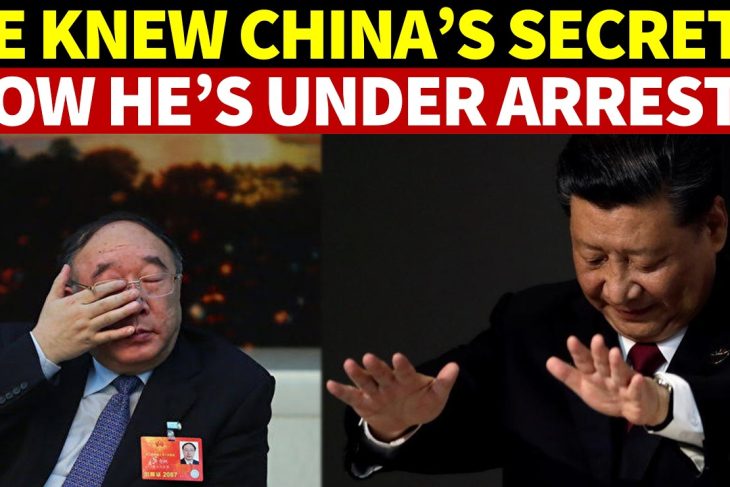
On March 31, 2026, a U.S. federal court delivered a major blow to the Chinese Communist Party. In a landmark ruling, Judge Jon Tigar upheld Li Nanyang’s donation of her father Li Rui’s diaries to Stanford’s Hoover Institution, rejecting Beijing’s efforts to seize them. Spanning 83 years and roughly 10 million words, the diaries of Mao’s former secretary contain explosive firsthand accounts of the Lushan Conference, the 1989 Tiananmen crackdown, and candid observations about Xi Jinping. Fearing the truth inside these 40 boxes, the CCP waged a seven-year legal battle across two countries — using consulates, courts, and even family members. The court victory ensures these rare historical records remain open to the public in America. This case reveals how far Beijing will go to control its past — and how one daughter’s determination protected a lifetime of hidden truths.
Source: CCP Loses Court Battle Over 10 Million Words That Could Shake Modern China | Digging into China
Summary
On March 31, 2026, a U.S. federal court issued a significant ruling against the Chinese Communist Party regarding a collection of historical documents. Judge Jon Tigar supported the donation of Li Nanyang's father, Li Rui, to Stanford University's Hoover Institution, effectively rejecting Beijing's attempts to reclaim the materials. The diaries span 83 years and contain approximately 10 million words, offering firsthand accounts from Mao Zedong's former secretary. These records include sensitive details about the Lushan Conference, events surrounding 1989, and observations regarding Xi Jinping.
The Chinese government engaged in a seven-year legal struggle across two nations to seize the forty boxes of documents, utilizing consulates, courts, and family members in their efforts. Despite these extensive measures, the court decision ensures that these rare historical records remain accessible to the public within the United States. This case highlights the extent to which Beijing has sought to control its own past while demonstrating how one individual's determination helped preserve a lifetime of hidden truths. The video provides context on this landmark legal battle and its implications for understanding modern Chinese history through publicly available information.