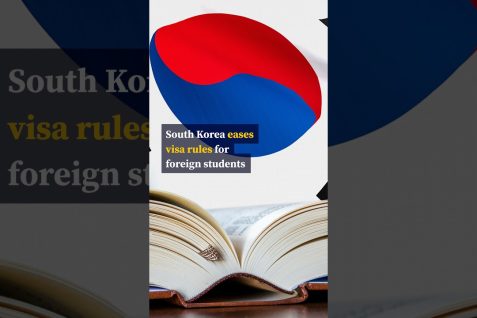
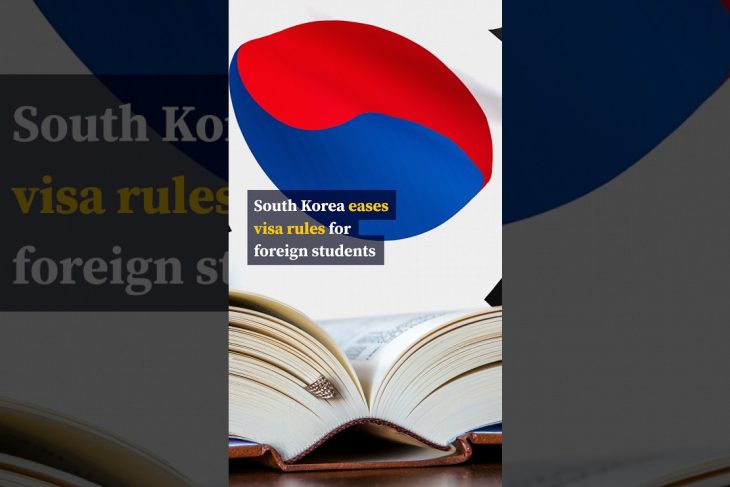
South Korea’s Ministry of Justice has announced sweeping visa reforms to make it easier for international students to enter the country. It plans to waive proof-of-funds requirements for Korean-proficient students, ease part-time work rules and open new pathways for graduates to find jobs and settle in South Korea.
South Korea’s Ministry of Justice has announced sweeping visa reforms to make it easier for international students to enter the country. It plans to waive proof-of-funds requirements for Korean-proficient students, ease part-time work rules and open new pathways for graduates to find jobs and settle in South Korea.
A South Korean city has been releasing quirky promotional videos in a bid to attract visitors. Its latest clip features the city’s senior officials performing a viral dance from the hit music video of the song Storm II by GENER8ION and Yung Lean.
A South Korean city has been releasing quirky promotional videos in a bid to attract visitors. Its latest clip features the city’s senior officials performing a viral dance from the hit music video of the song Storm II by GENER8ION and Yung Lean.
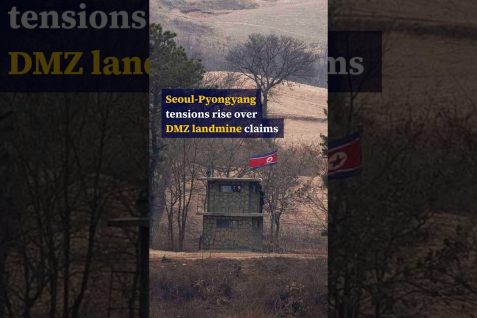
South Korea’s military has released a video it described as showing a mine exploding Monday during an operation to clear mines along its tense border with the North. Seoul has been working to remove explosives after three of its soldiers were hurt in a September 21 blast it blamed on a North Korean mine in the inter-Korean demilitarised zone (DMZ). South Korea says the North has been placing mines in areas that violate a truce between the nations. Pyongyang has dismissed the accusations and rejected Seoul’s call for an apology.
South Korea’s military has released a video it described as showing a mine exploding Monday during an operation to clear mines along its tense border with the North. Seoul has been working to remove explosives after three of its soldiers were hurt in a September 21 blast it blamed on a North Korean mine in the inter-Korean demilitarised zone (DMZ). South Korea says the North has been placing mines in areas that violate a truce between the nations. Pyongyang has dismissed the accusations and rejected Seoul’s call for an apology.
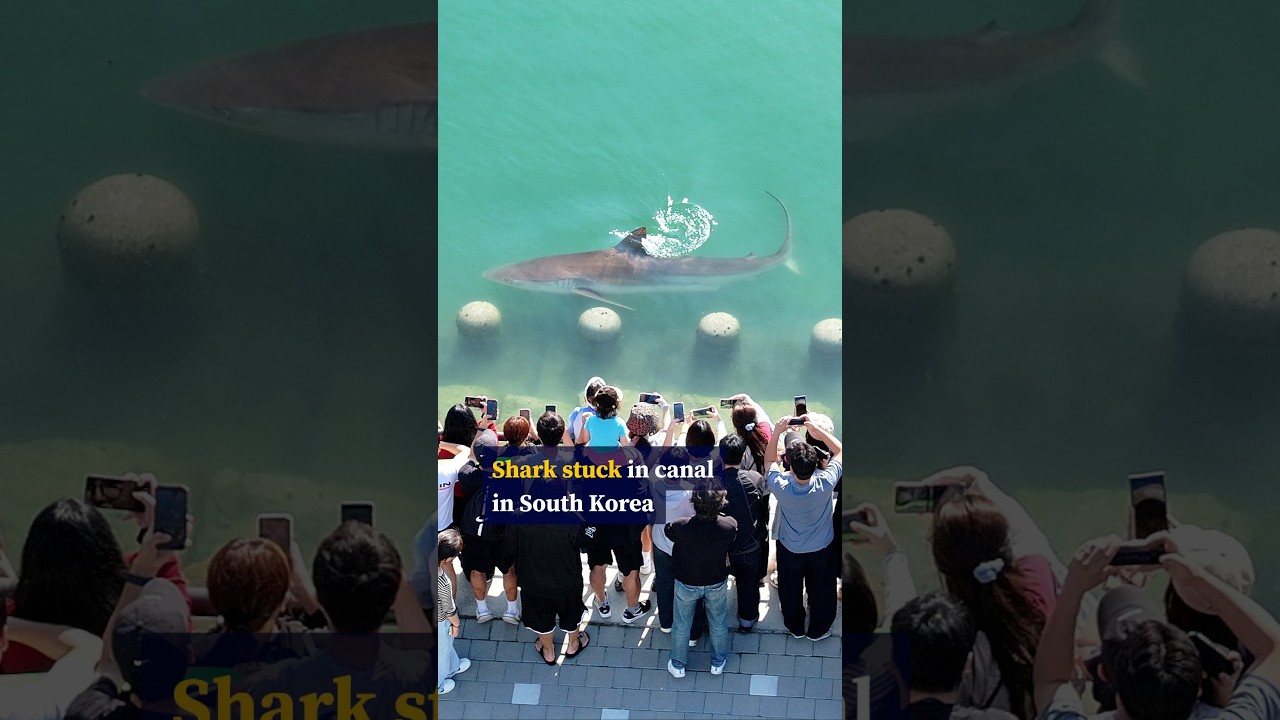
A shark trapped in a man-made waterway in South Korea’s southern port city of Busan has drawn more than 600,000 visitors, local media reported on Tuesday. The shark is known as Bukang-i – a nickname derived from the Korean words for the city’s North Port. The animal has been stuck in the narrow canal since it was first spotted on September 18, according to South Korea’s Yonhap News Agency. On Tuesday, authorities tried but failed to guide the shark back into open water. Another operation involving nets and other equipment is planned for Friday.
A shark trapped in a man-made waterway in South Korea’s southern port city of Busan has drawn more than 600,000 visitors, local media reported on Tuesday. The shark is known as Bukang-i – a nickname derived from the Korean words for the city’s North Port. The animal has been stuck in the narrow canal since it was first spotted on September 18, according to South Korea’s Yonhap News Agency. On Tuesday, authorities tried but failed to guide the shark back into open water. Another operation involving nets and other equipment is planned for Friday.
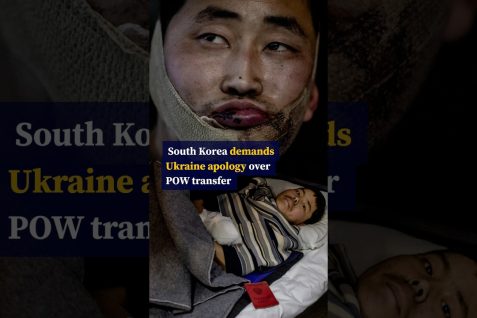
South Korea’s presidential office has demanded an official explanation and apology from Ukraine, after Ukrainian President Volodymyr Zelensky told the UN General Assembly last week that Kyiv had transferred two North Korean prisoners of war (POWs) to South Korea. Seoul says the disclosure was made without sufficient prior consultation and that Kyiv had falsely denied both sides had agreed to keep the move confidential.
South Korea’s presidential office has demanded an official explanation and apology from Ukraine, after Ukrainian President Volodymyr Zelensky told the UN General Assembly last week that Kyiv had transferred two North Korean prisoners of war (POWs) to South Korea. Seoul says the disclosure was made without sufficient prior consultation and that Kyiv had falsely denied both sides had agreed to keep the move confidential.
Footage of a person dangling from a high-capacity drone above a field in the Philippines turned out to be a practice run for a prison break planned by notorious South Korean crime lord Park Wang-yeol. Known as the “sugar cane field killer”, Park was serving a 60-year sentence at Manila’s New Bilibid Prison for the murder of three South Koreans in 2016. Authorities uncovered his 100 million won (US$74,000) plot to use a drone capable of carrying up to 75kg (165lbs) to escape just ahead of his scheduled repatriation to South Korea on other charges.
Footage of a person dangling from a high-capacity drone above a field in the Philippines turned out to be a practice run for a prison break planned by notorious South Korean crime lord Park Wang-yeol. Known as the “sugar cane field killer”, Park was serving a 60-year sentence at Manila's New Bilibid Prison for the murder of three South Koreans in 2016. Authorities uncovered his 100 million won (US$74,000) plot to use a drone capable of carrying up to 75kg (165lbs) to escape just ahead of his scheduled repatriation to South Korea on other charges.
North Korean leader Kim Jong-un has commissioned the country’s second naval destroyer, state media reported on Monday. The vessel equipped with nuclear-capable missiles was launched Sunday, the day before the US, South Korea and Japan started their latest trilateral military exercise, which Pyongyang sees as a security threat. North Korea has continued to dial up pressure on Washington after rebuffing US President Donald Trump’s conciliatory move to scale back US participation in a major military drill with South Korea last month.
North Korean leader Kim Jong-un has commissioned the country’s second naval destroyer, state media reported on Monday. The vessel equipped with nuclear-capable missiles was launched Sunday, the day before the US, South Korea and Japan started their latest trilateral military exercise, which Pyongyang sees as a security threat. North Korea has continued to dial up pressure on Washington after rebuffing US President Donald Trump’s conciliatory move to scale back US participation in a major military drill with South Korea last month.
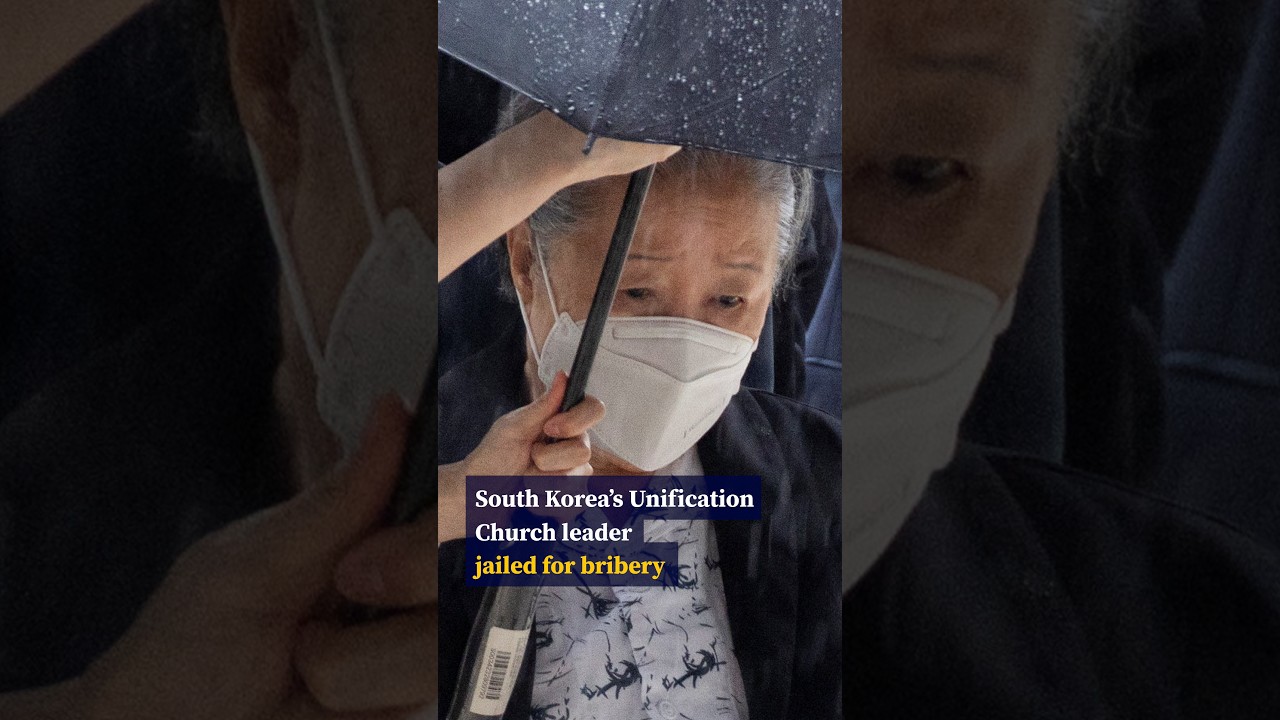
A South Korean court sentenced the leader of the secretive and powerful Unification Church on Monday to two years in prison on charges of bribing officials, including the then-president’s wife. The Seoul Central District Court found that Han Hak-ja, 83, had given money and luxury items to politicians to secure policy favours. The gifts included a handbag and diamond necklace given to former first lady Kim Keon-hee while her husband, Yoon Suk-yeol, was president.
A South Korean court sentenced the leader of the secretive and powerful Unification Church on Monday to two years in prison on charges of bribing officials, including the then-president’s wife. The Seoul Central District Court found that Han Hak-ja, 83, had given money and luxury items to politicians to secure policy favours. The gifts included a handbag and diamond necklace given to former first lady Kim Keon-hee while her husband, Yoon Suk-yeol, was president.
A growing number of travellers are cancelling their plans to visit Jeju, South Korea’s resort island, after two missing individuals were found dead. Both cases were handled by the same police officer, identified only by his surname Bu.
A growing number of travellers are cancelling their plans to visit Jeju, South Korea’s resort island, after two missing individuals were found dead. Both cases were handled by the same police officer, identified only by his surname Bu.
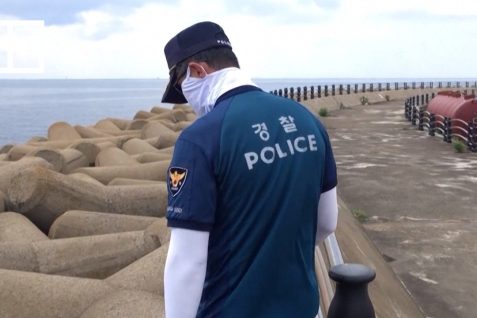
A South Korean police officer in Jeju Island is under investigation for allegedly falsifying missing-person reports. Police allege the officer prematurely closed at least two cases of missing persons, who were later found dead on the island. The scandal has triggered a review of closed missing-persons cases by police agencies across the country, and a call for increased police accountability by South Korean President Lee Jae Myung.
A South Korean police officer in Jeju Island is under investigation for allegedly falsifying missing-person reports. Police allege the officer prematurely closed at least two cases of missing persons, who were later found dead on the island. The scandal has triggered a review of closed missing-persons cases by police agencies across the country, and a call for increased police accountability by South Korean President Lee Jae Myung.
A South Korean police officer in Jeju Island is under investigation for allegedly falsifying missing-person reports. Police allege the officer prematurely closed at least two cases of missing persons, who were later found dead on the island. The scandal has triggered a review of closed missing-persons cases by police agencies across the country, and a call for increased police accountability by South Korean President Lee Jae Myung.
A South Korean police officer in Jeju Island is under investigation for allegedly falsifying missing-person reports. Police allege the officer prematurely closed at least two cases of missing persons, who were later found dead on the island. The scandal has triggered a review of closed missing-persons cases by police agencies across the country, and a call for increased police accountability by South Korean President Lee Jae Myung.
China Analyst Tony Fiddis breaks down the life sentence handed to Evergrande founder Hui Ka Yan and examines why China’s property crisis continues to deterio
China Analyst Tony Fiddis breaks down the life sentence handed to Evergrande founder Hui Ka Yan and examines why China's property crisis continues to deteriorate.
Taiwan has announced that its US tariff rate has been reduced from 20 percent to 15 percent, matching Japan, South Korea and the EU, as part of a sweeping tr
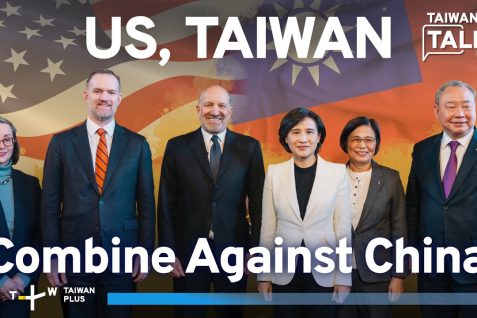
Taiwan has announced that its US tariff rate has been reduced from 20 percent to 15 percent, matching Japan, South Korea and the EU, as part of a sweeping trade and investment framework with Washington. The deal includes large-scale Taiwanese investment in the US semiconductor, AI and energy industries, along with government-backed credit guarantees and new industrial parks. Supporters argue the agreement strengthens economic integration and resilience, but critics warn it could hollow out Taiwan’s chip industry and weaken its so-called “Silicon Shield” that theoretically deters Chinese aggression. How does Taiwan’s model differ from Japan’s and South Korea’s? And what lessons should Taiwan take from the rise and sudden fall of Japan’s DRAM chip industry in late 20th century? In this episode, we discuss the US–Taiwan trade deal, comparisons with Japan and South Korea, historical lessons from past chip wars, and what the agreement means for Taiwan’s security and future position in global supply chains.
Newly declassified FBI files reveal more about the relationship between former California Congressman Eric Swalwell and Chinese spy Fang Fang.Thirty U.S. aca
Newly declassified FBI files reveal more about the relationship between former California Congressman Eric Swalwell and Chinese spy Fang Fang. Thirty U.S. academic institutions are under Pentagon scrutiny for possible ties with foreign entities, especially those with China and Russia. Researchers and a former U.S. defense official accuse a Chinese robotics giant of using innovations funded by the U.S. military. China is showcasing the future of humanoid robots. But can the industry actually turn a profit? We take a closer look at what’s at stake for these high-tech machines. The Navy is taking a major step to strengthen America’s long-range firepower. A new deal could push Tomahawk production above 1,000 missiles a year. China is seeing zero investment deals from 10 of the world’s biggest private capital firms this year, compared with a dozen deals just five years ago. What’s driving the sharp decline in foreign private investment? 00:00 Intro 01:16 FBI Files Detail Former Rep. Swalwell’s Ties to Chinese Spy 02:44 Pentagon Orders Audits of 30 Academic Institutions 03:35 China: Private Firms Must Serve Beijing’s Priorities 04:42 How US Military Funding Propelled China’s Robot Dogs 08:24 FCC Aims to Keep US Ahead in Next-Gen Tech 08:36 China’s Humanoid Robots Face Profitability Challenge 10:00 Waymo Imports China-Made Robotaxis Despite Tariffs 11:45 US Navy Signs $22.9 Billion Deal to Boost Tomahawk Output 13:14 Biggest Global Private Equity Firms Make No China Deals 16:07 China Faces Risk From Export-Driven Economic Growth 17:24 Trump Orders South Korea Drill Cuts 18:14 Iran Dispute Tests US–South Korea Ties
Washington is racing to cut its reliance on rare earths from China. We take a look at the pressure—and opportunities—facing a U.S. company at the center of that push. Boosting efforts …
Washington is racing to cut its reliance on rare earths from China. We take a look at the pressure—and opportunities—facing a U.S. company at the center of that push. Boosting efforts to reduce America's reliance on China: $162 million is going toward new technologies to recover rare earth elements from industrial waste and byproducts. Japan is feeling the squeeze from Beijing’s rare earth restrictions. Here’s what Tokyo is doing to tackle the problem. More light has been shed on the controversy surrounding the origins of COVID-19 and the lab-leak theory. A former top adviser to Dr. Anthony Fauci has pleaded guilty to a conspiracy charge and is now facing possible prison time. China is blocking a European Union probe into e-commerce giant JD.com. The investigation is looking into whether Chinese state-backed subsidies are distorting competition in European markets. Barred from leaving South Korea, a former U.S. ambassador speaks out. Morse Tan joins us to discuss his experience, South Korea’s political shift, and the Chinese Communist Party’s influence. 00:00 Intro 01:00 U.S. Lab Competes W/ China Over Minerals Needed for Jets 03:40 U.S. Invests $162M in Critical Minerals Projects 04:27 Korea Zinc to Boost U.S. Critical Mineral Supply 05:46 Japan's Imports of Two Rare Earth Elements Plunge 70% 06:39 NSA Blocked Intel of CCP Election Influence From Trump 08:58 Former Fauci Adviser Pleads Guilty 11:36 Dr. Fauci Under Fire Over COVID-19 Answers 11:56 China Orders Entities Not to Aid EU's JD.com Probe 13:32 Japan Reaffirms Military Ties With U.S., S. Korea 14:48 Fmr. U.S. Ambassador Barred From Leaving South Korea 17:47 U.S. Citizen Arrested for U.S.-Based Speech 18:50 Fmr. U.S. Ambassador on CCP Influence in South Korea
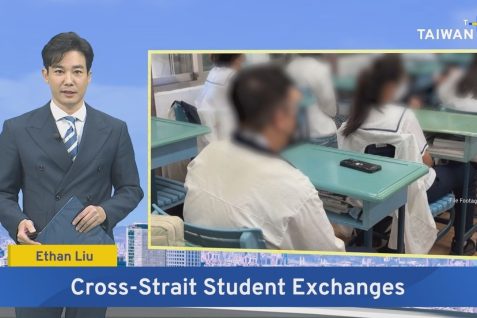
In today’s show: Watchdog Raises Concerns Over Student Exchanges to China Taiwan Ramps Up Drone Defense Strategy As Budget Bill Stalls Oil Prices Up Amid New Middle East Fighting South Korea …
In today’s show: Watchdog Raises Concerns Over Student Exchanges to China Taiwan Ramps Up Drone Defense Strategy As Budget Bill Stalls Oil Prices Up Amid New Middle East Fighting South Korea Moves To Rein In Risky ETF Trading Amid Market Turmoil Japan, South Korea Turn to AI Cameras To Prevent Suicides Taiwan's Women's Volleyball Team Readies for Asian Games in Nagoya Women Break Into Once Male-Dominated "Guardian Generals" Dance
The Pentagon is facing a new legal challenge. Chinese tech giant Alibaba is suing after being designated a Chinese military company—but the Defense Department isn’t the only target. Here’s how Beijing …
The Pentagon is facing a new legal challenge. Chinese tech giant Alibaba is suing after being designated a Chinese military company—but the Defense Department isn’t the only target. Here’s how Beijing is weaponizing U.S. courts to silence critics. A new clash in the U.S.–China AI race. Anthropic is accusing Alibaba of a large-scale effort, involving thousands of fake accounts, to steal AI capabilities. A Chinese EV battery maker is demanding millions of dollars from a small Michigan township. How local backlash against a Chinese-owned factory turned into a federal lawsuit. A successful test of the Golden Dome. Defense Secretary Pete Hegseth described it as the first milestone test of the missile defense program. Which countries is the Golden Dome primarily defending against? The semiconductor industry is riding the AI boom. South Korean chip workers are reaping the rewards, enjoying high demand in both career and marriage. 00:00 Intro 01:26 Alibaba Sues Pentagon for Chinese Military Designation 02:35 Beijing Weaponizes U.S. Courts to Silence Critics 05:14 Anthropic Accuses Alibaba of Large-Scale AI Theft 06:47 Chinese Battery Firm Seeks $23.7M From Small Michigan Town 08:34 Hegseth Says Golden Dome Test a Success 09:37 U.S. University Program for Communist Elites: Report 10:30 U.S. Snubs China APEC Meeting Over Visa Dispute 11:16 Chip Workers in High Demand at Work and in Marriage 12:41 Semiconductor Industry Lures Top Students From Medicine 14:14 Expert on China Cyber Threats in U.S. Infrastructure 14:31 Experts Warn of Deep Grid Infiltration Risk 15:53 China-Made Parts Raise AI Data Center Concerns 20:16 Expert Warns of Telecom Supply Chain Vulnerabilities
This video from China in Focus examines the evolving legal and technological tensions between the United States and China. The segment begins by addressing a new legal challenge involving the Pentagon, where Chinese tech giant Alibaba has filed a lawsuit following its designation as a Chinese military company. Beyond this specific case, the report explores how Beijing allegedly utilizes U.S. courts to suppress criticism. A significant portion of the discussion focuses on the ongoing competition in artificial intelligence, highlighting accusations from Anthropic that Alibaba orchestrated a massive operation using thousands of fake accounts to steal AI capabilities.
The overview also covers economic and security disputes, including a Chinese electric vehicle battery manufacturer seeking millions from a Michigan township amid local opposition to its factory. On the defense front, Defense Secretary Pete Hegseth announced a successful test of the Golden Dome missile defense program. The video further touches on domestic impacts within South Korea's semiconductor industry, where high demand for chip workers is affecting both employment and marriage markets. Additionally, experts warn of potential risks regarding deep grid infiltration and vulnerabilities in telecom supply chains involving China-made parts. The report concludes by noting diplomatic friction, such as the U.S. decision to exclude China from an APEC meeting due to visa disputes, alongside concerns over a university program allegedly benefiting Communist elites.
Beijing appears to be increasing its ability to launch nuclear strikes against countries such as the United States. What do satellite images reveal about a mysterious complex taking shape in a …
Beijing appears to be increasing its ability to launch nuclear strikes against countries such as the United States. What do satellite images reveal about a mysterious complex taking shape in a desert in the Xinjiang region? Drones are changing the battlefield—not only in the sky, but also at sea. The United States and two allies are working together to strengthen their maritime dominance and counter China. Beijing draws a dangerous new red line, expelling an American reporter over Taiwan. Washington responds in kind, while Taipei condemns Beijing’s tactics. Want to take Chinese technology, talent, or data overseas? Under Beijing’s new outbound investment rules, you’ll need permission first. Military-linked universities in China are pursuing Nvidia’s top AI chips, raising questions about U.S. efforts to control cutting-edge technology exports. China Appears to Boost Nuclear Strike Capability US Launches Golden Dome Missile Shield System US, UK, Australia to Develop Undersea Drones US Racing to Counter China’s Drone Dominance Pentagon Turns to Smaller Firms for Drones Pentagon Seeks 300,000 Low-Cost Attack Drones Security Concerns Over Chinese Drone Parts China, US Expel Each Other’s Reporters Expert: Chinese Outlets in US May Influence Elections Beijing to Lock Down Outbound Tech, Data Flows Rubio: US Must End Reliance on Chinese Supply Chains China Military-Tied Universities Seek Nvidia AI Chips EU to Join US-Led Chip Supply Initiative China Defense Minister No-Show at Asia Summit South Korea, Japan Weigh Military Logistics Deal
This video report from China in Focus examines several developing geopolitical and military tensions between the United States, China, and their respective allies. The segment begins by noting reports that Beijing may be enhancing its nuclear strike capabilities against nations like the United States, while satellite imagery investigates a mysterious construction project in the Xinjiang desert region. Simultaneously, the narrative highlights a shift in drone warfare, where drones are increasingly utilized across air and sea domains. In response to China's growing dominance in this sector, the US, UK, and Australia are collaborating to strengthen maritime control and develop undersea drone technologies. The Pentagon is also seeking partnerships with smaller firms to acquire hundreds of thousands of low-cost attack drones to counter potential threats.
Diplomatic friction remains high as Beijing expels an American reporter over Taiwan issues, prompting a reciprocal action from Washington. Taipei criticizes these tactics while experts warn that Chinese media outlets within the US could influence elections. On the economic front, new outbound investment rules require permission for moving Chinese technology or data overseas, and military-linked universities are reportedly seeking Nvidia's advanced AI chips despite export controls. The European Union is considering joining US-led initiatives to secure chip supply chains, while regional allies like South Korea and Japan weigh potential military logistics agreements.
Is Washington’s attention shifting away from the Indo-Pacific? Japan’s prime minister says not at all, following talks with President Donald Trump at the G7 summit. After Iran, could North Korea be …
Is Washington’s attention shifting away from the Indo-Pacific? Japan’s prime minister says not at all, following talks with President Donald Trump at the G7 summit. After Iran, could North Korea be next? South Korea is urging Trump to help address one of the world’s toughest nuclear challenges. The G7 leaders say they oppose any actions that could disrupt peace around Taiwan, and Trump is pushing to speed up U.S. weapons manufacturing. The Senate unanimously passed a bill condemning Chinese Communist Party leader Xi Jinping. Missouri’s attorney general is suing Chinese security camera maker Lorex, a major seller of home security cameras and baby monitors in the United States. What’s the case really about? 00:00 Intro 1:24 Japan, U.S. Reaffirm Indo-Pacific Partnership at G7 3:20 S. Korea Asks Trump to Tackle N. Korea Nuclear Threat 4:28 S. Korea Narrows Civilian Restricted Zone Near Border 4:52 G7 Leaders Support Taiwan Strait Status Quo 5:25 Taiwan Detects 6 Chinese Naval Vessels Near Island 6:12 President Trump Invokes Act to Boost Weapons Supply 7:04 Senate Resolution Condemns CCP Leader Xi Jinping 9:13 Missouri AG Sues Baby Monitor Firm Over CCP Ties 11:03 Taiwan Protests Scholar Ban, Cites CCP Pressure 12:27 Taiwan on Standby for Possible Call From Trump 13:12 EU Says China Trained Russian Troops to Fight in Ukraine 14:40 G7 Summit Highlights China Concerns in France 15:04 G7 Unites on China Security, Economic Concerns 16:09 G7 Seeks Supply Chain Shift Away From China 17:26 G7 Pushes to Cut Reliance on Chinese Minerals 19:06 G7 Signals Security-First Approach on China Talks
This NTD report titled China in Focus examines recent developments involving the United States, Japan, and other G7 nations regarding their strategic partnership in the Indo-Pacific region. Following talks between President Donald Trump and Japanese Prime Minister Shigeru Ishiba at the G7 summit in France, both leaders reaffirmed their commitment to the alliance. The summit also addressed pressing security issues, including North Korea's nuclear program, with South Korea urging Washington to assist in resolving this challenge. Additionally, G7 leaders expressed opposition to actions that could destabilize peace around Taiwan, while President Trump advocated for accelerating U.S. weapons manufacturing.
The report highlights legislative and legal actions against China, noting the Senate's unanimous passage of a bill condemning Chinese Communist Party leader Xi Jinping. It also covers a lawsuit filed by Missouri's attorney general against Lorex, a manufacturer of home security cameras and baby monitors accused of ties to the CCP. Other segments discuss Taiwan detecting Chinese naval vessels near the island, EU allegations that China trained Russian troops for the Ukraine conflict, and G7 efforts to reduce reliance on Chinese minerals and shift supply chains away from Beijing. The coverage concludes with various diplomatic signals and protests related to these escalating tensions.
Southeast Asia is in the middle of an unprecedented military buildup — and it traces directly back to one country’s decision to stand its ground. From the water cannon attacks at …
Southeast Asia is in the middle of an unprecedented military buildup — and it traces directly back to one country’s decision to stand its ground. From the water cannon attacks at Second Thomas Shoal to Japan donating destroyers, South Korea selling fighter jets, and the US deploying missiles to Philippine bases, this video maps the full arc of how Chinese aggression in the West Philippine Sea triggered a regional arms race. We break down every major acquisition, every key alliance, and what it all means for the balance of power in Asia. #Philippines #SouthChinaSea #WestPhilippineSea #SoutheastAsia #IndoPacific
The video titled Why Southeast Asia Is Rearming — And the Philippines Is the Reason Why is presented by the channel Global Front and runs for approximately nine minutes. It examines a significant military expansion occurring across Southeast Asia, attributing this trend directly to actions taken by one nation in the region. The content outlines how specific events, including water cannon incidents at Second Thomas Shoal, have influenced regional security dynamics. According to the description, various countries are responding to perceived aggression in the West Philippine Sea through increased defense capabilities. Japan is noted for donating destroyers, while South Korea is mentioned as selling fighter jets to allies. Additionally, the United States is described as deploying missiles to bases within the Philippines. The overview suggests these developments form a chain reaction where initial confrontations have triggered a broader arms race involving multiple nations. The analysis aims to map how these acquisitions and new alliances affect the overall balance of power in Asia. By breaking down major equipment purchases and strategic partnerships, the video seeks to explain the shifting geopolitical landscape driven by tensions in the South China Sea.
Why is Xi Jinping suddenly rushing to North Korea after months of staying inside China? This trip may be far bigger than routine diplomacy. Behind the scenes are growing Russia–North Korea …
Why is Xi Jinping suddenly rushing to North Korea after months of staying inside China? This trip may be far bigger than routine diplomacy. Behind the scenes are growing Russia–North Korea ties, rising Taiwan tensions, U.S.–Japan–South Korea coordination, and Beijing’s fear of losing leverage on the Korean Peninsula. In this episode, we break down why Kim Jong Un may now hold more strategic value than ever — and why some analysts believe Xi Jinping suddenly needs Kim more than Kim needs Xi. you
This video from Lei's Real Talk examines the recent visit by Chinese President Xi Jinping to North Korea, suggesting the trip carries significance beyond standard diplomatic protocol. The analysis highlights several underlying factors driving this engagement, including strengthening ties between Russia and North Korea, escalating tensions involving Taiwan, and increased coordination among the United States, Japan, and South Korea. These developments appear to have influenced Beijing's strategic calculations regarding its leverage on the Korean Peninsula. The content explores the possibility that Kim Jong Un currently holds greater strategic value for China than previously assumed. Some analysts discussed in the context of the video suggest a shift where Xi Jinping may require Kim's cooperation more urgently than vice versa. The channel focuses primarily on U.S.-China relations while also covering broader topics such as world economy, history, and politics. Through short-form content, the series aims to reveal hidden stories behind major geopolitical events. Viewers are invited to explore further discussions on related economic and political themes through linked resources provided in the description.
Why is Xi Jinping suddenly rushing to North Korea right after hosting both Trump and Putin in Beijing? And what were those strange signals coming out of the state banquets — …
Why is Xi Jinping suddenly rushing to North Korea right after hosting both Trump and Putin in Beijing? And what were those strange signals coming out of the state banquets — the mysterious “special-agent” waitresses, the eerie performance of Swan Lake for Putin, and the growing atmosphere of tension inside Zhongnanhai? In this program, we break down the deeper geopolitical calculations behind Xi’s upcoming meeting with Kim Jong Un, including Russia-North Korea ties, Taiwan pressure, the U.S.-Japan-South Korea alignment, and why Kim may now have more leverage over China than many realize. We also examine the darker theories now circulating online about instability, elite politics, and the fear of crisis in East Asia.
The video titled Putin Heard Soviet Coup Music… Then Xi Rushed to North Korea, produced by Lei's Real Talk and running for approximately 54 minutes, explores the geopolitical implications of recent diplomatic movements in East Asia. It questions why Chinese leader Xi Jinping traveled to North Korea shortly after hosting both Donald Trump and Vladimir Putin in Beijing. The program examines unusual signals reported from state banquets, including specific waitstaff roles and a particular performance of Swan Lake intended for the Russian leader. These elements are presented as part of a growing atmosphere of tension within Chinese political circles.
The overview breaks down deeper calculations regarding Russia-North Korea relations, pressure on Taiwan, and the shifting alignment between the United States, Japan, and South Korea. The content suggests that Kim Jong Un may possess more leverage over Beijing than previously understood. Additionally, the video addresses darker theories circulating online concerning instability, elite politics, and fears of crisis in the region. The description notes these topics are analyzed to provide context on the upcoming meeting between Xi and Kim. The program also includes promotional links for related content and support channels associated with the creator.
As pressure grows from China, Russia and North Korea, the US and its allies are moving to link their military capabilities into a new “kill web” across the Indo-Pacific. Bringing together …
As pressure grows from China, Russia and North Korea, the US and its allies are moving to link their military capabilities into a new “kill web” across the Indo-Pacific. Bringing together Japan, the Philippines, South Korea and other partners, this approach aims to integrate sensors, weapons and command systems into a single, coordinated network. Unlike traditional “kill chains,” a kill web enables faster, more flexible responses across multiple domains. This evolving strategy could reshape how deterrence works along the First Island Chain. In this episode, we examine how a kill web functions, why it is gaining momentum and what it could mean for Taiwan and the future of regional security. *Recorded on April 30, 2026 at 4pm Taiwan Standard Time Host/Senior Producer: Yin Khvat Consultant: Max Yu Research Assistant: April Lin Our guests: Chenlung Kuo United Daily News Deputy Editor-in-Chief Tony Hu Former US Department of Defense Senior Director for China, Taiwan and Mongolia Michael Chen Democratic Progressive Party International Affairs Director Chapters: 00:00:00 – US Allies Building ‘Kill Web’ 00:01:36 – US Integrates Indo-Pacific 00:08:38 – Tokyo, Manila Embrace ‘One Theater’ 00:13:44 – Russia, N Korea Expand Partnership 00:19:33 – Japan to Lift Weapon Export Ban #KillWebIndoPacific #AsianNATO #USAllies #IndoPacificDefense #IntegratedForce #JapanDefensePivot #ManilaTokyoSecurity #OneTheaterConcept #RussiaNorthKoreaAlliance #StrategicPartnership #JapanWeaponExports #SecurityQuad #SustainmentHub #IndoPacificPartners #GlobalSecurityLatticework #MaritimeDeterrence #FirstIslandChain #USIndoPacificCommand #MilitaryIntegration #JapanSelfDefenseForce #PhilippinesSecurity #CollectiveDeterrence #DefenseEquipmentTransfer #LethalExportsJapan #TokyoManilaAxis #RegionalSecurity #PyongyangMoscow #MilitaryCooperation #IndoPacificStability #ArmsExportReform #SecurityArchitecture #RulesBasedOrder #JointDeterrence #AsianSecurityNetwork #JapanAustraliaUS #SouthChinaSeaSecurity #EastChinaSea #TaiwanStraitPeace #DefenseDiplomacy #SalamiSlicingDeterrence #OceanInitiative #IntegratedSupplyChains #Minilaterals #DefenseModernization #AlliedNetwork #HighIntensityContingency #TrilateralSecurity #IndoPacificFour #GeopoliticalShift #InternationalRelations #Geopolitics #TaiwanPlus #TaiwanTalks
The episode from Taiwan Talks examines the growing integration of military capabilities among US allies in the Indo-Pacific, focusing on a new concept termed a kill web. This strategy seeks to link Japan, the Philippines, South Korea, and other partners into a coordinated network that unifies sensors, weapons, and command systems. Unlike traditional kill chains, this approach aims to enable faster and more flexible responses across multiple domains as pressure from China, Russia, and North Korea increases. The discussion highlights how this evolving strategy could reshape deterrence along the First Island Chain and impact regional security for Taiwan.
The program features guests including Chenlung Kuo, Tony Hu, and Michael Chen, who analyze the mechanics of the kill web and its momentum. Topics covered include the integration of the Indo-Pacific theater, the embrace of a one-theater concept by Tokyo and Manila, expanding partnerships between Russia and North Korea, and potential changes to Japan's weapon export ban. Recorded on April 30, 2026, the episode explores these developments through interviews with experts from various organizations, providing context on how these shifts might alter the global security lattice in the region without inventing specific outcomes or quotes not present in the source material.
China is expanding its footprint in the South China Sea with rapid construction on Antelope Reef, potentially creating its largest overseas military base yet. At the same time, Beijing has imposed …
China is expanding its footprint in the South China Sea with rapid construction on Antelope Reef, potentially creating its largest overseas military base yet. At the same time, Beijing has imposed unusually large and prolonged airspace restrictions near Japan and South Korea — raising questions about whether it is preparing for something more significant. With the US focused on the Middle East, is China exploiting a strategic window to shift the status quo in Asia? From island-building to airspace control, these moves could reshape regional security and complicate any future Taiwan contingency. In this episode, we examine what China may be planning and the implications for Southeast Asia, the Taiwan Strait and the greater Indo-Pacific region.
This episode of Taiwan Talks examines recent developments in the South China Sea and surrounding regions, focusing on China's accelerated construction at Antelope Reef. The program suggests this project could result in the creation of a significant overseas military facility, marking a major expansion of Beijing's footprint in the area. Simultaneously, the discussion highlights unusual airspace restrictions imposed by China near Japan and South Korea, which have remained in effect for approximately forty days. These measures raise questions regarding whether China is preparing for larger-scale operations or attempting to exploit a strategic window while US attention is directed toward the Middle East.
The analysis explores how these actions might reshape regional security dynamics across Southeast Asia and the Indo-Pacific. Experts discuss the implications of such moves for the Taiwan Strait and potential future contingencies involving the island. The episode also addresses protests from Vietnam regarding what Beijing terms illegal activities, specifically concerning land reclamation and dredging operations. Recorded in April 2026, the program features insights from various researchers to assess whether these developments signal a shift in the status quo or represent a broader strategy of great power competition aimed at complicating international stability in the region.
Grant Newsham, a retired Marine Colonel and senior fellow at the Japan Forum for Strategic Studies and the Center for Security Policy, sits down with NTD’s Steve Lance to discuss how …
Grant Newsham, a retired Marine Colonel and senior fellow at the Japan Forum for Strategic Studies and the Center for Security Policy, sits down with NTD’s Steve Lance to discuss how China-backed political actors are launching a coordinated effort to weaken America’s critical allies like South Korea and Taiwan, and the implications this has for U.S. policy in the Indo-Pacific. —
Chinese leader Xi Jinping wanted a new world order—but his closest allies are crumbling. With Venezuelan leader Nicolás Maduro in U.S. custody and Iran’s Ayatollah Ali Khamenei dead, Xi’s global ambitions …
Chinese leader Xi Jinping wanted a new world order—but his closest allies are crumbling. With Venezuelan leader Nicolás Maduro in U.S. custody and Iran’s Ayatollah Ali Khamenei dead, Xi’s global ambitions are facing a major reality check. We examine how Washington is squeezing Beijing’s partners and dismantling China’s global agenda. A Chinese researcher in Texas has been sentenced to one year in prison and is set to be deported after pleading guilty to attempting to smuggle sensitive medical data to China. Chinese nationals have been receiving flight training in the United States, and some could one day pilot Chinese military aircraft in an attack on Taiwan. A lawmaker is sounding the alarm. A new book, “Killed to Order,” exposes the Chinese Communist Party’s crime of forced organ harvesting. It’s authored by Jan Jekielek, senior editor at The Epoch Times. 00:00 Intro 02:36 Trump’s South America, Mideast Actions Dismantle Xi’s Global Agenda 08:59 MD Anderson Researcher Gets 1-Year Prison Term: Chinese IP Theft 10:40 China Pilots Trained in U.S. Schools 11:56 Experts to Congress: Robotics Race with China Critical 14:45 New Book Unpacks CCP’s Organ Harvesting Industry 17:01 Expert: Widespread Chinese Influence in South Korea
Chinese leader Xi Jinping wanted a new world order—but his closest allies are crumbling. With Venezuelan leader Nicolás Maduro in U.S. custody and Iran’s Ayatollah Ali Khamenei dead, Xi’s global ambitions …
Chinese leader Xi Jinping wanted a new world order—but his closest allies are crumbling. With Venezuelan leader Nicolás Maduro in U.S. custody and Iran’s Ayatollah Ali Khamenei dead, Xi’s global ambitions are facing a major reality check. We examine how Washington is squeezing Beijing’s partners and dismantling China’s global agenda. A Chinese researcher in Texas has been sentenced to one year in prison and is set to be deported after pleading guilty to attempting to smuggle sensitive medical data to China. Chinese nationals have been receiving flight training in the United States, and some could one day pilot Chinese military aircraft in an attack on Taiwan. A lawmaker is sounding the alarm. A new book, “Killed to Order,” exposes the Chinese Communist Party’s crime of forced organ harvesting. It’s authored by Jan Jekielek, senior editor at The Epoch Times. 00:00 Intro 02:36 Trump’s South America, Mideast Actions Dismantle Xi’s Global Agenda 08:59 MD Anderson Researcher Gets 1-Year Prison Term: Chinese IP Theft 10:40 China Pilots Trained in U.S. Schools 11:56 Experts to Congress: Robotics Race with China Critical 14:45 New Book Unpacks CCP’s Organ Harvesting Industry 17:01 Expert: Widespread Chinese Influence in South Korea
Taiwan has announced that its US tariff rate has been reduced from 20 percent to 15 percent, matching Japan, South Korea and the EU, as part of a sweeping trade and …
Taiwan has announced that its US tariff rate has been reduced from 20 percent to 15 percent, matching Japan, South Korea and the EU, as part of a sweeping trade and investment framework with Washington. The deal includes large-scale Taiwanese investment in the US semiconductor, AI and energy industries, along with government-backed credit guarantees and new industrial parks. Supporters argue the agreement strengthens economic integration and resilience, but critics warn it could hollow out Taiwan’s chip industry and weaken its so-called “Silicon Shield” that theoretically deters Chinese aggression. How does Taiwan’s model differ from Japan’s and South Korea’s? And what lessons should Taiwan take from the rise and sudden fall of Japan’s DRAM chip industry in late 20th century? In this episode, we discuss the US–Taiwan trade deal, comparisons with Japan and South Korea, historical lessons from past chip wars, and what the agreement means for Taiwan’s security and future position in global supply chains.
A U.S. military ship is docking at a strategically vital port in Asia, with the head of U.S. Indo-Pacific Command meeting Cambodian military leaders on board. It’s sending a clear signal …
A U.S. military ship is docking at a strategically vital port in Asia, with the head of U.S. Indo-Pacific Command meeting Cambodian military leaders on board. It’s sending a clear signal to China.The British Prime Minister is heading to China on a state visit. What does he hope to achieve, and what’s at stake?South Korea is urging lawmakers to pass a U.S. investment bill as President Donald Trump signals higher tariffs on Korean goods, putting pressure on Seoul to act quickly. Taiwan may take lessons from its neighboring partner.Texas is further protecting its citizens from the Chinese Communist Party. The state is expanding its list of technologies prohibited for use by state employees.00:00 Intro01:00 US Warship Visits Cambodia Base Upgraded by China02:27 Strategic Importance of Cambodia’s Ream Base03:11 UK Prime Minister Heads to China for Economic Talk04:40 Chinese Spies Hack Downing Street Phones: Report05:28 Seoul Acts on US Deal After Trump’s Tariff Warning09:11 Japan Asks Fishermen to Avoid Disputed Islands Amid China Tensions11:10 Texas Bans State Employees from Using Shein, Temu12:03 Countering Chinese Repression Overseas13:34 Unpacking China’s Latest Military Purges | Analysis
Taiwan has announced that its US tariff rate has been reduced from 20 percent to 15 percent, matching Japan, South Korea and the EU, as part of a sweeping trade and …
Taiwan has announced that its US tariff rate has been reduced from 20 percent to 15 percent, matching Japan, South Korea and the EU, as part of a sweeping trade and investment framework with Washington. The deal includes large-scale Taiwanese investment in the US semiconductor, AI and energy industries, along with government-backed credit guarantees and new industrial parks. Supporters argue the agreement strengthens economic integration and resilience, but critics warn it could hollow out Taiwan’s chip industry and weaken its so-called “Silicon Shield” that theoretically deters Chinese aggression. How does Taiwan’s model differ from Japan’s and South Korea’s? And what lessons should Taiwan take from the rise and sudden fall of Japan’s DRAM chip industry in late 20th century? In this episode, we discuss the US–Taiwan trade deal, comparisons with Japan and South Korea, historical lessons from past chip wars, and what the agreement means for Taiwan’s security and future position in global supply chains.
South Korea is reportedly preparing to establish a naval support hub in the Philippines, marking a major milestone in bilateral defense cooperation. The facility will be designed to support future Philippine …
South Korea is reportedly preparing to establish a naval support hub in the Philippines, marking a major milestone in bilateral defense cooperation. The facility will be designed to support future Philippine Navy ships, particularly those acquired through South Korean shipbuilding programs under the Armed Forces of the Philippines modernization initiative.This naval support hub will provide critical services such as maintenance, spare parts logistics, technical upgrades, and crew training. By hosting these capabilities locally, the Philippine Navy can significantly reduce downtime, increase fleet availability, and strengthen maritime security operations across its vast archipelagic waters.The initiative highlights South Korea’s emergence as a trusted defense supplier and strategic partner in Southeast Asia. With years of experience producing advanced frigates, corvettes, and offshore patrol vessels, South Korea’s involvement ensures long-term sustainment and technology transfer for the Philippine Navy.Regionally, the facility could enhance cooperative security efforts, humanitarian assistance, and disaster relief operations. It also aligns with broader efforts to promote stability, deterrence, and freedom of navigation in contested waters.As geopolitical dynamics evolve in the Indo-Pacific, this partnership underscores the importance of practical defense collaboration. The Philippines gains a reliable logistics backbone, while South Korea strengthens its strategic presence and partnerships in the region.
China Update provides the most up to date political, economic, and geopolitical news and analysis on China. Videos are based on hundreds of articles, think tank reports, government statements and other …
China Update provides the most up to date political, economic, and geopolitical news and analysis on China. Videos are based on hundreds of articles, think tank reports, government statements and other resources in English and Chinese. China Update is fully independent and I make the videos. X (Formerly Twitter): / tonychinaupdate Channel email: [email protected]:00 Introduction00:18 Land Use Sales Revenue Collapse05:44 China Escalates Japan Tensions10:06 South Korea-China
China is ordering its banks to review billions in Venezuela-linked loans after Washington’s capture of Nicolás Maduro, reflecting rising concerns over geopolitical shocks to lenders.China’s economic growth slowed to its weakest …
China is ordering its banks to review billions in Venezuela-linked loans after Washington’s capture of Nicolás Maduro, reflecting rising concerns over geopolitical shocks to lenders.China’s economic growth slowed to its weakest pace in six months last December.Maduro pleaded not guilty to narco-terrorism charges at his first New York court appearance on Monday. Meanwhile, President Donald Trump issued a stern warning to Venezuela’s interim leader, Delcy Rodriguez, saying she would “face a situation probably worse than Maduro” if she failed to “do what’s right.”The United States’ capture of Venezuela’s Maduro is sparking debate over whether Beijing could attempt something similar against Taiwan’s president.South Korea’s president is visiting China this week, hoping to boost ties and economic cooperation. How will negotiations play out? A geopolitical expert breaks it down.00:00 Intro01:33 China Orders Banks to Assess Venezuela-Related Loans03:26 China’s December PMI Hits the Slowest Point: Survey06:05 Maduro Pleads Not Guilty to Drug and Weapons Charges09:27 Switzerland Freezes Maduro and Associates’ Assets09:57 Venezuela Orders Police to Arrest U.S. Operation Supporters10:28 Trump Issues Stern Warning to Interim Venezuelan Leader12:24 U.S. Ambassador Defends Maduro Capture at U.N.13:59 Experts Debate Whether Beijing Could Capture Taiwan’s President17:30 China, S. Korea Seek to Boost Ties Amid Regional Tensions18:51 China–S. Korea Dialogue | Analysis
In today’s show: US State Department Announces US$11.1 Billion Arms Sale to Taiwan China Sends 40 Planes, 8 Ships Near Taiwan as US Arms Deal Announced South Korean Court Sentences 3 …
In today’s show: US State Department Announces US$11.1 Billion Arms Sale to Taiwan China Sends 40 Planes, 8 Ships Near Taiwan as US Arms Deal Announced South Korean Court Sentences 3 Contractors Connected to Taiwan’s Haikun Sub Opposition Parties Aim To Impeach Premier, President for Not Countersigning Bill Hsinchu Mayor Kao Hung-an Submits Reinstatement Papers, Says She’s “Back To Work” Japanese Prime Minister Says Diplomatic Dialogue Door Still Open for China Japan Could Be Panda-less as Loaned Animals Set To Return With No Replacements Lai Proposes Foreign Caregivers Law but Some Parents, Labor Groups Have Doubts📹 Anchor: Yvonne Yang#TaiwanPlus #TaiwanPlusNews #TaiwanNews-
As Southeast Asian countries target scam centers, Beijing’s role is coming into focus. Is China helping in terms of cracking down on scammers or secretly siding with them?A South Korean company …
As Southeast Asian countries target scam centers, Beijing’s role is coming into focus. Is China helping in terms of cracking down on scammers or secretly siding with them?A South Korean company is unveiling a $6 billion plan to build a factory in Tennessee. The move could help the United States reduce its reliance on critical minerals from China, but the plan is already facing a major roadblock.The Texas attorney general is suing five TV makers, including two from China, over allegations that smart TVs are spying on Americans in their own living rooms.As oil prices fall this week, China is quietly stockpiling. It’s a move that could impact global markets.00:00 Intro00:59 Asian Scam Centers: Are Police, Kingpins Allies of CCP?04:07 Korea Zinc to Build Minerals Refinery in Tennessee05:03 Texas AG Sues Five Major TV Firms for Alleged Spying05:55 China Ramps Up Crude Stockpile as Oil Prices Fall07:20 Pres. Trump: I Spoke With Xi About Releasing Jimmy Lai10:31 500K Sign Petition Against Forced Organ Harvesting11:54 Forum: Indo-Pacific Instability Threatens World Order14:59 Former U.S. Army Pacific Chief on U.S.-Taiwan Strategy
According to the Kyiv Independent, leaked Russian documents suggest the Russian military may be assisting China in preparing for a potential Taiwan invasion in 2027. It comes four years after Chinese …
According to the Kyiv Independent, leaked Russian documents suggest the Russian military may be assisting China in preparing for a potential Taiwan invasion in 2027. It comes four years after Chinese Foreign Minister Wang Yi described Beijing-Moscow relations as having “no limits.” and nearly four years since Russian President Vladimir Putin ordered the full-scale invasion of Ukraine. It comes as Russian and Chinese planes have conducted a joint patrol through Japanese and South Korean’s air defense identification zones (ADIZs). Meanwhile, the US’ annual National Defense Authorization Act (NDAA) has identified China’s as the Washington’s primary strategic competitor across military, economic and technological domains. Just how far does Moscow and Beijing’s security cooperation go? And what is the Trump Administration doing to counter it? In this episode, we discuss these latest developments and what they could mean for a potential conflict in the Taiwan Strait. *Recorded on December 17, 2025 at 11am Taiwan Standard Time Our guests: Tony Hu Former US Department of Defense Senior Director for China, Taiwan and Mongolia Charles Wu National Chengchi University Department of Diplomacy Professor and Chair Host: Wen-Ti Sung Producer: Chinyeh Chiang Chapters: 00:00:00 – Moscow, Beijing Boost Security Ties 00:02:33 – Russia, China Resume Joint Air Patrols 00:11:52 – US NDAA Names China Top Rival 00:22:57 – Is Russia Helping China Train for Invasion? #ChinaRussiaRelations #XiJinping #VladimirPutin #DonaldTrump #ChinaMilitary #PeoplesLiberationArmy #PLA #RussianMilitary #RussianUkraineWar #RussianInvasion #DefenseCooperation #SecurityPact #MutualDefense #MilitaryAlliance #RussianAirForce #RussianArmy #PLAAirForce #PLAArmy #PLANavy #TaiwanInvasion #TaiwanConflict #TaiwanStrait #TaiwanContingency #TaiwanStrait #IndoPacific #WeaponSales #ArmsDeal #RussianExports #RussianWeapons #AmphibiousAssualtVehicles #BMD4M #SprutSDM1 #BTRMDM #Rakushka #AmphibiousAttack #AmphibiousWarfare #KSHME #KyivIndependent #RUSI #USMilitary #NDAA #USDefensePolicy #TaiwanUSRelations #TaiwanTalks #TaiwanPlus