• TwoTigers24, New York
  • October 19, 2026

0 Comments

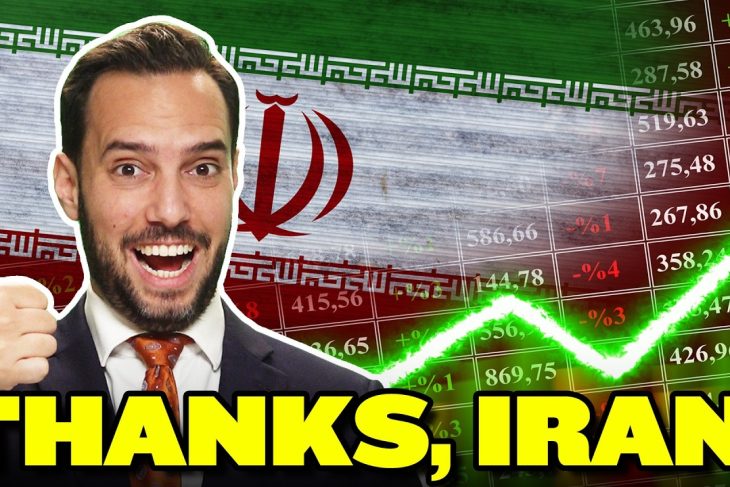
Taiwan has announced that its US tariff rate has been reduced from 20 percent to 15 percent, matching Japan, South Korea and the EU, as part of a sweeping trade and investment framework with Washington. The deal includes large-scale Taiwanese investment in the US semiconductor, AI and energy industries, along with government-backed credit guarantees and new industrial parks. Supporters argue the agreement strengthens economic integration and resilience, but critics warn it could hollow out Taiwan’s chip industry and weaken its so-called “Silicon Shield” that theoretically deters Chinese aggression. How does Taiwan’s model differ from Japan’s and South Korea’s? And what lessons should Taiwan take from the rise and sudden fall of Japan’s DRAM chip industry in late 20th century? In this episode, we discuss the US–Taiwan trade deal, comparisons with Japan and South Korea, historical lessons from past chip wars, and what the agreement means for Taiwan’s security and future position in global supply chains.

Author

YNOT — Two Tigers Consulting From Building Bridges to Watching China About 15 years ago, I founded a small company called Two Tigers Consulting with a relatively simple idea: help American and Chinese businesses work together. At the time, China represented one of the greatest business opportunities in the world — a rapidly expanding economy, extraordinary manufacturing capabilities, and ambitious entrepreneurs eager to build relationships with American companies. Two Tigers Consulting was created to help bridge that gap. For a while, it worked. We attended trade shows, arranged meetings, and introduced companies across both cultures. But after one particularly promising trade show, several Chinese businesspeople we had met were reportedly arrested upon returning to China — apparently for traveling without proper authorization. That experience taught me something important: in China, being a successful entrepreneur doesn't necessarily mean being free to conduct business. As Xi Jinping consolidated power and the political environment shifted, we concluded the potential rewards of doing business in China no longer justified the risks. Rather than abandon our knowledge entirely, Two Tigers evolved into a platform for following, discussing, and analyzing developments inside China — its economy, political leadership, and increasingly complicated relationship with the United States. I want to make absolutely clear that I have tremendous respect for the Chinese people — their entrepreneurs, engineers, and workers are extraordinarily capable. But I also believe China's political system creates fundamental contradictions: enormous private fortunes can be accumulated, yet ultimate political authority remains firmly concentrated, making relationships based on mutual trust and predictable rules extremely difficult to sustain. Today, Two Tigers is an independent publication examining China's achievements, challenges, ambitions, and contradictions — where they intersect with the United States and the broader world. What began as a small business venture now attracts roughly 10,000 visits a day. Understanding China is no longer optional: what happens there affects businesses, economies, and people throughout the world. And that is why Two Tigers continues.

Leave a Reply

Your email address will not be published. Required fields are marked *

Quantum24 Network