For more than 1.5 billion people experiencing hair loss, combing their hair each morning can be a source of quiet anxiety. Now, researchers from City University of Hong Kong and Beihang University say that routine could be the key to hair loss reversal.
South China Morning Post science reporter Shi Huang breaks down a study the team published in Nature Communications on the Detangle system – a microelectronic comb they developed that delivers medication deep into hair follicles using a pulsed electric field.
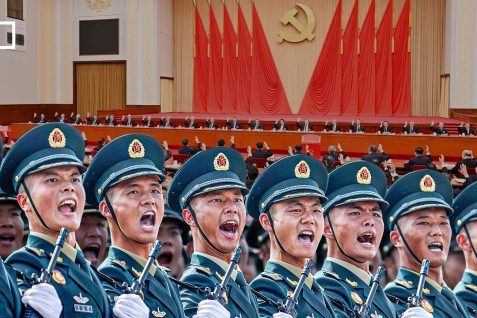
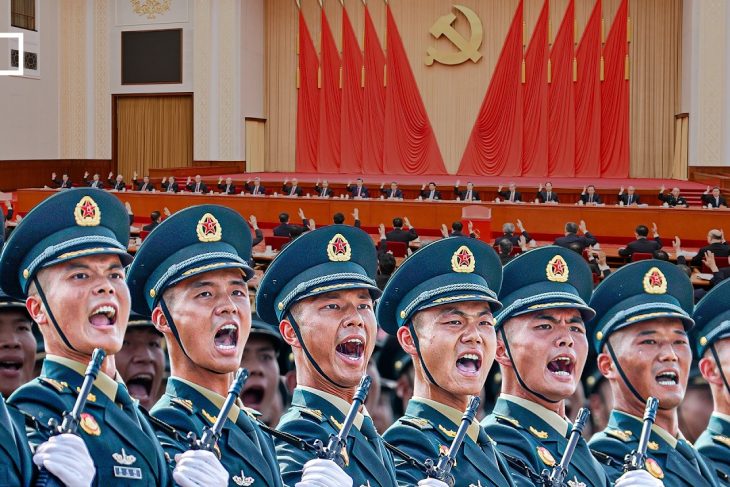
Beijing has hinted at the new leadership line-up in its military theatre commands, with fresh faces emerging during late October’s party conclave in the seating area reserved for key commanders, filling vacancies left by China’s anti-corruption drive.
Beijing has hinted at the new leadership line-up in its military theatre commands, with fresh faces emerging during late October’s party conclave in the seating area reserved for key commanders, filling vacancies left by China’s anti-corruption drive.
Ocarina of Time Is A Fundamentally Conservative Game
Help us make your Unmade in China 2026 Christmas Catalog!
Trump meets Xi at APEC and has a tender moment. Meanwhile, IS CHINA HACKING THE US?!
Operation Honey Pot: Paste this emoji 🍯 in your comment below.
Want to go deeper than YouTube will let us? Check out our website:
Just one day after its launch, Grand Theft Auto VI players discovered a 1987 Cantopop classic on the in-game radio. George Lam’s “Gan Ai Gan Zuo” (“Dare to Love, Dare to Act”) is the first Chinese-language song ever featured in a mainline GTA game, appearing among more than 840 licensed tracks.
Just one day after its launch, Grand Theft Auto VI players discovered a 1987 Cantopop classic on the in-game radio. George Lam’s “Gan Ai Gan Zuo” (“Dare to Love, Dare to Act”) is the first Chinese-language song ever featured in a mainline GTA game, appearing among more than 840 licensed tracks.
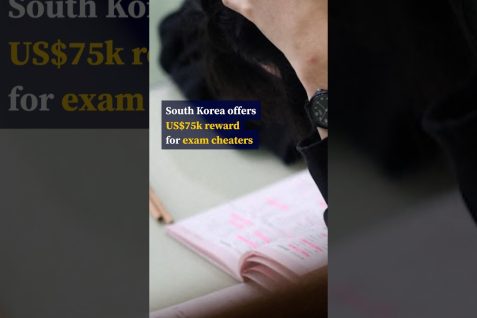
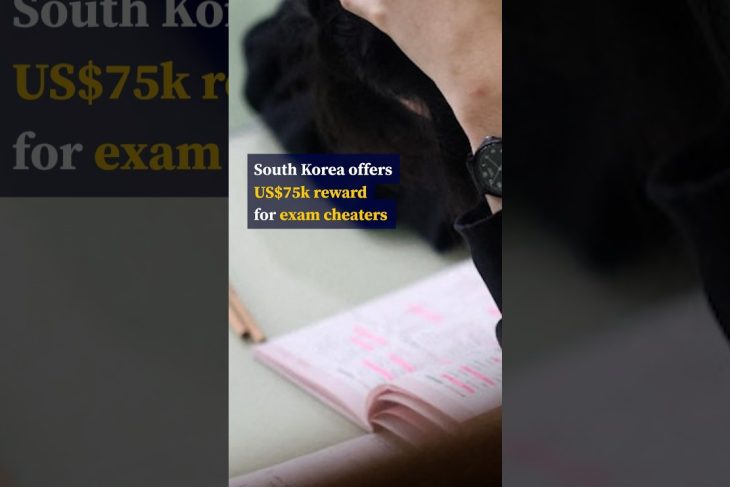
South Korea rolled out its strictest rules yet for students taking the Suneung university entrance exam after a top scorer admitted to using micro cameras and AI to cheat on a national test. Over half a million South Koreans sat the nearly nine-hour exam on Thursday. The exam is widely seen as a ticket to prestigious universities, well-paid jobs and even better marriage prospects in this highly competitive country. New anti-cheating measures include Wi-fi jamming, inspections of glasses and clothing and a US$75,000 reward to those who report AI-assisted cheating.
South Korea rolled out its strictest rules yet for students taking the Suneung university entrance exam after a top scorer admitted to using micro cameras and AI to cheat on a national test. Over half a million South Koreans sat the nearly nine-hour exam on Thursday. The exam is widely seen as a ticket to prestigious universities, well-paid jobs and even better marriage prospects in this highly competitive country. New anti-cheating measures include Wi-fi jamming, inspections of glasses and clothing and a US$75,000 reward to those who report AI-assisted cheating.
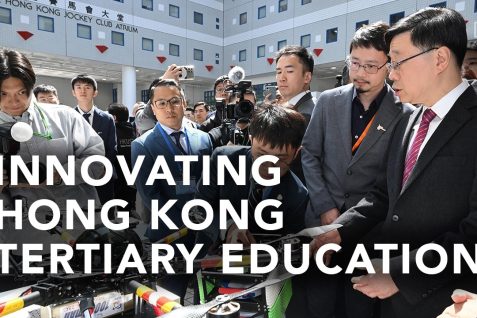
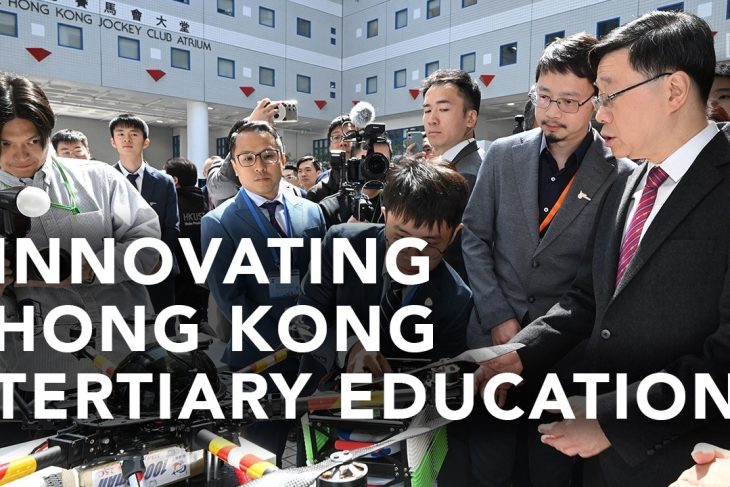
Although Hong Kong was globally famous as a successful trade and finance hub, it was not known for scientific research. But that started to change 35 years ago, when US-educated physicist Woo Chia-wei founded the Hong Kong University of Science and Technology (HKUST) with a vision of the city propelling the region’s transformation into an innovation hub.
After nurturing more than 2,000 start-ups, including 11 unicorns, and seven world-class InnoHK research centres spanning neuroscience, AI chips and space robotics, HKUST is now preparing to run the city’s third medical school.
Carrying that founding vision forward are HKUST’s president, Professor Nancy Ip, and the university council’s chairman, Professor Harry Shum. Hear from them as they reflect on 35 years of growth from a single campus to an “innovation corridor” that now stretches through Hong Kong’s Northern Metropolis mega development and across the border into Shenzhen, Guangzhou and beyond.
In the second episode of this video series, Audemars Piguet’s Lucas Raggi, chief industrial officer, and Sebastian Vivas, its heritage and museum director, explain the intricacies of the chronograph.
In the second episode of this video series, Audemars Piguet’s Lucas Raggi, chief industrial officer, and Sebastian Vivas, its heritage and museum director, explain the intricacies of the chronograph.
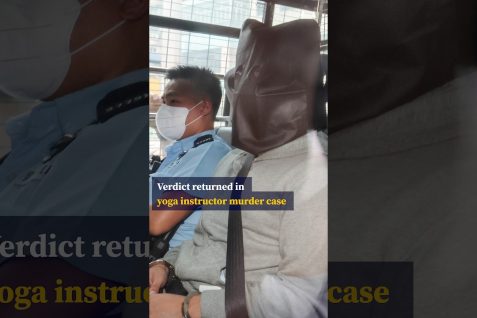
A High Court jury in Hong Kong on Thursday unanimously found Lo Chun-ming, a former legal assistant, guilty of murdering his yoga instructor ex-girlfriend and leaving her body in a blood-filled bathtub in a Ritz-Carlton hotel room. The murder occurred over four years earlier, on June 29 and 30, 2022.
A High Court jury in Hong Kong on Thursday unanimously found Lo Chun-ming, a former legal assistant, guilty of murdering his yoga instructor ex-girlfriend and leaving her body in a blood-filled bathtub in a Ritz-Carlton hotel room. The murder occurred over four years earlier, on June 29 and 30, 2022.
The United Nations’ top court has ruled that Myanmar “committed genocide” against the Rohingya population in a 2017 crackdown that left at least 10,000 dead and drove vast numbers into Bangladesh. The International Court of Justice (ICJ) says that Myanmar met virtually all provisions of the legal genocide convention and showed intent to “destroy a substantial part of” the minority group.
The International Court of Justice ruled on Thursday, November 19, that Myanmar committed genocide against its Rohingya Muslim minority during the military crackdown of 2017, in a judgment survivors have waited almost a decade to hear. It is the first time in its 80-year history that the United Nations’ top court has held a state legally responsible for committing genocide. Reading the verdict in The Hague, the court’s president, Yuji Iwasawa, said Myanmar had acted with an intention to destroy a substantial part of the Rohingya group in northern Rakhine State. The court found that around 10,000 Rohingya civilians were killed in a months-long campaign of mass shootings, arson and widespread sexual violence. Myanmar’s military-backed government dismissed the ruling on Friday as unfair, pointing out that the decision was not unanimous.
A Verdict Nearly a Decade in the Making
The case was brought in 2019 by The Gambia, a predominantly Muslim West African country thousands of miles from Myanmar, acting on behalf of a wider group of concerned states. The Gambia accused Myanmar of breaching its obligations under the 1948 Genocide Convention, the treaty adopted after the Second World War and the Holocaust. In 2022 the court decided it had jurisdiction to hear the case, rejecting Myanmar’s attempt to have it thrown out at an early stage. Judges then spent years weighing documentary evidence and hearing witness testimony about the 2017 operations. The final judgment runs to 191 pages and was delivered after a reading that lasted nearly three hours.
The events at the heart of the case began in 2017, when Myanmar’s security forces launched what they described as clearance operations against Rohingya communities in Rakhine State. The military said it was responding to attacks by Rohingya militants, and it maintained that defence throughout the court proceedings. The court rejected that justification, finding that the military did not distinguish between militants and civilians in its campaign. About 750,000 Rohingya fled across the border into Bangladesh in a matter of months, one of the fastest mass displacements of this century. Most of them remain there today, in sprawling refugee camps around Cox’s Bazar that now hold about 1.2 million people.
What the Court Found Happened in 2017
The judges found Myanmar responsible for three of the five categories of genocidal acts listed in the Genocide Convention. Those acts were killing members of the group, causing serious bodily and mental harm to members of the group, and imposing measures intended to prevent births within the group. The court gave particular weight to widespread sexual violence, to extreme violence against children, and to attacks on Rohingya as they tried to flee towards Bangladesh. It concluded that the scale and nature of the atrocities were characteristic of an intent to destroy a substantial part of the group. In the court’s words, the only reasonable inference that could explain Myanmar’s actions was an intention to destroy the Rohingya population of northern Rakhine.
That finding on intent is legally the most demanding part of any genocide case, and it is where this judgment breaks new ground. The court clarified that a genocidal intent can exist alongside other stated goals, including claimed military aims, rather than needing to be the sole motive. It also treated genocide not as a single event but as a process, built up through a pattern of acts over time. The decision was taken by nine votes to six, underlining how contested the legal questions remained even after years of evidence. Even so, a majority ruling of the World Court is final and binding on the state concerned, with no appeal available.
Reparations Ordered, Enforcement Uncertain
Alongside the finding of genocide itself, the court ordered Myanmar to take measures to repair some of the harm it caused. The orders include facilitating the safe, voluntary and dignified return of displaced Rohingya to their places of residence in Rakhine, and reuniting families separated by the violence. Myanmar was also ordered to provide compensation for suffering and lost property, and to allow the Rohingya to identify and bury their dead. The court further required a guarantee of non-repetition, a formal assurance that the crimes will not happen again. Those orders give Bangladesh and the Rohingya a powerful legal document to point to in any future negotiation over repatriation.
What the court cannot do is enforce its own judgment. The ICJ settles disputes between states and has no police force, no sanctions arm and no power to compel a government that refuses to comply. Myanmar’s first response suggests compliance will not come quickly, with a government spokesperson calling the ruling unfair and stressing that not all of the judges agreed. The country has also been consumed by a civil war since the military seized power in a coup in 2021, and renewed fighting in Rakhine since late 2023 has driven still more Rohingya into Bangladesh. The former armed forces chief who oversaw the 2017 campaign, Senior General Min Aung Hlaing, is now Myanmar’s president following elections widely described as engineered. For families in the Cox’s Bazar camps who celebrated the verdict this week, a safe return home still looks distant.
Why the Ruling Matters Far Beyond Myanmar
Because this is the first time the court has ever found a state responsible for genocide, lawyers and governments around the world are reading the judgment for what it says about proof, intent and state responsibility. Rights groups such as Amnesty International called the ruling a rare and unequivocal victory for survivors, and a permanent rebuttal of Myanmar’s long-standing denial. The United Nations human rights chief, Volker Türk, was among the senior figures whose reactions were gathered as the verdict landed. The court’s reasoning on intent is expected to be studied closely in other pending cases, including the genocide case brought by South Africa against Israel over Gaza, which Amnesty specifically cited. A ruling that intent can coexist with military objectives lowers one of the highest barriers that has historically protected states in such cases.
For China and the wider Asia-Pacific region, the judgment also lands in a complicated neighbourhood. Myanmar sits on China’s southwestern border, hosts major Chinese infrastructure investments, and has depended on diplomatic cover from Beijing and other regional partners throughout its isolation. A binding finding of genocide by the world’s highest court raises the reputational cost of that cover, even if it changes no government’s policy overnight. It also strengthens the hand of Bangladesh, which has carried the burden of hosting 1.2 million refugees while international aid has dwindled. Dhaka has already signalled that it sees the verdict as leverage for an eventual repatriation process. Whether that process ever begins will depend on politics in Myanmar, not on the law in The Hague, but the law has now spoken in terms no future negotiator can ignore.
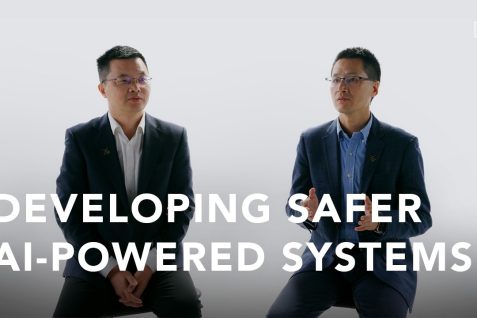
Professors Xu Jianliang and Han Bo, from Hong Kong Baptist University’s department of computer science, gain international recognition for research that makes AI-powered digital systems more secure and reliable.
Professors Xu Jianliang and Han Bo, from Hong Kong Baptist University’s department of computer science, gain international recognition for research that makes AI-powered digital systems more secure and reliable.
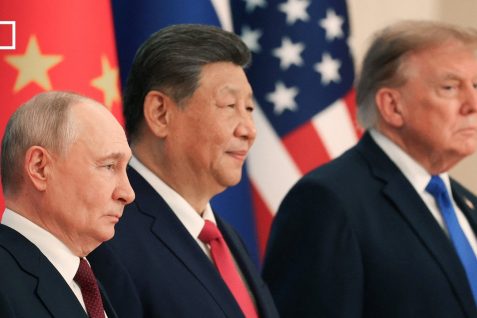
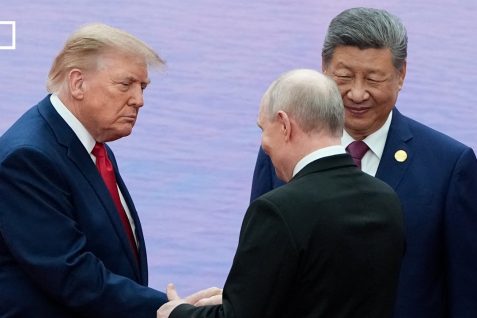
Chinese President Xi Jinping, Russian President Vladimir Putin and US President Donald Trump held their first trilateral meeting on the sidelines of the Asia-Pacific Economic Cooperation (Apec) summit in Shenzhen. At a round table, the leaders of the world’s biggest nuclear powers discussed global stability, nuclear arms and the conflicts in the Middle East and Ukraine.
Chinese President Xi Jinping, Russian President Vladimir Putin and US President Donald Trump held their first trilateral meeting on the sidelines of the Asia-Pacific Economic Cooperation (Apec) summit in Shenzhen. At a round table, the leaders of the world’s biggest nuclear powers discussed global stability, nuclear arms and the conflicts in the Middle East and Ukraine.
Grand Theft Auto VI has not been approved for sale in mainland China, yet playing the game isn’t officially banned. Some analysts predict up to four million copies will be bought there through unofficial channels, which would make it the first instalment in the franchise to achieve significant commercial success in China. Here’s how the mainland’s massive gaming community is navigating the grey area around the biggest video game release of all time.
Grand Theft Auto VI has not been approved for sale in mainland China, yet playing the game isn’t officially banned. Some analysts predict up to four million copies will be bought there through unofficial channels, which would make it the first instalment in the franchise to achieve significant commercial success in China. Here’s how the mainland’s massive gaming community is navigating the grey area around the biggest video game release of all time.
US President Donald Trump appeared to fall asleep during Chinese President Xi Jinping’s speech at the APEC summit in Shenzhen on Thursday following several days of travel and diplomatic meetings. In his address, President Xi called for openness, regional economic integration and free trade to drive growth across the Asia-Pacific region.
US President Donald Trump appeared to fall asleep during Chinese President Xi Jinping’s speech at the APEC summit in Shenzhen on Thursday following several days of travel and diplomatic meetings. In his address, President Xi called for openness, regional economic integration and free trade to drive growth across the Asia-Pacific region.
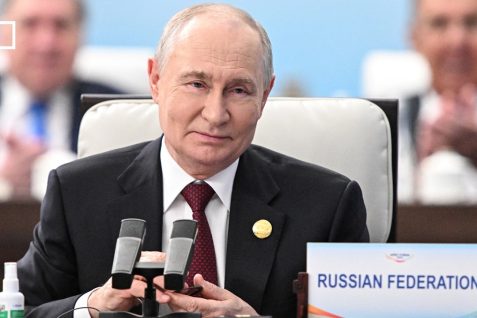
Russian President Vladimir Putin described Russia as a valuable supplier of energy resources, grain and fertilisers to the Asia-Pacific region during the Apec summit in Shenzhen on Thursday. Putin said that “creative partnership” with economies in the region was a “strategic course” for Russia.
Russian President Vladimir Putin described Russia as a valuable supplier of energy resources, grain and fertilisers to the Asia-Pacific region during the Apec summit in Shenzhen on Thursday. Putin said that “creative partnership” with economies in the region was a “strategic course” for Russia.
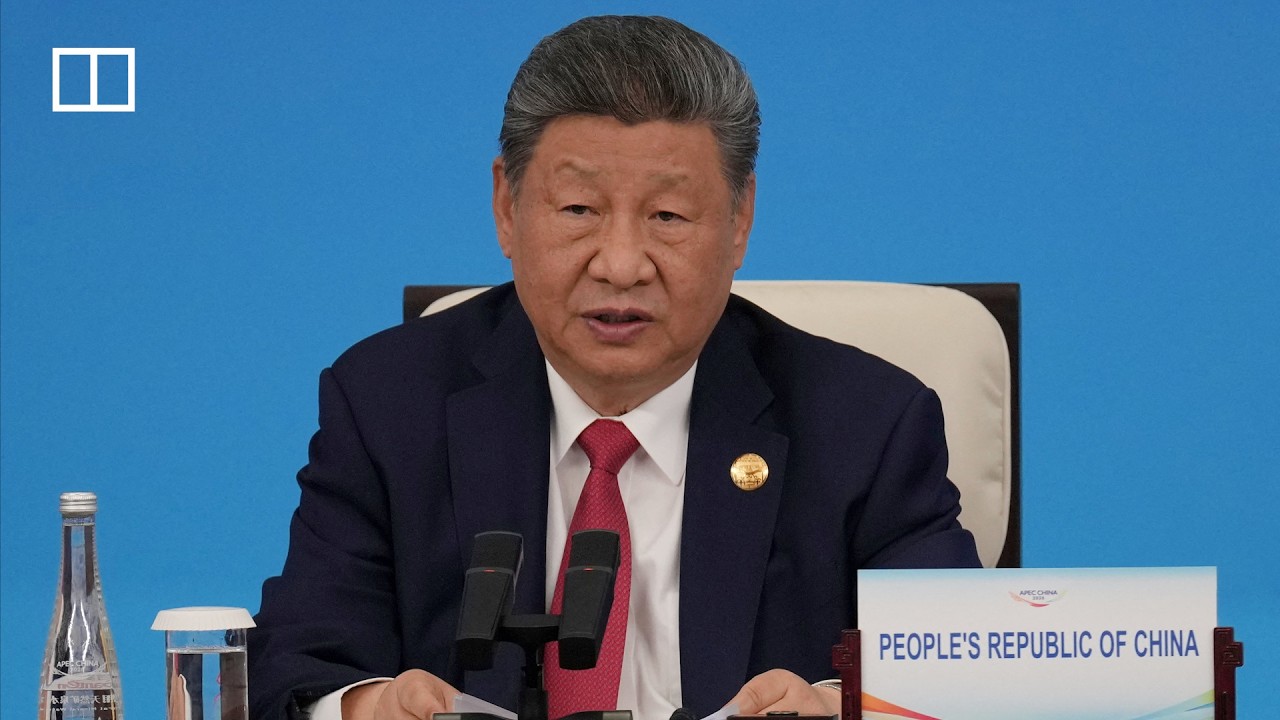
Chinese President Xi Jinping called for economic integration and technological cooperation as he addressed members at the 2026 Apec summit in Shenzhen on Thursday. Xi also announced that China will provide US$20 million to fund “practical cooperation within Apec.”
China used its home summit to make the case that the Asia-Pacific’s future is integration, and it put money and institutions behind the words. Chairing the 33rd APEC Economic Leaders’ Meeting in Shenzhen on Thursday, November 19, President Xi Jinping delivered remarks titled “Building an Asia-Pacific Community and Writing a New Chapter of the Asia-Pacific Miracle.” He told the assembled leaders that the Asia-Pacific community “sails on the same ship,” and he called for unity, open cooperation and steadily advancing economic integration across the region. Xi also announced that China will provide US$20 million to fund practical cooperation within APEC. The speech, carried in the South China Morning Post video above, was the centrepiece of a summit that also brought Presidents Donald Trump and Vladimir Putin to the same Chinese city.
Openness and Integration, With FTAAP as the Horizon
The first of the four pillars in Xi’s remarks put trade at the front. “Building an Asia-Pacific community requires openness and integration,” he said, arguing that the region should uphold open regionalism and develop a cooperation pattern that is “open and integrated, rather than exclusive or fragmented.” He championed free and open trade and investment as the way to open up more space for economic growth in the Asia-Pacific. As the long-term destination, he pointed to the Free Trade Area of the Asia-Pacific, the proposed FTAAP covering APEC’s economies, describing it as a shared vision among the forum’s members. The language was deliberately collective: no member economy was named in the remarks, and the argument was framed as a regional choice rather than a Chinese demand.
What the remarks did not contain is as notable as what they did. None of the four pillars carries a date, a target or a measure of progress, and the text does not mention tariffs or export controls, the two instruments that have done most to fragment Asia-Pacific trade in recent years. That restraint fits APEC’s character: the forum founded in 1989 works by consensus, and its commitments are voluntary rather than binding. Its 21 member economies together produce roughly 62 percent of global GDP, which gives its declarations weight even without enforcement. The APEC Policy Support Unit projected on November 17 that the region will grow 3.4 percent in 2026, a backdrop that lets leaders talk about integration as maintenance of success rather than rescue from crisis.
Money and Institutions on the Table
Xi backed the vision with specific, if modest, commitments. “I hereby announce that China will provide US$20 million to support APEC’s practical cooperation,” he told the leaders, in the foreign ministry’s English text of his remarks. He announced that China will establish a Center for Asia-Pacific Community Studies in Shenzhen to carry out policy research and exchanges and provide intellectual support. Beijing will also set up cooperation institutions in digital technology, cross-border data flow, clean energy and the development of small and medium-sized enterprises, aimed at innovation-driven and green growth. The fields chosen are telling: data flow and clean energy are areas where regional rules are still being written, and where the host of the institution that writes them gains lasting influence.
The limits of the package should be kept in view. The text gives no period over which the $20 million will be spent and no split between projects, and it names no budget, host arrangement or start date for the new institutions. Even so, the summit produced paper as well as speeches: the meeting adopted by consensus the 2026 APEC Leaders’ Declaration, setting out what was called the Shenzhen Outlook on building an Asia-Pacific community, together with three outcome documents on trade, connectivity and innovation. Declarations are APEC’s normal currency, and this one now carries China’s preferred vocabulary of community and integration. Whether the vocabulary becomes policy depends on follow-through that Thursday’s text does not schedule.
Three Presidents in One City
Shenzhen’s real drama was the guest list. Putin, addressing the same summit on Thursday, described Russia as a valuable supplier of energy resources, grain and fertilisers to the Asia-Pacific and said that “creative partnership” with the region’s economies was a “strategic course” for Russia, insisting Russia is inseparable from the region. A day earlier, Xi and Putin had pledged stable ties ahead of their meetings with Trump, presenting the China-Russia relationship as the settled fact around which the summit’s uncertainty revolved. For Moscow, an APEC stage in China is a demonstration that its economic centre of gravity can shift east when the west is closed. For Beijing, hosting both men at once is a demonstration of convening power that no communique can match.
The bilateral that mattered most followed on Thursday afternoon, when Xi met Trump in Shenzhen. China’s foreign ministry said Xi called for stronger communication on economic and trade issues, and that Trump said the two sides should cooperate more in agricultural products, energy and superintelligence. Neither government had published a tariff, purchase or other trade figure by the time the first detailed accounts appeared, so the meeting’s concrete yield remains unproven. A three-way meeting of Trump, Xi and Putin was also expected around the summit, with the Kremlin saying it should last less than an hour and Ukraine, Iran and trade expected on the agenda. An hour is a photo opportunity with an agenda attached, not a negotiation, and nothing in the summit’s published outcomes should be read as a trilateral agreement.
The Gap Between Vision and Timetable
Xi’s Shenzhen pitch is best understood as an offer of architecture. China is offering the region a framework — community language, a research centre in the host city, institutes in the technologies where rules are unwritten, and a long-term free trade horizon in FTAAP — and asking members to build inside it. The offer is inexpensive for Beijing and difficult for others to refuse outright, because every element is voluntary and none of it requires a member to concede anything on tariffs today. Its weakness is the same as its strength: without dates, budgets or binding commitments, integration advances at the speed of the slowest consensus. The coming months will show whether the Shenzhen institutions acquire budgets and opening dates, and whether the Xi-Trump channel produces the figures it has so far withheld.
Help us make your Unmade in China 2026 Christmas Catalog!
China is building a massive fleet of underwater drones, giant unmanned submarines, and ships designed to launch them. These weapons could change the balance of power in the Pacific—and potentially threaten America’s West Coast. Meanwhile, the US Navy is struggling to catch up. Is America already falling behind in the next underwater arms race?
Operation Honey Pot: Paste this emoji 🍯 in your comment below.
Want to go deeper than YouTube will let us? Check out our website:
Help us make your Unmade in China 2026 Christmas Catalog!
China is building a massive fleet of underwater drones, giant unmanned submarines, and ships designed to launch them. These weapons could change the balance of power in the Pacific—and potentially threaten America's West Coast. Meanwhile, the US Navy is struggling to catch up. Is America already falling behind in the next underwater arms race?
Operation Honey Pot: Paste this emoji 🍯 in your comment below.
Want to go deeper than YouTube will let us? Check out our website:
After 22 years, Hong Kong’s nightly synchronised light show, “A Symphony of Lights”, lit up Victoria Harbour for a final time before being permanently switched off on Wednesday. The nightly spectacle will be replaced by seasonal light shows across different districts as authorities seek to refresh the city’s tourism offerings.
After 22 years, Hong Kong’s nightly synchronised light show, “A Symphony of Lights”, lit up Victoria Harbour for a final time before being permanently switched off on Wednesday. The nightly spectacle will be replaced by seasonal light shows across different districts as authorities seek to refresh the city’s tourism offerings.
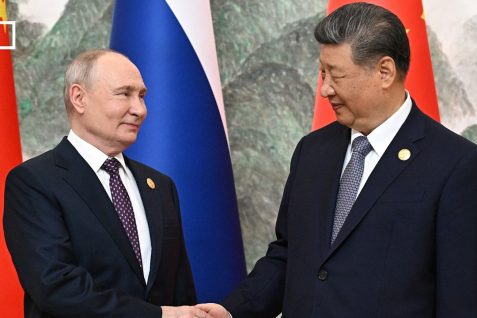
Chinese President Xi Jinping and Russian President Vladimir Putin met on the sidelines of the Apec summit in Shenzhen on Wednesday to reaffirm their strategic partnership and discuss a multipolar world order ahead of a historic trilateral summit with US President Donald Trump. The SCMP reported last week that the trilateral meeting could yield a commitment to control AI in nuclear arsenals as part of a broader agenda on global governance.
Chinese President Xi Jinping and Russian President Vladimir Putin met on the sidelines of the Apec summit in Shenzhen on Wednesday to reaffirm their strategic partnership and discuss a multipolar world order ahead of a historic trilateral summit with US President Donald Trump. The SCMP reported last week that the trilateral meeting could yield a commitment to control AI in nuclear arsenals as part of a broader agenda on global governance.
Russian President Vladimir Putin said on Wednesday that he expects “big potential benefits” from his coming trilateral talks with US President Donald Trump and Chinese President Xi Jinping at the Apec summit in Shenzhen.
Russian President Vladimir Putin said on Wednesday that he expects “big potential benefits” from his coming trilateral talks with US President Donald Trump and Chinese President Xi Jinping at the Apec summit in Shenzhen.
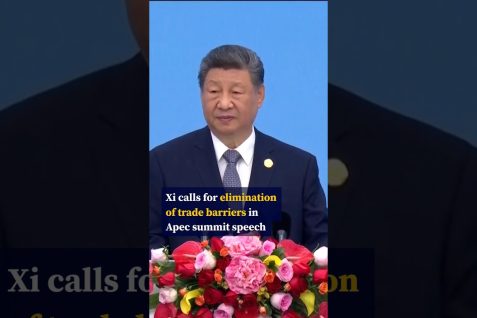
Chinese President Xi Jinping described the current geopolitical situation as “complex and volatile” during his speech to open the 2026 Apec summit in the southern Chinese city of Shenzhen on Wednesday. Xi cited rising protectionism, weak growth momentum and new challenges posed by emerging technologies, and called for the elimination of trade barriers.
Chinese President Xi Jinping described the current geopolitical situation as “complex and volatile” during his speech to open the 2026 Apec summit in the southern Chinese city of Shenzhen on Wednesday. Xi cited rising protectionism, weak growth momentum and new challenges posed by emerging technologies, and called for the elimination of trade barriers.
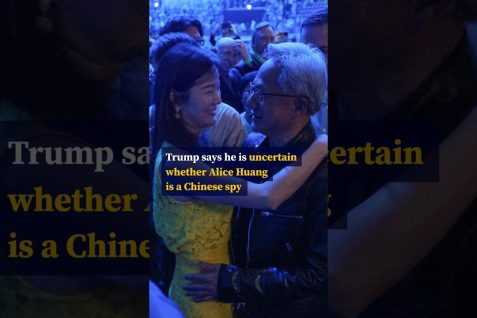
US President Donald Trump said on Monday that he is uncertain whether one of the women with whom former Nvidia CEO Jensen Huang had an alleged affair is a Chinese spy. Trump said that many “beautiful” Chinese women like Alice Huang often faced spying accusations.
US President Donald Trump said on Monday that he is uncertain whether one of the women with whom former Nvidia CEO Jensen Huang had an alleged affair is a Chinese spy. Trump said that many “beautiful” Chinese women like Alice Huang often faced spying accusations.
US President Donald Trump said on Monday that he is uncertain whether one of the women with whom former Nvidia CEO Jensen Huang had an alleged affair is a Chinese spy. Trump said that many “beautiful” Chinese women like Alice Huang often faced spying accusations.
US President Donald Trump said on Monday that he is uncertain whether one of the women with whom former Nvidia CEO Jensen Huang had an alleged affair is a Chinese spy. Trump said that many “beautiful” Chinese women like Alice Huang often faced spying accusations.
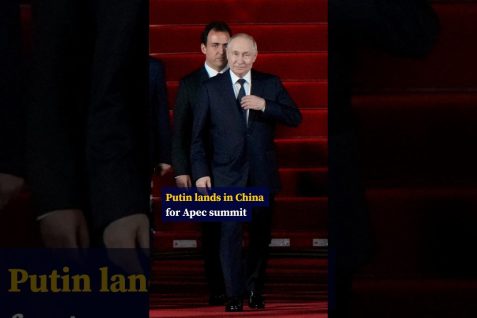
Russian President Vladimir Putin arrived in Shenzhen for the 2026 Apec summit early Wednesday morning. He was greeted on the tarmac by Politburo Standing Committee member Cai Qi. Putin, Chinese President Xi Jinping and US President Donald Trump will hold a trilateral meeting on Thursday.
Russian President Vladimir Putin arrived in Shenzhen for the 2026 Apec summit early Wednesday morning. He was greeted on the tarmac by Politburo Standing Committee member Cai Qi. Putin, Chinese President Xi Jinping and US President Donald Trump will hold a trilateral meeting on Thursday.
In the southern Chinese city of Shenzhen, a “Robot Valley” has gradually taken shape, located in the narrow valley between the Yangtai and Tanglang mountains. With more than 200 robotics companies gathered here, a complete robotics production chain has formed. Ahead of the upcoming Asia-Pacific Economic Cooperation (Apec) summit in the city, SCMP’s senior AI reporter, Vincent Chow, visited Robot Valley to explore China’s latest progress in robotics.
In the southern Chinese city of Shenzhen, a “Robot Valley” has gradually taken shape, located in the narrow valley between the Yangtai and Tanglang mountains. With more than 200 robotics companies gathered here, a complete robotics production chain has formed. Ahead of the upcoming Asia-Pacific Economic Cooperation (Apec) summit in the city, SCMP’s senior AI reporter, Vincent Chow, visited Robot Valley to explore China’s latest progress in robotics.
Watch the full podcast!
The CCP has become emboldened in recent years, showing its true colors to the world with speeches like Xi Jinping’s CCP 100th anniversary speech in which he said foreign adversaries who try to suppress China will have their heads bashed bloody against the Great Wall of steel forged by over 1.4 billion Chinese people. Here’s what keeps U.S advisors up at night about China, according to our guest Robert Kaplan, author of “China Whisperers.”
Join our fight to expose the CCP at and get ALL the new full-length interviews!
And check out our other channel, China Uncensored:
China’s most recognisable female bodyguard returned to the spotlight on Monday, following closely behind Mexican President Claudia Sheinbaum as she arrived in Shenzhen for the Asia-Pacific Economic Cooperation summit. While Chinese authorities have not officially confirmed the officer’s identity, she has been widely identified online as Xu Jin of the Ministry of Public Security’s Special Service Bureau.
China’s most recognisable female bodyguard returned to the spotlight on Monday, following closely behind Mexican President Claudia Sheinbaum as she arrived in Shenzhen for the Asia-Pacific Economic Cooperation summit. While Chinese authorities have not officially confirmed the officer’s identity, she has been widely identified online as Xu Jin of the Ministry of Public Security’s Special Service Bureau.
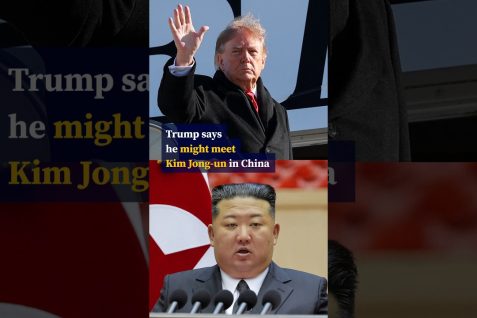
On Monday, US President Donald Trump hinted at a possible meeting with North Korean leader Kim Jong-un during his trip to Shenzhen for the Asia-Pacific Economic Cooperation (Apec) summit.
US President Donald Trump has raised the possibility of meeting North Korean leader Kim Jong-un in China this week, on the sidelines of the Asia-Pacific Economic Cooperation summit in Shenzhen. Trump said on Monday that any meeting with Kim would take place in China, and he placed the decision largely in the hands of the Chinese host. “(Xi) was here, and we’re also going to meet with (Russian) President Putin, and we may meet with Kim Jong-un also,” Trump said. “He may come. I don’t know. That’s up to President Xi.” The South China Morning Post reported the remarks as Trump travelled to Shenzhen for the APEC leaders’ meeting, which runs on November 18 and 19.
A Kremlin Comment That Moved the Odds
The speculation gained force on Tuesday after Russia’s Interfax news agency quoted the Kremlin on a possible meeting between Kim and Russian President Vladimir Putin. Kremlin spokesman Dmitry Peskov said Putin could meet Kim, adding: “Of course, if he is at the APEC summit.” Analysts told Reuters that the Kremlin comment shifted expectations, because Moscow would be unlikely to float such a meeting publicly without some confidence behind it. Sydney Seiler, a former US national intelligence officer for North Korea now at the Center for Strategic and International Studies, said the Kremlin “wouldn’t do that unless they were certain he was going to meet.” John Delury, a professor at the Hopkins-Nanjing Center, put it more bluntly: “If Kim goes to Shenzhen, he’s going to talk to Donald Trump.”
Trump, Xi Jinping and Putin are already scheduled to meet on Thursday in Shenzhen on the sidelines of the summit, in what would be the first summit ever held among the leaders of the three countries, with Beijing confirming that meeting on Monday. Adding Kim to that gathering would turn an already historic week of diplomacy into something without precedent. North Korea is not an APEC member, so Kim would attend as a guest rather than as a summit participant in his own right. His presence would also put four leaders with nuclear arsenals, or nuclear ambitions at the centre of their security policies, in the same city at the same time. That is precisely why officials are being careful not to confirm anything before it is certain.
Plenty of Reasons for Caution
Against the rising speculation stand several hard facts, and they deserve equal weight in any honest account of this story. US and South Korean officials had previously said the chances of a Trump-Kim meeting were low, and South Korea’s foreign ministry told local media on Tuesday that it still viewed the possibility as low. China’s foreign ministry, asked on Tuesday whether Kim had been invited to the APEC summit, said it had no information to share. The APEC secretariat likewise said it had no information about China and its guests, and neither China’s foreign ministry, the North Korean embassy in Beijing nor APEC immediately responded to Reuters requests for comment. Reuters also reported that there is little sign that China is making preparations for Kim to travel, which would normally be visible well before a visit of this sensitivity.
Kim Jong-un also travels rarely, and every foreign trip he takes is choreographed for maximum security and maximum symbolism. A journey to Shenzhen would be his most consequential outing in years, placing him alongside the leaders of China, Russia and the United States in a single frame. For Beijing, hosting such a gathering would underline its claim to be the indispensable broker in Northeast Asian security. For Moscow, a Putin-Kim meeting on Chinese soil would showcase the partnership the two countries have built since Russia’s full-scale war in Ukraine began. For Trump, a handshake with Kim would revive the most theatrical strand of diplomacy from his first term, whether or not it produced any agreement.
What a Meeting Could — and Could Not — Do
Trump and Kim met three times during Trump’s first presidency, and those encounters remain the high-water mark of direct US-North Korea diplomacy. Their first summit, in Singapore in June 2018, produced a broad statement on denuclearisation and new relations but no detailed commitments. A second summit, in Hanoi in February 2019, ended early without a deal, after the two sides failed to agree on sanctions relief and nuclear steps. A brief third meeting at the demilitarised zone in June 2019 restarted talks symbolically, but working-level negotiations never recovered, and no agreement followed. Since then North Korea has expanded its nuclear and missile programmes and deepened its ties with Russia, which makes any new meeting a very different negotiation from the ones of 2018 and 2019.
That record is why experienced Korea watchers separate the theatre of a meeting from the substance of one. A handshake in Shenzhen would dominate headlines worldwide and would signal that the door to diplomacy is not closed, and that alone would matter to Seoul, Tokyo and every capital watching the peninsula. It would not, by itself, roll back a single North Korean warhead, reopen inspections, or settle the sanctions that have accumulated over years of missile tests. The most a first encounter could realistically produce is an agreement to talk again, possibly with working-level teams and a defined agenda. Even that modest outcome would require preparation that, on the public evidence available on Tuesday, has not visibly taken place.
For South Korea, the stakes are immediate and practical rather than theatrical. Seoul has the most to gain from any easing of tensions on the peninsula, and the most to lose if it is cut out of a conversation about its own security. Its foreign ministry’s insistence that the chances remain low may reflect genuine information, a wish to lower expectations, or both at once. Japan, which lives within range of North Korean missiles, would also watch a Shenzhen meeting closely for any sign of what it means for regional deterrence. The coming days will settle the question one way or the other, because Kim either appears in Shenzhen or he does not.
As of Tuesday, then, the accurate summary is a narrow one: Trump has said a meeting might happen in China, the Kremlin has said a Putin-Kim meeting is possible if Kim attends, and analysts say those two comments together have raised the odds. No government has confirmed that Kim is coming, China says it has no information to share, and South Korea still rates the chances as low. Previously mooted Trump-Kim meetings have repeatedly failed to take place, and this one may join that list by the end of the week. If Kim does walk into Shenzhen, however, the APEC summit will be remembered less for trade than for the most unexpected diplomatic photograph of the year.
Dashcam video captured the terrifying moment a huge boulder rolled off a mountain in China’s Sichuan province and smashed into the rear of a car along a highway on Saturday. Traffic was moving slowly because of the high volume of tourists during the holidays. Authorities confirmed no one was hurt.
Dashcam video captured the terrifying moment a huge boulder rolled off a mountain in China’s Sichuan province and smashed into the rear of a car along a highway on Saturday. Traffic was moving slowly because of the high volume of tourists during the holidays. Authorities confirmed no one was hurt.
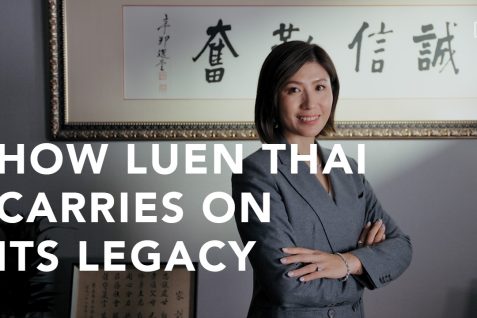
The third-generation executive at the Hong Kong-headquartered conglomerate reflects on how the family’s motto of “integrity and diligence” and her own global experience have helped her expand its hospitality business.
The third-generation executive at the Hong Kong-headquartered conglomerate reflects on how the family’s motto of “integrity and diligence” and her own global experience have helped her expand its hospitality business.
A motorcycle rental shop on Thailand’s holiday island Phuket was engulfed in flames on Monday, killing at least 11 people and leaving more than a dozen in hospital. Firefighters eventually brought the blaze under control after it had spread to nearby buildings.
A fire that began in a motorcycle rental shop in Patong, on Thailand’s resort island of Phuket, killed 11 people in the early hours of Monday, November 16, after flames and dense smoke spread into the rooms above the business. Thai reports place the start of the blaze at about 3:15 a.m. on Phang Muang Sai Kor Road in Patong, in Phuket’s Kathu district, while the Associated Press put the outbreak at around 2 a.m. The ground floor held more than 100 motorcycles, and the floors above had been turned into rooms where staff and their relatives lived. Firefighters brought the fire under control by about 5:15 a.m., after it had spread to neighbouring buildings. The Bangkok Post reported that the fire gutted five shophouses in Patong, the best-known beach town on the island.
The People Who Died Were Upstairs
All 11 of the dead were found on the upper floors, in rooms, in corridors and on the stairs, according to Thai reporting of the scene. The victims were eight women and three men, the Daily News reported from the site. Patong’s deputy mayor, Sanakorn Keesin, told the Thaiger that most of the dead appeared to have died from smoke inhalation rather than from burns. That pattern is tragically familiar in shophouse fires, where smoke rises faster than occupants above a commercial floor can find a way down. Police told Reuters that no tourists were among those killed or injured, a detail that underlines who actually lives above Patong’s tourist businesses.
The number of injured people has not been settled, and the conflicting figures should be read as competing counts of the same fire rather than as separate groups of casualties. Police-based reporting carried by Reuters gives 16 injured, while the Associated Press reported 17 people with minor injuries. Patong Hospital was reported to have treated 17 people for smoke inhalation and sent 14 of them home. Other early accounts put the injured at 30, 36 or as high as 38, and those higher figures have not been reconciled with the police count. Until Thai authorities publish a final casualty bulletin, the only firm numbers are the 11 confirmed deaths and an injury toll somewhere in the teens or higher.
Rooms Without Permission, and No Fire Escape
Within hours, the questions turned from the fire itself to the building it burned in. Deputy Interior Minister Jeseth Thaiseth, who visited the site on Monday, told PPTV that the upper floors had been converted into rooms without permission and had no fire escape stairs. If that account is confirmed, the people sleeping above the shop had no protected route out once smoke filled the stairway they shared with the business below. The governor of Phuket said the rental business held about 100 motorcycles along with stored gasoline, engine oil, plastic materials and tyres. A coin-operated fuel pump at the premises has also been raised by officials examining how the fire took hold and spread so quickly.
The suspected cause remains unconfirmed, and investigators have been careful to describe it as a first suspicion rather than a finding. One early theory is a short circuit at the electricity pole in front of the building during rain, with sparks falling onto the motorcycles and the fuel pump below. Phuket police commander Surachai Sooksai said initial findings indicated that an electrical transformer near the building may have exploded shortly before the fire started. Those two accounts point in a similar direction, towards an electrical fault outside the shop, but neither has been established by a completed investigation. The exact cause, and whether building or fire-safety failures contributed to the deaths, are the central questions the inquiry now has to answer.
Response, Assistance and What Happens Next
Prime Minister and Interior Minister Anutin Charnvirakul contacted Phuket’s governor on Monday and directed assistance for the injured and an investigation into the cause, Thai PBS reported. The Phuket Red Cross and the Kusoldharm Foundation announced initial funeral assistance of 35,000 baht for each of the 11 people who died. Thai reporting also described individual escapes that show how close the margin was, including a pregnant woman who jumped from the second floor and survived. The rental shop’s owner was reported to have lost about 10 million baht in the fire, a figure that counts only the business and none of the human cost above it. Rescue foundations and hospital staff spent Monday accounting for residents, and reporting has not yet established that every person who lived in the building has been formally accounted for.
The Patong fire is, at its core, a story about a building type found all over Thailand’s tourist towns. Shophouses combine a business at street level with living space above, which is efficient and affordable for the workers a resort economy depends on. When the business below stores fuel, oil and a hundred motorcycles, that arrangement concentrates risk directly underneath the people asleep upstairs. Fire safety in such buildings depends on exactly the things officials say this one lacked: authorised conversions, protected escape routes and separation between commercial fuel loads and homes. Whether Patong’s rules failed, or were simply never enforced on this building, is what the investigation must now establish in evidence rather than in early statements.
For now, the confirmed account is deliberately narrow. Eleven people died, most of them apparently from smoke, in rooms above a motorcycle rental shop that caught fire before dawn on Monday. The injury count remains unreconciled, the cause remains under investigation, and the victims had not been publicly identified in the reporting available on Tuesday. What is already clear is that the dead were not customers of Patong’s nightlife but residents of its working buildings, staff and relatives living above a shop floor. Their deaths will be measured not only by what started the fire, but by whether anyone had checked the rooms they slept in before the night they could not get out.
This video examines claims that Jensen Huang hired two criminal defense lawyers and asks whether he could face charges. It also looks at the two alleged chip smuggling routes highlighted in the thumbnail and whether Huang has one last move for a comeback.
This video examines claims that Jensen Huang hired two criminal defense lawyers and asks whether he could face charges. It also looks at the two alleged chip smuggling routes highlighted in the thumbnail and whether Huang has one last move for a comeback.
More young people in China are living alone, and recently released official Chinese Communist Party figures have drawn attention. The China Statistical Yearbook 2026 shows that one-person households made up 26.4% of all households in 2025, while two-person households accounted for 33.2%. Together, they represented 59.6%, nearly 60%. Add the 19% with three people, and small households accounted for almost 80%. The once-familiar scene of three generations sharing a home and gathering around a lively dinner table is no longer the norm.
More young people in China are living alone, and recently released official Chinese Communist Party figures have drawn attention. The China Statistical Yearbook 2026 shows that one-person households made up 26.4% of all households in 2025, while two-person households accounted for 33.2%. Together, they represented 59.6%, nearly 60%. Add the 19% with three people, and small households accounted for almost 80%. The once-familiar scene of three generations sharing a home and gathering around a lively dinner table is no longer the norm.
Help us make your Unmade in China 2026 Christmas Catalog!
Nvidia CEO Jensen Huang is facing serious questions over his connections to a company accused of helping move banned AI chips into China. But the bigger scandal may be how Nvidia and the US Commerce Department handled the investigation. Did America’s own export-control system help China gain access to critical AI technology?
Operation Honey Pot: Paste this emoji 🍯 in your comment below.
Want to go deeper than YouTube will let us? Check out our website:
An unusual scene is unfolding in some urban housing complexes in China. Modern apartment towers rise dozens of stories overhead, while the landscaped lawns below have turned into busy livestock yards. Chickens, ducks, and geese run everywhere. Even cattle and sheep have appeared.
An unusual scene is unfolding in some urban housing complexes in China. Modern apartment towers rise dozens of stories overhead, while the landscaped lawns below have turned into busy livestock yards. Chickens, ducks, and geese run everywhere. Even cattle and sheep have appeared.