Chinese officials increasingly warn about the so-called “Thucydides Trap,” the idea that a rising China and an established United States are destined for war. But the historical comparison falls apart under …
Chinese officials increasingly warn about the so-called “Thucydides Trap,” the idea that a rising China and an established United States are destined for war. But the historical comparison falls apart under closer examination. From ancient Athens and Sparta to modern America and China, Hanson breaks down why the analogy is flawed, why the United States is not a declining power, and why China may be facing deeper long term problems than many in the West are willing to admit. Despite endless predictions of American decline, the United States still leads China in energy production, military power, food security, technological dominance, alliances, and economic productivity, while China faces mounting problems with demographics, debt, energy dependence, and slowing growth.
Victor Davis Hanson from The Daily Signal presents an analysis challenging the popular notion that a rising China and established United States are destined for conflict due to the so-called Thucydides Trap. Hanson argues that this historical analogy fails under scrutiny when comparing ancient Athens and Sparta to modern geopolitical realities. He asserts that contrary to widespread predictions of American decline, the United States maintains significant advantages over China in critical areas including energy production, military capabilities, food security, technological dominance, alliance networks, and economic productivity. Meanwhile, China confronts substantial long-term challenges such as demographic shifts, heavy debt burdens, reliance on foreign energy sources, and slowing economic growth. The discussion suggests that Western observers often overlook these deeper structural issues facing the Chinese economy. Hanson breaks down why the comparison between current events and ancient history is flawed, emphasizing that the United States remains a leading global power while China faces internal problems that many in the West are reluctant to admit publicly.
President Donald Trump says a deal to end the Iran war is possible before his visit to China next week. This comes as Iran’s foreign minister meets with China’s top diplomat …
President Donald Trump says a deal to end the Iran war is possible before his visit to China next week. This comes as Iran’s foreign minister meets with China’s top diplomat in Beijing at China’s invitation. We have the key takeaways. A man accused of opening a secret Chinese police station in New York is on trial this week. What prosecutors say he did to help Beijing carry out its agenda on U.S. soil—and why the case matters. Flora Hua reports from the courtroom. China is reportedly still supplying key drone parts to Russia and Iran despite U.S. sanctions. A new report shows the flow may be increasing. Japanese and U.S. forces conduct live-fire drills in a major regional exercise as security cooperation grows amid rising tensions with Beijing in the South China Sea. A brazen act of foreign interference in Canada: The Chinese Consulate pressured Vancouver city officials to cancel a Shen Yun performance—but failed. 00:00 Intro 01:18 Trump: Deal to End Iran War Possible Before China Visit 01:34 China Top Diplomat Meets With Iran Foreign Minister 02:33 Expert: China, Iran Likely Discussed How to Cope With U.S. 03:14 Greer: Trump, Xi to Discuss China’s Iran Oil Purchases 03:45 U.S. to Address Human Rights During China Visit 04:32 Satellite Chinese Police Station in NYC on Trial: Day 3 07:172.5 Million Tons of Lithium Found in U.S. 07:54 China Still Supplying Drone Parts to Russia, Iran: WSJ 09:02 Japan, U.S. Hold Live-Fire Drills Facing South China Sea 10:45 China Pressured Vancouver Official to Cancel Shen Yun 13:44 Lee Smith on Trump’s Leverage Heading Into Xi Summit 14:02 China Loses Edge as Trump Gains Energy Upper Hand 15:28 Break From Past: Trump to Press Xi on Human Rights 17:29 Trump Faces China Strategy Shaped by Elites 19:57 Taiwan Tied to Broader U.S.-China Strategy 21:31 Trump 2.0: More Leverage, Broader China Push
This episode of China in Focus examines ongoing diplomatic and strategic developments between the United States, China, and other global powers. President Donald Trump suggests a potential agreement to end the war in Iran could be reached before his upcoming visit to Beijing, where he is scheduled to meet with Chinese leader Xi Jinping. Concurrently, Iranian and Chinese diplomats are holding discussions in Beijing at the invitation of China's leadership. A significant portion of the report addresses allegations that China continues to supply critical drone components to both Russia and Iran, despite existing U.S. sanctions, with some reports indicating this flow may be increasing.
The program also covers a trial involving an individual accused of establishing a secret Chinese police station in New York, highlighting concerns over Beijing's activities on U.S. soil. In the region, Japan and the United States are conducting live-fire drills as security cooperation intensifies amid rising tensions in the South China Sea. Additionally, the episode details an incident where the Chinese Consulate in Canada reportedly pressured Vancouver officials to cancel a Shen Yun performance, though the request was unsuccessful. The broadcast further explores topics such as lithium reserves found in the U.S., human rights discussions expected during the summit, and broader strategies regarding Taiwan and energy leverage.
Taiwan is raising its military budget to more than 3 percent of GDP, with officials already eyeing an even bigger jump in the years ahead. The move follows President Donald Trump’s …
Taiwan is raising its military budget to more than 3 percent of GDP, with officials already eyeing an even bigger jump in the years ahead. The move follows President Donald Trump’s call for stronger alliances and deterrence. Members of the free world are responding to Trump’s deterrence call. Across the Indo-Pacific, key allies and partners are boosting their defense budgets. We break it down. How close are we to a war over Taiwan? We spoke with an expert who explains why the West may need to prepare. The Philippines and Australia are joining forces in a new defense pact. The deal boosts military cooperation between the two key U.S. allies and counters growing threats from communist China. Trump speaks out on TikTok, addressing security risks and the future of the Chinese-owned app. Is a sale to American buyers possible? 00:00 Intro 01:10 Key U.S. Asia Defense Partners Favor Budget Rise 02:56 WH: Peace Through Strength Delivering Results 05:05 Paskal: West Should Prepare for China’s Taiwan Invasion 07:51 Nvidia CEO in Taiwan to Visit TSMC 10:14 U.S. Navy Sailor Convicted of Spying for China 10:53 Fed Chair Powell Opens Door to Interest Rate Cut 12:57 Rate Cut Not Guaranteed as Powell Flags Inflation Risks 14:16 Philippines & Australia to Seal New Defense Pact 16:38 Trump Addresses TikTok Safety Concerns, Potential Buyers 17:22 TikTok to Lay Off Hundreds of Staff in UK 18:40 Pandora to Close About 100 Stores in China 19:44 Microsoft Scales Back Chinese Access 20:24 SpaceX Launches Military Spaceplane X-37B 21:09 India Successfully Test-Fires Agni 5 Missile
This report from China in Focus examines the shifting defense landscape in the Indo-Pacific, highlighting a significant increase in military spending by Taiwan and other regional allies. Following President Donald Trump's emphasis on stronger alliances and deterrence, nations across the region are raising their defense budgets to counter growing security threats. The segment details how key partners like the Philippines and Australia are strengthening cooperation through new defense pacts aimed at addressing challenges posed by China.
The discussion also explores the potential for conflict over Taiwan, featuring expert analysis on why Western powers may need to prepare for such a scenario. Beyond regional security, the program covers various international developments including comments from Nvidia CEO regarding visits to TSMC in Taiwan and legal issues involving a U.S. Navy sailor convicted of spying. The broadcast further addresses economic factors, noting Federal Reserve Chair Powell's cautious stance on interest rate cuts amidst inflation risks. Additionally, the video reviews technology sector adjustments, such as TikTok addressing safety concerns and layoffs in the UK, while Pandora closes stores in China and Microsoft restricts access for Chinese entities. The episode concludes with updates on military space capabilities involving SpaceX and India's successful test of its Agni 5 missile.
US President Donald Trump and his Chinese counterpart Xi Jinping are set to meet in Beijing this week, with discussion of Taiwan expected to be on the agenda. Taiwan’s legislature has …
US President Donald Trump and his Chinese counterpart Xi Jinping are set to meet in Beijing this week, with discussion of Taiwan expected to be on the agenda. Taiwan’s legislature has approved a scaled-down US$25 billion special defense budget after months of political deadlock but cuts to key domestic programs have met with objections. And police are warning the public to stay vigilant against scammers using a new call-forwarding tactic to bypass bank security checks. Plus: Taiwan’s economy minister says the country’s energy supplies remain stable, with the government preparing fuel and natural gas reserves through the end of the year. Passengers from the MV Hondius cruise ship, the scene of a deadly hantavirus outbreak, are returning home as health officials begin monitoring measures. -Taiwanese fire dancer Yang Li-wei wowed the judges on Britain’s Got Talent with her latest performance, earning the “golden buzzer” to advance to the finals. 📹 Anchor: Tiffany Wong #TaiwanPlus #TaiwanPlusNews #TaiwanNews –
Iran seized a Chinese-owned tanker carrying Iranian oil in the Gulf of Oman. Analysts say the move may point to internal disputes over control of the country’s oil exports. Could Washington …
Iran seized a Chinese-owned tanker carrying Iranian oil in the Gulf of Oman. Analysts say the move may point to internal disputes over control of the country’s oil exports. Could Washington and Beijing find common ground on Iran, Taiwan, and trade? We map out the fault lines between the world’s two largest economies—and what to expect from the upcoming summit. Taiwan is passing a $25 billion special defense budget after months of infighting between its two major parties. Here’s why some lawmakers say the budget weakens Taiwan’s defense. A flag-raising ceremony in a Canadian town drew a warning letter from the Chinese embassy to the mayor. The mayor informed police and went ahead with the flag-raising anyway. 00:00 Intro 01:24 Iran Seizes Chinese-Owned Tanker Carrying Iranian Oil 02:54 Chinese-Linked Tankers Facing Disruption in Hormuz 03:31 A Crowded Agenda: Iran, Taiwan, AI, and Trade 03:59 U.S. Presses China to Keep Strait of Hormuz Open 04:46 China Demands U.S. Scale Back Taiwan Arms Sales 05:28 Tariff Truce Holds, President Trump Wants ‘Stability’ 06:14 WH: China Stealing U.S. AI Tech at Industrial Scale 06:49 Rare Earths Remain Beijing’s Sharpest Economic Weapon 07:02 100+ House Members Urge Trump to Fight for Jimmy Lai 07:16 Summit Goal Is Stability, Not a Breakthrough: Experts 08:10 Taiwan Passes $25B Special Defense Budget 09:56 UK Summons China’s Ambassador After Spying Conviction 10:44 Ontario Mayor Raises Falun Dafa Flag Amid CCP Pressure 12:21 Chinese Threat Letter Fails to Silence Mayor 14:58 State Shield CEO on How States Are Combating the CCP 15:36 States Target Chinese Spy Networks in U.S. 19:27 States Move to Block Chinese Land Purchases
China in Focus, a program by NTD, presents an overview of recent geopolitical tensions involving Iran, China, and the United States. The segment reports that Iranian authorities seized a Chinese-owned tanker transporting Iranian oil within the Gulf of Oman. Experts suggest this action might reflect internal disagreements regarding control over the nation's oil exports. The report also notes potential disruptions to Chinese-linked tankers navigating the strategic Strait of Hormuz, prompting pressure from Washington for Beijing to ensure the waterway remains open.
The program further explores possible areas of convergence between the two largest economies on issues including Iran, Taiwan, and trade ahead of an upcoming summit. Analysts indicate that while stability is a primary goal for leaders, significant breakthroughs may be limited. In related regional developments, Taiwan approved a twenty-five billion dollar special defense budget following months of political debate, though some lawmakers argue it could weaken national defense capabilities. Additionally, the report covers diplomatic friction involving a Canadian town where a flag-raising ceremony proceeded despite a warning letter from the Chinese embassy, highlighting ongoing disputes over human rights and territorial claims.
For nearly six months, Xi Jinping barely left Beijing. Then suddenly, he reappeared in Shanghai — surrounded by an unusually massive political entourage. Officially, the trip was about science and innovation. …
For nearly six months, Xi Jinping barely left Beijing. Then suddenly, he reappeared in Shanghai — surrounded by an unusually massive political entourage. Officially, the trip was about science and innovation. But many Chinese observers believe it was something far more serious: a political emergency tied to growing internal tensions inside the CCP. From Xi’s tense appearance to the strange atmosphere of the visit, and the shocking sentencing of former defense ministers Li Shangfu and Wei Fenghe, this episode may reveal a leader who no longer feels fully secure.
This video from Lei's Real Talk examines the unusual circumstances surrounding President Xi Jinping's recent visit to Shanghai. After spending nearly six months primarily in Beijing, the leader suddenly reappeared in Shanghai accompanied by a notably large political entourage. While official reports stated the trip focused on science and innovation, many observers interpret the event as signaling a serious political emergency linked to rising internal tensions within the Communist Party of China. The episode highlights Xi's tense demeanor during the visit and the strange atmosphere that surrounded it. These developments are contextualized alongside the recent sentencing of former defense ministers Li Shangfu and Wei Fenghe. The channel suggests these factors may indicate a leader who no longer feels fully secure in his position. The content also references a separate discussion regarding a seventh-century prophecy believed to influence current geopolitical dynamics involving China. The video aims to reveal hidden stories behind major events, with a primary focus on U.S.-China relations and the broader world economy. Viewers are encouraged to explore related channels for further insights into these complex political narratives.
Source: China Thought It Had The Upper Hand—Then Everything Changed! Summary This fifteen-minute video from JNS TV explores a significant shift in geopolitical dynamics involving China. The title suggests a narrative …
This fifteen-minute video from JNS TV explores a significant shift in geopolitical dynamics involving China. The title suggests a narrative where Beijing initially believed it held a strategic advantage, only to face an unexpected reversal of circumstances. The content appears designed to highlight moments when anticipated outcomes did not materialize as expected for Chinese leadership or policy goals. Viewers are presented with a scenario where the balance of power or influence seemingly tipped against initial projections made by Chinese strategists. The production aims to inform audiences about these turning points without delving into specific technical details that might be sparse in the available public information. The primary focus remains on the conceptual change in fortune described in the title rather than providing an exhaustive account of every event leading up to the conclusion. Registration for a related international policy summit is mentioned within the description, indicating the video serves as promotional material or introductory content for a larger discussion on global affairs and Chinese foreign policy strategies. The overall tone maintains neutrality by framing the situation as a matter of observed change rather than assigning definitive blame or celebrating victory.
Living in China for so long, we would like to share some of the comparisons that we have found between China and the west, and shed some light on the situation. …
Living in China for so long, we would like to share some of the comparisons that we have found between China and the west, and shed some light on the situation. Every week, we take you to a new place in China on our bikes, cover a topic, and reply to your questions.
The video titled China Really Hates Foreigners is presented by the channel China Fact Chasers and runs for approximately seventeen minutes. The creators, who have lived in China for an extended period, aim to share comparisons between Chinese society and Western nations while addressing viewer inquiries. Their approach involves traveling to various locations on bicycles each week to cover specific topics. The description indicates an intent to shed light on the current situation regarding expatriates and local attitudes. Several external news sources are cited within the provided text, including reports from CNBC, The Wall Street Journal, The Guardian, Politico, and AP News. These references touch upon themes such as rising suspicion of outsiders, cost of living issues for families in China, industrial safety incidents involving fireworks factories, developments in artificial intelligence labor policies, and aviation accidents. The channel also encourages audience support through Patreon and PayPal, while directing viewers to their subreddit and Facebook page for further engagement. Musical credits are given to a specific track used during the production.
Source: The Most Shocking China Story I’ve Seen So Far This Year | China’s 150 Trillion Crisis | Taiwan Summary This video from the independent channel China Update examines several pressing …
This video from the independent channel China Update examines several pressing geopolitical and economic issues involving China and the United States. The segment begins by reporting on a recent legal development where an Arcadia mayor pleaded guilty to charges of spying for China, highlighting ongoing concerns regarding intelligence activities between the two nations. The discussion then shifts to the severe strain caused by local government debt within China, noting that this financial instability has reached critical levels and is described as a massive crisis involving hundreds of trillions of dollars.
The analysis continues with an overview of high-level diplomatic efforts, specifically focusing on the anticipated summit between US President Trump and Chinese leader Xi Jinping. This meeting is presented as a crucial opportunity to address deepening tensions and potential trade conflicts. Finally, the video addresses the volatile situation surrounding Taiwan, detailing rising military posturing and diplomatic friction that could escalate regional instability. Throughout the presentation, the channel emphasizes its reliance on diverse sources including government statements and think tank reports to provide context on these complex topics without offering financial advice or guaranteed accuracy for all claims made.
Poisonings. Car attacks. Fires. Explosions. Across China, a wave of violent and “accidental” incidents is unfolding at the same time—raising a deeper question: are these really isolated events, or something more …
Poisonings. Car attacks. Fires. Explosions. Across China, a wave of violent and “accidental” incidents is unfolding at the same time—raising a deeper question: are these really isolated events, or something more systemic? In Beijing, a mass poisoning and ramming attack shocks the public. In multiple cities, vehicles plow into crowds. Factories erupt in fire and explosions. And in Shenzhen, over 100,000 electric mopeds are seized overnight—cutting off a basic survival tool for millions. This episode breaks down how economic pressure, collapsing local finances, and aggressive administrative control are converging into something far more unstable. From infrastructure failures to rising social resentment—and from information control to public backlash—this is a look at how pressure inside a system builds, distorts, and eventually breaks through. What we’re seeing is not random. It’s a pattern.
The video titled China Is at a Breaking Point examines a series of violent and accidental incidents occurring across the nation, including poisonings, car attacks, fires, and explosions. These events are presented not as isolated occurrences but as potential indicators of deeper systemic issues. Specific examples cited include a mass poisoning and ramming attack in Beijing, vehicles plowing into crowds in multiple cities, factory explosions, and the seizure of over 100,000 electric mopeds in Shenzhen, which affects millions of people relying on them for survival.
The content suggests that these incidents stem from converging factors such as economic pressure, collapsing local finances, and aggressive administrative control. The analysis explores how infrastructure failures and rising social resentment interact with information control to create public backlash. The overarching argument is that internal pressures within the system build up, distort reality, and eventually lead to breakdowns. The video posits that these events follow a recognizable pattern rather than being random. Produced by Lei's Real Talk, this thirty-eight-minute episode aims to provide context on how these forces are destabilizing the region through detailed observation of recent developments without inventing specific facts or quotes beyond the provided description.
The Philippines, the US, Japan and Canada are testing advanced weaponry in maritime drills as part of this year’s Balikatan exercise. This marks the first time Japan’s Type 88 anti-ship missile …
The Philippines, the US, Japan and Canada are testing advanced weaponry in maritime drills as part of this year’s Balikatan exercise. This marks the first time Japan’s Type 88 anti-ship missile system has been fired from Philippine soil. The exercises focus on regional stability and military cooperation.
The Philippines, the United States, Japan, and Canada recently participated in advanced maritime drills under this year's Balikatan exercise. A significant highlight of the event was the first-time firing of Japan's Type 88 anti-ship missile system from Philippine soil. These joint operations are designed to enhance regional stability and strengthen military cooperation among the participating nations. The drills involve testing sophisticated weaponry within a maritime context, reflecting a broader commitment to collective security in the area. TaiwanPlus News reported on these developments, noting the involvement of key reporters covering the event. The channel aims to provide unique perspectives on both local issues and global events through its various media platforms. Viewers can follow updates via their official website, social media accounts on Facebook, Twitter, and Instagram. The video presentation runs for approximately two minutes and forty-five seconds, offering a concise overview of the multinational efforts. This collaboration underscores the ongoing dialogue and strategic alignment between these countries as they address contemporary security challenges together.
Recently, there’s been a trend on Chinese social media where people are testing their stainless steel kitchenware at home. Many netizens have used heavy metal testing liquids on their pots, spoons, …
Recently, there’s been a trend on Chinese social media where people are testing their stainless steel kitchenware at home. Many netizens have used heavy metal testing liquids on their pots, spoons, bowls, and plates, only to find that the liquids quickly turn red, confirming that the manganese content is dangerously high. The testing liquid reacts with high manganese steel, turning red, while real food-grade 304 and 316 stainless steel show no reaction.
Recent discussions on Chinese social media have highlighted a trend of individuals testing their own stainless steel kitchenware using heavy metal detection liquids. These home experiments reportedly show the liquids turning red quickly when applied to pots, spoons, bowls, and plates. This reaction is interpreted by some as confirmation that the manganese content within the items is dangerously high. The testing method relies on the principle that such liquids react with high manganese steel to produce a red color change. In contrast, genuine food-grade stainless steel varieties, specifically grades 304 and 316, are stated to show no reaction when subjected to the same test. This phenomenon has sparked concern regarding the authenticity of cutlery and cookware available in the market. The video notes that approximately 95 percent of China's stainless steel cutlery might be fake according to these viral claims. Viewers are encouraged to verify their own household items through similar testing methods. The content originates from a channel focused on independent news reporting related to China. Support options for the channel include direct donations and business cooperation inquiries via provided contact details. The overall narrative suggests a widespread issue affecting national consumption habits without offering specific regulatory responses or official data verification within the supplied text.
Universities are a frontline for Chinese infiltration. Not only are they where the next generation of citizens and thought leaders are educated, but they produce cutting edge research that is key …
Universities are a frontline for Chinese infiltration. Not only are they where the next generation of citizens and thought leaders are educated, but they produce cutting edge research that is key to America’s technological prowess. In this episode we talk to Michael Lucci, the founder of the company State Armor about how to rid American high education from Chinese interference.
The video titled Universities in Crisis: China's Infiltration Exposed is produced by the channel China Unscripted and has a duration of 518 seconds. The content focuses on the assertion that universities serve as a primary location for alleged Chinese infiltration within the United States. This concern stems from the dual role these institutions play in educating future citizens and thought leaders while simultaneously generating advanced research essential to American technological capabilities.
The episode features an interview with Michael Lucci, identified as the founder of State Armor. During the discussion, Lucci addresses strategies aimed at removing Chinese interference from American higher education systems. The program directs viewers to a podcast link for the full version of the conversation and provides social media handles for further engagement on the platform X. Additionally, the description includes a website address for State Armor. The overall narrative presents the situation as a critical issue requiring immediate attention regarding national security and educational integrity without providing specific examples or detailed conclusions beyond the stated goals of the interview.
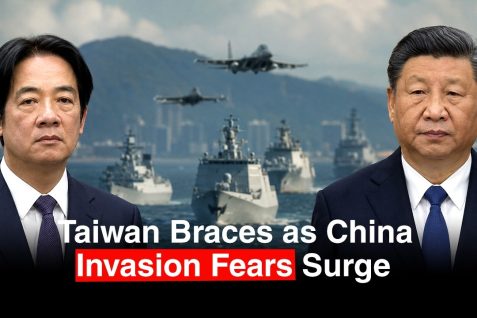
Taiwan’s defense ministry has released a new report detailing the growing and evolving pressure from Beijing spanning military, cyber and diplomatic domains. The defense minister, Wellington Koo, says Beijing’s strategy goes …
Taiwan’s defense ministry has released a new report detailing the growing and evolving pressure from Beijing spanning military, cyber and diplomatic domains. The defense minister, Wellington Koo, says Beijing’s strategy goes far beyond the traditional military threat.
A recent report released by Taiwan's defense ministry highlights increasing pressure from Beijing across military, cyber, and diplomatic sectors. Defense Minister Wellington Koo emphasized that the strategy employed goes beyond traditional military threats, characterizing it as a comprehensive squeeze within what is often described as a gray zone. The document details how these evolving tactics aim to influence the situation without crossing into direct armed conflict. This analysis suggests that the approach involves a multifaceted campaign designed to test boundaries and exert influence through various non-kinetic means alongside conventional military posturing. The report serves as an official assessment of the current security environment, noting that the intensity and scope of these actions are expanding. By integrating cyber operations with diplomatic maneuvers and military exercises, the strategy creates a complex pressure situation that challenges traditional defense concepts. The release underscores the need for a broad understanding of modern threats where digital attacks and political coercion play significant roles alongside physical military capabilities. This perspective offers insight into how regional security dynamics are shifting under current geopolitical conditions.
On March 21, 2022, China Eastern Airlines Flight MU5735 crashed in a valley in Teng County, Wuzhou, Guangxi, while en route from Kunming to Guangzhou. The plane quickly descended from its …
On March 21, 2022, China Eastern Airlines Flight MU5735 crashed in a valley in Teng County, Wuzhou, Guangxi, while en route from Kunming to Guangzhou. The plane quickly descended from its cruising altitude of 8,900 meters, almost vertically, and crashed, killing all 123 passengers and 9 crew members aboard. This became China’s deadliest air disaster in nearly 30 years. Four years later, the Chinese government has refused to release information on the cause of the crash, citing “state secrets.” The cause of the accident remains unknown to the outside world.
On March 21, 2022, China Eastern Airlines Flight MU5735 crashed in a valley within Teng County, Guangxi, while traveling from Kunming to Guangzhou. The aircraft descended rapidly from an altitude of 8,900 meters and struck the ground, resulting in the deaths of all 123 passengers and nine crew members. This incident marked China's deadliest aviation disaster in nearly three decades. Four years following the event, the Chinese government has declined to disclose the official cause of the crash, citing state secrets as the reason for withholding information. Consequently, the specific cause remains unknown to the international community. The video titled Shocking! China Covers Up Its Largest Air Disaster: Everything Was Done Purpose! is produced by the channel China Observer. The description notes that the outside world lacks access to details regarding the accident's origin due to these government restrictions. The content highlights the ongoing lack of transparency surrounding the investigation and the refusal to release findings despite the severity of the tragedy.
US Secretary of State Marco Rubio says that Taiwan is likely going to be a topic of discussion at a meeting between US President Donald Trump and Chinese President Xi Jinping …
US Secretary of State Marco Rubio says that Taiwan is likely going to be a topic of discussion at a meeting between US President Donald Trump and Chinese President Xi Jinping in China next week.
US Secretary of State Marco Rubio has indicated that Taiwan is expected to be a subject of discussion during an upcoming meeting between US President Donald Trump and Chinese President Xi Jinping, which is scheduled to take place in China next week. This potential topic of conversation highlights the ongoing diplomatic complexities involving cross-strait relations within the broader context of international engagement. The report originates from TaiwanPlus News, a channel dedicated to presenting perspectives on both local matters and global events. The segment was produced by reporters Scott Huang and Leslie Liao and runs for approximately two minutes and twenty seconds. Viewers can access further information through the official TaiwanPlus website or their various social media platforms including Facebook, Twitter, and Instagram. The outlet aims to provide a unique voice regarding world affairs while maintaining focus on regional developments. This brief overview summarizes the available public description without adding external interpretations or inventing specific details about the summit's agenda beyond what has been publicly stated by Rubio.
China’s economy is under pressure—but the real story is what comes next. After a key Politburo meeting, new signals are emerging: falling land revenue, rising debt, weak demand—and no major stimulus …
China’s economy is under pressure—but the real story is what comes next. After a key Politburo meeting, new signals are emerging: falling land revenue, rising debt, weak demand—and no major stimulus in sight. So how is Beijing responding?
China's economy faces significant pressure characterized by declining land revenue, increasing debt levels, and weak consumer demand. Despite these challenges, there are currently no indications of a major government stimulus package to address the situation. In response, Beijing appears to be implementing four distinct strategies to manage its fiscal crisis. These measures include tightening regulatory control over private enterprises and expanding financial surveillance systems that now extend scrutiny to offshore wealth and even religious institutions. The overarching narrative suggests a fundamental shift in how the system operates under these constraints.
The video from Lei's Real Talk explores these emerging signals following a key Politburo meeting. It examines how the government is reaching into private wealth as a primary solution. While specific details on the mechanics of these new policies remain sparse, the overview highlights the severity of the economic downturn and the aggressive nature of the state's response. The content focuses on interpreting recent political movements without inventing facts or claiming direct observation of events not explicitly described in the provided source material.
As pressure grows from China, Russia and North Korea, the US and its allies are moving to link their military capabilities into a new “kill web” across the Indo-Pacific. Bringing together …
As pressure grows from China, Russia and North Korea, the US and its allies are moving to link their military capabilities into a new “kill web” across the Indo-Pacific. Bringing together Japan, the Philippines, South Korea and other partners, this approach aims to integrate sensors, weapons and command systems into a single, coordinated network. Unlike traditional “kill chains,” a kill web enables faster, more flexible responses across multiple domains. This evolving strategy could reshape how deterrence works along the First Island Chain. In this episode, we examine how a kill web functions, why it is gaining momentum and what it could mean for Taiwan and the future of regional security. *Recorded on April 30, 2026 at 4pm Taiwan Standard Time Host/Senior Producer: Yin Khvat Consultant: Max Yu Research Assistant: April Lin Our guests: Chenlung Kuo United Daily News Deputy Editor-in-Chief Tony Hu Former US Department of Defense Senior Director for China, Taiwan and Mongolia Michael Chen Democratic Progressive Party International Affairs Director Chapters: 00:00:00 – US Allies Building ‘Kill Web’ 00:01:36 – US Integrates Indo-Pacific 00:08:38 – Tokyo, Manila Embrace ‘One Theater’ 00:13:44 – Russia, N Korea Expand Partnership 00:19:33 – Japan to Lift Weapon Export Ban #KillWebIndoPacific #AsianNATO #USAllies #IndoPacificDefense #IntegratedForce #JapanDefensePivot #ManilaTokyoSecurity #OneTheaterConcept #RussiaNorthKoreaAlliance #StrategicPartnership #JapanWeaponExports #SecurityQuad #SustainmentHub #IndoPacificPartners #GlobalSecurityLatticework #MaritimeDeterrence #FirstIslandChain #USIndoPacificCommand #MilitaryIntegration #JapanSelfDefenseForce #PhilippinesSecurity #CollectiveDeterrence #DefenseEquipmentTransfer #LethalExportsJapan #TokyoManilaAxis #RegionalSecurity #PyongyangMoscow #MilitaryCooperation #IndoPacificStability #ArmsExportReform #SecurityArchitecture #RulesBasedOrder #JointDeterrence #AsianSecurityNetwork #JapanAustraliaUS #SouthChinaSeaSecurity #EastChinaSea #TaiwanStraitPeace #DefenseDiplomacy #SalamiSlicingDeterrence #OceanInitiative #IntegratedSupplyChains #Minilaterals #DefenseModernization #AlliedNetwork #HighIntensityContingency #TrilateralSecurity #IndoPacificFour #GeopoliticalShift #InternationalRelations #Geopolitics #TaiwanPlus #TaiwanTalks
The episode from Taiwan Talks examines the growing integration of military capabilities among US allies in the Indo-Pacific, focusing on a new concept termed a kill web. This strategy seeks to link Japan, the Philippines, South Korea, and other partners into a coordinated network that unifies sensors, weapons, and command systems. Unlike traditional kill chains, this approach aims to enable faster and more flexible responses across multiple domains as pressure from China, Russia, and North Korea increases. The discussion highlights how this evolving strategy could reshape deterrence along the First Island Chain and impact regional security for Taiwan.
The program features guests including Chenlung Kuo, Tony Hu, and Michael Chen, who analyze the mechanics of the kill web and its momentum. Topics covered include the integration of the Indo-Pacific theater, the embrace of a one-theater concept by Tokyo and Manila, expanding partnerships between Russia and North Korea, and potential changes to Japan's weapon export ban. Recorded on April 30, 2026, the episode explores these developments through interviews with experts from various organizations, providing context on how these shifts might alter the global security lattice in the region without inventing specific outcomes or quotes not present in the source material.
The US and China might be meeting soon, but tensions are rising. China is furious over Japan’s militarization in the Pacific! And Taiwan gets a big military upgrade! That and more …
The US and China might be meeting soon, but tensions are rising. China is furious over Japan’s militarization in the Pacific! And Taiwan gets a big military upgrade! That and more on this week’s China news headlines!
The video titled Missiles Have Been Deployed, produced by the channel China Uncensored, examines recent developments in US-China relations and regional security dynamics. The content suggests that while diplomatic meetings between Washington and Beijing may be imminent, underlying tensions continue to escalate across the Pacific theater. A significant portion of the discussion focuses on China's reported anger regarding Japan's increasing militarization efforts in the region. Additionally, the overview highlights a substantial military upgrade for Taiwan as a key headline from the week. The segment aims to provide viewers with an update on current China news headlines, addressing topics such as missile deployments and shifting geopolitical alliances. The presentation encourages audience engagement through specific comment interactions and directs viewers to external resources for further information. Throughout the video, promotional material for associated services and social media platforms is included alongside the primary news analysis. The overall tone presents these events as interconnected elements of a broader strategic landscape involving major powers in East Asia.
Taiwan’s outreach to Africa hit a new obstacle after President Lai Ching-te’s planned visit to Eswatini was temporarily blocked by Seychelles, Mauritius and Madagascar. The move has fueled speculation that China …
Taiwan’s outreach to Africa hit a new obstacle after President Lai Ching-te’s planned visit to Eswatini was temporarily blocked by Seychelles, Mauritius and Madagascar. The move has fueled speculation that China is expanding its pressure campaign beyond diplomacy into control over airspace and travel routes. Some analysts warn this could signal a new form of “aerial blockade,” leveraging third countries to restrict Taiwan’s global engagement. But how sustainable is this tactic — and could it backfire? In this episode, we examine the geopolitical forces behind the decision, China’s influence in Africa and how Taiwan can respond to tightening constraints on its international presence. *Recorded on April 30, 2026 at 1:45pm Taiwan Standard Time Host: Wen-Ti Sung Producer: Tina Hsu Our guests: Lai I-chung Prospect Foundation President Marc Cheng Tamkang University Department of Diplomacy and International Relations Adjunct Lecturer Chapters: 00:00:00 – China’s African Allies Block Lai’s Eswatini Trip 00:01:26 – Is China Weaponizing Airspace Against Taiwan? 00:12:30 – Beijing’s Economic Leverage over African Allies
This episode of Taiwan Talks examines recent geopolitical developments involving Taiwan's diplomatic outreach to Africa. The discussion centers on a specific incident where President Lai Ching-te's planned visit to Eswatini was reportedly obstructed by Seychelles, Mauritius, and Madagascar. This event has led to speculation that China is extending its influence beyond traditional diplomacy to control airspace and travel routes. Some analysts suggest this situation could represent a new form of aerial blockade, utilizing third-party nations to limit Taiwan's global engagement. The program explores the sustainability of such tactics and the potential for them to backfire on Beijing. Experts analyze the underlying geopolitical forces driving these decisions, including China's growing influence in Africa and its economic leverage over allied nations. The episode also considers how Taiwan might respond to these tightening constraints on its international presence. Recorded in April 2026, the conversation features insights from guests Lai I-chung and Marc Cheng, who discuss the implications for regional security and diplomatic norms.
Over in the South China Sea, a dispute is flaring between Manila and Beijing. The Philippines said Chinese vessels were conducting illegal marine scientific research in its waters, warning that aircraft …
Over in the South China Sea, a dispute is flaring between Manila and Beijing. The Philippines said Chinese vessels were conducting illegal marine scientific research in its waters, warning that aircraft and boats would be deployed to remove the Chinese ships. Cha Yun-kyung reports. The Philippine Coast Guard (PCG) said on Sunday, local time, that Chinese vessels were conducting illegal marine scientific research in its waters. The PCG spokesman Rear-Admiral Jay Tarriela posted a statement on Facebook, saying the “PCG has determined that they are conducting illegal marine scientific research without the legal authority or prior consent of the Philippine government, in clear violation of the United Nations Convention on the Law of the Sea.” He revealed the spots where the Chinese ships were spotted: Itbayat in the northernmost province of Batanes, near Rizal in Palawan within the vicinity of the disputed Jackson Atoll and another site close to the Scarborough Shoal. Tarriela warned that the aircraft and boats would be deployed to protect the sovereign rights of the Philippines. In response, the Chinese Foreign Ministry urged the Philippines to “immediately cease its dangerous actions” and keep its distance from Chinese boats. It said the Chinese research ships “are conducting normal scientific research activities and navigating normally in waters under Chinese jurisdiction, in accordance with Chinese domestic law and international law, including the United Nations Convention on the Law of the Sea.” The two countries are at odds over sovereignty issues regarding the South China Sea. A Chinese coastal guard said on Sunday, local time, that Philippines crewmen landed on a rock in the South China Sea illegally, and it would deal with them under the law. Bloomberg reported that the Philippines has strengthened military ties with the U.S. to safeguard its claims in the disputed area, leading to repeated clashes between Chinese and Philippine vessels. Reuters said, “The Philippines and China have criticized each other in the South China Sea, raising tensions in the area.”
Tensions in the South China Sea have escalated as the Philippines accuses Chinese vessels of conducting illegal marine scientific research without proper authorization. The Philippine Coast Guard stated that these activities violated international law and occurred at specific locations including Itbayat, near Rizal in Palawan, close to Jackson Atoll, and another site near Scarborough Shoal. Authorities warned that aircraft and boats would be deployed to remove the ships and protect sovereign rights. In response, the Chinese Foreign Ministry urged Manila to cease what it described as dangerous actions, asserting that the vessels were conducting normal research within waters under Chinese jurisdiction according to domestic and international law. The dispute centers on sovereignty issues between the two nations. Reports indicate that the Philippines has strengthened military ties with the United States to safeguard its claims in the disputed area, leading to repeated clashes between their respective vessels. A Chinese coastal guard also noted that Philippine crewmen had landed illegally on a rock and would be dealt with under the law. These reciprocal criticisms have raised overall tensions in the region, highlighting the ongoing friction over maritime boundaries and resource rights.
While the Chinese military isn’t yet prepared to build a battleship, Chinese media and military enthusiasts have already crafted one in the comment section of Tencent News. Source: Hilarious! China Falls …
While the Chinese military isn’t yet prepared to build a battleship, Chinese media and military enthusiasts have already crafted one in the comment section of Tencent News.
This video from the China Observer channel explores a humorous internet phenomenon involving Chinese military enthusiasts. The content highlights that while the Chinese military is not currently capable of constructing a battleship, online communities have already engaged in creative speculation regarding such a vessel. Specifically, media and hobbyists on platforms like Tencent News have designed conceptual models for a massive ship weighing approximately 30,000 tons. In a playful twist reflecting April Fools' Day traditions, these digital creations are jokingly referred to by the name "BALLS." The video serves as an overview of this lighthearted online activity rather than reporting on actual naval capabilities or construction plans. It utilizes public descriptions and channel information to provide context without inventing facts or claiming direct observation of transcripts. The segment functions primarily as entertainment, showcasing how internet culture interacts with serious topics like military development through satire and imaginative design concepts shared by the public.
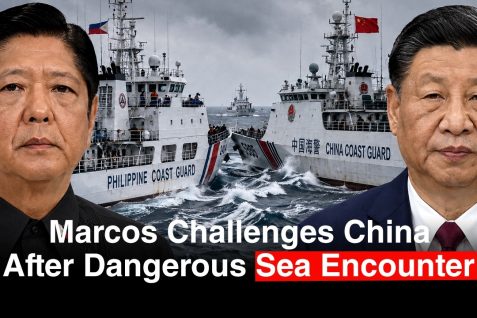
Marcos Responds to China’s Scarborough Shoal Barrier Amid Threats to Philippine Sovereignty Scarborough Shoal’s lagoon has a new floating rope-and-buoy barrier, satellite images show, prompting Manila to accuse Chinese cutters and …
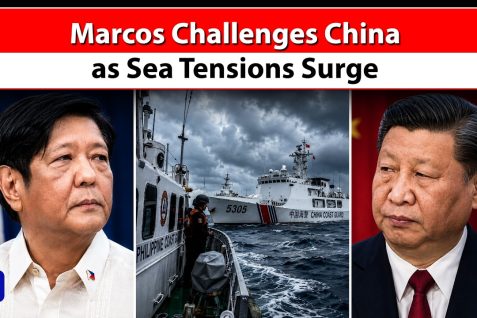
Marcos Responds to China’s Scarborough Shoal Barrier Amid Threats to Philippine Sovereignty Scarborough Shoal’s lagoon has a new floating rope-and-buoy barrier, satellite images show, prompting Manila to accuse Chinese cutters and maritime militia of blocking Filipino fishermen. The Philippines …
The Philippines has reported the installation of a new floating barrier composed of ropes and buoys within the lagoon at Scarborough Shoal, as indicated by satellite imagery. This development follows accusations from Manila that Chinese maritime cutters and militia vessels are obstructing access for Filipino fishermen. The situation underscores ongoing tensions regarding Philippine sovereignty in the South China Sea.
In response to these challenges, the Philippines has pointed to a 2016 international tribunal ruling that supports its claims. To address the security concerns, the nation has increased coastguard escorts for fishing fleets and expanded participation in multilateral drills. Additionally, diplomatic efforts have been intensified while the country chairs ASEAN. The video examines the local economic consequences of these restrictions and highlights the rise of gray-zone tactics used by regional actors. It further explores operational responses to maintain safety and access for fishers, framing these issues as a critical test for broader regional stability. The overview focuses on how such maritime disputes impact livelihoods and international relations without attributing specific conclusions beyond the provided information.
Beijing is now blaming the CIA for China’s “lying flat” trend among young people. Officials say foreign forces are spreading pessimism and discouraging hard work. But on the ground, the reality …
Beijing is now blaming the CIA for China’s “lying flat” trend among young people. Officials say foreign forces are spreading pessimism and discouraging hard work. But on the ground, the reality looks very different. Rising unemployment, shrinking opportunities, and mounting social pressure are pushing many young people to step back—not because they want to, but because they feel they have no way forward. This episode breaks down the stories, the data, and the growing disconnect between official narratives and lived experience—and why this quiet withdrawal is becoming one of the most sensitive issues in China today.
The video titled Beijing Blames the CIA for its Youth Crisis. But the Reality Is Worse, produced by Lei's Real Talk, examines the official narrative regarding China's youth unemployment and social withdrawal. Authorities attribute the so-called lying flat trend among young people to foreign interference, specifically accusing the CIA of spreading pessimism and discouraging hard work. However, the content suggests that the actual situation on the ground presents a more complex picture driven by domestic factors rather than external influence.
The overview highlights rising unemployment rates, shrinking career opportunities, and increasing social pressure as primary drivers pushing young people to step back from traditional ambitions. This retreat is portrayed not as a voluntary lifestyle choice but as a forced response to feeling there is no viable path forward for many. The episode aims to explore the growing disconnect between state narratives and the lived experiences of the population. By analyzing available stories and data, the content addresses why this quiet withdrawal has become a sensitive issue within China today. The discussion underscores the tension between official explanations and observable realities without inventing specific events or quotes beyond the provided description.
China is responding to the Philippines’ largest-ever Balikatan exercises with military drills of its own, stretching from the South China Sea to waters east of Luzon and into the Western Pacific. …
China is responding to the Philippines’ largest-ever Balikatan exercises with military drills of its own, stretching from the South China Sea to waters east of Luzon and into the Western Pacific. Featuring the Liaoning carrier strike group and coordinated naval transits near Japan’s southern islands, Beijing’s actions are being framed as “counter-deterrence.” But are these moves simply signaling — or rehearsals for conflict? As US, Philippine and Japanese forces deepen cooperation along the First Island Chain, China appears to be testing its ability to project power and challenge this alliance. In this episode, we examine the scale and intent of China’s response, the growing “missile arc” strategy and what this evolving dynamic means for Taiwan and the Indo-Pacific.
This episode of Taiwan Talks examines China's military response to the Philippines' largest Balikatan exercises, which are taking place in April 2026. Beijing is conducting its own drills stretching from the South China Sea to waters east of Luzon and into the Western Pacific. The segment highlights the deployment of the Liaoning carrier strike group and coordinated naval movements near Japan's southern islands. These actions are framed by Chinese officials as counter-deterrence measures, though analysts question whether they represent mere signaling or rehearsals for potential conflict.
The discussion focuses on how US, Philippine, and Japanese forces are deepening cooperation along the First Island Chain while China tests its ability to project power against this alliance. The program explores the growing missile arc strategy and what these evolving dynamics mean for Taiwan and broader Indo-Pacific security. Experts analyze the scale and intent behind Beijing's maneuvers, including hints of new carrier capabilities. The episode features insights from guests Alexander Huang, Jason Hsu, and Guermantes Lailari, who discuss regional security implications alongside host Yin Khvat and consultant Max Yu.
It’s no secret that China sees itself as being at war with the West. It turns out that the architect of China’s stealth warfare against its enemies is spelled out in …
It’s no secret that China sees itself as being at war with the West. It turns out that the architect of China’s stealth warfare against its enemies is spelled out in a book written 30 years ago called America Against America. We discuss that and more with our guest Zhang Tianliang, an author, historian, and a professor at Fei Tian College. He’s also the producer of the new documentary “China’s Stealth Invasion” which you can find at • China’s Stealth Invasion (Luminous Films) …
The video titled "Xi Jinping Is Purposefully Sabotaging China's Economy" is presented by the channel China Unscripted and runs for approximately eleven minutes. The content centers on a discussion regarding China's strategic perspective, specifically noting that the nation views itself as engaged in conflict with Western powers. During the program, the hosts examine a book published three decades ago titled America Against America, which is cited as outlining the architecture behind what is described as stealth warfare directed against adversaries.
The episode features guest Zhang Tianliang, who serves as an author, historian, and professor at Fei Tian College. In addition to his academic roles, he is identified as the producer of a new documentary referred to as China's Stealth Invasion. Viewers are directed to listen to the full podcast through a provided link on the program's website. The description emphasizes that the relationship between China and the West is framed within this context of perceived ongoing struggle, with the conversation exploring these geopolitical dynamics further through the lens of the mentioned historical text and current documentary work.
China’s fourth aircraft carrier, designated 004, is still sitting in the shipyard of Dalian, China, with no fully assembled hull yet revealed to the public. Meanwhile, the U.S. Navy’s most advanced …
China’s fourth aircraft carrier, designated 004, is still sitting in the shipyard of Dalian, China, with no fully assembled hull yet revealed to the public. Meanwhile, the U.S. Navy’s most advanced Gerald R. Ford-class aircraft carrier has already been declared “defeated” in online Chinese military comment sections.
The video titled China's Fourth Carrier Sunk by Netizens Before It Is Built explores the current status of the Chinese navy's fourth aircraft carrier, designated 004. This vessel remains in the shipyard at Dalian with no fully assembled hull yet revealed to the public. In contrast, online discussions within Chinese military communities have already declared the U.S. Navy's Gerald R. Ford-class aircraft carrier as defeated. The content suggests that these assessments rely more on talk power than actual nuclear capabilities or physical destruction of the ships. The analysis highlights the disparity between public perception and the tangible progress of naval construction projects. Viewers are invited to support the channel through membership perks and donations to sustain independent news coverage. Business cooperation inquiries are directed to a specific email address provided in the description. The video runs for approximately sixteen minutes and forty-four seconds, offering context on ongoing developments in maritime technology and international naval dynamics without inventing facts or quoting unseen transcripts.
A former senior adviser to Dr. Anthony Fauci at the U.S. National Institute of Allergy and Infectious Diseases has been indicted. David Morens has been accused of suppressing evidence supporting the …
A former senior adviser to Dr. Anthony Fauci at the U.S. National Institute of Allergy and Infectious Diseases has been indicted. David Morens has been accused of suppressing evidence supporting the Wuhan lab-leak theory. Artificial intelligence tensions flare over a forum hosted by Sen. Bernie Sanders (I-Vt.) featuring U.S. and Chinese scientists. Treasury Secretary Scott Bessent says the real danger is allowing any country other than the United States to set global AI standards. A U.S. company is testing a brain implant in China, marking a rare disclosure in the fast-moving and controversial race for neurotechnology. Meanwhile, experts are raising ethical concerns. An American company may be complicit in human rights violations in China. The Supreme Court is weighing in on the case. A new documentary reveals a chilling reality: China has been waging a silent war against America for years through fentanyl, apps, farmland, ports, and even our power grids. How should the U.S. government—and everyday Americans—respond? 00:00 Intro 01:05 Former Fauci Advisor Indicted Over COVID 01:27 Morens Accused in Wuhan COVID Cover-Up 02:19 Pompeo: Wuhan Lab Theory Was Undermined 02:48 Bessent: China Should Not Set Global AI Standard 03:45 China AI Firms Accused of Distillation Attacks 04:51 Cisco Accused of Aiding CCP Persecution of Falun Gong 08:03 Stealth Invasion: CCP’s Silent War on America 10:51 Attacks on Shen Yun: CCP’s Warfare Against the U.S. 12:44 U.S., Allies Back Panama’s Sovereignty 14:48 House Dems Urge Trump to Maintain Ban on Chinese Cars 15:57 BYD Posts Steepest Profit Drop in 6 Years 16:46 VOC President: Global Propaganda to Soften Image of China 17:02 China Influence Campaigns Target America’s Youth 19:20 U.S. States Add Anti-Communism Curriculum 20:30 Patterson: Reject China Model Over U.S. Values
This episode of China in Focus examines several developing stories regarding U.S.-China relations and domestic policy issues. A former senior adviser to Dr. Anthony Fauci at the National Institute of Allergy and Infectious Diseases has faced indictment, with accusations that he suppressed evidence related to the Wuhan lab-leak theory. The program also covers rising tensions in artificial intelligence following a forum hosted by Senator Bernie Sanders featuring scientists from both nations. Treasury Secretary Scott Bessent expressed concerns about allowing foreign countries to establish global AI standards.
Additional segments discuss a U.S. company testing brain implants in China, raising ethical questions within the competitive neurotechnology sector. The broadcast addresses potential human rights violations involving an American firm operating in China, noting that the Supreme Court is reviewing the matter. A documentary highlights allegations of a silent war waged by China against America through various channels including fentanyl distribution, digital applications, agricultural land, ports, and power grids. The episode further explores attacks on Shen Yun performances as part of broader accusations of warfare against the United States, alongside discussions on Panama's sovereignty and trade restrictions on Chinese vehicles.
China’s economy is on its last lifeline. And the CCP will do anything—and I mean anything to protect it. Source: China’s Desperate Attempt To Save Its Economy Summary The video titled …
The video titled China's Desperate Attempt To Save Its Economy is produced by the channel China Uncensored and has a duration of 527 seconds. The public description asserts that the Chinese economy is currently on its last lifeline, suggesting that the Communist Party of China will take extreme measures to protect it. The content implies a level of desperation regarding economic stability that may lead to significant actions by the ruling party. Viewers are encouraged to support the channel through subscriptions and engagement with social media platforms including X, Facebook, Instagram, and Rumble. Additional resources such as a weekly newsletter and mobile applications are available for those seeking further information from the organization. The video aims to provide an overview of economic challenges facing China without detailing specific policies or events beyond the general claim of desperate measures. The description also includes calls to action for viewers to paste a specific emoji in comments and visit the official website for deeper content. All links provided direct users to external platforms where they can subscribe or access more materials related to the channel's mission.
Who really leaks the downfall of China’s top generals? In this interview with insider commentator Mr. Cai Shenkun, we break down how CCP rumor networks work—and why PLA rumors often predict …
Who really leaks the downfall of China’s top generals? In this interview with insider commentator Mr. Cai Shenkun, we break down how CCP rumor networks work—and why PLA rumors often predict real purges. From former defense minister Li Shangfu to vice chairman of CMC Zhang Youxia, many high-level shakeups were preceded by “unofficial” information. How are these leaks sourced, how reliable are they, and what do they reveal about Xi Jinping’s control over the military? Stay for the live Q&A, where you can ask questions directly—with translation provided.
This video features an interview with commentator Cai Shenkun, exploring the mechanisms behind rumors within the Chinese Communist Party and their connection to military leadership changes. The discussion examines how unofficial information often precedes official announcements regarding the removal of high-ranking officials, citing examples such as former defense minister Li Shangfu and vice chairman Zhang Youxia. The analysis investigates the origins of these leaks and questions their reliability in predicting actual purges within the People's Liberation Army. A central theme involves what these patterns suggest about the nature of control exercised by Xi Jinping over the military structure. The segment includes a live question-and-answer portion where viewers can submit inquiries, with translation services provided to facilitate understanding. The content aims to shed light on the internal dynamics of rumor networks and their potential role in signaling shifts in power. Additional resources for the commentator are listed, including links to social media platforms and other related video channels. Support options for the creator are also mentioned through donation links and merchandise stores.
Taiwan’s drone industry is experiencing rapid growth, with exports in the first quarter of 2026 at US$115 million, surpassing the total for all of last year. Source: Taiwanese Drones Go Global …
Taiwan’s drone industry is experiencing rapid growth, with exports in the first quarter of 2026 at US$115 million, surpassing the total for all of last year.
Taiwan's drone sector is currently undergoing a period of rapid expansion, marked by a significant increase in international shipments. According to recent data released for the first quarter of 2026, export revenues reached US$115 million. This figure represents a substantial milestone, as it exceeds the total value of all exports recorded during the entire previous year. The surge highlights the growing global demand for these technologies and the industry's ability to scale production quickly. TaiwanPlus News reports on this development, presenting the nation's perspective on both local economic shifts and broader world events. The channel aims to provide a unique voice regarding such developments through its various media platforms. Viewers can access further content by visiting the official website or following their social media accounts on Facebook, Twitter, and Instagram. This brief overview captures the essential financial growth without inventing specific details about manufacturers or future projections beyond the stated export figures. The report serves as a snapshot of current economic trends within the region's high-tech manufacturing landscape.
A scheduled Trump–Xi summit is drawing closer, but Washington’s sanctions arrived sooner than the U.S. president. A Chinese oil refiner has been targeted for allegedly bankrolling Iran. Beijing responded. China is …
A scheduled Trump–Xi summit is drawing closer, but Washington’s sanctions arrived sooner than the U.S. president. A Chinese oil refiner has been targeted for allegedly bankrolling Iran. Beijing responded. China is pulling the plug on Meta’s two-billion-dollar Manus deal, sending a strong signal that cross-border AI partnerships now face much higher scrutiny. A Chinese coffee chain in New York City is raising national security concerns. It appears to be a simple business decision—cashless payments only, requiring customers to download an app to pay. But a watchdog group says there could be more to it. A Chinese national has been charged in a years-long scheme targeting NASA employees. Officials say he posed as a trusted colleague, gaining access to sensitive data. And could China’s social credit system see a global rollout in the form of digital IDs? And why is the World Health Organization pushing for a Pathogen Access and Benefit Sharing system? Reggie Littlejohn joins us to unpack it all. 00:00 Intro 01:04 U.S. Sanctions Strain Ties Ahead of Trump’s China Trip 02:57 China Blocks Meta’s $2B Manus Deal After Acquisition 04:53 Chinese Coffee Shops Go Cashless-Only in NY 05:20 FBI Warns Americans to Keep Data From Chinese Firms 06:01 Chinese Firms Must Comply With Beijing Intelligence 07:59 Luckin Coffee Fined for Not Accepting Cash Payments 08:14 Luckin Coffee Says It Must Comply With Chinese Laws 9:13 Chinese National Charged in NASA Phishing Scheme 10:49 2 Americans Killed in Clashes in the Philippines 12:22 Tensions Rise Between China, EU Over New Sanctions 13:47 Digital IDs and the WHO to Gain More Power? 14:20 Digital IDs Raise Global Privacy Concerns: Littlejohn 16:52 Critics Warn Digital IDs Could Enable Social Control 18:26 W.H.O. Pathogen System Raises Lab Leak Fears: Littlejohn 21:07 Critics Warn WHO Pact Could Limit National Power
A scheduled summit between Donald Trump and Xi Jinping faces immediate pressure as Washington imposes new sanctions before the president's departure. Beijing retaliates by blocking a two-billion-dollar acquisition deal involving Meta, signaling heightened scrutiny for cross-border artificial intelligence partnerships. Simultaneously, national security concerns emerge in New York City regarding Chinese coffee chains that operate on cashless-only models requiring specific apps to pay. Authorities warn that such restrictions may force compliance with Chinese laws rather than simple business decisions.
The episode also highlights a long-running FBI investigation where a Chinese national allegedly infiltrated NASA by posing as a trusted colleague to access sensitive data. Tensions escalate further following clashes in the Philippines that resulted in American casualties and new sanctions disputes between China and the European Union. The program concludes with discussions on whether digital identification systems could expand globally, potentially enabling social control mechanisms similar to China's social credit system. Additionally, experts examine the World Health Organization's proposed pathogen access and benefit sharing framework, noting fears that it might limit national sovereignty while raising questions about laboratory safety and data privacy.
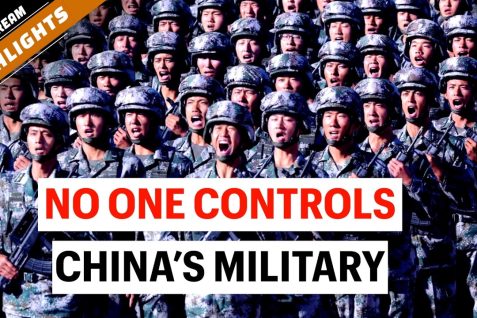
Is China’s military as strong as it looks? A sweeping new PLA audit—“Sharp Sword–2025”—is tearing open weapons depots, missiles, radars, and supply chains with no warning. Reports point to mismatched inventory, …
Is China’s military as strong as it looks? A sweeping new PLA audit—“Sharp Sword–2025”—is tearing open weapons depots, missiles, radars, and supply chains with no warning. Reports point to mismatched inventory, downgraded components, falsified test results, and even training drills that were staged for show. As anti-corruption pressure meets real war-readiness concerns, this inspection is turning into a full-scale purge. What is Beijing really finding—and what does it reveal about the PLA’s true combat capability?
This video from Lei's Real Talk examines a significant new audit within the Chinese military, referred to as Sharp Sword–2025. The inspection involves an extensive review of weapons depots, missile systems, radar installations, and supply chains without prior warning. Reports suggest that the process has uncovered discrepancies such as mismatched inventory levels, downgraded components, falsified test results, and training exercises that appear staged rather than genuine.
The narrative connects these findings to broader anti-corruption efforts and growing concerns regarding actual war readiness. The audit is described as evolving into a large-scale purge within the People's Liberation Army. The content questions whether China's military capabilities match its public appearance and explores what Beijing might be discovering about true combat effectiveness. The channel focuses on world economy, history, and politics with a primary emphasis on U.S.-China relations. It presents these hidden stories through short video formats. Viewers are encouraged to subscribe for updates and share the content with others interested in geopolitical developments.
In December 2022, the United States made a historic move—it transferred Tomahawk cruise missile technology to Japan for the first time ever. Not just the missiles. The software, guidance systems, and …
In December 2022, the United States made a historic move—it transferred Tomahawk cruise missile technology to Japan for the first time ever. Not just the missiles. The software, guidance systems, and strike planning capability behind them.This wasn’t a routine weapons sale. It was a shift in strategy. In this video, we break down: Why the U.S. made this unprecedented decision How it reshapes the U.S.-Japan alliance What it reveals about rising tensions in the Taiwan Strait How Japan is transforming from a support role into a frontline military power And why this changes the balance of power in the Pacific You’ll also learn how the Tomahawk Block V actually works—its range, precision, terrain-following capabilities, and the classified targeting systems that make it one of the most accurate strike weapons ever built.
News of a big $12 billion defense deal between Pakistan and China spread fast online recently. The story claimed it would change the skies over South Asia and reshape defense across …
News of a big $12 billion defense deal between Pakistan and China spread fast online recently. The story claimed it would change the skies over South Asia and reshape defense across the Middle East. People called it a historic agreement. But two weeks after the announcement, something strange happened. No one has claimed the deal. China’s Defense Ministry, Foreign Ministry, and the main weapons export company have all stayed silent. Even
Recent online reports suggested a massive twelve billion dollar defense agreement between Pakistan and China was finalized, promising to significantly alter regional skies and reshape Middle Eastern security dynamics. The narrative quickly gained traction as a historic event. However, skepticism emerged shortly after the initial announcement. Two weeks later, no official confirmation had appeared from any party involved. Neither the Chinese Defense Ministry nor the Foreign Ministry issued statements regarding the deal. Similarly, the primary state-owned weapons export corporation remained silent on the matter.
Chinese financial media outlets raised specific concerns about the validity of the reported systems. Reports indicate that the HQ-19 air defense system mentioned in the story has never been publicly acknowledged by Chinese authorities. Additionally, the J-35 fighter jet is reportedly not yet in full production, casting further doubt on its immediate availability for such a large contract. Despite the initial hype describing the pact as a game-changer, official verification remains absent from all relevant government and corporate channels. The lack of concrete evidence from Beijing or Islamabad suggests the story may be unverified or entirely fabricated.