Filipino Catholics offered prayers for Pope Leo’s speedy recovery after he underwent surgery for lung cancer on October 13, 2026. The Vatican said that the 71-year-old pontiff had part of one lung removed without complications during the 90-minute procedure.
Filipino Catholics offered prayers for Pope Leo’s speedy recovery after he underwent surgery for lung cancer on October 13, 2026. The Vatican said that the 71-year-old pontiff had part of one lung removed without complications during the 90-minute procedure.
150 Chinese teachers working across the Philippines began leaving in groups to return to China in late September this year. They feared being accused of involvement in espionage. Their departure has drawn attention as already strained relations between the Philippines and China face renewed tensions.
150 Chinese teachers working across the Philippines began leaving in groups to return to China in late September this year. They feared being accused of involvement in espionage. Their departure has drawn attention as already strained relations between the Philippines and China face renewed tensions.
Philippine lawmakers moved a step closer to banning minors under the age of 13 from accessing social media platforms. The Lower House of Congress approved a draft measure, which must now be aligned with a Senate version already passed in the wake of three deadly school shootings. The incidents have sparked debate among parents about childhood exposure to online content. While many support curbs, other parents have raised concerns about how restrictions would impact digital learning and communication.
Philippine lawmakers moved a step closer to banning minors under the age of 13 from accessing social media platforms. The Lower House of Congress approved a draft measure, which must now be aligned with a Senate version already passed in the wake of three deadly school shootings. The incidents have sparked debate among parents about childhood exposure to online content. While many support curbs, other parents have raised concerns about how restrictions would impact digital learning and communication.
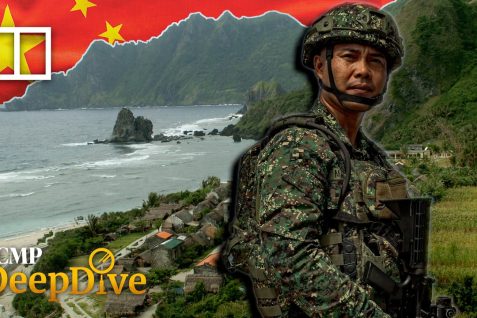
A group of Chinese scholars has claimed that the Batanes islands were historically part of Taiwan and therefore are part of China. The remarks emerged during an academic discussion on June 30, 2026, at Jinan University in Guangzhou. Although the claim was not made by Beijing, it has sparked controversy and outrage in the Philippines, where the Batanes islands form the nation’s northernmost province.
A group of Chinese scholars has claimed that the Batanes islands were historically part of Taiwan and therefore are part of China. The remarks emerged during an academic discussion on June 30, 2026, at Jinan University in Guangzhou. Although the claim was not made by Beijing, it has sparked controversy and outrage in the Philippines, where the Batanes islands form the nation’s northernmost province.
Limited Time: Get your free Tank Man set when you join the 50-Cent Army:
The EU is finally standing up to China…with a strongly worded letter! And China’s Coast Guard almost starts a war with the Philippines. Again.
Operation Honey Pot: Paste this emoji 🍯 in your comment below.
Want to go deeper than YouTube will let us? Check out our website:
Limited Time: Get your free Tank Man set when you join the 50-Cent Army:
The EU is finally standing up to China…with a strongly worded letter! And China’s Coast Guard almost starts a war with the Philippines. Again.
Operation Honey Pot: Paste this emoji 🍯 in your comment below.
Want to go deeper than YouTube will let us? Check out our website:
Polish president Karol Nawrocki has shared a boxing training session with world champion Manny Pacquiao. Nawrocki is the first Polish leader to make a state visit to the country since the nations established diplomatic relations in 1973. Pacquiao, the only boxer in history to win world titles across eight weight divisions, said it was “an honour” to train with Nawrocki – a lifelong combat sports enthusiast and amateur boxer.
Polish president Karol Nawrocki has shared a boxing training session with world champion Manny Pacquiao. Nawrocki is the first Polish leader to make a state visit to the country since the nations established diplomatic relations in 1973. Pacquiao, the only boxer in history to win world titles across eight weight divisions, said it was “an honour” to train with Nawrocki – a lifelong combat sports enthusiast and amateur boxer.
Every year on October 4, Catholics celebrate the feast of St. Francis of Assisi, the patron saint of animals, by bringing their pets for a special blessing. Parishioners in Manila lined up on Sunday for the priest to sprinkle holy water on their pets, which included dogs, cats and a snail. The special annual blessing is to honour St Francis’ call to respect and care for all of God’s creation.
Every year on October 4, Catholics celebrate the feast of St. Francis of Assisi, the patron saint of animals, by bringing their pets for a special blessing. Parishioners in Manila lined up on Sunday for the priest to sprinkle holy water on their pets, which included dogs, cats and a snail. The special annual blessing is to honour St Francis’ call to respect and care for all of God’s creation.
Migrant rights advocates have hailed the release of Filipino trafficking victim Mary Jane Veloso after 16 years in detention as a victorious milestone, but warn that her case exposes the dangers that still confront many vulnerable workers overseas. After coming close to being executed years ago in Indonesia, Veloso walked free on September 18 from the Correctional Institution for Women in Mandaluyong City. The single mother of two said she was deceived by recruiters who promised her a job abroad as a domestic helper.
Migrant rights advocates have hailed the release of Filipino trafficking victim Mary Jane Veloso after 16 years in detention as a victorious milestone, but warn that her case exposes the dangers that still confront many vulnerable workers overseas. After coming close to being executed years ago in Indonesia, Veloso walked free on September 18 from the Correctional Institution for Women in Mandaluyong City. The single mother of two said she was deceived by recruiters who promised her a job abroad as a domestic helper.
An NGO established in Hong Kong aims to give Filipino domestic workers a chance to obtain a bachelor’s degree through an accelerated education programme offered by the Philippine government.
An NGO established in Hong Kong aims to give Filipino domestic workers a chance to obtain a bachelor’s degree through an accelerated education programme offered by the Philippine government.
A teenage boy opened fire on his classmates at a school in Banga, a town in the southern Philippine province of South Cotabato, on Friday. He then took his own life. Two others were killed in the attack, and eight were injured. Authorities are investigating the shooter’s connection to an online group, according to the governor.
A teenage boy opened fire on his classmates at a school in Banga, a town in the southern Philippine province of South Cotabato, on Friday. He then took his own life. Two others were killed in the attack, and eight were injured. Authorities are investigating the shooter’s connection to an online group, according to the governor.
A bipartisan bill aims to expand sanctions on Russia and Iran. China, a major buyer of Russian oil, could also be targeted.Concerns about artificial intellig
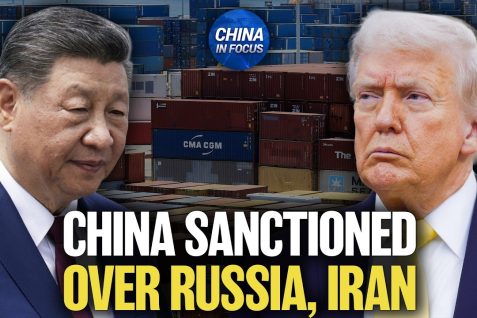
A bipartisan bill aims to expand sanctions on Russia and Iran. China, a major buyer of Russian oil, could also be targeted. Concerns about artificial intelligence are emerging in both the West and the East. Epoch Times reporter Nathan Su says a change in mindset is needed. “China has been conducting unrestricted warfare against the United States since the mid-'90s. They are at war with us, but we think they are our competitor. You can’t win a war when you go into it with the mentality of competition,” he said. A former U.S. soldier pleads guilty to collecting sensitive information about U.S. weapons for Beijing. And a proposed sale of advanced U.S. fighter jets to Saudi Arabia is raising concerns among American officials over the kingdom’s ties to China. We’ll look at the deal and what’s at stake. 00:00 Intro 01:11 China Targeted Over U.S. Sanctions on Russia, Iran 02:33 House Bill Requires Data Centers to Pay for Electricity Spikes 03:34 OpenAI Found More Instances of Deceptive Models 04:11 China’s Spy Chief Warns AI Is a Threat to Party Rule 06:34 What’s Behind Beijing’s AI Warning? 08:44 U.S. Must Recognize China Is at War With Us 10:17 Huawei Staff Allegedly Took Photos of T-Mobile Robot 11:48 Former U.S. Soldier Pleads Guilty in China Spy Case 12:20 F-35 Sale Raises Concerns Over Saudi-China Ties 13:44 House Hearing Probes CCP, North Korean Repression 16:47 Jimmy Lai’s Son Appeals to Xi for Father’s Freedom 19:38 Carney: Canada Will Decide Its Own Partnerships 20:48 Trump Threatens EU With Tariffs Over Canada Association 21:42 Taiwan Plans Rare Philippines Visit Amid China Tensions
Footage of a person dangling from a high-capacity drone above a field in the Philippines turned out to be a practice run for a prison break planned by notorious South Korean crime lord Park Wang-yeol. Known as the “sugar cane field killer”, Park was serving a 60-year sentence at Manila’s New Bilibid Prison for the murder of three South Koreans in 2016. Authorities uncovered his 100 million won (US$74,000) plot to use a drone capable of carrying up to 75kg (165lbs) to escape just ahead of his scheduled repatriation to South Korea on other charges.
Footage of a person dangling from a high-capacity drone above a field in the Philippines turned out to be a practice run for a prison break planned by notorious South Korean crime lord Park Wang-yeol. Known as the “sugar cane field killer”, Park was serving a 60-year sentence at Manila's New Bilibid Prison for the murder of three South Koreans in 2016. Authorities uncovered his 100 million won (US$74,000) plot to use a drone capable of carrying up to 75kg (165lbs) to escape just ahead of his scheduled repatriation to South Korea on other charges.
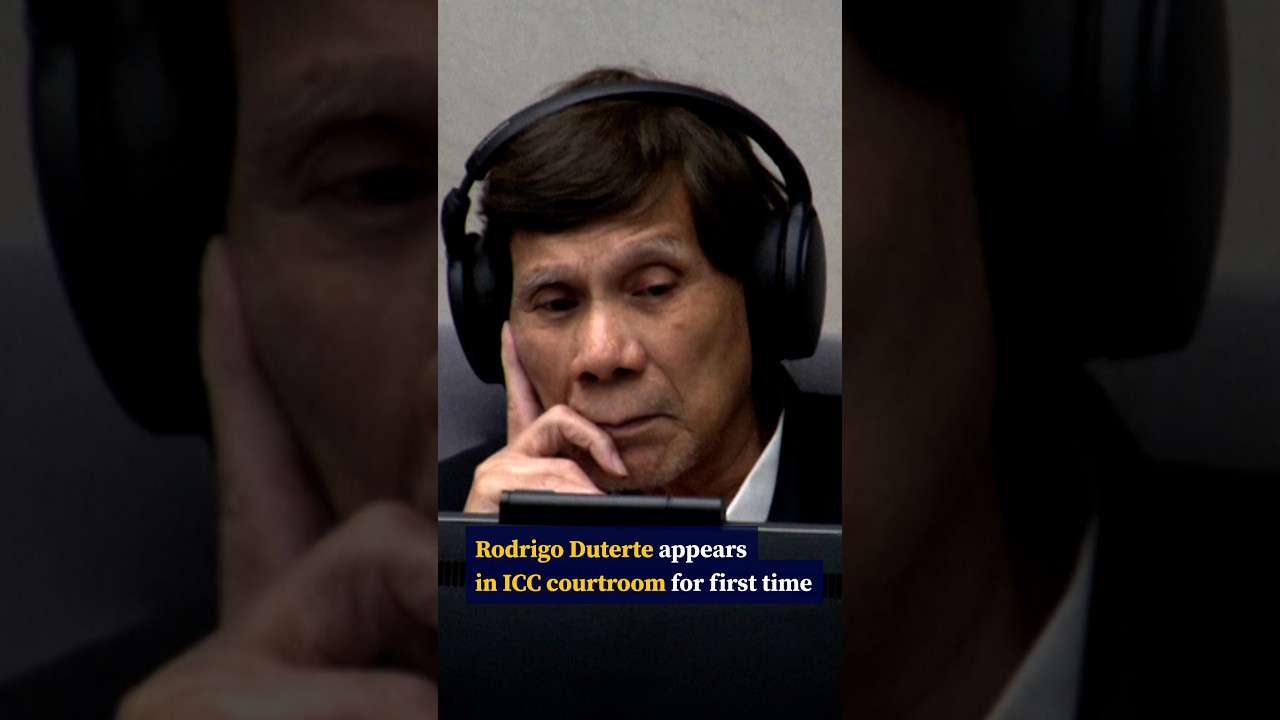
Former Philippine president Rodrigo Duterte appeared in person at the International Criminal Court (ICC) for the first time on Wednesday, as he faces charges over his “war on drugs” that killed thousands of people. The 81-year-old had appeared by video link when he was first brought to court in March 2025, but had since skipped hearings, with his defence team claiming he was too ill.
Former Philippine president Rodrigo Duterte appeared in person at the International Criminal Court (ICC) for the first time on Wednesday, as he faces charges over his “war on drugs” that killed thousands of people. The 81-year-old had appeared by video link when he was first brought to court in March 2025, but had since skipped hearings, with his defence team claiming he was too ill.
Monsters and Humans Cannot Coexist—Lindsay Clancy and the Monsters of Undertale
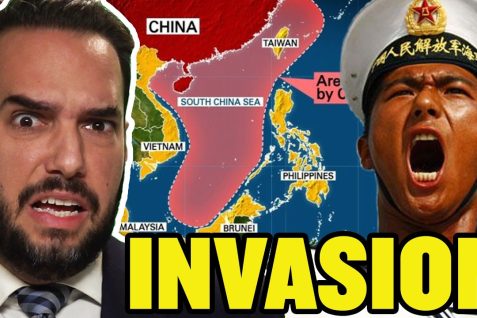
China is helping Russia’s war machine—and now there’s proof. Meanwhile, the Philippines just gave Beijing a brutal public reality check.
In this episode of China Uncensored, we look at China secretly supplying Russia with technology for attack drones, and the incredible moment the Philippines’ defense secretary called out China’s bullying over the South China Sea.
Operation Honey Pot: Paste this emoji 🍯 in your comment below.
Want to go deeper than YouTube will let us? Check out our website:
Monsters and Humans Cannot Coexist—Lindsay Clancy and the Monsters of Undertale
China is helping Russia’s war machine—and now there’s proof. Meanwhile, the Philippines just gave Beijing a brutal public reality check.
In this episode of China Uncensored, we look at China secretly supplying Russia with technology for attack drones, and the incredible moment the Philippines’ defense secretary called out China’s bullying over the South China Sea.
Operation Honey Pot: Paste this emoji 🍯 in your comment below.
Want to go deeper than YouTube will let us? Check out our website:
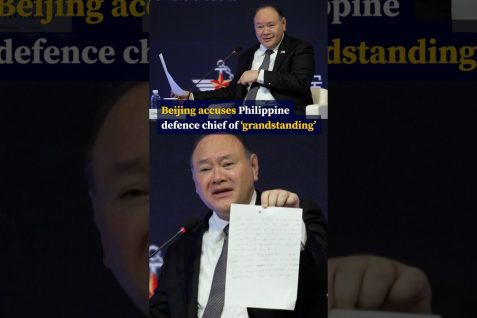
China has accused Philippine officials of “grandstanding” after Manila’s defence secretary publicly read aloud a Chinese diplomat’s note reiterating Beijing’s stance on the South China Sea arbitration. Gilberto Teodoro described the incident, which happened at the Seoul Defence Dialogue on Tuesday, as “coercion, bullying and aggression”.
China has accused Philippine officials of “grandstanding” after Manila’s defence secretary publicly read aloud a Chinese diplomat’s note reiterating Beijing’s stance on the South China Sea arbitration. Gilberto Teodoro described the incident, which happened at the Seoul Defence Dialogue on Tuesday, as “coercion, bullying and aggression”.
“No underwear.” That’s the line alleged Chinese spy Fang Fang aka Christine Fang used to seduce former US Congressman Eric Swalwell. Newly declassified FBI d
"No underwear." That's the line alleged Chinese spy Fang Fang aka Christine Fang used to seduce former US Congressman Eric Swalwell. Newly declassified FBI documents about this scandal are absolutely wild. And I'm here for it.
A warning one day. A confrontation the next. China has escalated tensions in the South China Sea, warning the Philippines and telling Australia to stay out.
A warning one day. A confrontation the next. China has escalated tensions in the South China Sea, warning the Philippines and telling Australia to stay out.
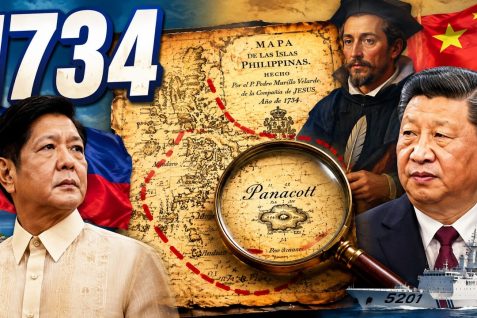
A 300-year-old Spanish map is quietly deciding one of the most dangerous territorial disputes on Earth. When China claims the South China Sea through its nine-dash line, the Philippines answers with …
A 300-year-old Spanish map is quietly deciding one of the most dangerous territorial disputes on Earth. When China claims the South China Sea through its nine-dash line, the Philippines answers with something far older — the 1734 Murillo Velarde map, drawn by a Jesuit priest and Filipino collaborators, showing Scarborough Shoal as Philippine territory centuries before Beijing's claim even existed. This is the story of how the "mother of all Philippine maps" helped win the 2016 arbitration at The Hague — and why history itself may be the Philippines' strongest weapon in the West Philippine Sea. ⚓ Chapters: 0:00 The map that stood between nations 0:50 The West Philippine Sea standoff 2:30 Why a map is the weapon 4:00 Two centuries ahead of China's claim 6:00 The 2016 arbitration victory 8:30 China's own maps, and the question they can't answer 10:30 The modern echo — 2023, 2024, and Pag-asa Island #WestPhilippineSea #SouthChinaSea #Philippines #ScarboroughShoal #History
The United States is cracking down on a Chinese strategy for avoiding U.S. tariffs. A new White House report zeroes in on what it calls the “transshipment scam”—moving Chinese-made goods through …
The United States is cracking down on a Chinese strategy for avoiding U.S. tariffs. A new White House report zeroes in on what it calls the “transshipment scam”—moving Chinese-made goods through another country before they reach America. A separate big win for President Donald Trump—and bad news for some Chinese online retailers. A U.S. court is backing his decision to impose duties on goods worth $800 or less entering the country. Microsoft has shut 15 offices and joint ventures in China as the country’s economy slows. Plus, U.S. tariffs are driving Ford to move some SUV production from China back to the United States. Taiwan’s biggest annual war games are entering their final two days. We take a look at how civilians in the island’s capital are preparing. A new flashpoint in Northeast Asia. Vladimir Putin is making his first visit as Russia’s president to a disputed island claimed by Japan, triggering strong protests from Tokyo. 00:00 Intro 01:16 $60B Lost to Transshipment Scams Annually: WH Report 01:55 China Builds Transshipment Network to Evade Tariffs 02:56 White House Announces AI System to Detect Transshipment 03:48 Court Backs Trump’s End to ‘De Minimis’ Loophole 06:29 Microsoft Shuts 15 Offices, Joint Ventures in China 07:50 Ford to Move Some SUV Production Back to U.S. 08:24 On the Ground During Taiwan’s Air Raid Drill 09:11 What Is Taiwan Preparing for in Air Raid Drill? 10:32 Xi Orders China Military: Be Ready for Taiwan by 2027 10:44 Putin Visits Disputed Kuril Islands; Japan Protests 13:14 Taiwan Thwarts AI Cyberattacks 13:58 U.S. Must Rebuild Hard Power to Counter China: Col. Newsham 14:16 Philippines Wakes Up to China’s Political Warfare 18:50 “Don’t Help Them”: A Reagan Strategy for Today
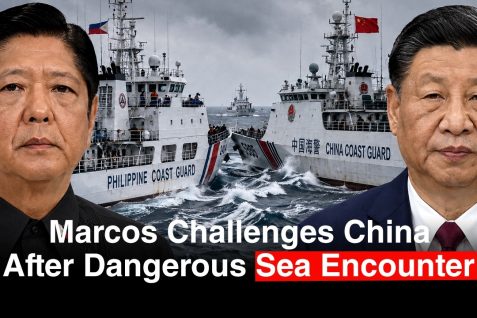
Marcos Jr Confronts Beijing Over Dangerous South China Sea Encounter Ferdinand Marcos Jr. challenges Beijing following another tense South China Sea encounter involving Philippine and Chinese vessels. This video explains Manila’s …
Marcos Jr Confronts Beijing Over Dangerous South China Sea Encounter Ferdinand Marcos Jr. challenges Beijing following another tense South China Sea encounter involving Philippine and Chinese vessels. This video explains Manila’s maritime position, China’s response, the role of international law, growing diplomatic pressure, and why repeated encounters around disputed waters continue raising regional security concerns across Southeast Asia. #CrossWorldNews #MarcosJr #XiJinping #SouthChinaSea #Philippines #China #WestPhilippineSea #Beijing #MaritimeDispute #AsiaNews #Geopolitics
The US State Department says it firmly rejects China's efforts to enforce its territorial claim over Scarborough Shoal in the South China Sea. Beijing has long claimed sovereignty over the reef, …
The US State Department says it firmly rejects China's efforts to enforce its territorial claim over Scarborough Shoal in the South China Sea. Beijing has long claimed sovereignty over the reef, rejecting an international ruling in favor of the Philippines. Washington calls Beijing's declaration of a national nature reserve around the shoal "destabilizing" and says China has no right to deny Fillipino fishers access to a traditional fishing ground.
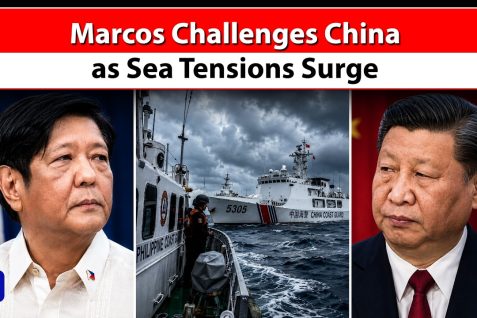
Ferdinand Marcos Jr. Challenges China as South China Sea Erupts This video examines rising tensions between the Philippines and China in the South China Sea, focusing on confrontations near Second Thomas …
Ferdinand Marcos Jr. Challenges China as South China Sea Erupts This video examines rising tensions between the Philippines and China in the South China Sea, focusing on confrontations near Second Thomas Shoal and Scarborough Shoal. It covers Ferdinand Marcos Jr.’s response, China’s military and coast guard activity, the 2016 arbitration ruling, growing U.S. and Japanese support for Manila, and ongoing ASEAN diplomacy as regional leaders try to prevent further escalation while defending competing maritime claims, security interests, and regional stability. Footage, images, and other visual materials may include content licensed from Agence France-Presse (AFP) and other authorized sources where applicable. Such materials are incorporated into original editorial coverage and transformed through reporting, analysis, narration, context, and editing. All editorial decisions, opinions, and analysis are solely those of Insight 24. #SouthChinaSea #Philippines #China #FerdinandMarcosJr #XiJinping #WestPhilippineSea #ScarboroughShoal #SecondThomasShoal #PhilippineCoastGuard #ChinaCoastGuard #ASEAN #MaritimeSecurity
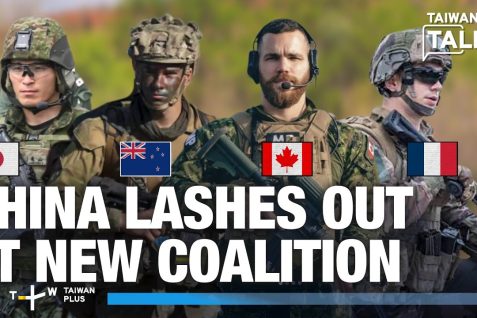
The US, Philippines and Japan are joined by a growing group of allies in the largest iteration of the Balikatan exercise yet. With new participants including France, Canada and New Zealand, …
The US, Philippines and Japan are joined by a growing group of allies in the largest iteration of the Balikatan exercise yet. With new participants including France, Canada and New Zealand, the drills are expanding in scale and complexity, from live-fire maritime strikes to integrated air and missile defense. For the first time, exercises are being held in the Bashi Channel, just over 100 miles from Taiwan. The strategic importance of the First Island Chain is further underscored by Japan’s larger than expected commitment of 1,400 troops. In response, Beijing has sharply criticized the allies and blocked air travel over wide swathes of the Yellow Sea and East China Sea. In this episode, we examine what’s driving this expansion and what it means for Taiwan and regional security. *Recorded on April 21, 2026 at 2:30pm Taiwan Standard Time Host/Senior Producer: Yin Khvat Consultant: Max Yu Research Assistant: Ryan Pham Our guests: Tony Hu Former US Department of Defense Senior Director for China, Taiwan and Mongolia Sana Hashmi Taiwan-Asia Exchange Foundation Fellow Renato Cruz de Castro De La Salle University Department of International Studies Distinguished Professor Chapters: 00:00:00 – Philippines Hosts Biggest-Ever Drills 00:01:47 – China, Japan Sail Through Strait 00:04:33 – US Allies in ‘Real World’ Exercises 00:13:38 – Japan Sends 1,400 Troops 00:19:20 – Beijing Locks Down Airspace
The USS George Washington has returned to the South China Sea as tensions escalate across the region, with China conducting live-fire drills near Taiwan and clashing with Philippine vessels at Scarborough …
The USS George Washington has returned to the South China Sea as tensions escalate across the region, with China conducting live-fire drills near Taiwan and clashing with Philippine vessels at Scarborough and Second Thomas Shoal. The US carrier strike group's deployment included a port call in Vietnam — the first since 2023 — and joint operations and training with regional partners. Meanwhile, the Chinese government-linked Grandview Institution think tank issued an unusual report in English outlining China’s maritime enforcement strategy, including its gray-zone tactics. Was the report’s publication an accident, or yet another tactic by Beijing to intimidate its neighbors? In this episode, we examine the strategic significance of the USS George Washington's deployment, China's evolving maritime strategy and what the latest developments mean for Indo-Pacific security.
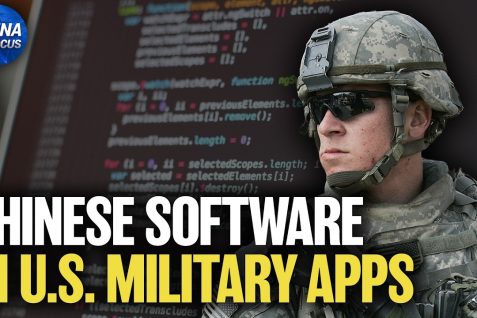
A new security concern for U.S. troops: Computer code from Chinese and Russian companies was found in apps made for people serving in the U.S. military. What researchers found could put …
A new security concern for U.S. troops: Computer code from Chinese and Russian companies was found in apps made for people serving in the U.S. military. What researchers found could put sensitive information and people’s safety at risk. A call to resist pressure from China—Taiwanese President Lai Ching-te urged members of his party to oppose the “red terror” coming from Beijing. Taiwan sees a diplomatic setback as the Pacific island nation of Papua New Guinea closes its representative office under pressure from Beijing. As China’s threats grow, Taiwan’s new drone coalition is moving quickly to secure critical supply lines with international allies. Today marks the 27th anniversary of China’s brutal persecution of Falun Gong practitioners. Lawmakers are commemorating this day alongside millions of Falun Gong practitioners around the world. 00:00 Intro 01:24 Chinese, Russian Code Found in U.S. Military Apps 02:49 Taiwan President Calls to Resist China's 'Red Terror' 03:14 Papua New Guinea Shuts Taiwan Office, Draws Criticism 04:13 Taiwan Pushes to Secure Drone Alliance Amid China Pressure 05:13 Taiwan Boosts Sea Drills Amid China Patrol Escalation 05:59 Rubio in Philippines for Regional Talks 06:39 Rubio to Discuss Trump-Xi Summit in Asia Meetings 07:10 China Accused of Attacking Philippine Sailor 07:50 Lawmakers Support Falun Gong on Anniversary of Persecution 11:15 Falun Gong Marks 27 Years Since Start of Persecution 12:08 Parade Marks 27 Years of Falun Gong Persecution: London 14:33 China Moonshot AI Challenges U.S. Tech Lead 15:52 Beijing's Religious Persecution Targets Americans: Report
Secretary of State Marco Rubio meets with China’s top diplomat as both sides prepare for a possible leaders’ summit in Washington this fall. Meanwhile, the Quad sends a strong message on …
Secretary of State Marco Rubio meets with China’s top diplomat as both sides prepare for a possible leaders’ summit in Washington this fall. Meanwhile, the Quad sends a strong message on Indo-Pacific security. The United States is weighing new sanctions on China. This time, the fight is over artificial intelligence and alleged technology theft. U.S. Treasury Secretary Scott Bessent said, “We are finding watermarks of our U.S. large language models on many of the Chinese models.” Flooding has swept across China, including the financial hub of Shanghai. Rainwater leaked through roofs, pouring down like waterfalls, while sewage surged from toilets and flooded entire apartments. China’s housing slump isn’t over yet. It’s now in its fourth year. Experts explain why a recovery could still be years away. The human cost of socialism: From Cuba to Venezuela, critics say decades of authoritarian rule have crushed freedom and opportunity. We hear from an expert on what lies ahead. 00:00 Intro 01:06 Rubio, Wang Yi Set Stage for September Trump-Xi Summit 02:15 Quad Ministers Push Back on Coercion in Indo-Pacific 02:46 Philippine Foreign Minister Protests China’s Actions 03:58 Australia to Warn China Over Provocative Actions 04:21 Bessent Considers Sanctioning China for AI Model Theft 05:26 Bessent: China Buys Significantly Less Iranian Oil 05:40 China’s Multi-Front Assault on Free Societies 06:47 CCP Atrocity: Forced Organ Harvesting 07:16 Panels Highlight China’s Human Rights Abuses, Cyberattacks 09:27 Rainstorm Floods Parts of China’s Financial Hub 10:17 China’s Housing Slump Enters Fourth Year 12:08 Former TSMC Manager Faces China Espionage Charges 14:33 Venezuela Eyes Economic Turnaround 15:18 Venezuela Sees Democratic Progress 16:02 Americas Have to Be Free From Communism: Jraissati 17:55 Socialism Brings Poverty and Repression 19:20 China’s Venezuela Influence Faces Shift
From maritime clashes to a potential fall summit: Secretary of State Marco Rubio lands in the Philippines with a firm message for China that America is staying focused on the Pacific. …
From maritime clashes to a potential fall summit: Secretary of State Marco Rubio lands in the Philippines with a firm message for China that America is staying focused on the Pacific. President Donald Trump is taking aim at U.S. reliance on China. The Pentagon is rolling out tougher rules for defense supply chains. We’ll break down what’s in the order. Harvard University is under investigation. The Justice Department says the Ivy League school may be providing financial aid to foreign students, presumably from China, at the expense of American students. In the space race between the United States and China, NASA’s Artemis III mission is moving forward despite an explosion in May. This year marks the 27th anniversary of the start of the deadly persecution of the Falun Gong meditation practice in China. We spoke with Steve Lance, host of NTD’s Capitol Report and executive producer of the award-winning documentary “Unbroken: The Untold Story of Shen Yun.” Rubio Pushes Back on China’s Influence in Southeast Asia Rubio to Meet China’s Wang Yi Amid Escalating Tensions U.S. Condemns China’s Actions Against Philippine Navy Trump Tightens Defense Supply Chain Rules DOJ Probes Harvard’s Financial Aid Practices New State Department Report Describes Cuban Infiltration in U.S. Report: Cuba Recruits American University Students as Agents Cuban Regime’s Strategic Partnerships With China, Russia U.S. Imposes 50 Percent Tariffs on $20 Billion of Canadian Goods Trump Administration to Unveil Forced Labor Trade Action NASA’s Artemis III Mission Still on Track for 2027 2026 Rally to End Persecution of Falun Dafa
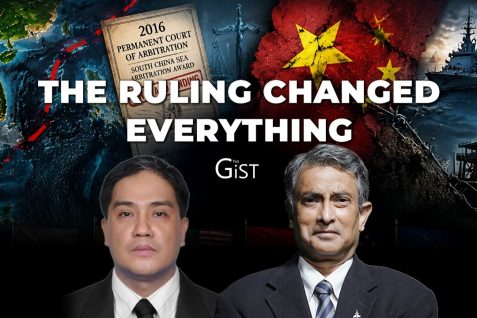
Ten years after the landmark South China Sea arbitration ruling, its biggest legacy may not be the legal defeat of China’s Nine-Dash Line claim but what Beijing’s response revealed about its …
Ten years after the landmark South China Sea arbitration ruling, its biggest legacy may not be the legal defeat of China’s Nine-Dash Line claim but what Beijing’s response revealed about its strategic ambitions. Speaking to StratNewsGlobal, Philippine strategic affairs expert Dr Renato Cruz de Castro argues that China’s refusal to recognise the 2016 Permanent Court of Arbitration award fundamentally changed how countries across the Indo-Pacific viewed its rise. “The ruling revealed to us what kind of a great power China would be,” he says, arguing that Beijing demonstrated its willingness to ignore international law in pursuit of broader geopolitical objectives. According to de Castro, China’s ambitions extend beyond the South China Sea to controlling the First Island Chain and eventually replacing the United States as the region’s principal maritime power. He believes Japan, Australia, the United States, the European Union and India have all adjusted their strategic outlook in response. For the Philippines, the turning point came after years of attempting accommodation with Beijing. “Whether you appease or challenge China, you will get the same result—subjugation and expansion,” he says. De Castro also highlights India’s growing importance in regional security, describing the BrahMos missile sale as a significant step in strengthening Philippine deterrence. Looking ahead, he argues that New Delhi and Manila should deepen cooperation beyond defence trade into a broader security partnership to counter coercion, influence operations and what he describes as China’s continuing regional expansion.
Marcos Backs Amphibious Vehicles As Japan Tracks Chinese Carrier Threat Japan closely monitored China’s Liaoning aircraft carrier group as it operated near the Philippines and the western Pacific, raising fresh regional …
Marcos Backs Amphibious Vehicles As Japan Tracks Chinese Carrier Threat Japan closely monitored China’s Liaoning aircraft carrier group as it operated near the Philippines and the western Pacific, raising fresh regional security concerns. At the same time, President Ferdinand Marcos Jr. is pushing Philippine military modernization with new amphibious armored vehicles for the Marine Corps. This video explains how China’s naval expansion, Japan’s surveillance, and Manila’s defense upgrades are reshaping Indo-Pacific security. Global Front provides original news reporting, research, analysis, commentary, scripting, editing, and presentation. This video may contain footage, images, or other materials licensed from Agence France-Presse (AFP) and other authorized sources. Such content is incorporated into original editorial coverage and transformed through reporting, analysis, context, narration, and editing. All editorial decisions, opinions, and analysis are solely those of Global Front. #GlobalFront #MarcosJr #JapanMilitary #ChinaCarrier #LiaoningCarrier #PhilippinesDefense #IndoPacific #SouthChinaSea #PhilippineMarines #JapanNavy #ChinaNavy #MilitaryNews #DefenseUpdate #AmphibiousVehicle #PacificTensions #BreakingNews
Japan has been closely monitoring China's Liaoning aircraft carrier group as it operated near the Philippines and the western Pacific, a development that has raised fresh security concerns in the region. Concurrently, Philippine President Ferdinand Marcos Jr. is advancing military modernization efforts by introducing new amphibious armored vehicles for the Marine Corps. This video explores how these simultaneous events are reshaping security dynamics across the Indo-Pacific. The content examines China's ongoing naval expansion, Japan's increased surveillance activities, and Manila's specific defense upgrades in response to these shifting circumstances. Global Front provides original news reporting, research, analysis, commentary, scripting, editing, and presentation for this coverage. The video may include footage or images licensed from Agence France-Presse and other authorized sources, which are incorporated into original editorial coverage and transformed through reporting, analysis, context, narration, and editing. All editorial decisions, opinions, and analysis presented are solely those of Global Front. The report addresses topics including the Liaoning carrier, Philippine defense strategies, Indo-Pacific tensions, and updates on amphibious vehicle deployments within the broader Pacific security landscape.
No peace talks between the United States and Iran took place on Friday, and no new date has been announced. We have the latest updates. Ukrainian drones have helped repel Russian …
No peace talks between the United States and Iran took place on Friday, and no new date has been announced. We have the latest updates. Ukrainian drones have helped repel Russian attacks for years. Now, China’s neighbors—including Taiwan and Japan—are eager to learn from Ukraine’s experience as they prepare to deter a potential conflict. Taiwan is pushing a new bill to invest billions in drone technology to counter China. Meanwhile, Australia is sending drones to the Philippines to strengthen maritime defenses. A historic shift in Cuba. The communist island is opening up to free-market reforms amid severe U.S. sanctions and secret diplomatic talks. Is Havana opening a new chapter—and how will Washington respond? 00:00 Intro 01:04 US-Iran Talks in Switzerland Postponed 03:21 Trump Criticizes Democrats Over Iran Deal Comments 03:55 Strait of Hormuz: Shipping Traffic Recovering 04:23 Israel–Hezbollah Ceasefire Takes Effect in Lebanon 05:04 U.S. Policy Shift: From Obama to Trump 06:53 Gulf Nations Fed Up With Iran Strikes 08:08 Ukrainian Drone Makers Target Taiwan, Japan 10:03 Taiwan Approves $6.7 Billion Domestic Drone Defense Plan 11:20 Australia Donates Drones to Philippine Coast Guard 13:04 Cuba Passes Historic Free-Market Economic Reforms 15:23 Trump: Cuba Operation May Mirror Venezuela 17:11 France Dismantles 9 Chinese Police Outposts 18:08 AI Data Center Boom Drives Solar Power Demand
This report from China in Focus on NTD examines several developing international situations, with a primary focus on regional defense strategies in the Pacific. The segment highlights that Taiwan is advancing legislation to invest approximately 6.7 billion dollars in domestic drone technology aimed at countering potential threats from China. This initiative reflects a broader trend where neighbors of China, including Japan, are looking to Ukraine's experience with drone warfare for inspiration as they prepare to deter future conflicts. In related maritime developments, Australia has donated drones to the Philippine Coast Guard to bolster their defensive capabilities in the region.
The broadcast also covers other significant global events without detailed elaboration on each. Updates indicate that peace talks between the United States and Iran were postponed with no new date set, while diplomatic efforts continue behind closed doors. Additionally, the report notes historic economic reforms passing in Cuba despite ongoing sanctions, a move that may influence future U.S. policy similar to actions taken regarding Venezuela. Other brief mentions include shifting dynamics in the Strait of Hormuz, developments between Israel and Hezbollah, and environmental impacts driven by an AI data center boom increasing demand for solar power. The program serves as a news update covering these diverse topics within its runtime.
Japan is expanding its defense partnerships beyond the traditional First Island Chain, as Tokyo and Jakarta discuss a possible transfer of Japanese Asagiri-class destroyers. The move follows growing security cooperation with …
Japan is expanding its defense partnerships beyond the traditional First Island Chain, as Tokyo and Jakarta discuss a possible transfer of Japanese Asagiri-class destroyers. The move follows growing security cooperation with Australia and the Philippines and reflects Japan’s efforts to build a broader network of like-minded maritime powers. At the same time, Indonesia is facing increasing pressure from Chinese gray-zone activities near critical sea lanes and the North Natuna Sea. Is Japan creating a new “network of navies” to help balance China’s growing influence? In this episode, we examine the evolving Japan-Indonesia partnership, the rise of Japan’s defense diplomacy and what it means for the future of Indo-Pacific security.
This episode of Taiwan Talks explores Japan's strategic shift toward expanding defense partnerships beyond its immediate neighbors, aiming to construct a broader network of maritime powers. The discussion centers on Tokyo and Jakarta's potential collaboration involving the transfer of Japanese Asagiri-class destroyers to Indonesia. This initiative follows similar security cooperation efforts with Australia and the Philippines, reflecting Japan's growing role in Indo-Pacific security architecture. Indonesia faces increasing pressure from Chinese gray-zone activities near critical sea lanes, particularly within the North Natuna Sea. The program examines whether Japan is creating a new alliance structure to counterbalance China's expanding influence in the region. Key topics include the evolving nature of the Japan-Indonesia partnership, the rise of Japanese defense diplomacy, and the implications for future regional stability. The episode features insights from guests including Lai I-chung, Alexander Huang, and Bill Hayton, who analyze these developments within the context of international law and freedom of navigation. Recorded on June 17, 2026, the conversation addresses how Tokyo's allies are pushing back against Chinese allegations while strengthening regional defense ties.
The Philippines and Taiwan are facing a surge in Chinese pressure across multiple flashpoints, as Beijing defends what it describes as “scientific research” activities at Scarborough Shoal (Minzhu Reef) and conducts …
The Philippines and Taiwan are facing a surge in Chinese pressure across multiple flashpoints, as Beijing defends what it describes as “scientific research” activities at Scarborough Shoal (Minzhu Reef) and conducts operations near Pratas (Dongsha) Island. It comes as Beijing has sanctioned Philippine Defense Secretary Gilberto Teodoro for calling out China’s “deception” and growing maritime aggression. Meanwhile, Taiwan has launched major live-fire exercises featuring HIMARS, drones and long-range rocket systems designed to counter a potential amphibious assault along its west coast. Are China’s latest activities in the South China Sea isolated incidents or part of a broader campaign to reshape the region’s status quo? In this episode, we examine China’s expanding gray-zone activities, the strategic importance of these islands and how Taiwan and the Philippines are responding.
This episode of Taiwan Talks examines escalating tensions in the South China Sea, focusing on Beijing's intensified activities at Scarborough Shoal and operations near Pratas Island. The discussion highlights a perceived surge in Chinese pressure against both the Philippines and Taiwan. Beijing frames its actions as scientific research, yet these moves coincide with sanctions imposed on Philippine Defense Secretary Gilberto Teodoro for criticizing what it terms deception and maritime aggression. Simultaneously, Taiwan is conducting significant live-fire exercises involving HIMARS, drones, and long-range rockets to prepare for potential amphibious threats along its western coast. The program explores whether these incidents represent isolated events or a coordinated campaign to alter the regional status quo. Experts analyze China's expanding gray-zone tactics and the strategic value of these islands. The conversation covers how neighboring nations are responding to coercive measures and artificial island construction. Recorded on June 12, 2026, the session features insights from Lai I-chung and Tony Hu, addressing broader implications for Indo-Pacific security and sovereignty disputes involving the Exclusive Economic Zone and freedom of navigation.
Southeast Asia is in the middle of an unprecedented military buildup — and it traces directly back to one country’s decision to stand its ground. From the water cannon attacks at …
Southeast Asia is in the middle of an unprecedented military buildup — and it traces directly back to one country’s decision to stand its ground. From the water cannon attacks at Second Thomas Shoal to Japan donating destroyers, South Korea selling fighter jets, and the US deploying missiles to Philippine bases, this video maps the full arc of how Chinese aggression in the West Philippine Sea triggered a regional arms race. We break down every major acquisition, every key alliance, and what it all means for the balance of power in Asia. #Philippines #SouthChinaSea #WestPhilippineSea #SoutheastAsia #IndoPacific
The video titled Why Southeast Asia Is Rearming — And the Philippines Is the Reason Why is presented by the channel Global Front and runs for approximately nine minutes. It examines a significant military expansion occurring across Southeast Asia, attributing this trend directly to actions taken by one nation in the region. The content outlines how specific events, including water cannon incidents at Second Thomas Shoal, have influenced regional security dynamics. According to the description, various countries are responding to perceived aggression in the West Philippine Sea through increased defense capabilities. Japan is noted for donating destroyers, while South Korea is mentioned as selling fighter jets to allies. Additionally, the United States is described as deploying missiles to bases within the Philippines. The overview suggests these developments form a chain reaction where initial confrontations have triggered a broader arms race involving multiple nations. The analysis aims to map how these acquisitions and new alliances affect the overall balance of power in Asia. By breaking down major equipment purchases and strategic partnerships, the video seeks to explain the shifting geopolitical landscape driven by tensions in the South China Sea.
Japan is expanding its alliances across the Indo-Pacific, strengthening ties with the Philippines, Indonesia, Vietnam and Australia as part of a broader diplomatic push by PM Takaichi Sanae and Defense Minister …
Japan is expanding its alliances across the Indo-Pacific, strengthening ties with the Philippines, Indonesia, Vietnam and Australia as part of a broader diplomatic push by PM Takaichi Sanae and Defense Minister Koizumi Shinjiro. At the center of these efforts are deepening security links with the US and the Philippines, including the transfer of Japanese Abukuma-class destroyers to Manila — a first since the lifting of its post-WWII arms export ban. It comes as the Philippines conducts its first test of a Tomahawk missile from a Typhon launcher. Together, these moves signal a shift toward more integrated form of regional deterrence. But how are Tokyo’s moves being greeted by Washington and Beijing? In this episode, we examine Japan’s growing network of partnerships, the strategic importance of key maritime routes and what this evolving alignment means for Taiwan and the Indo-Pacific balance of power. *Recorded on May 7, 2026 at 4pm Taiwan Standard Time Host/Senior Producer: Yin Khvat Consultant: George Nee Research Assistant: April Lin Our guests: Tsai Jung-hsiang National Chung Cheng University Political Science Professor Guermantes Lailari Jewish Policy Center Senior Non-Resident Fellow Chapters: 00:00:00 – Japan’s New Alliance Model 00:03:00 – Philippines Conducts Tomahawk Test 00:09:41 – Tokyo To Provide Destroyers to Manila, Jakarta 00:14:50 – US, Japan Reach Deals With Indonesia 00:18:48 – Japan’s Ties With SE Asia, Australia
This episode from Taiwan Talks examines Japan's expanding security alliances across the Indo-Pacific, driven by diplomatic efforts from Prime Minister Takaichi Sanae and Defense Minister Koizumi Shinjiro. Key developments include deepening ties with the Philippines, Indonesia, Vietnam, and Australia, alongside strengthened links to the United States. A significant milestone involves the planned transfer of Japanese Abukuma-class destroyers to Manila, marking the first such arms export since World War II restrictions were lifted. Concurrently, the Philippines conducted its initial test firing of a Tomahawk missile from a Typhon launcher. These actions collectively signal a shift toward more integrated regional deterrence strategies. The program explores how Washington and Beijing are reacting to Tokyo's growing network of partnerships. Discussion also covers the strategic importance of key maritime routes and the implications of these evolving alignments for Taiwan and the broader balance of power in the Indo-Pacific. The episode features analysis from Professor Tsai Jung-hsiang and Guermantes Lailari, recorded on May 7, 2026.
Philippines’ Miguel Malvar Ships Add VLS Capability, Escalating Sea Deterrence Ten years after the Scarborough Shoal standoff, the Philippines drastically upgraded its navy with the Miguel Malvar-class frigates. These 3,200-ton ships …
Philippines’ Miguel Malvar Ships Add VLS Capability, Escalating Sea Deterrence Ten years after the Scarborough Shoal standoff, the Philippines drastically upgraded its navy with the Miguel Malvar-class frigates. These 3,200-ton ships feature a 16-cell VLS, AESA radar, anti-ship missiles, torpedoes, and helicopter facilities, extending patrol endurance to about 20 days. Delivered on schedule, they enhance deterrence, maritime presence, and interoperability with allies. The program highlights procurement momentum but requires sustained training, logistics, and diplomacy to realize strategic benefits long-term readiness. #MiguelMalvar#PhilippineNavy#NavalModernization#SouthChinaSea#MaritimeSecurity
The Philippines has significantly upgraded its naval capabilities with the introduction of the Miguel Malvar-class frigates, marking a major shift in maritime strategy ten years after the Scarborough Shoal standoff. These vessels, weighing approximately 3,200 tons, are equipped with advanced features including a sixteen-cell vertical launch system for missiles, AESA radar, anti-ship weaponry, torpedoes, and facilities to support helicopters. This modernization extends their operational endurance to roughly twenty days, allowing for longer patrols. Delivered according to schedule, these ships aim to strengthen deterrence, increase maritime presence, and improve interoperability with allied forces. While the procurement program demonstrates momentum in acquiring new assets, realizing long-term strategic benefits depends on sustained efforts in training, logistics, and diplomacy. The acquisition highlights a broader trend of naval modernization focused on enhancing security in the South China Sea region. Success will require consistent investment beyond the initial delivery to ensure readiness and effective integration into existing fleet operations.
Source: U.S. Pauses $14 Billion Arms Sales to Taiwan | China in Focus Summary This program from China in Focus examines several major geopolitical developments involving the United States, China, and …
This program from China in Focus examines several major geopolitical developments involving the United States, China, and their regional allies. A significant portion of the broadcast addresses a reported pause on a fourteen billion dollar arms sale to Taiwan by the U.S. Navy chief, attributing the delay to ongoing conflicts in Iran while questioning if other factors are involved. The segment also highlights tensions in the technology sector, noting Taiwan's efforts to stop illegal exports of advanced chips to China and specific allegations regarding suspected smuggling involving Nvidia products.
The discussion extends to the global fentanyl crisis, where China is tightening export controls on chemicals used in production following recent diplomatic talks between Trump and Xi. Security cooperation is explored through a potential defense triangle formed by Japan, the Philippines, and the United States, alongside reports of a classified data pact between the latter two nations. The program further investigates a leaked database revealing a Chinese surveillance system that tracks foreigners in real time. Finally, former National Security Council officials provide analysis on back-to-back visits to Beijing by Trump and Putin, assessing whether these events expose Russian weakness or suggest a need for the U.S. to shift its strategic focus toward the Indo-Pacific region.