A recent report about Venezuelan dictator Maduro may have kept Xi Jinping awake at night. It is said that the former president reportedly called for help when at the Brooklyn Metropolitan …
A recent report about Venezuelan dictator Maduro may have kept Xi Jinping awake at night. It is said that the former president reportedly called for help when at the Brooklyn Metropolitan Detention Center in New York, yelling, “I am the president of Venezuela, tell my country that I’ve been kidnapped. Tell my country that we are being mistreated here.”
This video from the China Observer channel examines a recent report concerning Venezuelan leader Nicolás Maduro. The narrative suggests that the situation involving Maduro has caused significant concern for Chinese leadership, specifically Xi Jinping. According to the content presented, former President Maduro allegedly sought assistance while detained at the Brooklyn Metropolitan Detention Center in New York. During this time, he reportedly shouted claims of being kidnapped and mistreated by authorities, demanding messages be sent back to his country stating that he remains the president. The video title frames these events as a potential coup involving military and armed police forces, alongside a dramatic reaction from Chinese leadership described as freaking out at night. The description further characterizes Maduro as a dictator within the context of this story. The segment aims to highlight the alleged distress caused by these developments in Venezuela to international observers, particularly those with ties to China. The video runs for approximately seventeen minutes and includes calls to support the channel through membership or donations while providing contact information for business inquiries. No transcript is available to verify specific dialogue beyond the summarized claims found in the public description.
Chinese leader Xi Jinping wanted a new world order—but his closest allies are crumbling. With Venezuelan leader Nicolás Maduro in U.S. custody and Iran’s Ayatollah Ali Khamenei dead, Xi’s global ambitions …
Chinese leader Xi Jinping wanted a new world order—but his closest allies are crumbling. With Venezuelan leader Nicolás Maduro in U.S. custody and Iran’s Ayatollah Ali Khamenei dead, Xi’s global ambitions are facing a major reality check. We examine how Washington is squeezing Beijing’s partners and dismantling China’s global agenda. A Chinese researcher in Texas has been sentenced to one year in prison and is set to be deported after pleading guilty to attempting to smuggle sensitive medical data to China. Chinese nationals have been receiving flight training in the United States, and some could one day pilot Chinese military aircraft in an attack on Taiwan. A lawmaker is sounding the alarm. A new book, “Killed to Order,” exposes the Chinese Communist Party’s crime of forced organ harvesting. It’s authored by Jan Jekielek, senior editor at The Epoch Times. 00:00 Intro 02:36 Trump’s South America, Mideast Actions Dismantle Xi’s Global Agenda 08:59 MD Anderson Researcher Gets 1-Year Prison Term: Chinese IP Theft 10:40 China Pilots Trained in U.S. Schools 11:56 Experts to Congress: Robotics Race with China Critical 14:45 New Book Unpacks CCP’s Organ Harvesting Industry 17:01 Expert: Widespread Chinese Influence in South Korea
This episode of China in Focus examines the challenges facing Chinese global ambitions under President Xi Jinping, suggesting that key allies are destabilizing his vision for a new world order. The program highlights specific geopolitical shifts, noting reports regarding the detention of Venezuelan leader Nicolás Maduro and the death of Iran's Ayatollah Ali Khamenei as factors complicating Beijing's international strategy. Washington is described as actively working to squeeze China's partners and dismantle its broader agenda.
The report also covers domestic and security-related issues affecting Chinese interests abroad. A researcher at a Texas institution received a one-year prison sentence and faces deportation after pleading guilty to attempting to smuggle sensitive medical data to China. Additionally, the segment addresses concerns over Chinese nationals receiving flight training in the United States, with some potentially preparing to pilot military aircraft in future conflicts involving Taiwan.
Further topics include a new book titled Killed to Order, which alleges forced organ harvesting by the Communist Party, and expert testimony before Congress regarding the critical nature of a robotics race with China. The episode concludes with observations on Chinese influence in South Korea and a mention of a separate documentary concerning Hollywood. Viewers are directed to NTD for breaking news and live coverage updates.
Donald Trump’s upcoming China trip is already hitting snags—delays, a scaled-down itinerary, and one very awkward guest: Marco Rubio, who’s technically banned from entering China. As Beijing scrambles to save face, …
Donald Trump’s upcoming China trip is already hitting snags—delays, a scaled-down itinerary, and one very awkward guest: Marco Rubio, who’s technically banned from entering China. As Beijing scrambles to save face, this visit is shaping up to be less diplomacy—and more geopolitical trolling between Trump and Xi Jinping.
The video titled Trump Forces China Into a Lose-Lose Situation, produced by the channel China Uncensored with a duration of 613 seconds, examines potential complications surrounding Donald Trump's upcoming visit to China. The public description highlights several emerging issues that could impact the trip, including reported delays and a scaled-down itinerary. A significant point of contention mentioned is the presence of Marco Rubio as a guest, noting that he is technically banned from entering China, which adds an awkward element to the proceedings.
The narrative suggests that these factors are causing Beijing to scramble to maintain its dignity during the event. Rather than presenting a straightforward diplomatic engagement, the visit appears to be evolving into a complex geopolitical interaction characterized by tension between Trump and Xi Jinping. The description frames the situation as resembling more of a strategic maneuver or trolling than traditional diplomacy. The content encourages viewers to engage further through the channel's website, newsletter, and mobile applications for deeper analysis beyond standard platform limitations. Social media links are provided across various platforms for continued updates on these international relations topics.
Source: It’s Finally Happening… – Episode #307 Summary Episode 307 of The China Show, hosted by the channel of the same name, addresses a range of significant developments occurring in China …
Episode 307 of The China Show, hosted by the channel of the same name, addresses a range of significant developments occurring in China during that week. The episode opens with a sponsorship acknowledgment for Surfshark VPN, offering viewers a promotional code for extended service. The core content highlights diverse events, starting with mysterious rocket activities and reports of large-scale uprisings, suggesting a period of intense activity and potential instability within the region. The program also touches upon various other topics, including specific incidents involving individuals like Zuo Tian Xinyi, which are referenced through linked documentary sources. Additionally, the episode covers international assessments of freedom in China and Taiwan via Freedom House reports for 2026. Tech news is included, focusing on a scandal involving counterfeit chips found in Chinese laptops. The discussion extends to geopolitical relations between China and Iran, drawing from Atlantic perspectives. Cultural elements are present through a featured cartoon track by Jüri Pootsmann. Viewers are directed to the channel's merchandise store for limited apparel and encouraged to support the show via Patreon tiers. Links to external documentaries and tech articles provide further context for the discussed subjects.
Population and economic data are key indicators in the competition between major global powers, but under the Chinese Communist Party’s rule, China has been accused of falsifying these figures, with many …
Population and economic data are key indicators in the competition between major global powers, but under the Chinese Communist Party’s rule, China has been accused of falsifying these figures, with many flaws exposed!
The video titled China's Two Huge Lies Revealed is produced by the channel China Observer and runs for approximately eighteen minutes. It addresses concerns regarding the accuracy of population and economic statistics used to measure global power dynamics between major nations. The content suggests that under current leadership, there are significant accusations that these specific figures have been falsified. Various flaws in how these data points are reported are highlighted as central themes within the presentation. The description notes that accurate information on demographics and economy serves as a critical benchmark in international competition. Viewers are invited to explore claims suggesting official numbers do not reflect reality, specifically noting discrepancies between reported totals and what is presented as actual conditions. The channel provides links for membership support and business inquiries, indicating an independent news perspective. No specific dates or events are detailed beyond the general assertion of data manipulation. The overview relies solely on the provided text without adding external context or inventing specific examples of the alleged falsifications mentioned in the summary section.
A new US intelligence report says Beijing has no plans to invade Taiwan in 2027, despite much speculation around a potential timeline for the PLA under Chinese President Xi Jinping. Source: …
A new US intelligence report says Beijing has no plans to invade Taiwan in 2027, despite much speculation around a potential timeline for the PLA under Chinese President Xi Jinping.
A recent intelligence report from the United States indicates that Beijing currently has no plans to invade Taiwan in 2027. This finding addresses significant speculation regarding a potential timeline for military action under the leadership of Chinese President Xi Jinping. The report suggests that while discussions about such a date have been prevalent, official strategic intentions do not align with an invasion occurring by that specific year.
TaiwanPlus News delivered this update in a video segment lasting approximately two minutes and eighteen seconds. The broadcast features reporting by Kris Ma and Lery Hiciano, aiming to provide viewers with verified information on regional developments. The channel positions itself as a source offering unique perspectives on both local issues within the region and broader world events. By presenting this intelligence assessment, TaiwanPlus seeks to clarify the current geopolitical landscape surrounding cross-strait relations. The report serves to counter rumors or unconfirmed timelines that have circulated in public discourse. Viewers are directed to the channel's various social media platforms for further engagement with their news coverage on these critical topics.
China says it wants peace—but is that just part of the strategy? As China expands its influence through cyber, economic, and information warfare, anti-war narratives are spreading in the U.S. and …
China says it wants peace—but is that just part of the strategy? As China expands its influence through cyber, economic, and information warfare, anti-war narratives are spreading in the U.S. and beyond. From tensions over Taiwan to global propaganda campaigns, is Beijing shaping public opinion to gain the upper hand before a real conflict begins?
The video titled This Is Not Looking Good is produced by the channel China Uncensored and has a duration of approximately thirteen minutes. The content focuses on the topic of Operation Honey Pot, suggesting an investigation into how China manages its international image while expanding influence through various means. The narrative explores the discrepancy between Beijing's stated desire for peace and actions that may indicate strategic maneuvering. Specific areas of concern include cyber activities, economic pressures, and information warfare tactics employed globally.
The discussion highlights rising anti-war sentiments in the United States and other regions, questioning whether these narratives are organic or influenced by broader campaigns originating from China. Tensions regarding Taiwan are mentioned as a key component of the geopolitical landscape being analyzed. The video posits that propaganda efforts might be designed to shape public opinion before any potential conflict escalates into open warfare. Viewers are encouraged to engage with the content by subscribing and visiting associated platforms for further updates. The description notes that additional resources, such as newsletters and mobile applications, are available for those seeking more in-depth information on these subjects.
Shocking! Japan Strikes Back at China,Deploys Deadly Weapon with Range Covering China’s Largest City China Observer 801K subscribers 68,124 views Mar 15, 2026 #chinaobserver On March 9, Japan’s first launchers equipped …
Shocking! Japan Strikes Back at China,Deploys Deadly Weapon with Range Covering China’s Largest City China Observer 801K subscribers 68,124 views Mar 15, 2026 #chinaobserver On March 9, Japan’s first launchers equipped with domestically-made long-range missiles entered the Japan Ground Self-Defense Force base. This move is in response to the increasing security challenges posed by China to Japan.
On March 9, Japan's Ground Self-Defense Force base received its first launchers fitted with domestically produced long-range missiles. This deployment is presented as a direct response to escalating security challenges attributed to China. The video title suggests that this new capability involves weapons with a range capable of covering China's largest city, framing the event as a significant escalation or countermeasure in regional tensions. The content originates from the channel China Observer, which positions itself as a source for independent news regarding international affairs involving these nations. The description notes that this move marks a specific development in Japan's military posture, linking the acquisition of domestic missile technology to broader security concerns. No further operational details, specific technical specifications, or additional context regarding the strategic implications beyond the stated response to Chinese challenges are provided in the available source material. The overview relies strictly on the textual information supplied without inferring unstated conclusions or events not explicitly mentioned in the description or title.
China’s Two Sessions are usually tightly controlled political theater—but this year, something felt different. From over 100 unexplained absences to a rare dissenting vote, from missing generals to subtle shifts in …
China’s Two Sessions are usually tightly controlled political theater—but this year, something felt different. From over 100 unexplained absences to a rare dissenting vote, from missing generals to subtle shifts in language on Taiwan and the economy, a series of unusual signals emerged behind the scenes. Even Xi Jinping’s inner circle appears unsettled, raising new questions about loyalty, control, and the balance of power inside the CCP. In this video, we break down what these signals really mean—and whether they point to deeper instability within China’s political system.
This video from Lei's Real Talk examines unusual developments during China's annual Two Sessions, an event typically characterized by strict political control. The analysis highlights several notable deviations from the norm, including over one hundred unexplained absences among delegates and a rare instance of dissenting votes. Specific attention is drawn to the absence of certain generals and subtle shifts in official language regarding Taiwan and the economy. These factors collectively suggest that signals emerging behind the scenes indicate potential internal friction. The content posits that even members of Xi Jinping's inner circle appear unsettled, which raises significant questions regarding loyalty, control mechanisms, and the balance of power within the Communist Party of China. The overarching inquiry focuses on whether these anomalies point toward deeper instability within the nation's political system. By breaking down these specific signals, the video aims to provide viewers with an understanding of what these events truly signify for the future trajectory of Chinese politics. The discussion remains centered on interpreting these hidden stories without inventing facts or claiming direct observation of transcripts not provided in the source material.
China Update provides the most up to date political, economic, and geopolitical news and analysis on China. Videos are based on hundreds of articles, think tank reports, government statements and other …
China Update provides the most up to date political, economic, and geopolitical news and analysis on China. Videos are based on hundreds of articles, think tank reports, government statements and other resources in English and Chinese. China Update is fully independent and I make the videos. X (Formerly Twitter): / tonychinaupdate Channel email: [email protected] 00:00 Introduction 00:10 US-China: Trump-Xi Summit & Iran Crisis 02:31 Vietnam-China 04:25 Tech War: Nvidia’s H200s & ‘Apple Tax’ 07:50 The New Space Race
This video from the China Update channel examines significant geopolitical and technological shifts involving China. The overview begins with an analysis of high-level diplomatic interactions, specifically focusing on a potential summit between Donald Trump and Xi Jinping alongside ongoing tensions related to the Iran crisis. The discussion then shifts to regional dynamics in Southeast Asia, highlighting the complex relationship between Vietnam and China. A major segment addresses the escalating technology war, detailing restrictions on Nvidia's H200 chips and examining what is referred to as an Apple tax. The content also explores emerging competition in the space sector, framing it as a new race for strategic advantage. Throughout the presentation, the channel emphasizes its independent approach by synthesizing hundreds of articles, think tank reports, and government statements from both English and Chinese sources. Viewers are reminded that the content is for informational purposes only and does not constitute financial advice. The video aims to provide current political, economic, and geopolitical insights without guaranteeing absolute accuracy on every claim made.
Leaked documents reveal China is using advanced AI to generate and spread misleading or manipulated information online. TaiwanPlus spoke with Jasper Hewitt, a digital intelligence analyst with DoubleThink Lab to learn …
Leaked documents reveal China is using advanced AI to generate and spread misleading or manipulated information online. TaiwanPlus spoke with Jasper Hewitt, a digital intelligence analyst with DoubleThink Lab to learn more about the threats posed by Beijing’s information warfare efforts. 📹 Reporter(s): Yuan Tuan/Alan Lu #TaiwanPlus #TaiwanPlusNews #TaiwanNews –
A recent report indicates that China is leveraging advanced artificial intelligence to create and disseminate misleading or manipulated information online. This development highlights a growing concern regarding Beijing's strategic use of technology in the realm of information warfare. To better understand these emerging threats, TaiwanPlus News engaged with Jasper Hewitt, a digital intelligence analyst from DoubleThink Lab. Hewitt provided insights into how these AI-driven tactics function and the potential risks they pose to global information ecosystems. The discussion focused on the mechanisms behind generating false narratives and spreading them rapidly across digital platforms. By utilizing sophisticated algorithms, these efforts aim to distort public perception and undermine trust in online content. The analysis underscores the importance of recognizing such automated manipulation as a significant challenge for international security and media integrity. TaiwanPlus continues to report on local issues and world events, offering a unique perspective on how technological advancements impact geopolitical dynamics. Viewers are encouraged to stay informed about these evolving tactics through their various digital channels, including their website and social media platforms where they share updates on similar topics.
Clashing narratives, competing coverage—what’s shaping the story we see? And how is China influencing the global conversation on the Iran war? Taiwan is reaffirming its resolve to defend itself, as the …
Clashing narratives, competing coverage—what’s shaping the story we see? And how is China influencing the global conversation on the Iran war? Taiwan is reaffirming its resolve to defend itself, as the summit between President Donald Trump and Chinese leader Xi Jinping is delayed and speculation grows over whether it could affect U.S. arms sales to the island. Chinese companies not only operate American port terminals, but are also being awarded U.S. military transportation contracts. Now, two lawmakers are pushing back. Argentina’s textile sector is facing its worst downturn in decades. Ultra-cheap imports from China are flooding its market. A U.S. cybersecurity firm has uncovered a massive North Korean scheme targeting American tech jobs. One suspect’s laptop provides an inside look, revealing China’s possible role in the operation. 00:00 Intro 01:03 Israel Confirms Killings of Top Iranian Officials 02:01 Trump Expects Iran War to End “Soon” 02:29 How Media Narratives Are Aiding Iran 04:26 China’s Role in Shaping Iran War Narratives 06:16 Taiwan Reaffirms Self-Defense Commitment 07:27 Bill Would Prevent CCP From Using Truck Drivers for Spying 08:32 Chinese Company Could Track U.S. Military Cargo 09:52 What’s Behind Trump’s Comment on Delaying China Visit 15:11 Argentina Fashion Hit Hard by Chinese Imports 18:34 U.S. Cybersecurity Firm Exposes N. Korea Job Scheme
This video from China in Focus explores how competing narratives shape global news coverage, with a specific focus on China's influence regarding the Iran conflict. The program examines reports that Israel has confirmed the killing of top Iranian officials and discusses President Trump's expectation that the war will end soon. It analyzes how media stories may be aiding Iran and investigates China's potential role in shaping these international narratives.
The segment also addresses Taiwan's renewed commitment to self-defense amidst delays in a summit between President Trump and Chinese leader Xi Jinping, raising questions about potential impacts on U.S. arms sales. Attention turns to security concerns as lawmakers push legislation to prevent the use of truck drivers for spying, noting that some Chinese companies operate American port terminals and hold military transportation contracts. The report highlights fears that such entities could track U.S. military cargo.
Further topics include Argentina's textile industry facing its worst downturn in decades due to cheap imports from China. Additionally, a U.S. cybersecurity firm uncovered a massive North Korean scheme targeting American tech jobs, with evidence suggesting China may have played a role. The broadcast aims to provide context on these developing international issues without inventing facts or claiming direct observation of the events described.
Chinese leader Xi Jinping wanted a new world order—but his closest allies are crumbling. With Venezuelan leader Nicolás Maduro in U.S. custody and Iran’s Ayatollah Ali Khamenei dead, Xi’s global ambitions …
Chinese leader Xi Jinping wanted a new world order—but his closest allies are crumbling. With Venezuelan leader Nicolás Maduro in U.S. custody and Iran’s Ayatollah Ali Khamenei dead, Xi’s global ambitions are facing a major reality check. We examine how Washington is squeezing Beijing’s partners and dismantling China’s global agenda. A Chinese researcher in Texas has been sentenced to one year in prison and is set to be deported after pleading guilty to attempting to smuggle sensitive medical data to China. Chinese nationals have been receiving flight training in the United States, and some could one day pilot Chinese military aircraft in an attack on Taiwan. A lawmaker is sounding the alarm. A new book, “Killed to Order,” exposes the Chinese Communist Party’s crime of forced organ harvesting. It’s authored by Jan Jekielek, senior editor at The Epoch Times. 00:00 Intro 02:36 Trump’s South America, Mideast Actions Dismantle Xi’s Global Agenda 08:59 MD Anderson Researcher Gets 1-Year Prison Term: Chinese IP Theft 10:40 China Pilots Trained in U.S. Schools 11:56 Experts to Congress: Robotics Race with China Critical 14:45 New Book Unpacks CCP’s Organ Harvesting Industry 17:01 Expert: Widespread Chinese Influence in South Korea
This episode of China in Focus examines the challenges facing Chinese global ambitions under President Xi Jinping, suggesting that key allies are destabilizing his vision for a new world order. The program highlights specific geopolitical shifts, noting reports regarding the detention of Venezuelan leader Nicolás Maduro and the death of Iran's Ayatollah Ali Khamenei as factors complicating Beijing's international strategy. Washington is described as actively working to squeeze China's partners and dismantle its broader agenda.
The report also covers domestic and security-related issues affecting Chinese interests abroad. A researcher at a Texas institution received a one-year prison sentence and faces deportation after pleading guilty to attempting to smuggle sensitive medical data to China. Additionally, the segment addresses concerns over Chinese nationals receiving flight training in the United States, with some potentially preparing to pilot military aircraft in future conflicts involving Taiwan.
Further topics include a new book titled Killed to Order, which alleges forced organ harvesting by the Communist Party, and expert testimony before Congress regarding the critical nature of a robotics race with China. The episode concludes with observations on Chinese influence in South Korea and a mention of a separate documentary concerning Hollywood. Viewers are directed to NTD for breaking news and live coverage updates.
China’s latest Two Sessions reveal a leader at a crossroads. For years, 习近平 doubled down on high growth and tech-driven exports, but the harsh reality of deflation and a shrinking population …
China’s latest Two Sessions reveal a leader at a crossroads. For years, 习近平 doubled down on high growth and tech-driven exports, but the harsh reality of deflation and a shrinking population has finally forced his hand. In this video, we analyze why the CPC has lowered its GDP target for the first time in decades and what the “half-convinced” mindset—a term rooted in Cultural Revolution struggle sessions—tells us about the government’s current state of panic. From a massive pivot toward “cultural warfare” regarding Taiwan to a record-breaking abandon of fiscal discipline, 习近平 is finally compromising with reality—but is it too little, too late? We break down why these half-hearted measures to stimulate consumption and births are likely to fall short, leaving China’s “Great National Rejuvenation” on shaky ground.
The latest Two Sessions in China signal a significant shift as the leadership faces a critical crossroads. After years of prioritizing high growth and technology-driven exports, harsh economic realities including deflation and a shrinking population have compelled a change in strategy. This video analyzes the decision to lower GDP targets for the first time in decades and explores the concept of a "half-convinced" mindset, a term derived from Cultural Revolution struggle sessions that reflects the government's current state. The analysis covers a massive pivot toward cultural warfare regarding Taiwan and a record-breaking relaxation of fiscal discipline. While these actions represent a compromise with reality, questions remain about whether the measures are sufficient or too little, too late. The discussion breaks down why half-hearted efforts to stimulate consumption and birth rates may fall short, potentially leaving China's vision for national rejuvenation on unstable ground. The content examines these developments without inventing facts or claiming direct observation of the video events.
The US military has devastated Iran’s navy in a series of overwhelming strikes. But defeating Iran is one thing—facing China would be a completely different challenge. China has the world’s largest …
The US military has devastated Iran’s navy in a series of overwhelming strikes. But defeating Iran is one thing—facing China would be a completely different challenge. China has the world’s largest navy, a rapidly growing submarine fleet, and massive missile forces. And while the war with Iran is revealing important lessons about modern warfare—from drones and AI to long-range weapons—it’s also raising a bigger question: could the US win a war with China? In this episode of China Uncensored, we look at how the Iran conflict is shaping US military strategy—and what it could mean for a future confrontation with China.
This episode of China Uncensored examines the strategic implications of recent military conflicts for future US-China relations. The program begins by noting that the United States has conducted extensive strikes against Iran's naval capabilities, though the description does not specify the extent of damage or confirm a total defeat. The discussion quickly shifts to contrast this engagement with the hypothetical scenario of a confrontation involving China.
The video highlights that China possesses the world's largest navy, a rapidly expanding submarine fleet, and significant missile forces. These assets present a distinct challenge compared to the situation in Iran. The content suggests that while current conflicts reveal lessons regarding modern warfare technologies such as drones, artificial intelligence, and long-range weaponry, they also raise critical questions about American military prospects against Chinese capabilities.
The episode aims to analyze how ongoing events in the Middle East are influencing US military strategy. By connecting these developments to broader geopolitical trends, the program seeks to explore what a potential future conflict with China might entail for the United States. The overview relies on the provided context regarding naval strengths and strategic questions without inventing specific outcomes or quoting unseen transcripts.
President Donald Trump says he has asked to delay his planned meeting with Chinese leader Xi Jinping in Beijing by about one month. He has also called on Beijing to help …
President Donald Trump says he has asked to delay his planned meeting with Chinese leader Xi Jinping in Beijing by about one month. He has also called on Beijing to help reopen the Strait of Hormuz. The United States and China have resumed trade talks in Paris, discussing tariffs, trade volumes, and a possible new “U.S.–China Board of Trade.” Officials say the talks are constructive as both sides prepare for a potential Trump–Xi summit in Beijing, though the dates may shift. China is ramping up military activity around Taiwan—again. Warplanes and ships are back in the area, raising concerns about renewed pressure on the island nation amid the ongoing war in Iran. A former U.S. Marine and intelligence analyst faces federal charges for allegedly sending top-secret U.S. defense information to two people, including one in China. 00:00 Intro 02:46 Trump Seeks to Delay China Trip, Calls on China to Help With Strait of Hormuz 05:28 Allies Respond to Trump’s Call to Secure Key Oil Route 06:57 U.S.-China Delegations Resume Trade Talks in Paris 09:42 CCP Resumes Military Pressure on Taiwan After Absence 11:35 Former U.S. Marine Indicted for Sharing Classified Information with China: DOJ 12:38 Lawmakers Criticize Nvidia H200 Chip Sales to China Over U.S. Security Risks 13:53 How Beijing Dehumanizes Christians in China
President Donald Trump has requested to postpone his scheduled meeting with Chinese leader Xi Jinping in Beijing by approximately one month. During this period, he also called on Beijing to assist in reopening the Strait of Hormuz. Concurrently, trade discussions between the United States and China have resumed in Paris, focusing on tariffs, trade volumes, and the potential establishment of a new U.S.-China Board of Trade. Officials describe these talks as constructive while both nations prepare for the summit, though specific dates remain subject to change.
Geopolitical tensions persist as China increases military activity around Taiwan, deploying warplanes and ships in the region. This escalation occurs against the backdrop of ongoing conflict in Iran, raising concerns about renewed pressure on the island nation. In domestic security matters, a former U.S. Marine faces federal charges for allegedly transmitting top-secret defense information to two individuals, one located in China. Additionally, lawmakers have criticized Nvidia's sale of H200 chips to China due to associated security risks. The report also touches upon allegations regarding how Beijing treats Christians within the country. These developments highlight a complex landscape of diplomatic negotiations and strategic challenges involving trade, technology, and regional stability.
The shift in attitude among Chinese pilots is further evidenced by a significant incident. The US military disclosed that their F-35 jets had close encounters with Chinese J-20 fighters in the …
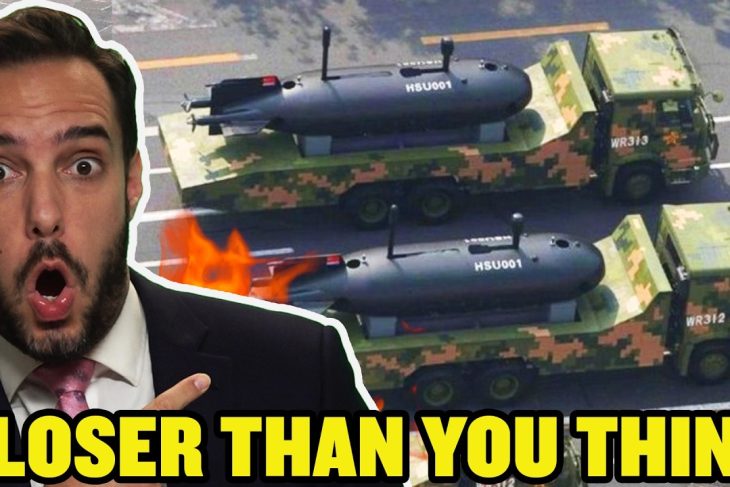
The shift in attitude among Chinese pilots is further evidenced by a significant incident. The US military disclosed that their F-35 jets had close encounters with Chinese J-20 fighters in the East China Sea. During these encounters, the J-20 displayed clear signs of lack of confidence and chose to evade when approached by the F-35. Subsequently, US pilots offered a simple and direct assessment of the J-20’s performance: “Not worth a shot.” In contrast, the CCP military remains tight-lipped about this encounter, avoiding any mention of it. #chinaobserver
This video from China Observer examines claims regarding the disparity between Chinese and US military capabilities, specifically focusing on fighter jet performance. The content highlights a reported incident in the East China Sea where US F-35 jets encountered Chinese J-20 fighters. According to the provided description, these encounters allegedly revealed a lack of confidence among the pilots operating the J-20, who reportedly chose to evade rather than engage when approached by the American aircraft. The narrative suggests that US personnel assessed the performance of the Chinese jet as insufficient for combat, summarizing it with the phrase not worth a shot. In contrast, the description notes that official statements from the Chinese Communist Party military regarding this specific event are notably absent or tightly controlled. The video aims to expose what it terms fake military strength by contrasting these alleged pilot behaviors and assessments with the silence maintained by Chinese authorities. The overall presentation seeks to illustrate a significant gap in weaponry and operational confidence between the two nations, using this single reported encounter as primary evidence of broader strategic weaknesses within the Chinese air force.
00:00 Introduction 00:15 China’s Energy & Middle East Crisis 04:41 JD.com Enters Europe 06:36 Did China Really Eradicate Poverty? Source: It’s Bad: China’s System Exposed In New Leaks | Iran & …
China Update presents a seventy-four-second analysis covering several key geopolitical and economic topics regarding the nation. The video begins by examining China's energy situation within the context of a broader Middle East crisis. It then shifts focus to commercial expansion, specifically detailing how the e-commerce giant JD.com is entering European markets. A significant portion of the discussion addresses the controversial question of whether China has truly eradicated poverty, presenting this as a central theme for viewer consideration. The channel emphasizes its independent nature, stating that content is derived from hundreds of articles, think tank reports, and government statements in both English and Chinese. Viewers are reminded that the material serves as news and analysis rather than financial advice, urging them to verify claims and consult professionals before making investment decisions. Social media links and contact information for the creator are provided alongside calls for support through Patreon and direct tips. The overview highlights the channel's commitment to providing up-to-date political and economic insights without guaranteeing absolute accuracy for every statement made during the broadcast.
After the Supreme Court ruling that ruled against many of his global tariffs, President Donald Trump is launching new trade probes into China that could result in new levies on Chinese …
After the Supreme Court ruling that ruled against many of his global tariffs, President Donald Trump is launching new trade probes into China that could result in new levies on Chinese goods. Shipping through the Strait of Hormuz has dropped sharply. Some ships are claiming to be China-owned to avoid Iranian missiles—but it’s not guaranteed. A Chinese-owned cargo ship was hit on Thursday. Mandating language, incentivizing cross-ethnic marriage, and rewriting the rules of faith among ethnic groups. China’s new law further requires parents to guide their children toward the Communist Party—raising alarms among human rights groups. A powerful AI tool—whose name is a nod to lobsters—is going viral in China while also raising major concerns. Why is Beijing now scrambling to regulate it—as it pushes for global AI dominance? A bipartisan pair of senators unveils a new bill aimed at protecting Falun Gong practitioners and countering forced organ harvesting in China. 00:00 Intro 01:06 U.S. Trade Probes: China May Face New Tariffs 01:58 Chinese-Owned Cargo Ship Might Be Hit by Iran 02:57 China’s New Law: Parents Must Teach Kids to Love CCP 06:15 OpenClaw Boom Pressures China to Regulate AI 08:11 New Bill to Protect Falun Gong, Counter Organ Harvesting 10:27 Senate Warns of China’s Grip on U.S. Drug Supply 13:47 Insider: Beijing Fears Iran Strikes Could Spur Uprising in China
This episode of China in Focus examines several developing issues involving China and its international relations. The segment begins by discussing potential new trade probes launched by President Donald Trump following a Supreme Court ruling against his previous tariffs, which could lead to additional levies on Chinese goods. Attention then shifts to the Strait of Hormuz, where shipping has declined sharply. Reports indicate that some vessels are claiming Chinese ownership to evade Iranian missiles, though this strategy is not guaranteed safe, as evidenced by an incident where a Chinese-owned cargo ship was struck. The program also covers China's new legislation requiring parents to guide their children toward the Communist Party, a move raising concerns among human rights groups regarding freedom of faith and cross-ethnic marriage incentives. Additionally, the broadcast highlights a viral AI tool named after lobsters that is prompting Beijing to consider regulation amidst global competition. Finally, the episode notes bipartisan efforts in the U.S. Senate to protect Falun Gong practitioners and counter forced organ harvesting, alongside warnings about China's influence on the American drug supply.
China’s annual Two Sessions has concluded, but unusual signals from Beijing are raising new questions about elite politics inside the CCP. Rumors have spread online claiming that former leaders Hu Jintao …
China’s annual Two Sessions has concluded, but unusual signals from Beijing are raising new questions about elite politics inside the CCP. Rumors have spread online claiming that former leaders Hu Jintao and Wen Jiabao are under house arrest. Are these claims credible, or are they part of a political narrative circulating amid intense factional struggles? In this program, we examine what actually happened during the Two Sessions: record absences among delegates, a rare dissenting vote on Premier Li Qiang’s government work report, shifting economic priorities, and unusual developments within the PLA delegation. We also analyze the political meaning behind rumors targeting Hu and Wen, and what they may reveal about the power struggle surrounding Xi Jinping.
The annual Two Sessions in China have concluded, yet the proceedings left observers with several unusual signals regarding internal elite politics. Online rumors suggest that former leaders Hu Jintao and Wen Jiabao may be under house arrest, though the credibility of these claims remains unverified amid reports of intense factional struggles. The program investigates specific anomalies observed during the event, including record numbers of delegate absences and a rare dissenting vote on Premier Li Qiang's government work report. Additionally, there were noted shifts in economic priorities and peculiar developments within the delegation representing the People's Liberation Army. The analysis also explores the political implications behind rumors targeting the former leadership duo, considering what they might reveal about the power dynamics surrounding current leader Xi Jinping. While details are sparse regarding the specific nature of these internal events, the discussion focuses on interpreting these signals without confirming unverified allegations. Viewers are encouraged to consider the context of these reports as part of a broader narrative circulating online following the conclusion of the sessions.
00:00 Introduction 00:24 Chinese Economy: Consumption Crisis 03:34 China Approves First Invasive Brain-Computer Interface 06:28 Middle East War: China’s Strategic Stockpiles Hit
This video from the independent channel China Update examines several pressing issues facing the nation, focusing on economic challenges and emerging technological developments. The analysis begins by addressing a significant downturn in domestic consumption, suggesting that the Chinese economy is grappling with a crisis that impacts household spending patterns. Beyond these economic concerns, the content highlights a major advancement in medical technology, noting the approval of China's first invasive brain-computer interface. This development marks a pivotal moment for the country's biotechnology sector and potential future applications in healthcare. The discussion also shifts to geopolitical tensions, specifically regarding the ongoing conflict in the Middle East. It reports that this regional war has directly affected China's strategic stockpiles, raising questions about supply chain security and energy reserves. Throughout the presentation, the creator emphasizes that the channel relies on a wide range of sources, including government statements and think tank reports, to provide up-to-date political and economic news. Viewers are reminded that the content is for informational purposes only and does not constitute financial advice. The video aims to offer an independent perspective on how these diverse factors intersect within China's current landscape.
On March 7, 2026, Iran’s air force and navy suffered near-total destruction in a matter of hours. At Tehran’s Mehrabad Airport, 16 military aircraft from the Qods Force were engulfed in …
On March 7, 2026, Iran’s air force and navy suffered near-total destruction in a matter of hours. At Tehran’s Mehrabad Airport, 16 military aircraft from the Qods Force were engulfed in flames; meanwhile, 42 Iranian warships were sunk in the southern naval base of Bandar Abbas and surrounding waters. Iranian air defenses fired missiles indiscriminately, but failed to hit any targets, only watching as their bases were reduced to scrap metal. This is the brutal reality of modern warfare.
This video from the China Observer channel, titled "China's Done! Iran War Shows China's Air Force Is Garbage—J-16 Only Flies 11 Minutes!", presents a dramatic account of events occurring on March 7, 2026. According to the public description provided, the Iranian air force and navy faced near-total destruction within hours during this conflict. The narrative describes sixteen military aircraft from the Qods Force being engulfed in flames at Tehran's Mehrabad Airport. Simultaneously, forty-two Iranian warships were reportedly sunk in the southern naval base of Bandar Abbas and surrounding waters.
The description further notes that while Iranian air defenses fired missiles indiscriminately, they failed to hit any targets, only observing as their bases were reduced to scrap metal. The content frames this scenario as illustrating the brutal reality of modern warfare. The video has a duration of approximately sixteen minutes and ninety seconds. The channel includes standard calls for support via donation links and business contact information in its description. No transcript or additional commentary is available beyond these provided details, leaving the specific tactical claims to be understood solely through this summary text.
To understand the significance of the sweeping military purges in China and how Beijing is reacting to America’s war with Iran, I’m sitting down with eminent China scholar Robert Suettinger, a …
To understand the significance of the sweeping military purges in China and how Beijing is reacting to America’s war with Iran, I’m sitting down with eminent China scholar Robert Suettinger, a former CIA and State Department intelligence analyst, a senior advisor at The Stimson Center, and author of “The Conscience of the Party: Hu Yaobang, China’s Communist Reformer.” “There’s no question of the fact that Xi Jinping is now less of a dominant leader than he was six or eight months ago,” Suettinger says. Earlier this year, Xi purged two top generals from the CCP’s military brass, on the heels of earlier purges last year. Now, only two of the originally seven members of the Central Military Commission remain. One of them is Xi himself; the other one, General Zhang Shengmin, is a political commander and has, like Xi, no combat experience. After the January purges, Xi issued an order to the military demanding that everyone acknowledge him as the head of the military commission. “The silence from all those military commands has been deafening and has been noticed by everybody,” Suettinger says. In the Chinese Communist Party itself, Xi is also facing trouble. The CCP is not a monolithic party, he told me, but a complex entity with many competing factions: “There’s a Shanghai group, there’s a Shandong group, there’s a Shaanxi group, and they all don’t like each other,” Suettinger says. Suettinger believes that Xi’s many purges have unified opposition against him not only in the military but also within the Communist Party. “Xi is hated by almost everybody in China,” he said.
Former CIA analyst Robert Suettinger discusses significant internal challenges facing the Chinese Communist Party in a recent interview with American Thought Leaders. The conversation highlights a shift in power dynamics, noting that President Xi Jinping appears less dominant than he was several months ago following a series of military purges. These actions have left only two members of the Central Military Commission, neither of whom possesses combat experience, while creating widespread silence and potential opposition within the armed forces.
Suettinger describes the party not as a unified entity but as a complex group of competing factions that are increasingly united in their dislike for current leadership. Economic difficulties further exacerbate these tensions, with millions living below the poverty line and facing disappearing wealth opportunities. The interview suggests that the system is becoming brittle and unpredictable when it fails. Additionally, Beijing's reliance on Iran as a strategic distraction is diminishing as the United States effectively neutralizes this proxy relationship. The discussion concludes by examining the fragility of the totalitarian structure and historical visions for reform that have seemingly stalled under current conditions.
Source: China Finally Admits They Face Serious Crisis | US – China Relations | Chinese Economy Summary This video from the China Update channel examines current developments regarding US-China relations and …
This video from the China Update channel examines current developments regarding US-China relations and the state of the Chinese economy. The content is derived from a wide range of sources including government statements, think tank reports, and articles in both English and Chinese. The analysis focuses on several key areas, starting with the broader context of diplomatic ties between Washington and Beijing. A significant portion of the discussion addresses recent economic indicators, specifically looking at fluctuations in the Yuan and how these currency fixings reflect underlying market conditions.
The overview highlights a notable shift where China has officially acknowledged facing deflationary pressures. This admission comes as the nation's traditional growth model encounters structural limits that challenge its previous trajectory. The video aims to provide viewers with up-to-date political, economic, and geopolitical news without offering financial advice or investment recommendations. Viewers are encouraged to verify claims independently before making any decisions. The presentation relies on independent research rather than external transcripts, ensuring the summary reflects only the provided public information regarding these complex international and domestic issues.
As the war in Iran intensifies, the global oil market is on edge. Iran is threatening to shut down the Strait of Hormuz—the route for about 20% of the world’s oil—and …
As the war in Iran intensifies, the global oil market is on edge. Iran is threatening to shut down the Strait of Hormuz—the route for about 20% of the world’s oil—and reports suggest mines may already be in the water. Meanwhile, Chinese drivers are reportedly lining up at gas stations as prices surge. Is the world heading toward a major energy crisis, and what happens if Iran actually tries to close the strait?
The video titled Panic Grips China As Oil Supplies Dries Up, produced by the channel China Uncensored, examines growing concerns regarding global oil markets amid escalating tensions in Iran. The content highlights reports suggesting that mines may already be placed in the Strait of Hormuz, a critical waterway through which approximately 20 percent of the world's oil flows. Iranian threats to shut down this strategic route have put the global energy sector on edge, raising questions about the potential for a major international energy crisis if the strait is actually closed.
Simultaneously, the video notes that Chinese drivers are reportedly facing significant challenges as they line up at gas stations while prices surge. These observations suggest a direct impact of regional instability on domestic fuel availability and costs within China. The presentation explores whether these developments signal an impending shortage or simply reflect market volatility driven by geopolitical fears. By focusing on the intersection of military threats in the Middle East and their ripple effects on global supply chains, the overview provides context for current anxieties surrounding energy security without speculating beyond the provided details regarding specific outcomes or future events.
On February 28, 2026, the U.S. military launched Operation “Epic Fury” against Iran. While the news may have already flooded social media, there is a particularly shocking and humiliating detail worth …
On February 28, 2026, the U.S. military launched Operation “Epic Fury” against Iran. While the news may have already flooded social media, there is a particularly shocking and humiliating detail worth noting: the U.S. military debuted its “LUCAS” suicide drone in combat.
On February 28, 2026, the United States military initiated Operation Epic Fury targeting Iran. During this conflict, a notable development involved the deployment of the LUCAS suicide drone in active combat scenarios. This event marks the first public appearance of the system in a real-world engagement. The operation reportedly resulted in significant damage to Iranian targets, leading to claims that American technology has surpassed previous capabilities. Concurrently, there are assertions regarding Chinese counterparts attempting to replicate such systems. These knockoff versions are described as being inferior in quality and performance compared to the original designs. The situation highlights a perceived technological gap between the two nations in the realm of unmanned aerial vehicles. While social media platforms have circulated various reports about the operation, specific details remain limited outside of these initial announcements. The focus remains on the successful integration of new drone technology by U.S. forces and the subsequent implications for regional security dynamics involving Iran and China.
Japan has received its first F-35B fighter jets from the United States, while also inking a deal to sell 11 Mogami-class frigates to Australia. Just days later, a Chinese Navy destroyer …
Japan has received its first F-35B fighter jets from the United States, while also inking a deal to sell 11 Mogami-class frigates to Australia. Just days later, a Chinese Navy destroyer crashed into a Chinese Coast Guard ship while in a reckless pursuit of a Philippine Coast Guard vessel east of Scarborough Shoal. If China had hit the Philippine ship, it would have triggered an international incident. But could it have activated Manila’s Mutual Defense Treaty with Washington? And what impact might this episode have on tensions in the region? In this episode, we discuss the significance of these major arms deals among U.S. allies in light of China’s rising maritime aggression.
This episode of Taiwan Talks examines recent developments in the Indo-Pacific, focusing on escalating maritime tensions and significant arms transfers among U.S. allies. The discussion centers on a reported incident where a Chinese Navy destroyer collided with a Chinese Coast Guard vessel while pursuing a Philippine Coast Guard ship east of Scarborough Shoal. While the collision occurred between Chinese assets, the event raises questions about potential international repercussions if the Philippine vessel had been struck, which could have activated mutual defense treaties with Washington. The program also analyzes Japan's acquisition of F-35B fighter jets from the United States and its agreement to sell eleven Mogami-class frigates to Australia. These military enhancements are contextualized against China's increasing maritime aggression in the region. Host Yin Khvat is joined by former U.S. Department of Defense official Tony Hu and Prospect Foundation President Lai I-chung. They explore how these arms deals strengthen regional security architectures and address the implications of Philippine President Ferdinand Marcos Jr.'s statements regarding Taiwan. The episode aims to provide insight into the shifting dynamics of gray zone warfare and the strategic responses of key nations in the South China Sea.
Why is Beijing suddenly trying to help unmarried PLA soldiers find wives in remote frontier regions? A new policy jointly issued by six major Party and military organizations suggests this is …
Why is Beijing suddenly trying to help unmarried PLA soldiers find wives in remote frontier regions? A new policy jointly issued by six major Party and military organizations suggests this is more than simple matchmaking. In this program, we look at the disturbing historical precedent behind the policy. In the early 1950s, thousands of young women were recruited and sent to Xinjiang in what later became known as the “Eight Thousand Hunan Girls to the Tianshan Mountains.” Many were forced into marriages with soldiers to stabilize China’s western frontier. Is Xi Jinping reviving the same loyalty-through-family strategy today?
A recent policy initiative involving six major Party and military organizations aims to assist unmarried People's Liberation Army soldiers in finding spouses within remote frontier regions. This development has drawn attention regarding whether it represents a simple matchmaking effort or a broader strategic move. The video examines potential historical parallels, specifically referencing the early 1950s recruitment of thousands of young women from Hunan province to Xinjiang. Known as the Eight Thousand Hunan Girls to the Tianshan Mountains, this historical event involved sending women to stabilize China's western frontier, with many being forced into marriages with soldiers. The content questions if current leadership is reviving a similar loyalty-through-family strategy to secure the border regions today. The analysis focuses on the implications of these actions within the context of U.S.-China relations and broader geopolitical history. The discussion highlights concerns about the nature of these policies and their connection to past events designed to consolidate control over distant territories through familial ties to the military.
Source: CHINA KERAHKAN 3 KAPAL PERUSAK KE TIMUR TENGAH, SINYAL BANTU IRAN HADAPI AS #Shorts Summary China has reportedly deployed three warships to the Middle East, signaling support for Iran amid …
China has reportedly deployed three warships to the Middle East, signaling support for Iran amid escalating tensions between the United States and Tehran. According to reports from US sources, Beijing moved its military forces into the region surrounding the Gulf of Oman and the Indian Ocean starting on Tuesday, February 10, 2026. This deployment coincides with a critical situation involving direct confrontation between American and Iranian interests. The presence of these vessels suggests an effort by China to assist Iran in countering US naval power, specifically carrier groups operating in the area. The move marks a significant shift as Beijing aligns more closely with regional dynamics in the Middle East. This development occurs within the broader context of ongoing geopolitical friction involving major global powers. The video, produced by Tribun Jogja Official, highlights these reported military movements without providing further specific details on troop numbers or operational specifics beyond the stated locations and dates. The report serves as a brief overview of current events regarding international naval activities in the region.
China Update provides the most up to date political, economic, and geopolitical news and analysis on China. Videos are based on hundreds of articles, think tank reports, government statements and other …
China Update provides the most up to date political, economic, and geopolitical news and analysis on China. Videos are based on hundreds of articles, think tank reports, government statements and other resources in English and Chinese. China Update is fully independent and I make the videos. X (Formerly Twitter): / tonychinaupdate Channel email: [email protected] 00:00 Introduction 00:10 China & Iran 05:21 Chinese Economy: Land 08:07 “OpenClaw” Frenzy
This video from the China Update channel examines the potential impact of a Middle East crisis on China's broader system and economy. The content is presented as an independent analysis drawing upon various articles, think tank reports, government statements, and resources in both English and Chinese. The discussion begins by exploring the relationship between China and Iran, followed by an examination of significant challenges within the Chinese land market. A substantial portion of the video is dedicated to a segment titled "OpenClaw," which appears to be a specific topic or event discussed during the presentation. The channel emphasizes its independence and notes that all claims made in the video should be verified by viewers. It also includes a standard disclaimer stating that the content is not financial advice and encourages consulting professionals before making investment decisions. The video runs for approximately twelve minutes and offers a structured look at current geopolitical and economic issues affecting China, supported by links to the creator's social media and contact information for further engagement.
China’s “Two Sessions,” the country’s largest annual political gathering, wrapped up on Thursday. Hsiao Tu-yuan, head of the Institute of China Studies at Tamkang University, discusses some key takeaways from this …
China’s “Two Sessions,” the country’s largest annual political gathering, wrapped up on Thursday. Hsiao Tu-yuan, head of the Institute of China Studies at Tamkang University, discusses some key takeaways from this year’s meetings with TaiwanPlus.
China's annual political gathering known as the Two Sessions concluded on Thursday. This event serves as the nation's largest yearly assembly, drawing significant attention from observers and analysts alike. TaiwanPlus News provided coverage of the proceedings through an analysis segment featuring Hsiao Tu-yuan. As the head of the Institute of China Studies at Tamkang University, Hsiao offered insights into the key takeaways emerging from this year's meetings. The discussion focused on interpreting the outcomes and implications presented during the sessions. Reporter Alex Chen and Cadence Quaranta produced the report for the channel. TaiwanPlus News positions itself as a source presenting unique perspectives on both local matters and global events. The segment aims to inform viewers about the political landscape surrounding these major gatherings. By highlighting expert commentary, the broadcast seeks to clarify the significance of the decisions made during the Two Sessions. The analysis remains grounded in the information provided by the host and the institutional background of the speaker. Viewers are directed to the official website for further details on local and international news coverage offered by the organization.
The US military campaign against Iran has rapidly degraded Tehran’s air defenses, missile forces and naval capabilities. In a matter of days, these precision strikes and submarine attacks have reshaped the …
The US military campaign against Iran has rapidly degraded Tehran’s air defenses, missile forces and naval capabilities. In a matter of days, these precision strikes and submarine attacks have reshaped the geopolitics of the Middle East and demonstrated the US’ overwhelming military prowess. Yet the operation raises broader strategic questions: How vulnerable are authoritarian regimes that rely on similar weapons and defense strategies? And what lessons are being drawn in Beijing and other Indo-Pacific capitals? In this episode, we discuss the US-Iran conflict, the performance of Iranian and Chinese-supplied military equipment, and what this conflict reveals about modern warfare and deterrence in an increasingly unstable global order. *Recorded on March 11, 2026 at 3pm Taiwan Standard Time Host/Senior Producer: Yin Khvat Consultant: Max Yu Research Assistant: Ryan Pham Our guests: Tony Hu Former US Department of Defense Senior Director for China, Taiwan and Mongolia Malcolm Davis Australian Strategic Policy Institute Senior Analyst Chapters: 00:00:00 – China’s Lessons From Iran War 00:03:08 – Trump Warns Iran Against Blockade 00:08:37 – China and Iran’s Hidden Missile Infrastructure 00:16:41 – Expert: Iran Won’t Deplete Asia Stockpiles 00:24:11 – Iran war and latest drone tech
This episode of Taiwan Talks examines the strategic implications of a US military campaign against Iran, which reportedly degraded Tehran's air defenses and naval capabilities within days. The discussion focuses on how this conflict reshapes Middle Eastern geopolitics and what lessons authoritarian regimes might draw from it. Experts analyze the performance of Iranian and Chinese-supplied military equipment under pressure, questioning the vulnerability of defense strategies reliant on similar technologies. The conversation explores broader themes regarding modern warfare, deterrence, and stability in a shifting global order. Key topics include China's potential takeaways from the situation, warnings issued by US leadership regarding blockades, and insights into hidden missile infrastructure. The program also addresses concerns about regional stockpiles, advancements in drone technology, and the specific impact on energy security through chokepoints like the Strait of Hormuz. Recorded in March 2026, the episode features analysis from former defense officials and strategic policy analysts to provide context on Indo-Pacific relations and the evolving nature of asymmetric warfare involving ballistic missiles and underground facilities.
US–Israel strikes on Iran have placed China in a difficult strategic position. Tehran is one of Beijing’s most important oil suppliers and a key geopolitical partner, alongside Venezuela, in China’s global …
US–Israel strikes on Iran have placed China in a difficult strategic position. Tehran is one of Beijing’s most important oil suppliers and a key geopolitical partner, alongside Venezuela, in China’s global network of allies. With both countries facing instability, questions are emerging about China’s energy security, the reliability of its partnerships and the credibility of its military exports. Beijing has condemned the attacks but so far limited its response to diplomatic statements. What does this crisis reveal about China’s global influence—and its vulnerabilities? In this episode, we examine China’s stake in Iran, the risks to its energy supply and economic stability, and whether setbacks for Beijing’s partners could reshape China’s strategy at home and abroad.
This episode of Taiwan Talks explores the strategic challenges facing China following US and Israeli strikes on Iran. The discussion highlights Tehran's role as a vital oil supplier and key geopolitical ally for Beijing, alongside partners like Venezuela. With instability rising in both nations, concerns emerge regarding China's energy security, the reliability of its international partnerships, and the credibility of its military exports. Although Beijing has condemned the attacks, its response remains largely diplomatic. The program examines what this crisis reveals about China's global influence and inherent vulnerabilities. Experts analyze Beijing's specific stakes in Iran, potential risks to its economic stability, and whether setbacks for its partners could alter Chinese strategy domestically and internationally. Recorded on March 5, 2026, the episode features host Wen-Ti Sung and guests Yuan I and Tsai Jung-hsiang. They discuss how conflict threatens Beijing's oil supplies and if China is losing credibility in the eyes of its allies. The conversation also addresses domestic pressures facing both Iran and China, questioning whether external shocks will reshape regional stability or force significant internal policy adjustments within the Chinese government.
00:00 Introduction 00:18 China’s Economy: Exports & Unrest Boom 08:01 Japan Tensions: Premier Cho Visit 09:54 China & The Iran War Source: Unrest Explodes In China and Beijing Is Worried | …
This video from the independent channel China Update examines recent developments regarding unrest within China and its economic implications. The content focuses on three primary areas: the state of the Chinese economy, specifically looking at export figures and domestic instability; rising tensions involving Japan highlighted by a visit from Premier Cho; and the broader geopolitical context of China's relationship with Iran amidst ongoing regional conflicts. The analysis draws upon hundreds of articles, think tank reports, and government statements to provide an overview of current political, economic, and geopolitical news. Viewers are reminded that the channel operates independently without financial advisory intent, urging caution regarding investment decisions based on the content. The discussion aims to synthesize information from both English and Chinese sources to offer a comprehensive look at these complex international issues affecting China's standing in the global arena.
A deputy minister of Taiwan’s Mainland Affairs Council says a recent drop in Chinese military aircraft activity around Taiwan could be due in part to an upcoming meeting between Chinese President …
A deputy minister of Taiwan’s Mainland Affairs Council says a recent drop in Chinese military aircraft activity around Taiwan could be due in part to an upcoming meeting between Chinese President Xi Jinping and US President Donald Trump.
TaiwanPlus News reports that a significant reduction in Chinese military aircraft activity near Taiwan may be linked to an anticipated summit between Chinese President Xi Jinping and US President Donald Trump. According to a deputy minister from Taiwan's Mainland Affairs Council, this drop in aerial presence could indicate a temporary easing of military pressure on the island. The statement suggests that diplomatic preparations for the high-level meeting are influencing current strategic behaviors in the region. This development highlights the complex interplay between international diplomacy and regional security dynamics as major powers engage in direct dialogue. The channel notes that while specific details regarding the extent or duration of any such easing remain unclear, the timing correlates closely with the scheduled discussions between the two leaders. TaiwanPlus continues to monitor these developments closely, presenting local perspectives on global events that impact the region. Viewers are encouraged to follow their updates for further insights into how international relations shape local security situations. The report serves as a brief overview of current geopolitical shifts without speculating beyond available official statements or confirmed reports from the involved parties.
A comment addressing widespread concerns: The Pentagon’s No. 3 official says the strikes on Iran The U.S.-Israel-led military campaign against Iran has some analysts worried it could drain ammunition and missile …
A comment addressing widespread concerns: The Pentagon’s No. 3 official says the strikes on Iran The U.S.-Israel-led military campaign against Iran has some analysts worried it could drain ammunition and missile stockpiles needed to deter China’s ambitions over Taiwan. Does Operation ‘Epic Fury’ compromise U.S. Deterrence in the Pacific? Ramping up internet censors, checking loyalty of military personnel, and multiple secret meetings. An insider account on how U.S.-Israeli strikes on Iran have Beijing afraid of losing its own grip on power. $100-million dollars in Venezuelan gold has arrived in the United States. But it’s about more than gold. Washington is looking to secure Venezuela’s rare minerals and counter Beijing’s influence in critical resources. Politically connected elites in China have been hiring women in America as surrogate mothers to bear their children—children who can later vote in U.S. elections. More on China’s exploitation of birth tourism in the United States. 00:00 Intro 01:12 Does ‘epic Fury’ Weaken U.s. Deterrence in Indo-pacific? 03:45 Insider: Beijing Afraid Iran Strikes Will Spur Uprising 05:45 $100M in Venezuelan Gold Arrives as U.S. Targets Rare Minerals 07:02 Global Arms Trade Surges Amid Rising China, Russia Tensions: Report 08:26 Lawmakers Raise Concerns About CCP-Backed Student Group 10:16 CCP Exploits Birth Tourism in U.S. on ‘Industrial’ Scale 15:57 Trump’s ‘shield of the Americas’ to Counter China
This segment from China in Focus addresses concerns regarding the impact of recent military actions on U.S. strategic positioning. The discussion centers on whether a major campaign against Iran could deplete ammunition and missile stockpiles required to deter Chinese ambitions concerning Taiwan. Pentagon officials are cited as weighing these potential resource constraints. The report also explores internal security measures, including increased internet censorship and loyalty checks within the military, alongside secret meetings that suggest Beijing fears such strikes might trigger domestic unrest in Iran.
Further topics include the arrival of significant Venezuelan gold reserves in the United States, framed as a move to secure rare minerals and counter Chinese influence over critical resources. The program examines rising tensions involving global arms trade between China and Russia. Additional segments cover political concerns about student groups linked to the Chinese Communist Party and allegations regarding birth tourism used for electoral influence. The overview concludes with mentions of efforts to protect American interests in the hemisphere and a documentary exploring alleged foreign interference in Hollywood.