• TwoTigers24, New York
  • November 29, 2026

0 Comments

Source: CHINA KERAHKAN 3 KAPAL PERUSAK KE TIMUR TENGAH, SINYAL BANTU IRAN HADAPI AS #Shorts

Summary

China has reportedly deployed three warships to the Middle East, signaling support for Iran amid escalating tensions between the United States and Tehran. According to reports from US sources, Beijing moved its military forces into the region surrounding the Gulf of Oman and the Indian Ocean starting on Tuesday, February 10, 2026. This deployment coincides with a critical situation involving direct confrontation between American and Iranian interests. The presence of these vessels suggests an effort by China to assist Iran in countering US naval power, specifically carrier groups operating in the area. The move marks a significant shift as Beijing aligns more closely with regional dynamics in the Middle East. This development occurs within the broader context of ongoing geopolitical friction involving major global powers. The video, produced by Tribun Jogja Official, highlights these reported military movements without providing further specific details on troop numbers or operational specifics beyond the stated locations and dates. The report serves as a brief overview of current events regarding international naval activities in the region.
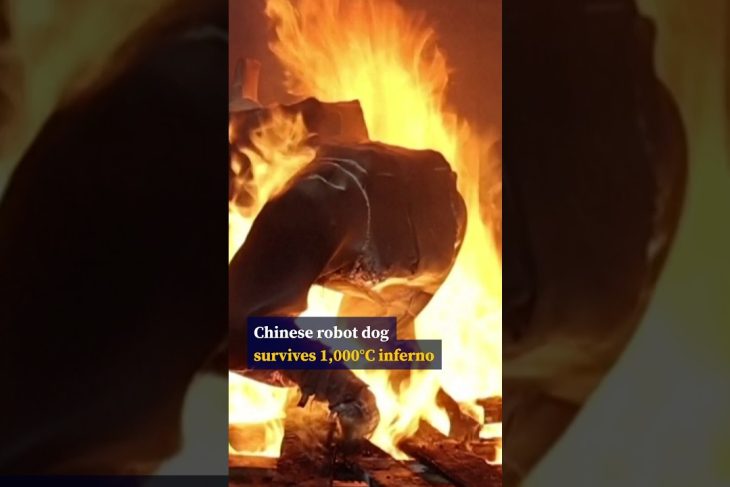

Watch “CHINA KERAHKAN 3 KAPAL PERUSAK KE TIMUR TENGAH, SINYAL BANTU IRAN HADAPI AS #Shorts” on YouTube

Author

YNOT — Two Tigers Consulting From Building Bridges to Watching China About 15 years ago, I founded a small company called Two Tigers Consulting with a relatively simple idea: help American and Chinese businesses work together. At the time, China represented one of the greatest business opportunities in the world — a rapidly expanding economy, extraordinary manufacturing capabilities, and ambitious entrepreneurs eager to build relationships with American companies. Two Tigers Consulting was created to help bridge that gap. For a while, it worked. We attended trade shows, arranged meetings, and introduced companies across both cultures. But after one particularly promising trade show, several Chinese businesspeople we had met were reportedly arrested upon returning to China — apparently for traveling without proper authorization. That experience taught me something important: in China, being a successful entrepreneur doesn't necessarily mean being free to conduct business. As Xi Jinping consolidated power and the political environment shifted, we concluded the potential rewards of doing business in China no longer justified the risks. Rather than abandon our knowledge entirely, Two Tigers evolved into a platform for following, discussing, and analyzing developments inside China — its economy, political leadership, and increasingly complicated relationship with the United States. I want to make absolutely clear that I have tremendous respect for the Chinese people — their entrepreneurs, engineers, and workers are extraordinarily capable. But I also believe China's political system creates fundamental contradictions: enormous private fortunes can be accumulated, yet ultimate political authority remains firmly concentrated, making relationships based on mutual trust and predictable rules extremely difficult to sustain. Today, Two Tigers is an independent publication examining China's achievements, challenges, ambitions, and contradictions — where they intersect with the United States and the broader world. What began as a small business venture now attracts roughly 10,000 visits a day. Understanding China is no longer optional: what happens there affects businesses, economies, and people throughout the world. And that is why Two Tigers continues.

Leave a Reply

Your email address will not be published. Required fields are marked *

Quantum24 Network