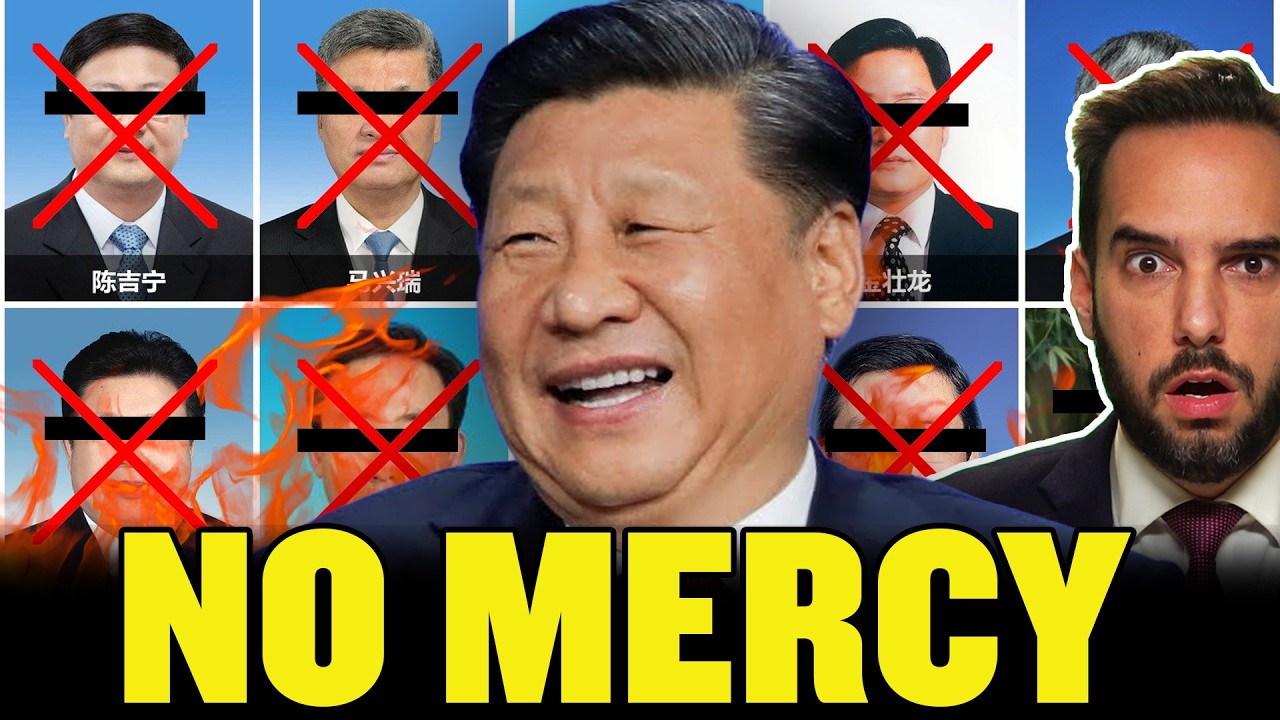
Why is Beijing suddenly trying to help unmarried PLA soldiers find wives in remote frontier regions? A new policy jointly issued by six major Party and military organizations suggests this is more than simple matchmaking. In this program, we look at the disturbing historical precedent behind the policy. In the early 1950s, thousands of young women were recruited and sent to Xinjiang in what later became known as the “Eight Thousand Hunan Girls to the Tianshan Mountains.” Many were forced into marriages with soldiers to stabilize China’s western frontier. Is Xi Jinping reviving the same loyalty-through-family strategy today?
Source: Xi’s Military Marriage Plan Has a Dark CCP Precedent
Summary
A recent policy initiative involving six major Party and military organizations aims to assist unmarried People's Liberation Army soldiers in finding spouses within remote frontier regions. This development has drawn attention regarding whether it represents a simple matchmaking effort or a broader strategic move. The video examines potential historical parallels, specifically referencing the early 1950s recruitment of thousands of young women from Hunan province to Xinjiang. Known as the Eight Thousand Hunan Girls to the Tianshan Mountains, this historical event involved sending women to stabilize China's western frontier, with many being forced into marriages with soldiers. The content questions if current leadership is reviving a similar loyalty-through-family strategy to secure the border regions today. The analysis focuses on the implications of these actions within the context of U.S.-China relations and broader geopolitical history. The discussion highlights concerns about the nature of these policies and their connection to past events designed to consolidate control over distant territories through familial ties to the military.
Watch “Xi’s Military Marriage Plan Has a Dark CCP Precedent” on YouTube