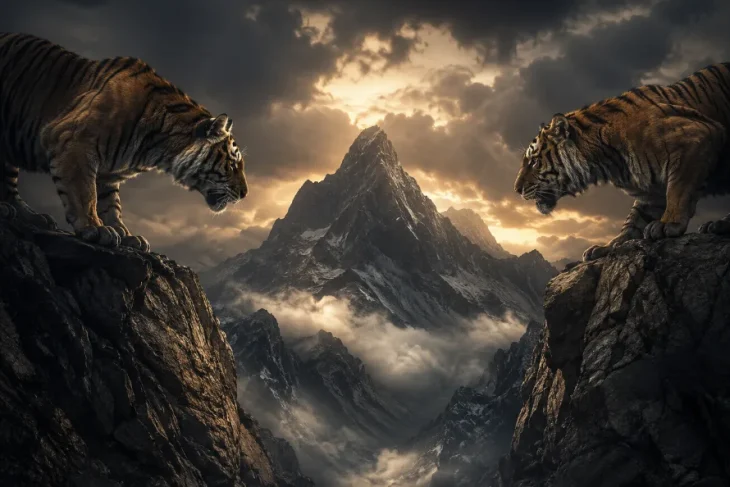
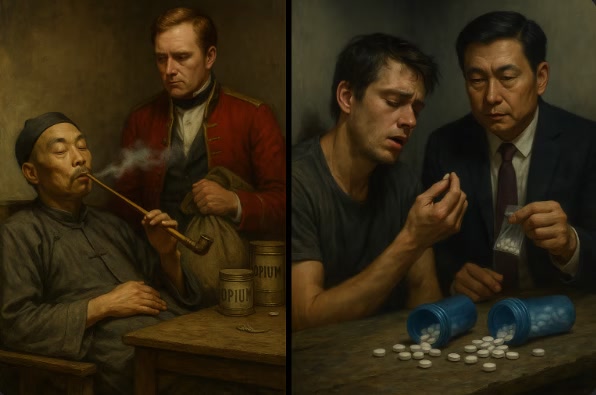
Empires rarely die of old age. More often, they die staring at a younger empire across the water, both convinced the mountain belongs to them alone. Because two tigers cannot share the same mountain. The Thucydides Trap is what happens when two nations each believe destiny chose them.
Last year I wrote about the old Chinese proverb. Since then, Xi Jinping has openly invoked something even darker: the “Thucydides Trap.” That’s not poetry — it’s geopolitical philosophy with a warning label attached.
The phrase comes from the ancient Greek historian Thucydides, who chronicled the war between Athens and Sparta 2,400 years ago. Athens was the rising power; Sparta the established one. Thucydides concluded that Athens’ rise — and the fear it stirred in Sparta — made war all but inevitable.
Xi raised it directly with Donald Trump while warning about Taiwan and the mounting U.S.–China tension. In diplomatic language, that was no accident. It was a message: China sees itself as the rising civilization, America as the existing empire, and history says these moments are dangerous.
And history has screened this film before. Britain and Germany before World War I. Athens and Sparta. Imperial Japan and the United States. A rising power pushes outward; the established power pushes back. Trade routes, military buildups, technology races, alliances, and national pride tangle together like dry brush waiting for a spark.
The frightening part? Wars rarely start because everyone wants one. They start because everyone assumes the other side will back down. That is the real trap.
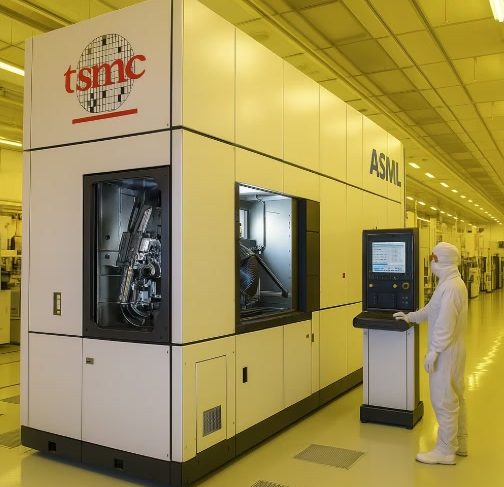
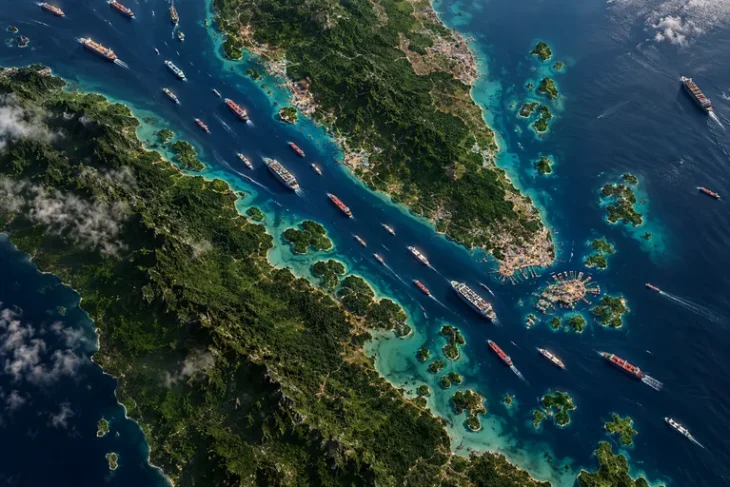
Today’s battlefield isn’t just carriers and missiles. It’s semiconductors, AI, cyberwarfare, rare earths, satellites, shipping lanes, media influence, and financial plumbing. The 20th-century Cold War was about ideology. This one is about who controls the operating system of the 21st century.
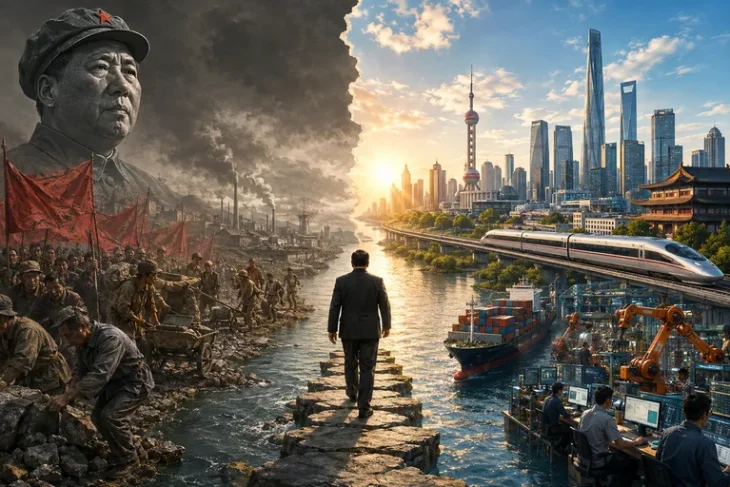
China builds ports. America builds alliances. China builds factories. America wields finance and naval power. China wants Taiwan. America can’t let Taiwan fall without signaling weakness across Asia. And over everything hangs the awkward truth that both economies are chained together — the U.S. and China are like two men gripping each other’s throats while standing knee-deep in gasoline. Neither can fully let go. Neither can fully win. Neither can afford to lose.
That’s why Xi’s mention matters. It wasn’t a history lecture. It was Beijing signaling that it understands exactly where this road has led before — when two superpowers both believe the mountain is theirs.
The trouble with empires is they always think they’re the exception to history. Until they aren’t. And somewhere, an old Greek historian is probably shaking his head, because humanity keeps upgrading the weapons while running the same ancient software.
What Trump and Xi Actually Discussed
Taiwan — the dominant issue. Xi warned Trump that mishandling Taiwan could trigger direct U.S.–China conflict, reportedly calling it the “most important issue” in the relationship. They covered American arms sales to Taiwan, whether Washington would defend the island, and regional military tensions. Trump declined to say outright whether America would fight for Taiwan — classic “strategic ambiguity,” the long-standing U.S. posture of keeping Beijing guessing.
The Thucydides Trap itself. Xi raised it publicly, which was both symbolic and strategic: China doesn’t want containment, sees itself as an equal superpower, and believes Washington should stop treating it as an empire to be stopped. It was also a warning — Taiwan could be the trigger.
Trade and economics. Tariffs, Chinese purchases of American agriculture, Boeing aircraft deals, technology and AI cooperation, supply chains. But unlike earlier Trump-era meetings, this summit felt far more about the strategic power balance than about settling trade scores.
AI and technology rivalry. Both sides discussed artificial intelligence, including misuse by non-state actors. Both understand AI may become as strategically decisive as nuclear weapons, oil, or industrial capacity were in earlier eras.
Iran and global instability. The Middle East came up too — China depends heavily on the region’s energy routes while America still underwrites global naval security. Both have enormous stakes in keeping things stable.
Symbolism and power projection. Much of the summit was theater, and theater matters. China staged it with full ceremony — the Great Hall of the People, state banquets, meticulously choreographed visuals projecting equal-superpower status. Analysts read it as Xi positioning China not as a junior power but as America’s peer: a modern “G-2” world. Because geopolitics isn’t only weapons and economics — it’s perception, prestige, status, legitimacy. It’s about who the world believes is rising and who is fading. Xi invoking the Thucydides Trap was Beijing telling the planet: we grasp the historical danger of this moment — and we believe China has arrived.
What Came Out of It
Boeing aircraft. China reportedly agreed to buy around 200 Boeing jets immediately, with talk of 500–750 over time, plus hundreds of GE Aerospace engines. Significant — China had frozen major Boeing orders for years, and Boeing desperately needs big international wins. But details remain hazy: timelines, financing, and final contracts weren’t publicly nailed down.
Agricultural purchases. Beijing reportedly committed to large multi-year buys of American soybeans and farm goods, potentially worth double-digit billions annually — echoing earlier Trump-era arrangements where farm imports were used to cool tensions.
Market-opening talk. Xi floated further opening parts of China’s market to U.S. business. No major structural agreement, no sweeping tariff deal, no rare-earth breakthrough emerged.
AI cooperation. Discussions on AI safety and preventing misuse by rogue actors — but no treaty, no binding framework announced.
Iran and the Middle East. Talk of keeping oil lanes open, blocking Iranian nuclear weapons, possible flexibility on Chinese purchases of Iranian oil — but no joint strategic pact.
The Real Outcome Was Geopolitical, Not Economic
Most analysts agree the summit was less about inked deals and more about stabilizing a dangerous rivalry: easing Taiwan tensions, symbolically recognizing China as a peer, and reopening channels between Washington and Beijing. The optics may have outweighed the paperwork.
Xi walked away with equal-superpower treatment and a lavishly staged Beijing summit affirming that China can’t be ignored. Trump walked away with trade headlines, potential Boeing orders, farm-export promises, and the image of a leader who deals directly with Xi.
But there’s no grand trade deal. No Taiwan agreement. No military pact. No AI treaty. No Cold War-style breakthrough.
Just two tigers, circling the same mountain, each insisting it belongs to them — while an ancient Greek historian watches from the shadows, wondering how many times humanity needs to learn the same lesson.