• TwoTigers24, New York
  • November 29, 2026

0 Comments

Source: Xiaomi and Huawei EV Fakes Shock the World! 4264 KM in 24 Hours, Car Burns 270 Seconds, No Damage

Summary

The video titled Xiaomi and Huawei EV Fakes Shock the World! is produced by the China Observer channel. The content focuses on a comparison between electric vehicle models associated with these two major Chinese technology companies. The description highlights that both brands are considered giants in advertising and marketing, engaging in fierce competition to establish themselves as leaders in the automotive sector. This rivalry has resulted in numerous notable instances that have captured consumer attention. The video aims to showcase iconic cases involving these crossover powerhouses, emphasizing their significant market presence. Viewers are invited to explore how these manufacturers vie for dominance in the electric vehicle industry through various demonstrations and comparisons. The presentation seeks to inform audiences about the intensity of the competition between Xiaomi and Huawei regarding their automotive products. No specific technical details or event outcomes are provided beyond the general context of their marketing rivalry and public perception as leading brands in this emerging field.
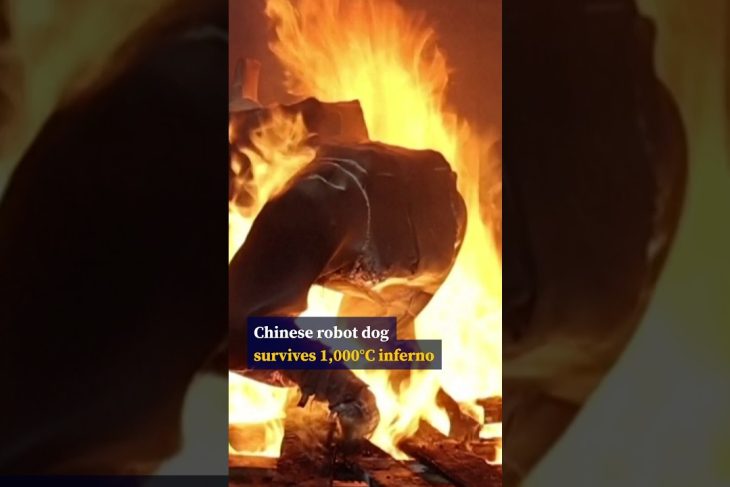

Watch “Xiaomi and Huawei EV Fakes Shock the World! 4264 KM in 24 Hours, Car Burns 270 Seconds, No Damage” on YouTube

Author

YNOT — Two Tigers Consulting From Building Bridges to Watching China About 15 years ago, I founded a small company called Two Tigers Consulting with a relatively simple idea: help American and Chinese businesses work together. At the time, China represented one of the greatest business opportunities in the world — a rapidly expanding economy, extraordinary manufacturing capabilities, and ambitious entrepreneurs eager to build relationships with American companies. Two Tigers Consulting was created to help bridge that gap. For a while, it worked. We attended trade shows, arranged meetings, and introduced companies across both cultures. But after one particularly promising trade show, several Chinese businesspeople we had met were reportedly arrested upon returning to China — apparently for traveling without proper authorization. That experience taught me something important: in China, being a successful entrepreneur doesn't necessarily mean being free to conduct business. As Xi Jinping consolidated power and the political environment shifted, we concluded the potential rewards of doing business in China no longer justified the risks. Rather than abandon our knowledge entirely, Two Tigers evolved into a platform for following, discussing, and analyzing developments inside China — its economy, political leadership, and increasingly complicated relationship with the United States. I want to make absolutely clear that I have tremendous respect for the Chinese people — their entrepreneurs, engineers, and workers are extraordinarily capable. But I also believe China's political system creates fundamental contradictions: enormous private fortunes can be accumulated, yet ultimate political authority remains firmly concentrated, making relationships based on mutual trust and predictable rules extremely difficult to sustain. Today, Two Tigers is an independent publication examining China's achievements, challenges, ambitions, and contradictions — where they intersect with the United States and the broader world. What began as a small business venture now attracts roughly 10,000 visits a day. Understanding China is no longer optional: what happens there affects businesses, economies, and people throughout the world. And that is why Two Tigers continues.

Leave a Reply

Your email address will not be published. Required fields are marked *

Quantum24 Network