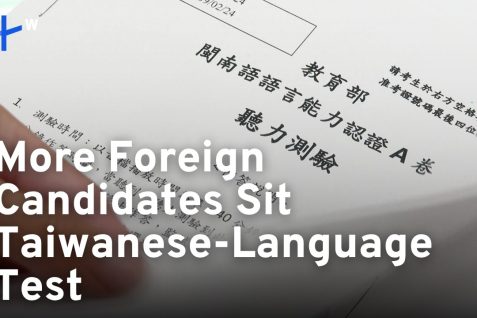
The number of foreign nationals taking Taiwan’s Taiwanese-language proficiency test on Saturday hit a five-year high, with 23 applicants from countries including India and Japan. Source: Foreign Test – Takers Sitting …
The number of foreign nationals taking Taiwan’s Taiwanese-language proficiency test on Saturday hit a five-year high, with 23 applicants from countries including India and Japan.
Read the full analysis and policy breakdown on China News Update: https://chinanewsupdate.com/chinas-ex… China's surging export machine is no longer a temporary surplus—it represents a structural industrial threat to Europe, Taiwan, and …
Read the full analysis and policy breakdown on China News Update: https://chinanewsupdate.com/chinas-ex… China's surging export machine is no longer a temporary surplus—it represents a structural industrial threat to Europe, Taiwan, and the broader West. In this video, China analyst Tony Fiddis breaks down how Beijing's state support, lower energy costs, and industrial scale are capturing market share across autos, machinery, and clean energy. Please Support the Channel (It's just me making China Update): Patreon Link: / chinaupdate One-off Tips Here: https://www.buymeacoffee.com/chinaupdate Book a one-on-one video consultation with Tony Fiddis for tailored, independent analysis of China’s economy, political landscape and evolving regulatory environment: https://www.buymeacoffee.com/chinaupd… Video Timestamps: 00:00 Introduction 00:11 China Exploits European Divisions as Trade Surplus Soars 03:27 CXMT Shares Surge 472% 05:18 Taiwan Tensions: China Global Campaign 08:59 Wright on China’s Shattered Economic Miracle 📄 FULL VIDEO OVERVIEW & ANALYSIS: In this comprehensive breakdown, China analyst Tony Fiddis examines how China’s industrial export machine has evolved from a localised trade imbalance into a major strategic challenge for Western economies. For years, Western policymakers treated excess Chinese manufacturing capacity as a passing phase. Today, however, structural advantages—ranging from low-cost energy and state-subsidized capital to industrial scale and competitive currency valuation—allow Chinese producers to undercut competitors on global tenders before Western nations can deploy defensive trade tools. This episode analyses the compounding pressure on critical sectors including electric vehicles, industrial machinery, chemicals, and renewable energy components. Beyond bilateral trade deficits, Western and Taiwanese companies face losing substantial market share in neutral third-country markets. Tony highlights the geopolitical policy options currently under debate—from Brussels' potential shift toward targeted procurement quotas and machinery safeguards to Washington's blanket tariffs—and explains why building protectionist fences at home may fail to stem China's expanding footprint across the rest of the developing world.
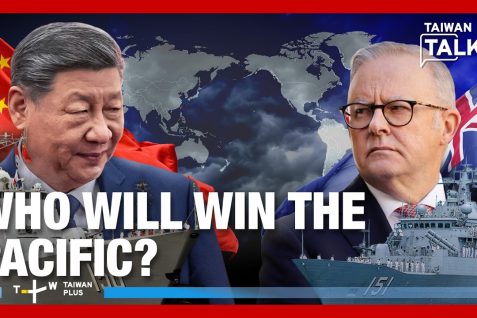
Australia is strengthening its role as the Pacific’s security partner of choice, signing new defense agreements with countries including Papua New Guinea, Fiji and Vanuatu as strategic competition with China intensifies. …
Australia is strengthening its role as the Pacific’s security partner of choice, signing new defense agreements with countries including Papua New Guinea, Fiji and Vanuatu as strategic competition with China intensifies. At the same time, Beijing has tested a nuclear-capable ballistic missile into the South Pacific and Papua New Guinea has abruptly closed Taiwan’s representative office, raising fresh questions about China's growing influence across the region. Pacific Island nations, meanwhile, are seeking to balance Australian security ties with Chinese economic engagement while resisting pressure to choose sides. Is the South Pacific becoming the next major front in Indo-Pacific strategic competition? In this episode, we examine Australia's expanding regional role, China's growing presence and what the shifting balance of power means for Taiwan and the Indo-Pacific.
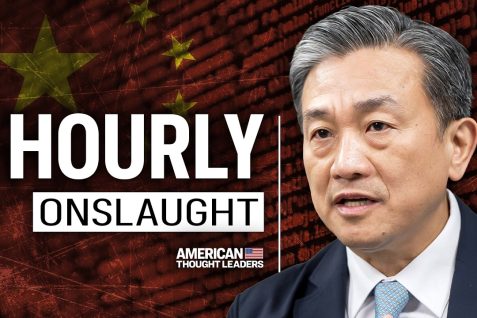
Taiwan undergoes millions of cyberattacks and intrusion attempts every day as well as a dizzying onslaught of disinformation from Beijing. There are few people who understand what Taiwan is really up …
Taiwan undergoes millions of cyberattacks and intrusion attempts every day as well as a dizzying onslaught of disinformation from Beijing. There are few people who understand what Taiwan is really up against better than Taiwanese legislator Wang Ting-yu, a leader in the Taiwanese Parliament’s Foreign Affairs and National Defense Committee. He’s been sanctioned three times by Beijing and repeatedly threatened for speaking out. In this episode, he reveals Taiwan’s three-step strategy to withstand the Chinese Communist Party’s psychological onslaught. Winning the battle for truth, he believes, is imperative to preserve the life of any democratic nation. And he also breaks down the importance of this tiny island nation. Taiwan produces two-thirds of the world’s semiconductors—and nearly all of the advanced ones—but its importance stretches far beyond this single product. Wang details Taiwan’s strategic position, its role in critical supply chains, and its role as a frontier of human freedom. 00:00 Most Dangerous Threat from Beijing 08:16 Taiwan’s Fights Back 13:20 Sponsor: Immersed 15:00 Weaponize Information 19:22 Democracy Prevails 21:00 CCP Influence in Taiwan 25:25 China’s Military Buildup 29:13 The Importance of Taiwan 33:15 Special Defense Budget 36:08 Is Cozying Up to Beijing a Smart Move? 41:38 CCP Sanctions and Personal Risk
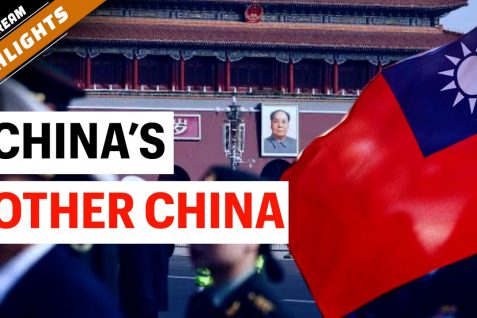
A secret political movement is trying to restore the Republic of China on the Chinese mainland. Backed by ROC loyalists, dissidents, and anti-Communist activists, the group says it wants to overthrow …
A secret political movement is trying to restore the Republic of China on the Chinese mainland. Backed by ROC loyalists, dissidents, and anti-Communist activists, the group says it wants to overthrow CCP rule and build a new federal, democratic China. But how real is this underground movement—and could the Republic of China return first as an idea?
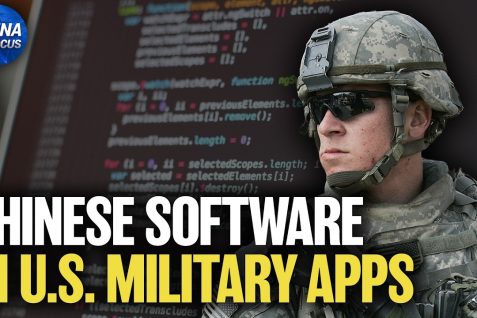
A new security concern for U.S. troops: Computer code from Chinese and Russian companies was found in apps made for people serving in the U.S. military. What researchers found could put …
A new security concern for U.S. troops: Computer code from Chinese and Russian companies was found in apps made for people serving in the U.S. military. What researchers found could put sensitive information and people’s safety at risk. A call to resist pressure from China—Taiwanese President Lai Ching-te urged members of his party to oppose the “red terror” coming from Beijing. Taiwan sees a diplomatic setback as the Pacific island nation of Papua New Guinea closes its representative office under pressure from Beijing. As China’s threats grow, Taiwan’s new drone coalition is moving quickly to secure critical supply lines with international allies. Today marks the 27th anniversary of China’s brutal persecution of Falun Gong practitioners. Lawmakers are commemorating this day alongside millions of Falun Gong practitioners around the world. 00:00 Intro 01:24 Chinese, Russian Code Found in U.S. Military Apps 02:49 Taiwan President Calls to Resist China's 'Red Terror' 03:14 Papua New Guinea Shuts Taiwan Office, Draws Criticism 04:13 Taiwan Pushes to Secure Drone Alliance Amid China Pressure 05:13 Taiwan Boosts Sea Drills Amid China Patrol Escalation 05:59 Rubio in Philippines for Regional Talks 06:39 Rubio to Discuss Trump-Xi Summit in Asia Meetings 07:10 China Accused of Attacking Philippine Sailor 07:50 Lawmakers Support Falun Gong on Anniversary of Persecution 11:15 Falun Gong Marks 27 Years Since Start of Persecution 12:08 Parade Marks 27 Years of Falun Gong Persecution: London 14:33 China Moonshot AI Challenges U.S. Tech Lead 15:52 Beijing's Religious Persecution Targets Americans: Report
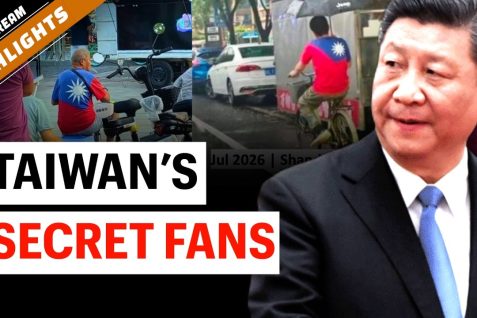
Are more people inside China beginning to see Taiwan as an alternative to Communist rule? From ROC flag shirts appearing in public to online admiration for Taiwan’s democracy, small but striking …
Are more people inside China beginning to see Taiwan as an alternative to Communist rule? From ROC flag shirts appearing in public to online admiration for Taiwan’s democracy, small but striking signs suggest that the Republic of China still holds powerful meaning for some mainland Chinese.
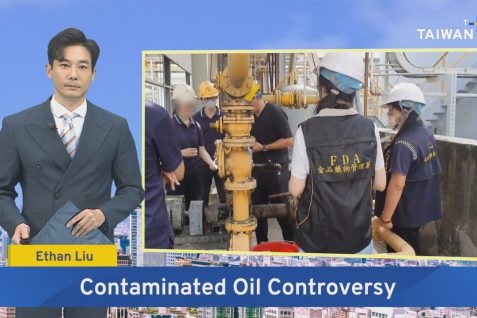
In today’s show: Opposition Politicians Question Government’s Role In Contaminated Oil Scandal Mountain Barrier Lake in Eastern Taiwan Still On Brink of Flooding TSMC Expands US Investment As Taiwan Defends Tech …
In today’s show: Opposition Politicians Question Government’s Role In Contaminated Oil Scandal Mountain Barrier Lake in Eastern Taiwan Still On Brink of Flooding TSMC Expands US Investment As Taiwan Defends Tech Leadership Global Tech Stocks Slide On China AI Competition Analysis: How Frontier AI Models Reshape US-China Tech Race US Expresses “Deep Concern” Over Papua New Guinea Closing Taiwan Office 3D-Printed Recycled Structures Help Support Coral Growth in Penghu
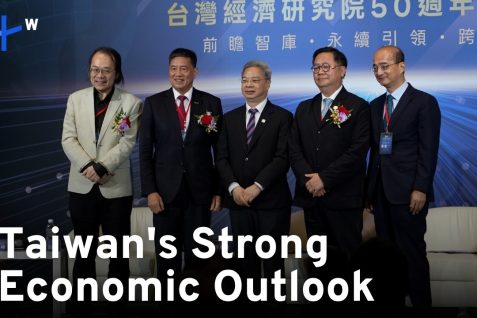
Taiwan’s top economic think tank, TIER, forecasts GDP growth of over 10% in 2026, driven by strong exports and the ongoing AI boom. Economy Minister Kung Ming-hsin says Taiwan is expanding …
Taiwan’s top economic think tank, TIER, forecasts GDP growth of over 10% in 2026, driven by strong exports and the ongoing AI boom. Economy Minister Kung Ming-hsin says Taiwan is expanding global cooperation in AI, semiconductors and other “non-red” supply chains.
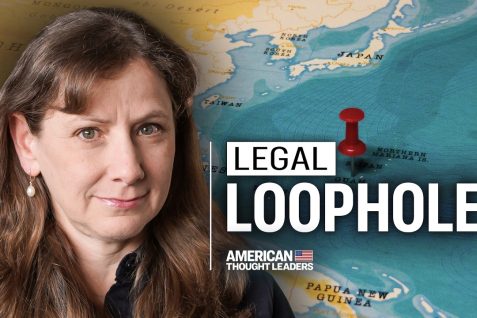
There’s one place in America where Chinese nationals can enter without a visa. It’s called the Commonwealth of the Northern Mariana Islands (CNMI), a U.S. territory in the Pacific, right by …
There’s one place in America where Chinese nationals can enter without a visa. It’s called the Commonwealth of the Northern Mariana Islands (CNMI), a U.S. territory in the Pacific, right by Guam. And it has become a major security loophole for Chinese Communist Party (CCP) influence operations as well as Chinese organized crime and birth tourism ventures, said Cleo Paskal, a senior fellow at the Compass Institute. Yet there has been little political will in Washington to close this loophole, Paskal argues. In this episode, Paskal breaks down the CCP’s aggressive influence and gray-zone warfare operations in this region—areas critical to U.S. defense in any Taiwan conflict—and why this matters for U.S. security. Every U.S. president who served in the Pacific theater in World War II understood that the security of the American mainland depends on a secure Pacific perimeter, Paskal said. As such, in addition to two U.S. territories in the region, the United States has maintained Compacts of Free Association with Palau, the Federated States of Micronesia, and the Marshall Islands since the end of World War II. These treaties give the U.S. military exclusive defense and strategic access to these countries in exchange for U.S. security guarantees and economic support. But the Chinese Communist Party has sought to aggressively expand its influence in these islands through pressure, gray zone warfare, and disinformation campaigns. Amid all this, U.S. funding for these compacts nearly lapsed in recent years, because many in Washington apparently have forgotten their importance. In this episode, Paskal walks me through a key question: if the security of America’s mainland has always depended on control of the central Pacific, what consequences will we pay now that so few Americans know these islands—or their citizens—even exist?
Do some mainland Chinese want Taiwan’s Republic of China to return and replace the Chinese Communist Party? Recent images of people openly wearing ROC flag shirts in China have sparked intense …
Do some mainland Chinese want Taiwan’s Republic of China to return and replace the Chinese Communist Party? Recent images of people openly wearing ROC flag shirts in China have sparked intense discussion online. At the same time, an alleged internal security document has drawn attention to a Taiwan-based National Restoration Party that claims to be organizing resistance inside the mainland. This program examines the party’s founder, its “Republic of China 2.0” vision, and a provocative question: could the Republic of China return to China—not through military conquest, but as a democratic alternative to CCP rule?
This video from Lei's Real Talk explores the provocative question of whether the Republic of China could ever return to mainland territory. The discussion is sparked by recent images showing individuals openly wearing ROC flag shirts within China, which has ignited intense online debate. Simultaneously, attention focuses on an alleged internal security document highlighting a Taiwan-based National Restoration Party that claims to be organizing resistance activities inside the mainland.
The program examines the founder of this party and its vision for what it terms "Republic of China 2.0." A central theme involves analyzing whether the ROC could re-emerge not through military conquest, but as a democratic alternative to current Communist Party rule. The content addresses recent public discourse regarding these political symbols and groups while noting that some mainland citizens may desire such a return. Viewers are presented with an examination of these claims without inventing specific facts or quotes beyond what is provided in the source material.
The US House of Representatives has passed a 2027 appropriations bill that includes US$500 million in military assistance for Taiwan, along with funding for allies and measures to counter China. In …
The US House of Representatives has passed a 2027 appropriations bill that includes US$500 million in military assistance for Taiwan, along with funding for allies and measures to counter China. In related news, former US ambassador to China Nicholas Burns has criticized President Trump’s attitude on arms sales to Taiwan. 📹 Reporter(s): TaiwanPlus #TaiwanPlus #TaiwanPlusNews #TaiwanNews –
The US House of Representatives has approved a 2027 appropriations bill allocating $500 million in military aid to Taiwan. This legislative action is part of broader funding measures designed to support allies and implement strategies aimed at countering China's influence in the region. The decision marks a significant step within the ongoing framework of international security cooperation involving these nations. In related developments, former US ambassador to China Nicholas Burns has voiced criticism regarding President Trump's stance on arms sales directed toward Taiwan. This commentary highlights differing perspectives surrounding defense policy and diplomatic relations in East Asia.
TaiwanPlus News reports on this development as part of its coverage of local issues alongside global events affecting the region. The channel aims to present a unique voice concerning world affairs that impact Taiwan specifically. Viewers can access further content through their various digital platforms including social media channels where they maintain an active presence for updates and discussions related to current geopolitical situations involving defense spending and international alliances in the Pacific theater.
This master video stitches the full Taiwan PMESII story into one coherent picture of deterrence, coercion, and crisis risk. We connect the physical reality of the Taiwan Strait to the political …
This master video stitches the full Taiwan PMESII story into one coherent picture of deterrence, coercion, and crisis risk. We connect the physical reality of the Taiwan Strait to the political dynamics in Taipei, Beijing’s pressure campaign, and how a blockade or invasion could actually unfold. Then we tie the economy to TSMC and global chips, showing why markets react long before wars start. We cover the social and information battle shaping elections and identity, and the infrastructure vulnerabilities like undersea cables that can “soft-isolate” Taiwan. If you want the full strategic logic in one place, this is the complete Taiwan brief. Timeline: 0:00 Physical 10:29 Political 20:07 Military 28:33 Economic 39:21 Social 48:33 Information 55:35 Infrastructure 1:06:15 Closing Thoughts
This comprehensive video by Caleb McMurtrey synthesizes the full strategic landscape surrounding Taiwan into a single coherent narrative focusing on deterrence, coercion, and crisis risk. The presentation connects physical realities within the strait to political dynamics in Taipei while examining Beijing's pressure campaigns. It details how potential blockades or invasions could unfold militarily and explains why global markets react long before conflicts begin by linking economic stability directly to TSMC and semiconductor supply chains.
The overview also addresses social factors shaping elections and national identity, alongside an information battle influencing public perception. Infrastructure vulnerabilities are highlighted, particularly undersea cables that could lead to soft isolation of the region. The content is structured chronologically through distinct segments covering physical geography, political maneuvering, military capabilities, economic implications, social dynamics, informational warfare, infrastructure weaknesses, and concluding strategic thoughts. This briefing aims to provide viewers with a complete understanding of the complex logic governing this geopolitical situation without relying on external transcripts or inventing specific events not present in the provided description.
The Quad is becoming an increasingly important pillar of Indo-Pacific security as the US, Japan, Australia and India deepen cooperation on maritime security, critical minerals and regional resilience. While Beijing dismisses …
The Quad is becoming an increasingly important pillar of Indo-Pacific security as the US, Japan, Australia and India deepen cooperation on maritime security, critical minerals and regional resilience. While Beijing dismisses the grouping as an “Indo-Pacific NATO” designed to contain China, the four members continue expanding practical initiatives, including maritime domain awareness and supply chain security. At the same time, China is responding with stronger diplomacy, gray-zone tactics and closer ties with countries such as Russia as it seeks to counter the Quad’s growing influence. Is the Quad evolving into a durable strategic partnership—or do differences among its members still give Beijing room to maneuver? In this episode, we examine how China views the Quad, how the grouping is adapting to the China challenge and what it means for Taiwan and the future of the Indo-Pacific. *Recorded on July 2, 2026 at 2pm Taiwan Standard Time Host: Wen-Ti Sung Producer: Suvam Pal Our guests: Stephen Nagy International Christian University Politics and International Studies Professor Ronan Fu Academia Sinica Institute of Political Science Assistant Research Fellow Chapters: 00:00:00 – Quad Consolidates Role in Indo-Pacific 00:01:57 – How Does Beijing ViewQuad? 00:13:10 – China Attempts To Counterbalance Quad 00:21:18 – Taiwan Looks to Quad #Quad #IndoPacific #Taiwan #QuadAlliance #Beijing #China #ChinaThreat #IndoPacificRegion #Geopolitics #TaiwanStrait #USChina #GlobalSecurity #InternationalRelations #AsiaPacific #MilitaryAlliance #IndoPacificStrategy #StrategicPartnership #SouthChinaSea #RegionalSecurity #GlobalPolitics #DefendTaiwan #ChinaForeignPolicy #GeopoliticalRisk #StrategicAlliances #IndoPacificGeopolitics #QuadSummit #BeijingPerspective #Counterbalance #TaiwanSecurity #EastAsia #DefensePolicy #GlobalDefense #SecurityAlliance #MaritimeSecurity #BalanceOfPower #ForeignRelations #Asiageopolitics #IndoPacificSecurity #StrategicStability #RegionalStability #GlobalStrategy #DefenseAlliance #Alliances #SecurityStrategy #IndoPacificPolicy #SuperpowerRivalry #EastAsiaSecurity #Geostrategic #TaiwanPlus #TaiwanTalks
This episode of Taiwan Talks explores the evolving dynamics between China and the Quad within the Indo-Pacific region. The discussion highlights how the United States, Japan, Australia, and India are strengthening their cooperation on maritime security, critical minerals, and regional resilience. While Beijing often characterizes this grouping as an exclusionary alliance designed to contain it similar to a NATO in Asia, the four members continue expanding practical initiatives focused on supply chain security and domain awareness. In response, China is reportedly employing stronger diplomacy, gray-zone tactics, and deepening ties with nations like Russia to counterbalance Quad influence. The program examines whether these differences among Quad members still provide Beijing strategic room for maneuver or if a durable partnership is forming. Experts analyze how the grouping adapts to Chinese challenges and what this shift means specifically for Taiwan's security posture. Recorded in July 2026, the conversation features insights from international relations scholars regarding global strategy, defense policy, and the future of regional stability as superpower rivalry intensifies across East Asia and the South China Sea.
Taiwan’s government is condemning a new round of Chinese coast guard patrols east of the island. TaiwanPlus spoke with Ray Powell, founder and executive director of the SeaLight Foundation, about what …
Taiwan’s government is condemning a new round of Chinese coast guard patrols east of the island. TaiwanPlus spoke with Ray Powell, founder and executive director of the SeaLight Foundation, about what the latest moves reveal about China’s expanding maritime strategy.
Taiwan's government has issued a condemnation regarding a new series of Chinese coast guard patrols conducted east of the island. In response to these developments, TaiwanPlus News engaged in discussion with Ray Powell, who serves as the founder and executive director of the SeaLight Foundation. The conversation focused on interpreting what these latest maneuvers indicate about China's broader maritime strategy and its ongoing expansion in the region. The report highlights the tension surrounding increased naval activity near Taiwan, a topic of significant concern for local authorities. By interviewing experts like Powell, the channel aims to provide context on how these patrols fit into larger geopolitical dynamics involving cross-strait relations. The segment underscores the sensitivity of the area and the potential implications of such actions for regional stability. Viewers are presented with an analysis that connects specific patrol events to wider strategic goals without speculating beyond available information. This overview relies solely on the statements made by the featured guest and the official stance expressed by Taiwan's government regarding the incident. The report serves as a neutral platform for examining current events affecting the island and its neighbors through expert commentary.
China is expanding trade pressures on Japan. It announced new export curbs on dozens of Japanese firms amid rising tensions over Taiwan and defense. Oil prices are dropping, peace talks in …
China is expanding trade pressures on Japan. It announced new export curbs on dozens of Japanese firms amid rising tensions over Taiwan and defense. Oil prices are dropping, peace talks in the Middle East are underway, and uncertainty remains. From preschool to college, China is making artificial intelligence a mandatory subject. Why are top American CEOs ringing alarm bells for U.S. schools? President Donald Trump criticizes communism—what do three young media professionals think about the topic? The Arctic is becoming the northernmost front in countering Russia and China. Europe and Canada are showing Washington that they can help defend the Western world on its northern flank. 00:00 Intro 01:07 China Expands Export Curbs on Japan 02:22 Trump: US–Iran Talks Set for Tuesday in Doha 03:36 Mike Waltz: Iran Faces a Choice 04:20 Israel Strikes Hezbollah Terrorists in Lebanon 05:07 China Expands Nationwide AI Education Across All Grades 07:10 Top US CEOs Push for K–12 AI Classes 07:43Trump: Communism ‘Easy to Sell,’ Ends in Failure 09:06 Why Communism Goes Against Human Nature 10:49 Why Gen Z Is Embracing Socialism 12:49 Trump: Democrats Won’t Confront Communists 14:07 Are Socialists Taking Over the Democratic Party? 16:50 NATO Pledges Arctic Security to Trump 18:37 Russia Rebuilds Arctic Bases Near US 19:33Why the Arctic Matters to All Parties 20:10 Australia, Vanuatu Sign Pact Amid China Concerns
China has intensified trade tensions with Japan by announcing new export restrictions affecting dozens of Japanese companies. This move occurs amidst escalating geopolitical friction, particularly regarding Taiwan and defense issues. The report also notes that global oil prices are declining while peace negotiations continue in the Middle East, leaving significant uncertainty in international markets. Additionally, China is implementing a nationwide mandate for artificial intelligence education across all grade levels, from preschool through college. In response to these developments, prominent American business leaders are expressing concern over the lack of similar AI instruction in U.S. schools. The segment further examines President Trump's comments on communism, featuring perspectives from young media professionals who discuss why the ideology appeals to some Gen Z individuals despite historical failures. Geopolitical focus also shifts to the Arctic region, where European and Canadian nations pledge security support to the United States against Russian and Chinese influence as Russia rebuilds bases near U.S. borders. Finally, Australia and Vanuatu sign a new pact driven by shared concerns over China's expanding regional presence.
Japan is undergoing a historic shift. It is abandoning previous decades of low key diplomacy and deflection and instead pushing back against China’s military narrative more forcefully than at any point …
Japan is undergoing a historic shift. It is abandoning previous decades of low key diplomacy and deflection and instead pushing back against China’s military narrative more forcefully than at any point in recent years, arguing that Beijing’s lack of transparency — not Tokyo’s defense buildup — is the real threat to regional stability. As Japan raises defense spending, expands security partnerships and eases restrictions on arms exports, China has accused it of reviving militarism. But Japanese officials counter that their policies are openly debated and publicly scrutinized, while China’s true military spending and strategic intentions remain opaque. Is Beijing’s criticism of Japan designed to shift attention away from its own unprecedented military expansion? In this episode, we examine China’s propaganda war, the debate over military transparency and what it means for security across the Indo-Pacific.
In this episode of Taiwan Talks, the focus shifts to a significant transformation in Japan's diplomatic and security posture. Tokyo is moving away from decades of low-key diplomacy to push back more forcefully against China's military narrative. Japanese officials argue that Beijing's lack of transparency regarding its defense buildup poses a greater threat to regional stability than Japan's own security enhancements. As Japan increases its defense spending, expands security partnerships, and relaxes restrictions on arms exports, it faces accusations from China of reviving militarism. The program examines whether Beijing's criticism serves to distract attention from its own unprecedented military expansion. The discussion highlights the contrast between Japan's openly debated policies and the opaque nature of China's strategic intentions. Experts analyze the implications of this dynamic for security across the Indo-Pacific, exploring the debate over military transparency and the broader propaganda war unfolding in the region. Recorded on June 25, 2026, the episode features insights from a panel including Lai I-chung, James Fanell, and Liou To-hai, who discuss the evolving geopolitical landscape and the challenges of maintaining regional stability amidst rising tensions.
The Rim of the Pacific (RIMPAC) Exercise 2026 is bringing together 31 nations, more than 25,000 personnel and some of the world’s most advanced naval forces for the largest maritime exercise …
The Rim of the Pacific (RIMPAC) Exercise 2026 is bringing together 31 nations, more than 25,000 personnel and some of the world’s most advanced naval forces for the largest maritime exercise on the planet. The drills come at a time of growing tensions across the Indo-Pacific, with China excluded from the exercise for a fourth consecutive iteration and Taiwan once again left on the sidelines, despite repeated support from members of the US Congress. At the same time, questions are mounting over how closely the US and Taiwan could actually operate together in a crisis and whether existing military cooperation is enough to close critical interoperability gaps. In this episode, we examine what RIMPAC reveals about deterrence, coalition-building and the evolving state of US-Taiwan defense cooperation.
The Rim of the Pacific Exercise 2026 assembles thirty-one nations, over twenty-five thousand personnel, and advanced naval forces for the largest maritime drill globally. These exercises occur amidst rising tensions in the Indo-Pacific region. China remains excluded from the event for a fourth consecutive iteration, while Taiwan is again absent despite ongoing support from members of the US Congress. The episode explores how these drills reflect current deterrence strategies, coalition-building efforts, and the evolving nature of defense cooperation between the United States and Taiwan. Questions persist regarding the extent to which the two can operate together during a crisis and whether existing military ties sufficiently address critical interoperability gaps. Recorded on June 18, 2026, the discussion features guests from the Institute for National Defense and Security Research who analyze what RIMPAC reveals about regional security dynamics. The conversation covers whether the drills serve primarily as training or strategic messaging, reasons behind China's disinvitation related to aggression, factors preventing Taiwan's participation, and potential expansions in US-Taiwan cooperation.
With Chinese leader Xi Jinping repeatedly stating his plans to take Taiwan—by force if necessary—many are wondering: what might such an invasion look like and how prepared is Taiwan to defend …
With Chinese leader Xi Jinping repeatedly stating his plans to take Taiwan—by force if necessary—many are wondering: what might such an invasion look like and how prepared is Taiwan to defend itself and withstand such an assault? Enoch Wu is working to tip the balance in Taiwan’s favor. Born in Chicago to Taiwanese parents, he decided to quit his lucrative career as a finance executive in Hong Kong to join Taiwan’s special forces in his early 30s. And he’s since devoted his life to preventing Taiwan from being wiped from the map by its large totalitarian neighbor. In 2020, he founded Forward Alliance to train ordinary Taiwanese in trauma medicine, search and rescue, setting up communication networks, and organizing shelters in a crisis. The group has now trained tens of thousands of ordinary Taiwanese to become de facto first responders through partnerships with local churches, schools, and other community groups. Wu explains his philosophy that while the military acts as a country’s sword, societal resilience acts as a country’s shield. At the heart of our conversation is an urgent message: “The whole point of living in a democratic society,” Wu says, “is that we are all owners, and we have to take responsibility. We can’t treat democracy like a heritage that’s just passed down. You can’t take it as a given. You have to continue to nurture it. You have to invest in it. You have to improve it.” Views expressed in this video are opinions of the host and the guest, and do not necessarily reflect the views of The Epoch Times.
The video titled 4.1K is presented by the channel American Thought Leaders, which operates under The Epoch Times. This production falls within the category of public source information where only the title and channel details are currently available for verification. No specific duration or summary text has been provided in the supplied material to elaborate on the content's subject matter or narrative arc. Without access to a public Google or YouTube summary, as well as a detailed video description, it is impossible to construct an overview that describes specific events, arguments, or conclusions presented within the footage. The available data confirms the existence of the video and its origin but does not contain sufficient information to discuss the topic addressed by American Thought Leaders in this particular installment. Any attempt to describe the internal content would require fabricating details that are not present in the source text. Consequently, the overview must remain strictly limited to identifying the title and the producing organization while acknowledging the absence of further descriptive elements. This transparency ensures that no facts, quotes, or events are invented beyond what is explicitly supplied in the provided documentation for this specific entry.
No peace talks between the United States and Iran took place on Friday, and no new date has been announced. We have the latest updates. Ukrainian drones have helped repel Russian …
No peace talks between the United States and Iran took place on Friday, and no new date has been announced. We have the latest updates. Ukrainian drones have helped repel Russian attacks for years. Now, China’s neighbors—including Taiwan and Japan—are eager to learn from Ukraine’s experience as they prepare to deter a potential conflict. Taiwan is pushing a new bill to invest billions in drone technology to counter China. Meanwhile, Australia is sending drones to the Philippines to strengthen maritime defenses. A historic shift in Cuba. The communist island is opening up to free-market reforms amid severe U.S. sanctions and secret diplomatic talks. Is Havana opening a new chapter—and how will Washington respond? 00:00 Intro 01:04 US-Iran Talks in Switzerland Postponed 03:21 Trump Criticizes Democrats Over Iran Deal Comments 03:55 Strait of Hormuz: Shipping Traffic Recovering 04:23 Israel–Hezbollah Ceasefire Takes Effect in Lebanon 05:04 U.S. Policy Shift: From Obama to Trump 06:53 Gulf Nations Fed Up With Iran Strikes 08:08 Ukrainian Drone Makers Target Taiwan, Japan 10:03 Taiwan Approves $6.7 Billion Domestic Drone Defense Plan 11:20 Australia Donates Drones to Philippine Coast Guard 13:04 Cuba Passes Historic Free-Market Economic Reforms 15:23 Trump: Cuba Operation May Mirror Venezuela 17:11 France Dismantles 9 Chinese Police Outposts 18:08 AI Data Center Boom Drives Solar Power Demand
This report from China in Focus on NTD examines several developing international situations, with a primary focus on regional defense strategies in the Pacific. The segment highlights that Taiwan is advancing legislation to invest approximately 6.7 billion dollars in domestic drone technology aimed at countering potential threats from China. This initiative reflects a broader trend where neighbors of China, including Japan, are looking to Ukraine's experience with drone warfare for inspiration as they prepare to deter future conflicts. In related maritime developments, Australia has donated drones to the Philippine Coast Guard to bolster their defensive capabilities in the region.
The broadcast also covers other significant global events without detailed elaboration on each. Updates indicate that peace talks between the United States and Iran were postponed with no new date set, while diplomatic efforts continue behind closed doors. Additionally, the report notes historic economic reforms passing in Cuba despite ongoing sanctions, a move that may influence future U.S. policy similar to actions taken regarding Venezuela. Other brief mentions include shifting dynamics in the Strait of Hormuz, developments between Israel and Hezbollah, and environmental impacts driven by an AI data center boom increasing demand for solar power. The program serves as a news update covering these diverse topics within its runtime.
Beijing appears to be increasing its ability to launch nuclear strikes against countries such as the United States. What do satellite images reveal about a mysterious complex taking shape in a …
Beijing appears to be increasing its ability to launch nuclear strikes against countries such as the United States. What do satellite images reveal about a mysterious complex taking shape in a desert in the Xinjiang region? Drones are changing the battlefield—not only in the sky, but also at sea. The United States and two allies are working together to strengthen their maritime dominance and counter China. Beijing draws a dangerous new red line, expelling an American reporter over Taiwan. Washington responds in kind, while Taipei condemns Beijing’s tactics. Want to take Chinese technology, talent, or data overseas? Under Beijing’s new outbound investment rules, you’ll need permission first. Military-linked universities in China are pursuing Nvidia’s top AI chips, raising questions about U.S. efforts to control cutting-edge technology exports. China Appears to Boost Nuclear Strike Capability US Launches Golden Dome Missile Shield System US, UK, Australia to Develop Undersea Drones US Racing to Counter China’s Drone Dominance Pentagon Turns to Smaller Firms for Drones Pentagon Seeks 300,000 Low-Cost Attack Drones Security Concerns Over Chinese Drone Parts China, US Expel Each Other’s Reporters Expert: Chinese Outlets in US May Influence Elections Beijing to Lock Down Outbound Tech, Data Flows Rubio: US Must End Reliance on Chinese Supply Chains China Military-Tied Universities Seek Nvidia AI Chips EU to Join US-Led Chip Supply Initiative China Defense Minister No-Show at Asia Summit South Korea, Japan Weigh Military Logistics Deal
This video report from China in Focus examines several developing geopolitical and military tensions between the United States, China, and their respective allies. The segment begins by noting reports that Beijing may be enhancing its nuclear strike capabilities against nations like the United States, while satellite imagery investigates a mysterious construction project in the Xinjiang desert region. Simultaneously, the narrative highlights a shift in drone warfare, where drones are increasingly utilized across air and sea domains. In response to China's growing dominance in this sector, the US, UK, and Australia are collaborating to strengthen maritime control and develop undersea drone technologies. The Pentagon is also seeking partnerships with smaller firms to acquire hundreds of thousands of low-cost attack drones to counter potential threats.
Diplomatic friction remains high as Beijing expels an American reporter over Taiwan issues, prompting a reciprocal action from Washington. Taipei criticizes these tactics while experts warn that Chinese media outlets within the US could influence elections. On the economic front, new outbound investment rules require permission for moving Chinese technology or data overseas, and military-linked universities are reportedly seeking Nvidia's advanced AI chips despite export controls. The European Union is considering joining US-led initiatives to secure chip supply chains, while regional allies like South Korea and Japan weigh potential military logistics agreements.
Source: Taiwan’s emerging drone industry is taking off|Taiwan News Summary The outbreak of the Russo-Ukraine war in 2022 highlighted the strategic importance of drones, prompting global investment in the sector. For …
The outbreak of the Russo-Ukraine war in 2022 highlighted the strategic importance of drones, prompting global investment in the sector. For Taiwan, facing a larger adversary, these unmanned systems are vital due to their cost-effectiveness and ability to threaten expensive military platforms. The government is actively strengthening supply chains that exclude Chinese components, while private companies have significantly expanded their capabilities. Consequently, exports of Taiwanese drones to Europe rose by 40 percent last year.
The Army's drone units conduct flight training with attack drones equipped for munitions delivery. These are precision strike vehicles rather than suicide drones, yet they play a critical role in live-fire exercises. Notably, the equipment used in these drills is manufactured entirely by local firms, emphasizing a supply chain free of Chinese parts. This shift has allowed Taiwanese manufacturers to capture global markets rapidly. Ukraine itself sourced many components from Taiwan for its conflict efforts. Industry leaders suggest that providing non-Chinese supply chains could serve as an economic shield for Taiwan. Since 2017, US restrictions on Chinese military drones have further opened opportunities for local producers who maintain a total ban on such components in their defense products.
Japan is expanding its defense partnerships beyond the traditional First Island Chain, as Tokyo and Jakarta discuss a possible transfer of Japanese Asagiri-class destroyers. The move follows growing security cooperation with …
Japan is expanding its defense partnerships beyond the traditional First Island Chain, as Tokyo and Jakarta discuss a possible transfer of Japanese Asagiri-class destroyers. The move follows growing security cooperation with Australia and the Philippines and reflects Japan’s efforts to build a broader network of like-minded maritime powers. At the same time, Indonesia is facing increasing pressure from Chinese gray-zone activities near critical sea lanes and the North Natuna Sea. Is Japan creating a new “network of navies” to help balance China’s growing influence? In this episode, we examine the evolving Japan-Indonesia partnership, the rise of Japan’s defense diplomacy and what it means for the future of Indo-Pacific security.
This episode of Taiwan Talks explores Japan's strategic shift toward expanding defense partnerships beyond its immediate neighbors, aiming to construct a broader network of maritime powers. The discussion centers on Tokyo and Jakarta's potential collaboration involving the transfer of Japanese Asagiri-class destroyers to Indonesia. This initiative follows similar security cooperation efforts with Australia and the Philippines, reflecting Japan's growing role in Indo-Pacific security architecture. Indonesia faces increasing pressure from Chinese gray-zone activities near critical sea lanes, particularly within the North Natuna Sea. The program examines whether Japan is creating a new alliance structure to counterbalance China's expanding influence in the region. Key topics include the evolving nature of the Japan-Indonesia partnership, the rise of Japanese defense diplomacy, and the implications for future regional stability. The episode features insights from guests including Lai I-chung, Alexander Huang, and Bill Hayton, who analyze these developments within the context of international law and freedom of navigation. Recorded on June 17, 2026, the conversation addresses how Tokyo's allies are pushing back against Chinese allegations while strengthening regional defense ties.
Is Washington’s attention shifting away from the Indo-Pacific? Japan’s prime minister says not at all, following talks with President Donald Trump at the G7 summit. After Iran, could North Korea be …
Is Washington’s attention shifting away from the Indo-Pacific? Japan’s prime minister says not at all, following talks with President Donald Trump at the G7 summit. After Iran, could North Korea be next? South Korea is urging Trump to help address one of the world’s toughest nuclear challenges. The G7 leaders say they oppose any actions that could disrupt peace around Taiwan, and Trump is pushing to speed up U.S. weapons manufacturing. The Senate unanimously passed a bill condemning Chinese Communist Party leader Xi Jinping. Missouri’s attorney general is suing Chinese security camera maker Lorex, a major seller of home security cameras and baby monitors in the United States. What’s the case really about? 00:00 Intro 1:24 Japan, U.S. Reaffirm Indo-Pacific Partnership at G7 3:20 S. Korea Asks Trump to Tackle N. Korea Nuclear Threat 4:28 S. Korea Narrows Civilian Restricted Zone Near Border 4:52 G7 Leaders Support Taiwan Strait Status Quo 5:25 Taiwan Detects 6 Chinese Naval Vessels Near Island 6:12 President Trump Invokes Act to Boost Weapons Supply 7:04 Senate Resolution Condemns CCP Leader Xi Jinping 9:13 Missouri AG Sues Baby Monitor Firm Over CCP Ties 11:03 Taiwan Protests Scholar Ban, Cites CCP Pressure 12:27 Taiwan on Standby for Possible Call From Trump 13:12 EU Says China Trained Russian Troops to Fight in Ukraine 14:40 G7 Summit Highlights China Concerns in France 15:04 G7 Unites on China Security, Economic Concerns 16:09 G7 Seeks Supply Chain Shift Away From China 17:26 G7 Pushes to Cut Reliance on Chinese Minerals 19:06 G7 Signals Security-First Approach on China Talks
This NTD report titled China in Focus examines recent developments involving the United States, Japan, and other G7 nations regarding their strategic partnership in the Indo-Pacific region. Following talks between President Donald Trump and Japanese Prime Minister Shigeru Ishiba at the G7 summit in France, both leaders reaffirmed their commitment to the alliance. The summit also addressed pressing security issues, including North Korea's nuclear program, with South Korea urging Washington to assist in resolving this challenge. Additionally, G7 leaders expressed opposition to actions that could destabilize peace around Taiwan, while President Trump advocated for accelerating U.S. weapons manufacturing.
The report highlights legislative and legal actions against China, noting the Senate's unanimous passage of a bill condemning Chinese Communist Party leader Xi Jinping. It also covers a lawsuit filed by Missouri's attorney general against Lorex, a manufacturer of home security cameras and baby monitors accused of ties to the CCP. Other segments discuss Taiwan detecting Chinese naval vessels near the island, EU allegations that China trained Russian troops for the Ukraine conflict, and G7 efforts to reduce reliance on Chinese minerals and shift supply chains away from Beijing. The coverage concludes with various diplomatic signals and protests related to these escalating tensions.
The Philippines and Taiwan are facing a surge in Chinese pressure across multiple flashpoints, as Beijing defends what it describes as “scientific research” activities at Scarborough Shoal (Minzhu Reef) and conducts …
The Philippines and Taiwan are facing a surge in Chinese pressure across multiple flashpoints, as Beijing defends what it describes as “scientific research” activities at Scarborough Shoal (Minzhu Reef) and conducts operations near Pratas (Dongsha) Island. It comes as Beijing has sanctioned Philippine Defense Secretary Gilberto Teodoro for calling out China’s “deception” and growing maritime aggression. Meanwhile, Taiwan has launched major live-fire exercises featuring HIMARS, drones and long-range rocket systems designed to counter a potential amphibious assault along its west coast. Are China’s latest activities in the South China Sea isolated incidents or part of a broader campaign to reshape the region’s status quo? In this episode, we examine China’s expanding gray-zone activities, the strategic importance of these islands and how Taiwan and the Philippines are responding.
This episode of Taiwan Talks examines escalating tensions in the South China Sea, focusing on Beijing's intensified activities at Scarborough Shoal and operations near Pratas Island. The discussion highlights a perceived surge in Chinese pressure against both the Philippines and Taiwan. Beijing frames its actions as scientific research, yet these moves coincide with sanctions imposed on Philippine Defense Secretary Gilberto Teodoro for criticizing what it terms deception and maritime aggression. Simultaneously, Taiwan is conducting significant live-fire exercises involving HIMARS, drones, and long-range rockets to prepare for potential amphibious threats along its western coast. The program explores whether these incidents represent isolated events or a coordinated campaign to alter the regional status quo. Experts analyze China's expanding gray-zone tactics and the strategic value of these islands. The conversation covers how neighboring nations are responding to coercive measures and artificial island construction. Recorded on June 12, 2026, the session features insights from Lai I-chung and Tony Hu, addressing broader implications for Indo-Pacific security and sovereignty disputes involving the Exclusive Economic Zone and freedom of navigation.
Taiwan is kicking off a five-day military drill. The goal is to better prepare the island’s military for a war scenario. China is targeting U.S. defense and rare earth companies. This …
Taiwan is kicking off a five-day military drill. The goal is to better prepare the island’s military for a war scenario. China is targeting U.S. defense and rare earth companies. This comes just after the Pentagon accused major Chinese firms of helping Beijing’s military. What could this mean for U.S.–China trade relations? Could your fitness tracker be sending your health data to Beijing? Lawmakers are raising alarms about Chinese-made devices Americans use to track their health. A new Chinese law targets dissent globally. Are Americans still safe from Beijing’s secret police? Faced with growing military threats from China, people in Taiwan are preparing for a potential invasion—not only in combat capability but also in civilian preparedness. To support that effort, one Taiwanese man left Wall Street and returned home. 00:00 Intro 00:54 Taiwan Begins Drill Simulating War Scenario 02:16 China Sanctions U.S. Rare Earth, Defense Firms 04:03 Senators Urge FCC to Probe China-Made Health Wearables 05:06 President Trump to Visit China Again 05:48 Beijing’s New Law Threatens U.S. Citizens 07:10 China Implements ‘Ethnic Unity Promotion’ Law 10:01 Cuban Intel Facilities Show Possible Links to China 11:20 U.S. and Uzbekistan Launch Joint Investment Platform 12:09 How Taiwanese People Are Preparing for a Chinese Attack 12:52 Returning From Wall Street to Taiwan 15:27 How China’s Rise Put Taiwan in the Crosshairs 17:31 Protecting Democracy Through Resilient Societies 18:35 Why the World Can’t Ignore Taiwan
Taiwan has initiated a five-day military exercise aimed at enhancing the island's readiness for potential conflict scenarios. This development occurs alongside escalating tensions involving China, which is reportedly targeting United States defense contractors and rare earth industry companies. The Pentagon has previously accused major Chinese firms of assisting Beijing's military efforts, raising questions about the future of trade relations between the two nations.
Concerns extend beyond geopolitics to personal security, as lawmakers in the United States express alarm over health data collected by Chinese-made wearable devices potentially being accessed by Beijing. Additionally, new legislation in China is scrutinized for its implications on global dissent and the safety of American citizens abroad. In response to growing military threats, Taiwanese civilians are preparing not only militarily but also socially. One individual left Wall Street to return home and contribute to these preparedness efforts. The program explores how China's rise has placed Taiwan in a precarious position and examines strategies for protecting democracy through resilient societies.
“INDO” has been dropped from “INDOPACOM”. The US Department of Defense’s decision to rename its Indo-Pacific Command back to Pacific Command has sparked questions about the future of one of the …
“INDO” has been dropped from “INDOPACOM”. The US Department of Defense’s decision to rename its Indo-Pacific Command back to Pacific Command has sparked questions about the future of one of the most influential strategic concepts in modern geopolitics. First championed by then-Japanese Prime Minister Shinzo Abe in the early 2000s, it was later institutionalized as official US policy during President Donald Trump’s first term through the 2018 renaming of PACOM to INDOPACOM. This new name reflected the idea that India is an important strategic partner of the US and its allies, and that the Indian and Pacific oceans form a single strategic theater. The latest change comes as Trump met Indian PM Narendra Modi at the G7. Is this a symbolic shift, or does it reveal something deeper about Washington’s approach to China and Asia? In this episode, we examine the significance of the PACOM name change, the legacy of Abe’s Indo-Pacific vision and what it means for regional security.
The United States Department of Defense has decided to rename its Indo-Pacific Command back to Pacific Command, removing the word "Indo" from the title. This decision follows a meeting between President Trump and Indian Prime Minister Narendra Modi at the G7 summit. The original inclusion of "Indo" in the command's name was established during Donald Trump's first term in 2018, reflecting a strategic view that treated the Indian and Pacific Oceans as a single theater with India as a key partner. This concept was initially championed by former Japanese Prime Minister Shinzo Abe in the early 2000s before becoming official US policy. The recent change raises questions about whether this represents a symbolic shift or indicates a deeper alteration in Washington's approach to China and Asia. The episode explores the legacy of Abe's Indo-Pacific vision, the significance of the name change for regional security, and how US allies have promoted the concept. Recorded on June 18, 2026, the discussion features guests including Chenlung Kuo, Sana Hashmi, and Tsai Jung-hsiang to analyze these developments in geopolitics and defense strategy.
Newly released photos shed light on the Tiananmen Square massacre in Beijing decades later, as commemorations take place around the world. One witness recalls what he saw back then. Tang Kai, …
Newly released photos shed light on the Tiananmen Square massacre in Beijing decades later, as commemorations take place around the world. One witness recalls what he saw back then. Tang Kai, witness, 1989 Tiananmen massacre: “Many people were crushed [by tanks]. They had their brains, blood, and intestines scattered all over the ground—it was horrific. For many years afterward, I would have nightmares about that scene.” In the Oval Office on Wednesday, President Donald Trump discussed the perils of communism with NTD White House correspondent Iris Tao. Beijing still denies that the massacre occurred. Taiwan’s President Lai Ching-te is pressing Beijing to “acknowledge the truth” and confront its past. Grant Newsham, retired U.S. Marine colonel and former U.S. diplomat, comments on why Taiwan is a thorn in Beijing’s side: “[Taiwan] is a constant daily reminder that the Chinese Communist Party and its system have failed, that they are really just a bogus, all-bogus alternative for governing China and the Chinese people in it.” U.S. citizenship through surrogacy, then raised in China: New legislation aims to close the loophole amid national security concerns. 0:00 intro 1:27 Commemorating June 4: Tiananmen Square Massacre 4:09 Olympic Gold Medalist’s Family Linked to Tiananmen 4:31 Rubio: Censorship Can’t Erase the Past 5:23 President Trump Speaks With NTD Reporter on Communism 6:49 Taiwan a Reminder of China’s Failure: Expert 7:07 Tiananmen Massacre Remembered 37 Years On 9:15 Taiwan’s Democracy Contrasts With China’s System 11:49 China Ramps Up U.S. Purchases Amid Deep Rivalry Risks 12:54 Bessent: U.S. Will Monitor Trade Execution 13:09 China Begins Placing Orders for New Soybean Crop 14:42 Xi’s Warning: Potential for Conflict Remains High 16:03 New Bill Aims to Close Surrogacy Loopholes 17:23 China AI Predicts Future Political Dissidents: Researchers 18:23 Report: Chinese Firms Get Up to 8x More Subsidies
This video from China in Focus examines the enduring legacy of the 1989 Tiananmen Square events, noting that newly released photographs continue to shed light on the tragedy decades later. The program features a witness recalling horrific scenes where individuals were crushed by tanks, leaving blood and organs scattered across the ground. While Beijing continues to deny the massacre occurred, Taiwan's leadership urges China to acknowledge the truth and confront its past.
The broadcast includes a discussion with President Donald Trump regarding the dangers of communism, which he links to fatal outcomes. The report also highlights how Taiwan serves as a constant reminder that the Chinese Communist Party has failed in its governance model. Additional segments cover various geopolitical and social issues, including new legislation targeting surrogacy loopholes for U.S. citizenship, reports on Chinese firms receiving significant subsidies, and warnings from officials about potential conflict. The program contrasts Taiwan's democratic system with China's current structure while addressing ongoing trade rivalries and national security concerns involving artificial intelligence and political dissent prediction.
China’s nuclear expansion is accelerating, as new satellite imagery reveals fresh missile infrastructure across the western provinces of Xinjiang and Gansu. For decades, Beijing maintained a relatively small nuclear arsenal under …
China’s nuclear expansion is accelerating, as new satellite imagery reveals fresh missile infrastructure across the western provinces of Xinjiang and Gansu. For decades, Beijing maintained a relatively small nuclear arsenal under its longstanding “no first use” policy. But today, China is building new silos, modernizing its missile forces and rapidly closing the gap with the world’s leading nuclear powers. It is also building them in a configuration that raises questions about China’s continued commitment to a “no first use” policy. At the same time, communication channels between Washington and Beijing remain fragile, raising concerns about miscalculation. Could a conflict over Taiwan escalate beyond conventional warfare? In this episode, we examine China’s growing nuclear capabilities, the risks of a new arms race and what it means for Taiwan Strait. *Recorded on June 4, 2026 at 2:45pm Taiwan Standard Time Host: Wen-Ti Sung Planners: Betty Wang, Miguel Yang Our guests: Tony Hu Former US Department of Defense Senior Director for China, Taiwan and Mongolia Bryce Barros Institute for National Defense and Security Research (INDSR) Visiting Fellow GLOBSEC GeoTech Center Associate Fellow Chapters: 00:00:00 – China Builds Nuclear Arsenal 00:01:56 – Deterrence or Coercion? 00:17:50 – China Uses Talks as Bargaining Chip 00:23:00 – Risk of Miscalculation and War? #ChinaNuclearArsenal #IndoPacificSecurity #NuclearProliferation #MilitaryExpansion #DeterrenceStrategy #SecondStrikeCapability #NuclearSilos #ICBM #MissileSilo #MilitaryStrategy #NationalSecurity #GlobalSecurity #NuclearArmsRace #NuclearBlackmail #ColdWarLessons #ArmsControl #NuclearNonProliferation #Transparency #MilitaryCommunication #CrisisManagement #MiscalculationRisk #NuclearWar #StrategicTriad #SolidFuelMissiles #PLA #RocketForce #USChinaRelations #TaiwanStrait #DefensePolicy #Pentagon #CrossStraitRelations #RegionalStability #NuclearDeterrence #CommandAndControl #AccidentalLaunch #MilitaryReadiness #GeopoliticalRisk #GrayZoneTactics #NuclearThreat #DefenseStrategy #HotlineDiplomacy #BargainingChip #WarGaming #EscalationDynamics #NuclearFallout #StrategicPosture #InternationalRelations #SecurityStudies #AsiaPacific #ForeignPolicy #StrategicStability #NuclearSecurity #MilitaryAnalysis #TaiwanPlus #TaiwanTalks
This episode of Taiwan Talks examines the accelerating expansion of China's nuclear capabilities, highlighted by new satellite imagery showing missile infrastructure development in Xinjiang and Gansu. For decades, Beijing operated a relatively small arsenal under a stated no-first-use policy, but recent activities include building new silos and modernizing forces to narrow the gap with major global powers. The construction configuration raises questions regarding the continuity of that policy. Simultaneously, fragile communication channels between Washington and Beijing heighten concerns about potential miscalculation. The discussion explores whether a conflict over Taiwan could escalate beyond conventional warfare into nuclear confrontation. Experts analyze the risks associated with a new arms race and the implications for stability in the Taiwan Strait. Recorded on June 4, 2026, the program features insights from former US Department of Defense officials and defense researchers. Topics covered include deterrence versus coercion strategies, the use of diplomatic talks as bargaining chips, and the dangers of accidental launch or crisis instability. The episode addresses strategic posture, command and control issues, and broader geopolitical risks in the Indo-Pacific region without inventing specific quotes or events beyond the provided description.
A new cybersecurity report says Beijing is targeting U.S. tech in cyberattacks. It comes as China ramps up a massive push into AI, with hundreds of billions of dollars planned for …
A new cybersecurity report says Beijing is targeting U.S. tech in cyberattacks. It comes as China ramps up a massive push into AI, with hundreds of billions of dollars planned for new data centers. The Pentagon is flagging some of China’s biggest companies as military-linked, while Beijing increases pressure on Taiwan. Chinese Coast Guard ships have harassed commercial vessels near Taiwan, raising questions about escalating regional tensions and the U.S. response. Chinese money laundering networks are moving hundreds of billions for Mexican cartels, fueling America’s fentanyl crisis, according to a major new warning from Congress. A Chinese-born U.S. resident accused of hiding his immigration history now faces a government effort to revoke his U.S. citizenship. 00:00 Intro 01:06 CrowdStrike: China Hackers Target U.S. Tech 02:03 China Plans $295B AI Data Center Buildout: Bloomberg 02:49 Pentagon Labels Major Chinese Firms Military-Linked 03:51 China Escalates Pressure Around Taiwan 04:55 Taiwan Simulates Chinese Amphibious Invasion 05:56 China Harasses Commercial Ships Off Taiwan’s Coast 07:38 Lawmakers Urge U.S. to Tighten Rules on Chipmakers 08:42 Suozzi Joins House Panel Focusing on China Threats 09:34 Lawmakers: Chinese Laundering Rings Aid Drug Cartels 12:36 Chinese-Born Georgia Resident Faces Denaturalization 13:40 Lawmakers Probe Past ‘Abuse’ in Immigration Policy 16:03 Border Czar: More ICE Agents Headed to New York 17:11 NASA Announces Artemis III Test Flight Astronauts 18:24 Prada Takes Luxury Fashion Into Space With NASA Gear 19:34 OpenAI Files for U.S. IPO, Following Anthropic
A recent cybersecurity report indicates that Beijing is directing cyberattacks toward U.S. technology sectors. This development coincides with China's significant expansion into artificial intelligence, involving hundreds of billions of dollars in planned investments for new data centers. The Pentagon has identified several major Chinese companies as having military links, while tensions in the region escalate as Beijing increases pressure on Taiwan. Incidents include Chinese Coast Guard vessels harassing commercial ships near the island, prompting questions about potential U.S. responses. Additionally, lawmakers have warned that Chinese money laundering networks are transferring hundreds of billions to Mexican cartels, contributing to the fentanyl crisis in America.
Other segments discuss a Chinese-born U.S. resident facing denaturalization efforts due to alleged immigration history concealment and broader probes into past immigration policy abuses. Congressional members urge stricter regulations on chip manufacturers, while discussions continue regarding border enforcement strategies with more ICE agents heading to New York. The program also touches on space initiatives, including NASA's Artemis III test flight astronauts and Prada utilizing NASA gear for luxury fashion in space. Finally, OpenAI is noted for filing for a U.S. initial public offering following similar moves by Anthropic.
President Donald Trump’s eldest son says he wouldn’t consider investing in China and is warning others about the risks. An American journalist pleads guilty to acting as a foreign agent of …
President Donald Trump’s eldest son says he wouldn’t consider investing in China and is warning others about the risks. An American journalist pleads guilty to acting as a foreign agent of the Chinese Communist Party. Trump was asked whether he’s concerned China is funding the anti-data center movement in the United States. We unpack the controversy. The head of the Chinese Communist Party, Xi Jinping, will visit North Korea next week. What message does the trip send? A key Pacific island nation is moving closer to the West. The Solomon Islands’ new leader is seeking to reset relations with Australia and review a security pact with China. What does this mean for U.S.–China competition in the Pacific? Chinese and Taiwanese coast guards face off in the South China Sea as a Chinese vessel moves into Taiwan-controlled waters. 00:00 Intro 01:08 Trump Jr. Warns Investors to Avoid China 01:55 French Company Ousted After Partnership Dispute 02:52 American Journalist Pleads Guilty to Spying for China 04:02 China Eyes US Officials, Researchers, Journalists 04:44 Lawmakers Probe CCP Threat Inside America 05:37 Olympic Champion Alysa Liu’s Father Targeted by Spy 06:29 Activist Targeted by Beijing After Testifying to Congress 06:52 Lawmakers Probe China Role in Fentanyl Crisis 08:28 Trump Asked If China Is Behind Anti-Data Center Movement 09:01 Lawmakers: China May Be Fueling Data Center Opposition 10:47 Anthropic’s Warning: AI Could Soon Build Itself 11:07 Xi Jinping to Visit North Korea on Monday 12:56 New Solomon Islands PM to Review Security Pact With China 15:01 Expert on Risks of Chinese Military Base in Pacific 16:11 Solomon Islands: We Will Review Pact With China 16:36 Solomon Islands’ Nuanced Relations With China, Australia 18:08 Taiwan, China Coast Guards Face Off in South China Sea 19:12 Japan to Start Talks on Exporting Destroyer to Indonesia 19:46 Panama Canal the Most Critical Choke Point: Maness 20:07 China’s Influence Receding Globally 22:20 Why Many Countries Are Rethinking China Ties
This episode of China in Focus features commentary from Donald Trump Jr., who advises against investing in China due to perceived risks, while also reporting on an American journalist who pleaded guilty to acting as a foreign agent for the Chinese Communist Party. The program explores allegations that China is targeting U.S. officials, researchers, and journalists, including specific cases involving Olympic champion Alysa Liu's father and an activist who testified before Congress. Additionally, lawmakers are investigating China's potential role in the fentanyl crisis and its influence on opposition to data center development in the United States. The broadcast examines geopolitical shifts, noting that Chinese President Xi Jinping is scheduled to visit North Korea and that the Solomon Islands' new leader intends to review its security pact with China while seeking closer ties with Australia. Tensions are highlighted by recent confrontations between Chinese and Taiwanese coast guards in the South China Sea. The segment also touches on Japan's discussions regarding exporting a destroyer to Indonesia, the strategic importance of the Panama Canal, and broader questions about whether China's global influence is receding as nations reconsider their relationships with Beijing.
Taiwan’s defense ministry is condemning a series of recent Chinese maritime operations, including Beijing’s newly announced “special maritime law enforcement operation” east of Taiwan. Source: China Expands Maritime Patrols Near Taiwan, …
Taiwan’s defense ministry is condemning a series of recent Chinese maritime operations, including Beijing’s newly announced “special maritime law enforcement operation” east of Taiwan.
Taiwan's defense ministry has issued a strong condemnation regarding recent Chinese maritime activities in the region. Beijing has announced a new special maritime law enforcement operation taking place east of Taiwan, which authorities in Taipei view as a significant escalation. These actions are part of a broader series of operations that have drawn sharp criticism from the island's government. The situation is contributing to rising tensions across the area, prompting heightened vigilance among local defense officials. TaiwanPlus News reports on these developments, highlighting the diplomatic and security implications for the region. The channel aims to provide viewers with unique perspectives on both local issues and global events affecting the Pacific Rim. As the situation evolves, continued monitoring of these maritime maneuvers remains essential for understanding the shifting dynamics between Beijing and Taipei. The report underscores the importance of staying informed about developments that could impact regional stability. Viewers are encouraged to follow TaiwanPlus across various social media platforms for ongoing updates on this developing story and other important news from the region.
New satellite imagery has revealed a massive new Chinese military complex surrounding key nuclear missile fields in Xinjiang. The CCP is building an unprecedented network of launch sites, command facilities, and …
New satellite imagery has revealed a massive new Chinese military complex surrounding key nuclear missile fields in Xinjiang. The CCP is building an unprecedented network of launch sites, command facilities, and defensive infrastructure designed to ensure its nuclear forces survive any first strike. What does this mean for Taiwan, the United States, and the future of deterrence?
New satellite imagery has uncovered a significant development in Chinese military infrastructure, specifically within the Xinjiang region. Reports indicate the construction of a vast complex encircling key nuclear missile fields. This network reportedly includes new launch sites, command facilities, and defensive structures intended to enhance the survivability of China's nuclear forces against potential first strikes. The emergence of this infrastructure raises questions regarding its implications for regional security dynamics involving Taiwan and the United States. Analysts are examining how such developments might alter future deterrence strategies in the Indo-Pacific theater. The video highlights these findings as a major shift, suggesting an unprecedented level of investment in defensive capabilities designed to ensure nuclear assets remain operational under extreme pressure. Viewers are encouraged to engage with the content by leaving a specific emoji in the comments section. Additional resources, including a weekly newsletter and mobile applications, are available for those seeking further information on these geopolitical topics. The channel directs audiences to its website and various social media platforms for ongoing updates and deeper analysis of international affairs.
Why is Xi Jinping suddenly rushing to North Korea after months of staying inside China? This trip may be far bigger than routine diplomacy. Behind the scenes are growing Russia–North Korea …
Why is Xi Jinping suddenly rushing to North Korea after months of staying inside China? This trip may be far bigger than routine diplomacy. Behind the scenes are growing Russia–North Korea ties, rising Taiwan tensions, U.S.–Japan–South Korea coordination, and Beijing’s fear of losing leverage on the Korean Peninsula. In this episode, we break down why Kim Jong Un may now hold more strategic value than ever — and why some analysts believe Xi Jinping suddenly needs Kim more than Kim needs Xi. you
This video from Lei's Real Talk examines the recent visit by Chinese President Xi Jinping to North Korea, suggesting the trip carries significance beyond standard diplomatic protocol. The analysis highlights several underlying factors driving this engagement, including strengthening ties between Russia and North Korea, escalating tensions involving Taiwan, and increased coordination among the United States, Japan, and South Korea. These developments appear to have influenced Beijing's strategic calculations regarding its leverage on the Korean Peninsula. The content explores the possibility that Kim Jong Un currently holds greater strategic value for China than previously assumed. Some analysts discussed in the context of the video suggest a shift where Xi Jinping may require Kim's cooperation more urgently than vice versa. The channel focuses primarily on U.S.-China relations while also covering broader topics such as world economy, history, and politics. Through short-form content, the series aims to reveal hidden stories behind major geopolitical events. Viewers are invited to explore further discussions on related economic and political themes through linked resources provided in the description.
Nvidia is doubling down on Taiwan, with plans to invest up to $150 billion a year for the new headquarters in Taipei. Meanwhile, Jensen Huang met with TSMC’s chairman to explore …
Nvidia is doubling down on Taiwan, with plans to invest up to $150 billion a year for the new headquarters in Taipei. Meanwhile, Jensen Huang met with TSMC’s chairman to explore expanding advanced packaging. A special gift for President Donald Trump: Taiwan’s president presents a tech memoir at a major U.S. celebration aimed at boosting ties. The United States is set to begin the process of lowering tariffs on $30 billion worth of Chinese goods. And what happens next with the 10 percent global tariffs when they expire this July? A new Chinese warship joins the Liaoning carrier group in the Western Pacific, as Japan closely tracks the formation operating near its waters. Lawmakers and experts are calling out foreign billionaires and Chinese Communist Party-linked networks for funding groups to oppose U.S. tech projects. Who’s really behind the protests? 00:00 Intro 1:30 Nvidia to Invest Up to $150 Billion a Year in Taiwan 3:08 Taiwan Leader Gifts Trump TSMC Memoir at AIT Gala 4:31 U.S. Seeks Comment on Chinese Goods Eligible for Tariff Cuts 8:19 USTR Speaks on USMCA Agreement, WTO 11:07 Trump Admin Pays $20 Billion to Importers 11:45 Trump: Primary Urgency Is Iran Can’t Have a Nuclear Weapon 16:06 Israel Kills Hamas Armed Wing Chief 17:10 Japan Tracks Chinese Frigate Deployment 18:27 Chinese Dissident Detained After Sea Escape to Korea 19:19 New Report: China Funding U.S. Tech Opposition
This segment from China in Focus on NTD examines significant developments in technology, trade, and geopolitics. Nvidia is reportedly planning to invest up to $150 billion annually for a new headquarters in Taipei, while also exploring expanded advanced packaging with TSMC following a meeting between Jensen Huang and the company's chairman. In diplomatic news, Taiwan's president presented a tech memoir to Donald Trump at a major U.S. celebration designed to strengthen bilateral ties. Trade policy updates include the United States beginning to lower tariffs on $30 billion worth of Chinese goods, with discussions ongoing regarding the expiration of global tariffs in July and comments from the USTR on USMCA and WTO matters. The administration also paid $20 billion to importers. Security situations are highlighted by a new Chinese warship joining the Liaoning carrier group near Japan, which is closely tracking the formation. Additionally, reports indicate that lawmakers and experts are investigating foreign billionaires and Chinese Communist Party-linked networks for funding groups opposing U.S. tech projects. The broadcast also covers other topics such as Iran's nuclear program, military actions in Israel and Gaza, and a detained Chinese dissident who escaped to Korea.
Japan is expanding its alliances across the Indo-Pacific, strengthening ties with the Philippines, Indonesia, Vietnam and Australia as part of a broader diplomatic push by PM Takaichi Sanae and Defense Minister …
Japan is expanding its alliances across the Indo-Pacific, strengthening ties with the Philippines, Indonesia, Vietnam and Australia as part of a broader diplomatic push by PM Takaichi Sanae and Defense Minister Koizumi Shinjiro. At the center of these efforts are deepening security links with the US and the Philippines, including the transfer of Japanese Abukuma-class destroyers to Manila — a first since the lifting of its post-WWII arms export ban. It comes as the Philippines conducts its first test of a Tomahawk missile from a Typhon launcher. Together, these moves signal a shift toward more integrated form of regional deterrence. But how are Tokyo’s moves being greeted by Washington and Beijing? In this episode, we examine Japan’s growing network of partnerships, the strategic importance of key maritime routes and what this evolving alignment means for Taiwan and the Indo-Pacific balance of power. *Recorded on May 7, 2026 at 4pm Taiwan Standard Time Host/Senior Producer: Yin Khvat Consultant: George Nee Research Assistant: April Lin Our guests: Tsai Jung-hsiang National Chung Cheng University Political Science Professor Guermantes Lailari Jewish Policy Center Senior Non-Resident Fellow Chapters: 00:00:00 – Japan’s New Alliance Model 00:03:00 – Philippines Conducts Tomahawk Test 00:09:41 – Tokyo To Provide Destroyers to Manila, Jakarta 00:14:50 – US, Japan Reach Deals With Indonesia 00:18:48 – Japan’s Ties With SE Asia, Australia
This episode from Taiwan Talks examines Japan's expanding security alliances across the Indo-Pacific, driven by diplomatic efforts from Prime Minister Takaichi Sanae and Defense Minister Koizumi Shinjiro. Key developments include deepening ties with the Philippines, Indonesia, Vietnam, and Australia, alongside strengthened links to the United States. A significant milestone involves the planned transfer of Japanese Abukuma-class destroyers to Manila, marking the first such arms export since World War II restrictions were lifted. Concurrently, the Philippines conducted its initial test firing of a Tomahawk missile from a Typhon launcher. These actions collectively signal a shift toward more integrated regional deterrence strategies. The program explores how Washington and Beijing are reacting to Tokyo's growing network of partnerships. Discussion also covers the strategic importance of key maritime routes and the implications of these evolving alignments for Taiwan and the broader balance of power in the Indo-Pacific. The episode features analysis from Professor Tsai Jung-hsiang and Guermantes Lailari, recorded on May 7, 2026.