• TwoTigers24, New York
  • November 23, 2026

0 Comments

🔐 Learn about finance with us in a simple, free, and straight-to-the-point way:

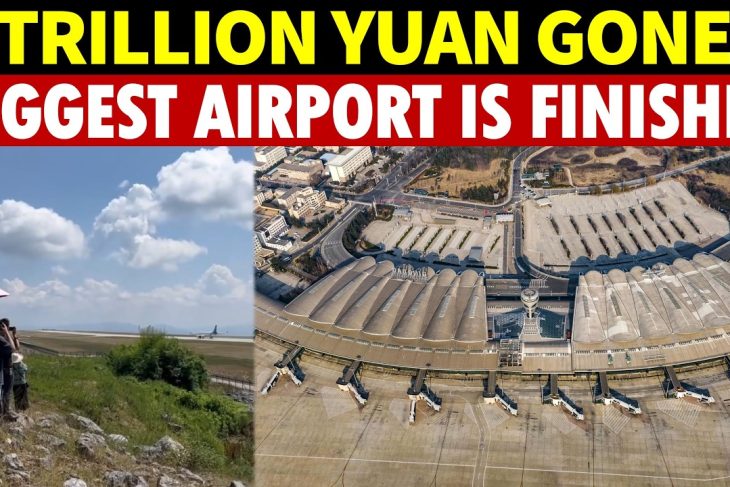
China's public debt is far bigger than the official figures suggest. By the end of 2022, twelve of its thirty-one provinces were already spending more than their entire revenue on debt payments, and today the provinces devote, on average, six out of every ten yuan they collect in taxes to servicing their debts.

Since the 1994 tax reform, local governments have collected less while spending more. To fill the gap, they set up local government financing vehicles that borrowed against ever-rising land values. It was a pyramid scheme, and it collapsed when the property bubble burst.

Now Beijing is rescuing them with a ten-trillion-yuan debt swap, but in exchange it is taking control of their finances. That threatens the competition between provinces that made China rich, and the bill will end up with Chinese households, who keep saving instead of spending.

Check out our previous videos! ⬇️

🔴Why Are Japanese Companies Dead?

🔴Why Are Muslim Countries Poorer?

🔴Why Are Big Companies Fleeing China?

Source: VisualEconomik EN

Author

YNOT — Two Tigers Consulting From Building Bridges to Watching China About 15 years ago, I founded a small company called Two Tigers Consulting with a relatively simple idea: help American and Chinese businesses work together. At the time, China represented one of the greatest business opportunities in the world — a rapidly expanding economy, extraordinary manufacturing capabilities, and ambitious entrepreneurs eager to build relationships with American companies. Two Tigers Consulting was created to help bridge that gap. For a while, it worked. We attended trade shows, arranged meetings, and introduced companies across both cultures. But after one particularly promising trade show, several Chinese businesspeople we had met were reportedly arrested upon returning to China — apparently for traveling without proper authorization. That experience taught me something important: in China, being a successful entrepreneur doesn't necessarily mean being free to conduct business. As Xi Jinping consolidated power and the political environment shifted, we concluded the potential rewards of doing business in China no longer justified the risks. Rather than abandon our knowledge entirely, Two Tigers evolved into a platform for following, discussing, and analyzing developments inside China — its economy, political leadership, and increasingly complicated relationship with the United States. I want to make absolutely clear that I have tremendous respect for the Chinese people — their entrepreneurs, engineers, and workers are extraordinarily capable. But I also believe China's political system creates fundamental contradictions: enormous private fortunes can be accumulated, yet ultimate political authority remains firmly concentrated, making relationships based on mutual trust and predictable rules extremely difficult to sustain. Today, Two Tigers is an independent publication examining China's achievements, challenges, ambitions, and contradictions — where they intersect with the United States and the broader world. What began as a small business venture now attracts roughly 10,000 visits a day. Understanding China is no longer optional: what happens there affects businesses, economies, and people throughout the world. And that is why Two Tigers continues.

Leave a Reply

Your email address will not be published. Required fields are marked *

Quantum24 Network