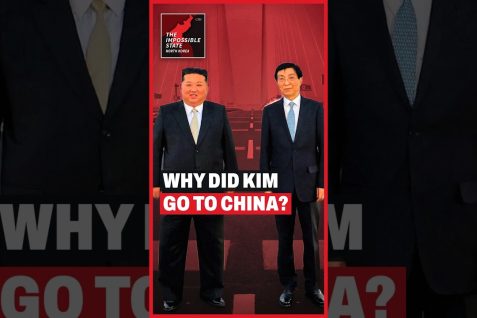
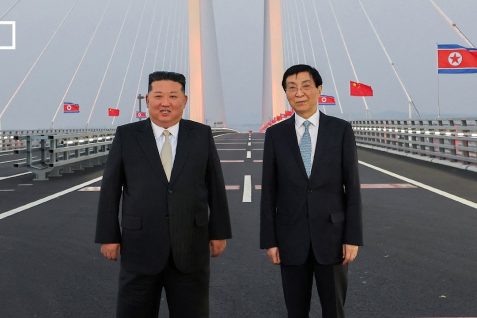
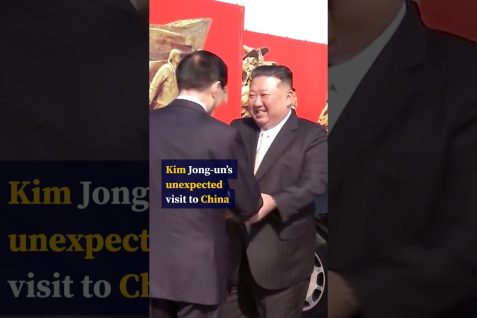
Kim Jong Un made a surprise one-day trip to China on October 24, crossing the New Yalu River Bridge into Dandong. Former U.S. national intelligence officer for North Korea Sydney Seiler says it wasn’t about the bridge. It was about three things.
From a live emergency episode of The Impossible State with Victor Cha and Sydney Seiler:
———————————————
A nonpartisan institution, CSIS is the top national security think tank in the world.
Visit to find more of our work as we bring bipartisan solutions to the world’s greatest challenges.
Kim Jong Un made a surprise one-day trip to China on October 24, crossing the New Yalu River Bridge into Dandong. Former U.S. national intelligence officer for North Korea Sydney Seiler says it wasn’t about the bridge. It was about three things.
From a live emergency episode of The Impossible State with Victor Cha and Sydney Seiler:
———————————————
A nonpartisan institution, CSIS is the top national security think tank in the world.
Visit to find more of our work as we bring bipartisan solutions to the world's greatest challenges.
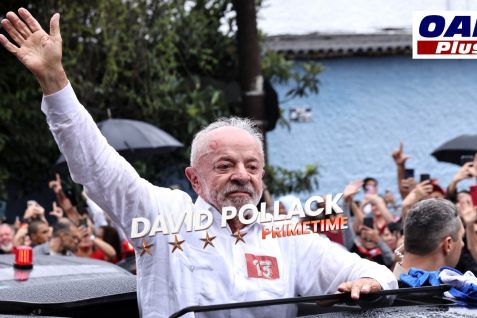
Former New York Congressman George Santos joins David Pollack on David Pollack Primetime to discuss Brazil’s presidential election, China’s growing influence in the region, and the potential implications for U.S. national security.
Santos argues that Americans should pay close attention to Brazil’s political direction and urges voters to remain engaged ahead of the U.S. midterm elections.
Join this channel to get access to OAN Live & perks:
Watch the full podcast!
Like in many communist countries, China doesn’t let people succeed on their own merits, they have to make sacrifices to the power that be—including making the ultimate sacrifice.
Join our fight to expose the CCP at and get ALL the new full-length interviews!
And check out our other channel, China Uncensored:
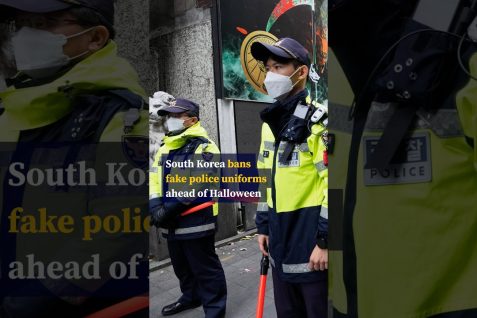
This Thursday marks the fourth anniversary of Seoul’s Halloween crowd crush, a tragedy in which rescue efforts were reportedly delayed because party-goers wearing police uniforms caused confusion. The disaster, which left more than 150 people dead, prompted South Korean police to launch a nationwide crackdown on imitation police uniforms and equipment sold online and in local costume shops.
This Thursday marks the fourth anniversary of Seoul’s Halloween crowd crush, a tragedy in which rescue efforts were reportedly delayed because party-goers wearing police uniforms caused confusion. The disaster, which left more than 150 people dead, prompted South Korean police to launch a nationwide crackdown on imitation police uniforms and equipment sold online and in local costume shops.
Chinese exports are surging into Europe, threatening carmakers, manufacturers and 100,000s of jobs. Germany and France are responding with a new “Made in Europe” strategy, tariffs and even a proposed trade “kill switch.” Is this the start of a new trade war between Europe and China?
Chinese exports are surging into Europe, threatening carmakers, manufacturers and 100,000s of jobs. Germany and France are responding with a new "Made in Europe" strategy, tariffs and even a proposed trade "kill switch." Is this the start of a new trade war between Europe and China?
Video filmed by this vlogger in Zhenru shows just how deserted the buildings are. Few people can be seen in the wide hallways or elevator lobbies. Across the street, the lights are dim, with almost no sign of office activity. This landmark complex, about 660 to 755 feet (200 to 230 meters) tall, was once expected to become a new business hub for Putuo District and western Shanghai. But within just a few years, the excitement surrounding its launch has given way to silence.
Video filmed by this vlogger in Zhenru shows just how deserted the buildings are. Few people can be seen in the wide hallways or elevator lobbies. Across the street, the lights are dim, with almost no sign of office activity. This landmark complex, about 660 to 755 feet (200 to 230 meters) tall, was once expected to become a new business hub for Putuo District and western Shanghai. But within just a few years, the excitement surrounding its launch has given way to silence.
North Korean state TV station KCTV released an 18-minute video featuring Kim Jong-un’s previously unannounced visit to the Chinese border city of Dandong on Saturday. The report repeatedly stressed the importance of the China-North Korea relationship, describing the bilateral tie as “invincible”.
North Korean television devoted an 18-minute report to a trip its leader was never announced to be taking. KCTV’s broadcast showed Kim Jong Un’s previously unannounced visit on Saturday, October 24, to Dandong, the Chinese city that sits across the Yalu River from North Korea’s Sinuiju. The report stressed the China–North Korea relationship again and again, describing the bilateral tie as “invincible.” State media in Pyongyang called the bond “unbreakable” — a relationship, in Kim’s own quoted words, sealed by blood.
The visit itself was over almost as soon as it was revealed. Kim crossed into China by road, toured a Korean War memorial, met senior Chinese officials, and returned home the same day, with North Korean state media confirming the trip only on Sunday. There was no meeting with Xi Jinping, no joint statement, and no new agreement announced. Yet analysts who follow North Korea closely say the combination of the trip’s purpose, its brevity, and its staging makes it one of the more revealing pieces of diplomacy Pyongyang has performed this year.
A Bridge Twelve Years in the Making
Start with the route, because the route was part of the message. Kim crossed into Dandong over a newly opened bridge linking the Chinese city with Sinuiju — a bridge completed back in October 2014 that sat unused for roughly twelve years before finally opening on October 15, days before his visit. It was the first time Kim himself had crossed it. Infrastructure like that is built for trucks and trade, not ceremony, so sending the leader across it in person was a deliberate signal. Reuters reported that the quick trip symbolized a push by Beijing and Pyongyang to expand the trade ties on which North Korea’s economy overwhelmingly depends.
China is North Korea’s biggest international backer and trading partner by an enormous margin. Nearly all of Pyongyang’s legitimate commerce, and much of what keeps its sanctions-strained economy functioning, moves through crossings like Dandong. A leader-level visit that blesses a new trade artery therefore carries economic weight beyond its symbolism. It tells officials on both sides of the river that the relationship’s practical machinery — customs, commerce, transport — has the top man’s attention. For a border city whose fortunes rise and fall with that traffic, the signal was unmistakable.
Honoring the Volunteers of 1950
The occasion for the trip was commemoration. Kim traveled a day ahead of the 76th anniversary of the Chinese People’s Volunteers entering the Korean War in October 1950, when China’s intervention saved the North Korean state from collapse. Guided by Wang Huning, the fourth-highest-ranking official in the Chinese Communist Party, Kim paid tribute at the Monument to Resisting America and Aiding Korea and toured the memorial hall dedicated to that war. His delegation was heavyweight: his sister Kim Yo Jong and Foreign Minister Choe Son Hui accompanied him, and Chinese Foreign Minister Wang Yi was among those receiving him.
KCNA quoted Kim saying the North Korean people would “forever remember the glorious years of fighting alongside the Chinese people” and would pass down “generational gratitude to the Chinese people who helped our revolution with blood.” The word “blood” did a great deal of work in that sentence. As 38 North’s Rachel Minyoung Lee noted in her analysis of the trip, Pyongyang had conspicuously avoided “blood-forged” language during the 65th anniversary of the bilateral friendship treaty in July, and kept its messaging similarly restrained the following month. Its return now, repeated and emphasized, appears to be a chosen escalation of warmth.
What the Trip Did Not Include
Equally instructive is what did not happen. Kim and Xi had agreed in June to jointly preserve memorials honoring fallen Chinese soldiers and to promote their shared wartime history, but that agreement did not commit Kim to attending any particular anniversary event. Last year, for the 75th anniversary — a milestone year, traditionally given special weight — Kim marked the occasion at a cemetery for fallen Chinese soldiers inside North Korea, in South Phyongan Province. This year he went to China instead, a step up in deference that Beijing will have registered. Yet he did not travel on to the capital, and there was no summit with Xi.
That calibration fits the pattern analysts describe: this visit highlighted historical solidarity rather than contemporary cooperation, and offered no indication of an opening to Washington. The timing adds another layer. The trip came ahead of a visit to the region by U.S. President Donald Trump next month, and while Pyongyang has spent two years deepening military ties with Russia, it is simultaneously re-investing in its oldest relationship. Beijing, for its part, received the tribute on its own soil, hosted by a Politburo Standing Committee member, without having to offer a summit in return.
How State Media Framed It at Home
The KCTV report — the video at the top of this story — is the domestic half of the performance. Eighteen minutes is a substantial commitment of airtime, and the framing was pure relationship: the tie described as “invincible,” the shared war presented as the foundation of everything that followed. For North Korean viewers, the message is that their country is not isolated; it stands beside the region’s great power, bound by sacrifice. For foreign analysts, every such broadcast is also a text to be parsed, because North Korean media language is chosen centrally and changes in wording are rarely accidental.
Read that way, the Dandong trip was a compact, carefully priced gesture. It cost Kim a single day, required no summit and no concessions, and yet it reopened a bridge, honored China’s founding wartime myth, and revived the vocabulary of a blood-sealed alliance at a moment when both capitals want the relationship visibly warm. Whether trade actually expands across that bridge in the months ahead will say more than any broadcast. But as a piece of signaling — to Beijing, to Washington, and to his own people — the surprise visit did exactly the work it was designed to do.
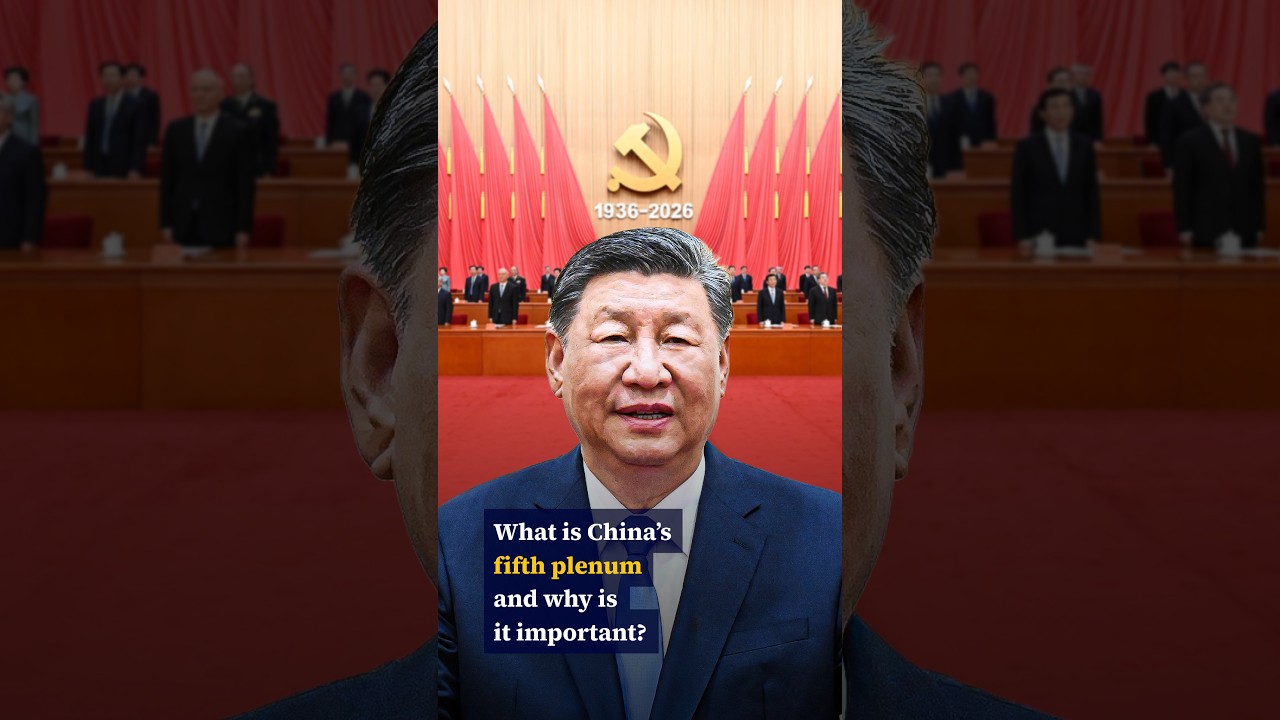
The fifth plenum of the Communist Party’s 20th Central Committee began in Beijing on Monday, according to state news agency Xinhua. Discussions are expected to focus on internal party governance, discipline and political loyalty, with the outcomes to be released in a plenum communique on Thursday, the closing day of the event.
Behind closed doors in Beijing this week, roughly 300 of the most powerful people in China are holding one of the most consequential meetings of the political calendar. The fifth plenum of the Communist Party’s 20th Central Committee opened on Monday, October 26, and runs through Thursday, October 29. It is the fifth full gathering of the Central Committee elected at the 20th Party Congress in 2022. State news agency Xinhua announced the session months ago, back in July, but what happens inside it will shape the party that rules the world’s second-largest economy for years to come.
Unlike a parliament, the Central Committee does not debate in public or vote on camera. Its plenums are where the leadership aligns the vast party and state apparatus behind decisions that have usually been drafted in advance by the Politburo. The formal output is typically a short communique, expected when the session closes on Thursday, followed days later by a fuller decision document. For anyone trying to understand where China is heading — its economy, its military, its relations with Washington — these meetings are among the few fixed points where real signals are sent.
A Plenum About the Party Itself
The headline agenda this time is not the economy. According to Xinhua, the session’s main business is a draft decision on advancing “full and rigorous self-governance” of the party, alongside a work report from the Politburo. In plain terms, the meeting is about discipline: internal party governance, supervision of officials, political loyalty, and the rules that govern how cadres behave, spend, and advance. Xi Jinping personally briefed the opening session on the draft document, Xinhua reported. The emphasis, in the agency’s words, is that major decisions of the Central Committee “must not be empty rhetoric.”
That focus marks a change from the usual script. Fifth plenums have traditionally been where the party adopts recommendations for its next five-year economic plan. That work, however, was already done a year early: the fourth plenum, in October 2025, approved the recommendations for the 15th Five-Year Plan covering 2026 to 2030. With the economic framework settled, this session turns inward. The subject is the party’s own machinery — and whether it can be tightened further before the next leadership reshuffle.
The Anti-Corruption Campaign at the Center
Running through the agenda is Xi’s signature anti-corruption campaign, now well into its second decade. Since he took power, millions of people inside China’s bureaucracy have been investigated to varying degrees, and hundreds of senior officials and top generals have been purged — including figures once considered Xi’s own allies. The campaign has reached deep into the armed forces, where a string of senior officers has fallen in the past two years. The party portrays this as necessary renewal, describing a military that must be “forged anew.” Critics argue the purges are destabilizing and have thinned experienced command ranks.
The human arithmetic of the campaign is visible in this week’s attendance. Reporting by AFP, carried by CNA, counts eight Central Committee seats already vacant and another fifteen members under investigation and at risk of replacement. That is why analysts expect this plenum’s turnout to be the lowest at such a meeting since Mao Zedong died in 1976. A gathering meant to project unity and control will therefore also quietly document how far the discipline drive has cut into the party’s own top ranks. Expulsions and replacement appointments, if any are made, will be among the most closely read lines of Thursday’s communique.
One Year Before the Congress That Matters Most
The timing gives the plenum its deeper significance. In roughly a year, the party will hold its 21st National Congress, the once-every-five-years gathering at which the top leadership is formally selected. Xi is widely expected to seek a fourth term as general secretary, extending a rule that has already broken the post-Mao norm of two terms. A plenum devoted to discipline and loyalty, held twelve months before that congress, is a mechanism for clearing the field: aligning cadres, removing the compromised, and signaling that advancement runs through obedience to the center. Analysts describe this week’s session as possibly the last major party gathering before that 2027 reshuffle.
“The plenum will present Xi as in control, and able to continue his command,” Kerry Brown, director of the Lau China Institute at King’s College London, told Reuters ahead of the meeting. Brown added that appearances may matter as much as substance this week, with everything centered on Xi to dispel doubts about his authority. Xi himself set the tone days earlier, using a speech marking the 90th anniversary of the Long March victory on October 22 to call for sustained, strict party governance. The historical echo was deliberate: discipline, in that telling, is what carried the party through its hardest years.
What to Watch When the Communique Lands
For outside observers, the practical questions are narrow and specific. Does the communique announce expulsions of Central Committee members, and are alternate members promoted to fill the vacancies? How far do the new discipline rules reach — into officials’ spending, project approvals, and the military chain of command? Does the language on implementing central decisions hint at friction between Beijing and local governments, a recurring theme as the center presses provinces to execute policy exactly as written? And does anything in the document speak, even indirectly, to the succession positioning already under way for 2027?
Markets, too, will read the text closely, though for a different reason. A party visibly tightening discipline and enforcing predictable implementation can look, to investors, like a bid for policy consistency after years of abrupt regulatory turns. The fuller decision document, expected days after the communique, will carry the operational detail. Until then, the fifth plenum remains what it was designed to be: a room of 300 people deciding, in private, how the party of 100 million members will be run — and who will be running it when the congress convenes next year.
The release Call of Duty, Modern Warfare 4 has taken game enthusiasts by storm with its depiction of a fictional conflict on the Korean peninsula. The latest version of the video game has also reignited discussion over the franchise’s inclusion of graphic and indiscriminate violence.
The release Call of Duty, Modern Warfare 4 has taken game enthusiasts by storm with its depiction of a fictional conflict on the Korean peninsula. The latest version of the video game has also reignited discussion over the franchise’s inclusion of graphic and indiscriminate violence.
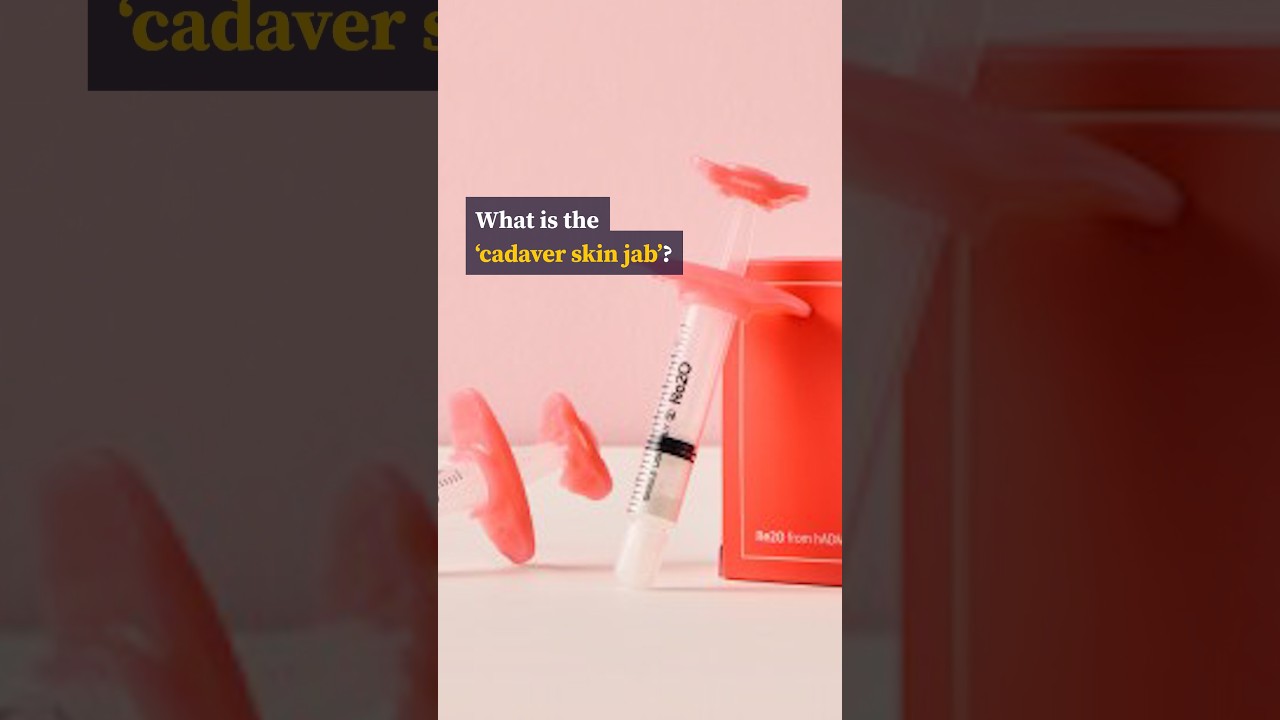
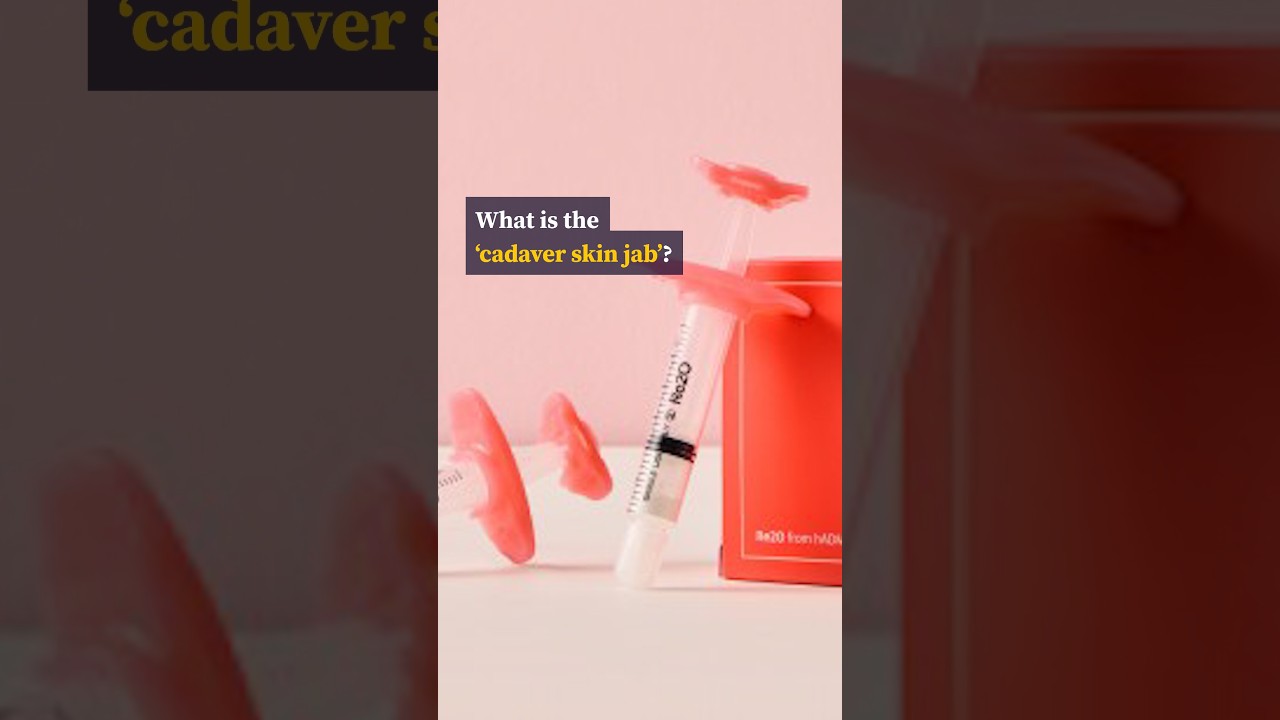
A growing interest among Hong Kong women in an anti-ageing injection containing human tissue has prompted a recent crackdown by health authorities, as the product, widely known in Chinese as the “cadaver skin jab”, has not been registered for use in the city.
A growing interest among Hong Kong women in an anti-ageing injection containing human tissue has prompted a recent crackdown by health authorities, as the product, widely known in Chinese as the “cadaver skin jab”, has not been registered for use in the city.
China’s real estate market has been struggling for years. The CCP recently introduced several major measures to support the market, promising to stabilize housing prices. Yet prices fell in 97 of 100 major cities in September. Homeowners in many areas say the declines have been staggering.
China’s real estate market has been struggling for years. The CCP recently introduced several major measures to support the market, promising to stabilize housing prices. Yet prices fell in 97 of 100 major cities in September. Homeowners in many areas say the declines have been staggering.
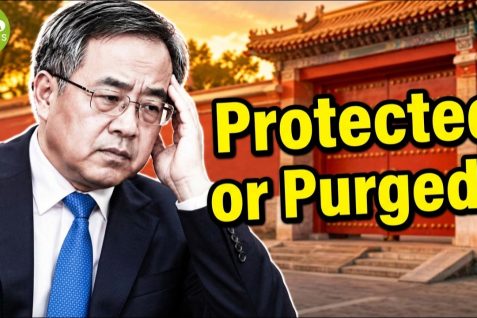
Hu Chunhua was once widely regarded as a possible future leader of China. Today, the former rising star of the Chinese Communist Party is once again at the center of speculation after an unusual absence from a major political event.
Was he sidelined, placed under investigation, or simply absent for health reasons?
Hu’s political journey tells a much bigger story about power and succession in Beijing.
Once associated with former Chinese leader Hu Jintao, Hu Chunhua rose rapidly through the Communist Party’s ranks before suffering a dramatic setback at the 2022 Party Congress. But in recent years, his public appearances, official assignments, and periods of absence have repeatedly fueled speculation about his political future.
In this episode, we examine his rise and fall, the political significance of his recent appearances, and the rumors surrounding his latest absence.
Could Hu Chunhua still have a role in China’s next leadership transition? And what does his uncertain political future reveal about Xi Jinping’s grip on power?
**Note:** Claims that Hu Chunhua has been detained, placed under investigation, or secretly protected remain unverified. An absence from a public event does not, by itself, establish a political purge.
Hu Chunhua was once widely regarded as a possible future leader of China. Today, the former rising star of the Chinese Communist Party is once again at the center of speculation after an unusual absence from a major political event.
Was he sidelined, placed under investigation, or simply absent for health reasons?
Hu's political journey tells a much bigger story about power and succession in Beijing.
Once associated with former Chinese leader Hu Jintao, Hu Chunhua rose rapidly through the Communist Party's ranks before suffering a dramatic setback at the 2022 Party Congress. But in recent years, his public appearances, official assignments, and periods of absence have repeatedly fueled speculation about his political future.
In this episode, we examine his rise and fall, the political significance of his recent appearances, and the rumors surrounding his latest absence.
Could Hu Chunhua still have a role in China's next leadership transition? And what does his uncertain political future reveal about Xi Jinping's grip on power?
**Note:** Claims that Hu Chunhua has been detained, placed under investigation, or secretly protected remain unverified. An absence from a public event does not, by itself, establish a political purge.
A Chinese restaurant owner was stopped and arrested by Immigration and Customs Enforcement, or ICE, on his way to work in New York on October 20. Local media identified him as Dian Zhao Lin. He is being held at an ICE detention facility in Batavia NY.
A Chinese restaurant owner was stopped and arrested by Immigration and Customs Enforcement, or ICE, on his way to work in New York on October 20. Local media identified him as Dian Zhao Lin. He is being held at an ICE detention facility in Batavia NY.
Watch the full podcast!
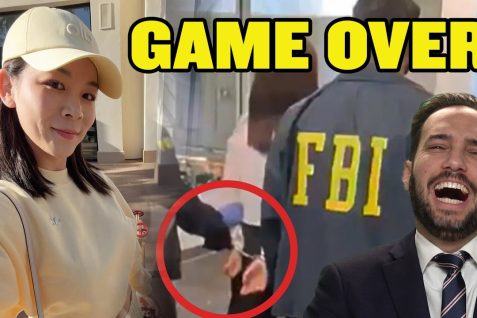
Wanying “Heather” Zhang seemed to have it all – tons of money, a husband, child and a successful career. Then she was arrested for spying for China.
Joining us is Nicholas Eftimiades, a former senior intel officer and author of “Chinese Espionage Operations and Tactics”
Join our fight to expose the CCP at and get ALL the new full-length interviews!
And check out our other channel, China Uncensored:
Watch the full podcast!
Wanying "Heather" Zhang seemed to have it all – tons of money, a husband, child and a successful career. Then she was arrested for spying for China.
Joining us is Nicholas Eftimiades, a former senior intel officer and author of “Chinese Espionage Operations and Tactics”
Join our fight to expose the CCP at and get ALL the new full-length interviews!
And check out our other channel, China Uncensored:
Limited Time: Get your free Tank Man set when you join the 50-Cent Army:
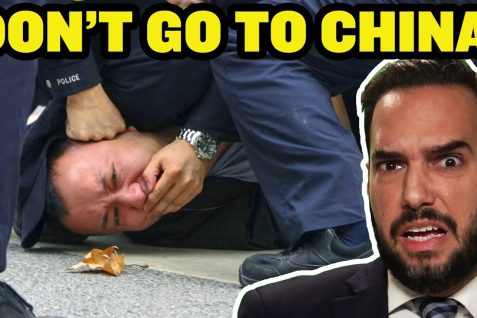
China has just made it legal to kidnap foreigners in China if they obey US law.
New regulations could put foreign companies in a legal Catch-22: investigate forced labor in Chinese supply chains and risk violating Chinese law, or follow Chinese rules and risk breaking Western law. And with China expanding its power to stop people from leaving the country, even a business trip could turn into an unwanted extended stay.
Operation Honey Pot: Paste this emoji 🍯 in your comment below.
Want to go deeper than YouTube will let us? Check out our website:
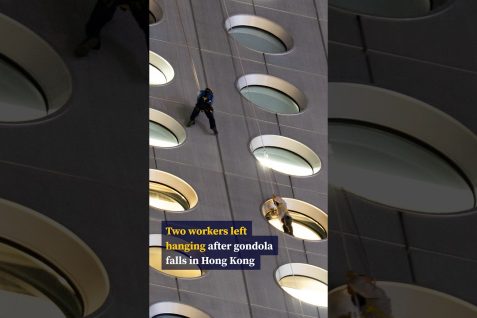
Firefighters rushed to rescue two workers left dangling on safety harnesses more than 30 storeys above ground outside a skyscraper in Hong Kong’s Central district. The incident took place on Monday evening, after their suspended working platform apparently malfunctioned and dropped.
Firefighters rushed to rescue two workers left dangling on safety harnesses more than 30 storeys above ground outside a skyscraper in Hong Kong’s Central district. The incident took place on Monday evening, after their suspended working platform apparently malfunctioned and dropped.
A growing interest among Hong Kong women in an anti-ageing injection containing human tissue has prompted a recent crackdown by health authorities, as the product, widely known in Chinese as the “cadaver skin jab”, has not been registered for use in the city.
A growing interest among Hong Kong women in an anti-ageing injection containing human tissue has prompted a recent crackdown by health authorities, as the product, widely known in Chinese as the “cadaver skin jab”, has not been registered for use in the city.
China’s A-share market has lost 2.4 trillion US dollars in value since its peak in May.
The International Monetary Fund’s 2026 World Economic Outlook projects South Korea’s GDP at 2.25 trillion US dollars this year and Canada’s at 2.49 trillion US dollars. The 2.4 trillion US dollars wiped off Chinese stocks in five months falls between those figures. It is nearly equal to Canada’s entire economy.
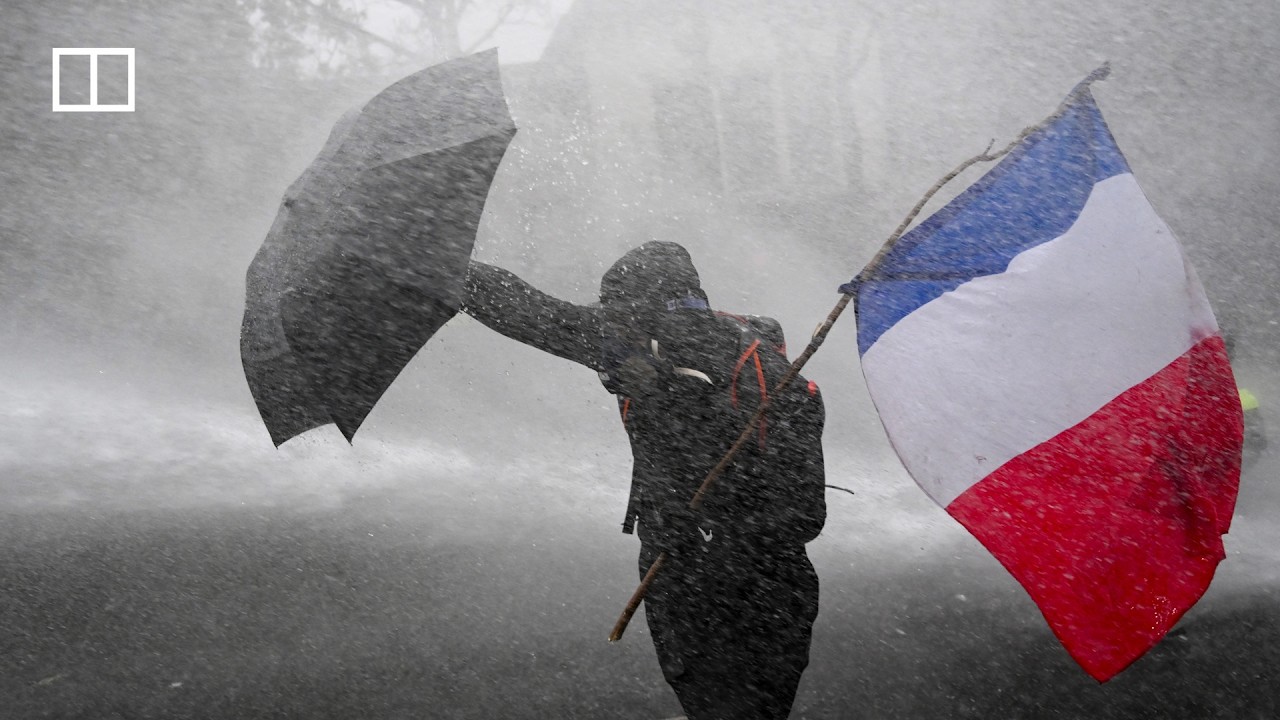
Chinese internet users are commenting on the French protests with a blend of dark humour, national pride and regret over the damage caused to historic landmarks. Some, however, have tried to provide deeper perspectives on how a protest against deteriorating school conditions spiralled into a full-blown social crisis.
Chinese internet users are commenting on the French protests with a blend of dark humour, national pride and regret over the damage caused to historic landmarks. Some, however, have tried to provide deeper perspectives on how a protest against deteriorating school conditions spiralled into a full-blown social crisis.
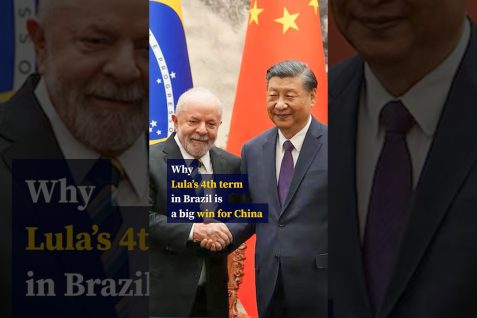
Luiz Inácio Lula da Silva has done it again. The 80-year-old Brazilian president won Sunday’s runoff election with about 51.8 percent of the vote, defeating Senator Flávio Bolsonaro and securing a historic fourth term in office. It is a comeback with no precedent in modern Brazilian democracy: Lula finished second in the first round on October 4 and overturned the result in three weeks. His rival, the eldest son of former president Jair Bolsonaro and a close ally of Donald Trump, says he will not accept the outcome. And in Beijing, officials who never comment on foreign elections have every reason to quietly welcome this one, because no leader in the Americas is more important to China’s long game in the region than Lula.
A Comeback Three Weeks in the Making
The scale of the turnaround is easy to miss in the final margin. In the first round, Flávio Bolsonaro finished ahead with roughly 47 percent of the vote to Lula’s 45 percent, and polls still had the challenger leading by two points the day before the runoff. Between the two rounds, the Workers’ Party candidate added more than ten million votes while his rival gained only a fraction of that. No candidate who lost a first round had gone on to win the presidency since Brazil returned to direct elections in 1989. Turnout surged to help him do it, with abstention falling to 19 percent, the lowest in the country’s history. Lula, who turns 81 within days of the vote, ended what he called the last campaign of his life by making history one more time.
The Loser Refuses to Lose
Flávio Bolsonaro followed his father’s script from 2022 and refused to concede. He blamed a Supreme Court decision, taken by Justice Cristiano Zanin, to extend voting by two hours in parts of the country, and said the uneven application of that measure made the result impossible to recognize. His team promised legal action to have the election annulled, a challenge Brazil’s electoral court is widely expected to reject. The defeated candidate had spent the campaign advertising his closeness to the Trump administration and suggesting constitutional changes were within reach. Instead, the Bolsonaro movement has now lost two straight presidential elections to the same man. The legal fight will dominate Brazilian headlines for weeks, but few observers expect it to change who governs in Brasília.
Washington Backed the Other Horse
The result is a direct setback for the White House’s Latin America strategy. Over the past year, Washington has openly favored conservative candidates across the hemisphere, building a string of allied governments in countries including Bolivia, Chile, Colombia, Ecuador, Honduras and Peru. Brazil, the region’s largest economy, was the biggest prize of all, and Flávio Bolsonaro campaigned as the candidate who would bring it into that orbit. Lula accused the American government of intervening to help his opponent, and he turned sovereignty into his closing argument. “This country doesn’t accept being anybody’s colony,” he told supporters on election night. Mexico’s President Claudia Sheinbaum rushed to congratulate him, while Donald Trump and Argentina’s Javier Milei stayed publicly silent.
Why Beijing Wins Without Campaigning
China did not endorse anyone in Brazil’s election, because it did not need to. China has been Brazil’s largest trading partner for well over a decade, buying vast quantities of Brazilian soy, iron ore, beef and oil, and Lula has spent his presidency deepening that relationship through the BRICS bloc and state visits. A Bolsonaro government in Brasília, aligned with Washington’s push to sideline Beijing from the hemisphere, would have put that trade under political pressure for the first time. Lula’s victory removes the risk entirely for another four years. French analysts described Washington’s regional doctrine as an effort to push China out of America’s backyard, and Brazil was its central battleground. The backyard’s biggest country just voted to keep both doors open, and the trade numbers say the Chinese door is the wider one.
What a Fourth Lula Term Means
Lula inherits the problems that nearly ended his presidency in the first round. Voters ranked the cost of living, crime and corruption above everything else, and affordability anger powered Bolsonaro’s early lead. The president promised on election night to govern differently, giving ordinary people a greater role in decisions and working with a conservative-leaning Congress he does not control. His room for manoeuvre is narrow: public finances are stretched, the currency and markets will punish missteps, and his own age shadows every long-term plan. He also returns to a region where most of his neighbours now lean right and look to Washington. How he balances a friendly Beijing, a hostile White House and an impatient electorate will define the term.
The Bigger Picture for the US-China Contest
Elections like this one are where the US-China rivalry is actually decided, far from the warships and tariff schedules. Brazil did not vote for China on Sunday; it voted on prices, safety and sovereignty, and the pro-China outcome arrived as a by-product. That is precisely what makes the result durable, because it rests on trade and sentiment rather than on any deal a future government could tear up. Washington can still compete in Latin America, but Brazil shows the cost of being seen to pick another country’s president. For Beijing, the lesson of Lula’s fourth term is the oldest one in its playbook. Show up as a customer, stay out of the campaign, and let the voters do the rest.
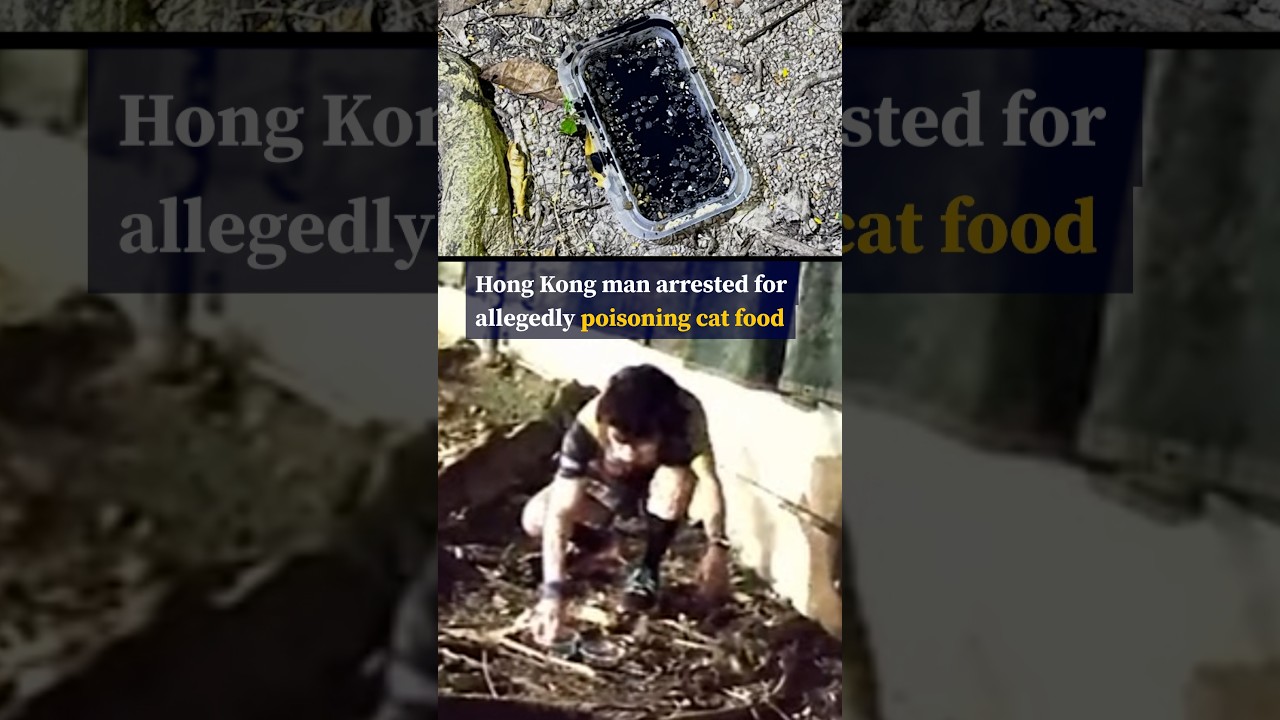
Police have arrested a 34-year-old man for allegedly mixing rat poison into food left for stray cats in a Hong Kong park. Animal welfare volunteers had confronted the man following a two-month sting operation using hidden cameras. Officers who arrested the man said they seized a packet of suspected rat poison and a 14cm (5.5 inches) fruit knife at the scene.
Police have arrested a 34-year-old man for allegedly mixing rat poison into food left for stray cats in a Hong Kong park. Animal welfare volunteers had confronted the man following a two-month sting operation using hidden cameras. Officers who arrested the man said they seized a packet of suspected rat poison and a 14cm (5.5 inches) fruit knife at the scene.
There’s an old joke: protect yourself from fires, thieves, and even your best friends. These days, that joke seems all too real. Some older single women see friends with similar backgrounds marry into wealth and enjoy comfortable lives. Jealousy can overwhelm their sense of right and wrong, and even close friendships fall apart over the competition for money and status.
There’s an old joke: protect yourself from fires, thieves, and even your best friends. These days, that joke seems all too real. Some older single women see friends with similar backgrounds marry into wealth and enjoy comfortable lives. Jealousy can overwhelm their sense of right and wrong, and even close friendships fall apart over the competition for money and status.
A new poll suggests a dramatic shift in Taipei’s mayoral race: challenger Puma Shen is leading incumbent Mayor Chiang Wan-an by 17 percentage points.
But the bigger story may be how Shen is running his campaign.
Instead of relying solely on traditional speeches and campaign promises, Shen’s team collected more than 60,000 public comments, held face-to-face discussions with residents, and transformed their concerns into a remarkable interactive platform called HEART Island.
The platform turns 94 policy proposals into a virtual city that voters can explore—covering everything from school lunches and public transportation to neighborhood safety and government services.
Could this approach reshape political campaigning in Taiwan?
In this episode, we examine the surprising polling numbers, the story behind HEART Island, Shen’s grassroots campaign strategy, and the challenges facing Taipei’s incumbent mayor.
We also look at how Beijing’s criticism and the approaching mayoral debate could influence the final weeks of the election.
**Note:** Poll results vary by organization and methodology. A lead in one survey does not guarantee an election victory.
A new poll suggests a dramatic shift in Taipei's mayoral race: challenger Puma Shen is leading incumbent Mayor Chiang Wan-an by 17 percentage points.
But the bigger story may be how Shen is running his campaign.
Instead of relying solely on traditional speeches and campaign promises, Shen's team collected more than 60,000 public comments, held face-to-face discussions with residents, and transformed their concerns into a remarkable interactive platform called HEART Island.
The platform turns 94 policy proposals into a virtual city that voters can explore—covering everything from school lunches and public transportation to neighborhood safety and government services.
Could this approach reshape political campaigning in Taiwan?
In this episode, we examine the surprising polling numbers, the story behind HEART Island, Shen's grassroots campaign strategy, and the challenges facing Taipei's incumbent mayor.
We also look at how Beijing's criticism and the approaching mayoral debate could influence the final weeks of the election.
**Note:** Poll results vary by organization and methodology. A lead in one survey does not guarantee an election victory.
Limited Time: Get your free Tank Man set when you join the 50-Cent Army:
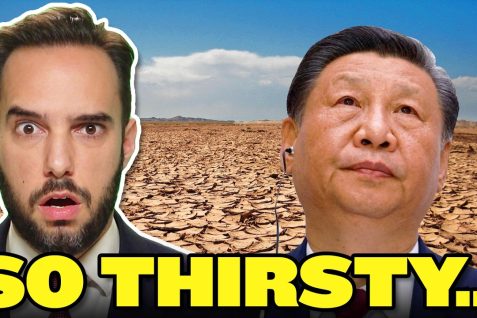
China wants to beat America in the AI race—but its data centers have a serious problem: they need water, and China is running short.
Operation Honey Pot: Paste this emoji 🍯 in your comment below.
Want to go deeper than YouTube will let us? Check out our website:
Apple’s first foldable phone, the iPhone Duo, went on sale in China on October 23. Strong demand sparked a rush to line up outside stores. Many customers arrived two days early just to get the new phone as soon as possible.
Apple’s first foldable phone, the iPhone Duo, went on sale in China on October 23. Strong demand sparked a rush to line up outside stores. Many customers arrived two days early just to get the new phone as soon as possible.
North Korean leader Kim Jong-un visited the Chinese border city of Dandong on Saturday, with both sides underlining their traditional friendship and calling to boost cooperation. The trip was Kim’s first visit to China in more than a year and had not been announced in advance.
North Korean leader Kim Jong-un visited the Chinese border city of Dandong on Saturday, with both sides underlining their traditional friendship and calling to boost cooperation. The trip was Kim’s first visit to China in more than a year and had not been announced in advance.
One person was killed and 616 others were injured as Typhoon Champi hit Taiwan on Saturday, according to its official news agency. The storm uprooted trees and severed power in some parts of the island. Officials estimate the storm caused US$4.2 million in agricultural losses. After moving past the island, Typhoon Champi continued towards Japan and eastern mainland China.
One person was killed and 616 others were injured as Typhoon Champi hit Taiwan on Saturday, according to its official news agency. The storm uprooted trees and severed power in some parts of the island. Officials estimate the storm caused US$4.2 million in agricultural losses. After moving past the island, Typhoon Champi continued towards Japan and eastern mainland China.
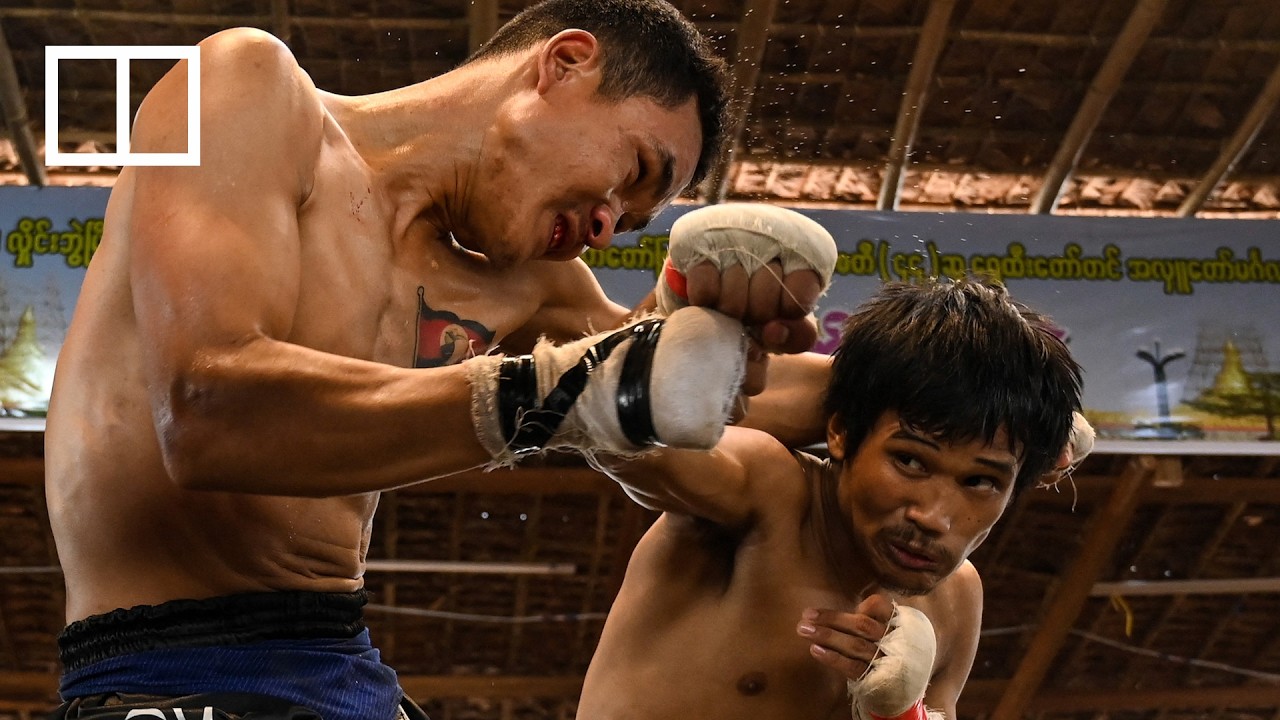
In Myanmar, a country consumed by conflict, one sport defined by brutality dominates. Considered too dangerous even for the Ultimate Fighting Championship (UFC), lethwei is a martial art where headbutts are encouraged and knockout blows are the aim of the game.
In Myanmar, a country consumed by conflict, one sport defined by brutality dominates. Considered too dangerous even for the Ultimate Fighting Championship (UFC), lethwei is a martial art where headbutts are encouraged and knockout blows are the aim of the game.