• TwoTigers24, New York
  • November 20, 2026

0 Comments

In partnership with: HKUST

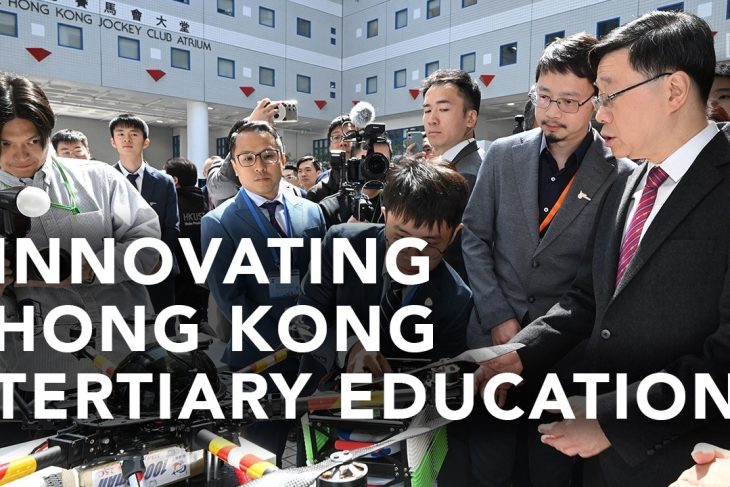
Although Hong Kong was globally famous as a successful trade and finance hub, it was not known for scientific research. But that started to change 35 years ago, when US-educated physicist Woo Chia-wei founded the Hong Kong University of Science and Technology (HKUST) with a vision of the city propelling the region’s transformation into an innovation hub.

After nurturing more than 2,000 start-ups, including 11 unicorns, and seven world-class InnoHK research centres spanning neuroscience, AI chips and space robotics, HKUST is now preparing to run the city’s third medical school.

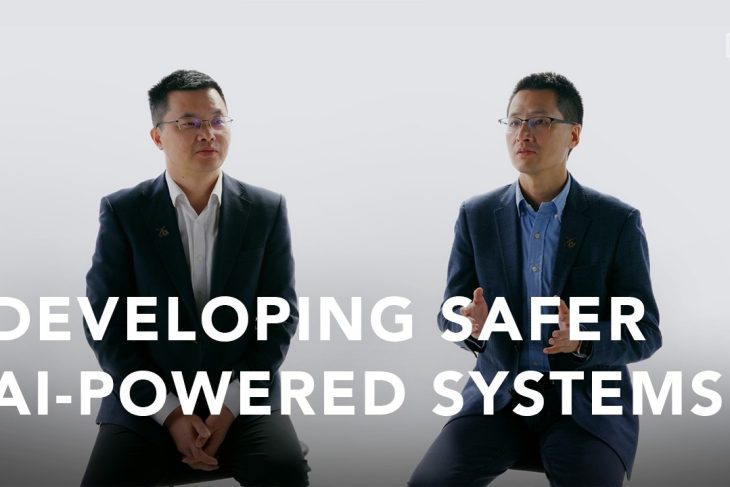
Carrying that founding vision forward are HKUST’s president, Professor Nancy Ip, and the university council’s chairman, Professor Harry Shum. Hear from them as they reflect on 35 years of growth from a single campus to an “innovation corridor” that now stretches through Hong Kong’s Northern Metropolis mega development and across the border into Shenzhen, Guangzhou and beyond.

Source: South China Morning Post
Author

YNOT — Two Tigers Consulting From Building Bridges to Watching China About 15 years ago, I founded a small company called Two Tigers Consulting with a relatively simple idea: help American and Chinese businesses work together. At the time, China represented one of the greatest business opportunities in the world — a rapidly expanding economy, extraordinary manufacturing capabilities, and ambitious entrepreneurs eager to build relationships with American companies. Two Tigers Consulting was created to help bridge that gap. For a while, it worked. We attended trade shows, arranged meetings, and introduced companies across both cultures. But after one particularly promising trade show, several Chinese businesspeople we had met were reportedly arrested upon returning to China — apparently for traveling without proper authorization. That experience taught me something important: in China, being a successful entrepreneur doesn't necessarily mean being free to conduct business. As Xi Jinping consolidated power and the political environment shifted, we concluded the potential rewards of doing business in China no longer justified the risks. Rather than abandon our knowledge entirely, Two Tigers evolved into a platform for following, discussing, and analyzing developments inside China — its economy, political leadership, and increasingly complicated relationship with the United States. I want to make absolutely clear that I have tremendous respect for the Chinese people — their entrepreneurs, engineers, and workers are extraordinarily capable. But I also believe China's political system creates fundamental contradictions: enormous private fortunes can be accumulated, yet ultimate political authority remains firmly concentrated, making relationships based on mutual trust and predictable rules extremely difficult to sustain. Today, Two Tigers is an independent publication examining China's achievements, challenges, ambitions, and contradictions — where they intersect with the United States and the broader world. What began as a small business venture now attracts roughly 10,000 visits a day. Understanding China is no longer optional: what happens there affects businesses, economies, and people throughout the world. And that is why Two Tigers continues.

Leave a Reply

Your email address will not be published. Required fields are marked *

Quantum24 Network