• TwoTigers24, New York
  • November 5, 2026

0 Comments

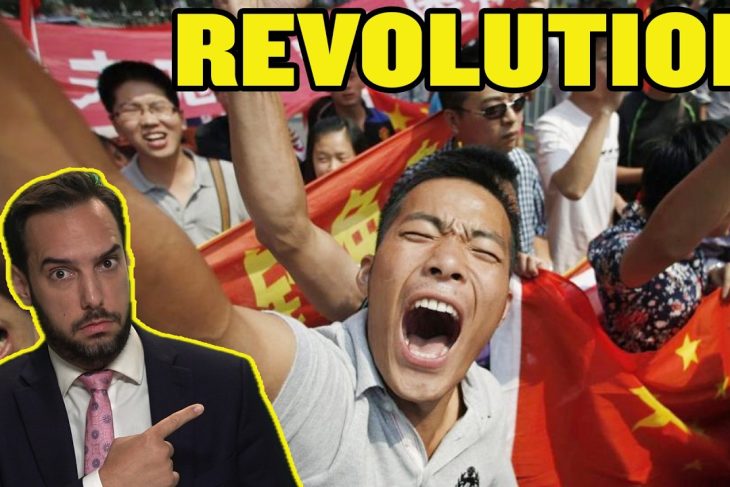
Democrats won a major victory in the U.S. midterm elections, giving them control of both the House and the Senate. What could this mean for U.S.–China relations? And how might it affect Taiwan? Do you have Chinese stocks in your portfolio? You may not know what you’re actually investing in—or what Chinese companies are concealing from American investors. A multibillion-dollar artificial intelligence (AI) deal between a U.S. tech giant and a Chinese company has been called off. Oracle scrapped its $7 billion deal with Tencent under pressure from the U.S. government. China is expanding its dominance in another key sector, potentially gaining a powerful new source of leverage in its competition with the West. 00:00 Intro 01:06 How US Midterms Affect U.S.–China Relations 04:51 China Hides Key Information From Foreign Investors 06:39 Oracle Cancels $7 Billion Chinese Tencent AI Deal 08:17 Chinese Chemical Exports Threaten Foreign Countries 09:19 How China Surveils Tibet, Xinjiang, and Hong Kong 11:27 China Seen Testing New Stealth Technology 12:51 Chinese Information Warfare, Biological Threats, & More 13:15 China Targets State and Local Elections 14:37 Congress Took Years to Close Visa Gap 15:47 China’s Growth Rate Is Near Zero: Expert 18:08 China Hides True Trade Figures: Expert

Source: How US Midterms Affect US – China Relations | China in Focus
Author

YNOT — Two Tigers Consulting From Building Bridges to Watching China About 15 years ago, I founded a small company called Two Tigers Consulting with a relatively simple idea: help American and Chinese businesses work together. At the time, China represented one of the greatest business opportunities in the world — a rapidly expanding economy, extraordinary manufacturing capabilities, and ambitious entrepreneurs eager to build relationships with American companies. Two Tigers Consulting was created to help bridge that gap. For a while, it worked. We attended trade shows, arranged meetings, and introduced companies across both cultures. But after one particularly promising trade show, several Chinese businesspeople we had met were reportedly arrested upon returning to China — apparently for traveling without proper authorization. That experience taught me something important: in China, being a successful entrepreneur doesn't necessarily mean being free to conduct business. As Xi Jinping consolidated power and the political environment shifted, we concluded the potential rewards of doing business in China no longer justified the risks. Rather than abandon our knowledge entirely, Two Tigers evolved into a platform for following, discussing, and analyzing developments inside China — its economy, political leadership, and increasingly complicated relationship with the United States. I want to make absolutely clear that I have tremendous respect for the Chinese people — their entrepreneurs, engineers, and workers are extraordinarily capable. But I also believe China's political system creates fundamental contradictions: enormous private fortunes can be accumulated, yet ultimate political authority remains firmly concentrated, making relationships based on mutual trust and predictable rules extremely difficult to sustain. Today, Two Tigers is an independent publication examining China's achievements, challenges, ambitions, and contradictions — where they intersect with the United States and the broader world. What began as a small business venture now attracts roughly 10,000 visits a day. Understanding China is no longer optional: what happens there affects businesses, economies, and people throughout the world. And that is why Two Tigers continues.

Leave a Reply

Your email address will not be published. Required fields are marked *

Quantum24 Network