• TwoTigers24, New York
  • November 29, 2026

0 Comments

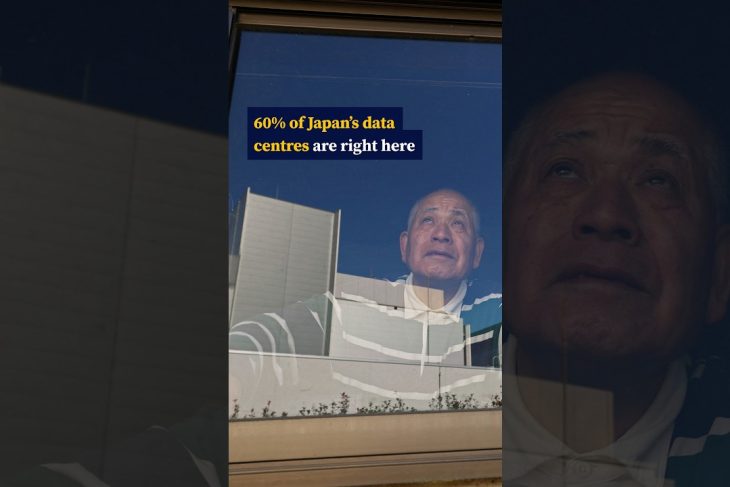
Japan says it plans to deploy surface-to-air missiles on Yonaguni Island by 2030, just 110 kilometers from Taiwan. TaiwanPlus spoke to Professor Tsai Hsi-hsun from Tamkang University for more on what this could mean moving forward.

Source: Analysis: Japan To Deploy Missiles on Nearest Island to Taiwan by 2030|TaiwanPlus News

Summary

Japan has announced plans to deploy surface-to-air missiles on Yonaguni Island by the year 2030. This location is situated approximately 110 kilometers from Taiwan, placing it in close proximity to the island nation. The report highlights this strategic development as a significant move that could influence regional security dynamics in the coming years. To provide further context regarding the implications of this deployment, TaiwanPlus News interviewed Professor Tsai Hsi-hsun from Tamkang University. The discussion aims to explore what these changes might mean for future interactions and stability in the area. Produced by reporters Kris Ma and Lery Hiciano, this segment is part of TaiwanPlus News coverage which focuses on local issues as well as global events affecting the region. The channel presents a unique perspective on world affairs, offering viewers insights into how such military adjustments could shape the geopolitical landscape between Japan, Taiwan, and their neighbors. This overview relies solely on the provided information without adding external details or interpretations beyond what was reported.


Watch “Analysis: Japan To Deploy Missiles on Nearest Island to Taiwan by 2030|TaiwanPlus News” on YouTube

Author

YNOT — Two Tigers Consulting From Building Bridges to Watching China About 15 years ago, I founded a small company called Two Tigers Consulting with a relatively simple idea: help American and Chinese businesses work together. At the time, China represented one of the greatest business opportunities in the world — a rapidly expanding economy, extraordinary manufacturing capabilities, and ambitious entrepreneurs eager to build relationships with American companies. Two Tigers Consulting was created to help bridge that gap. For a while, it worked. We attended trade shows, arranged meetings, and introduced companies across both cultures. But after one particularly promising trade show, several Chinese businesspeople we had met were reportedly arrested upon returning to China — apparently for traveling without proper authorization. That experience taught me something important: in China, being a successful entrepreneur doesn't necessarily mean being free to conduct business. As Xi Jinping consolidated power and the political environment shifted, we concluded the potential rewards of doing business in China no longer justified the risks. Rather than abandon our knowledge entirely, Two Tigers evolved into a platform for following, discussing, and analyzing developments inside China — its economy, political leadership, and increasingly complicated relationship with the United States. I want to make absolutely clear that I have tremendous respect for the Chinese people — their entrepreneurs, engineers, and workers are extraordinarily capable. But I also believe China's political system creates fundamental contradictions: enormous private fortunes can be accumulated, yet ultimate political authority remains firmly concentrated, making relationships based on mutual trust and predictable rules extremely difficult to sustain. Today, Two Tigers is an independent publication examining China's achievements, challenges, ambitions, and contradictions — where they intersect with the United States and the broader world. What began as a small business venture now attracts roughly 10,000 visits a day. Understanding China is no longer optional: what happens there affects businesses, economies, and people throughout the world. And that is why Two Tigers continues.

Leave a Reply

Your email address will not be published. Required fields are marked *

Quantum24 Network