• TwoTigers24, New York
  • November 29, 2026

0 Comments

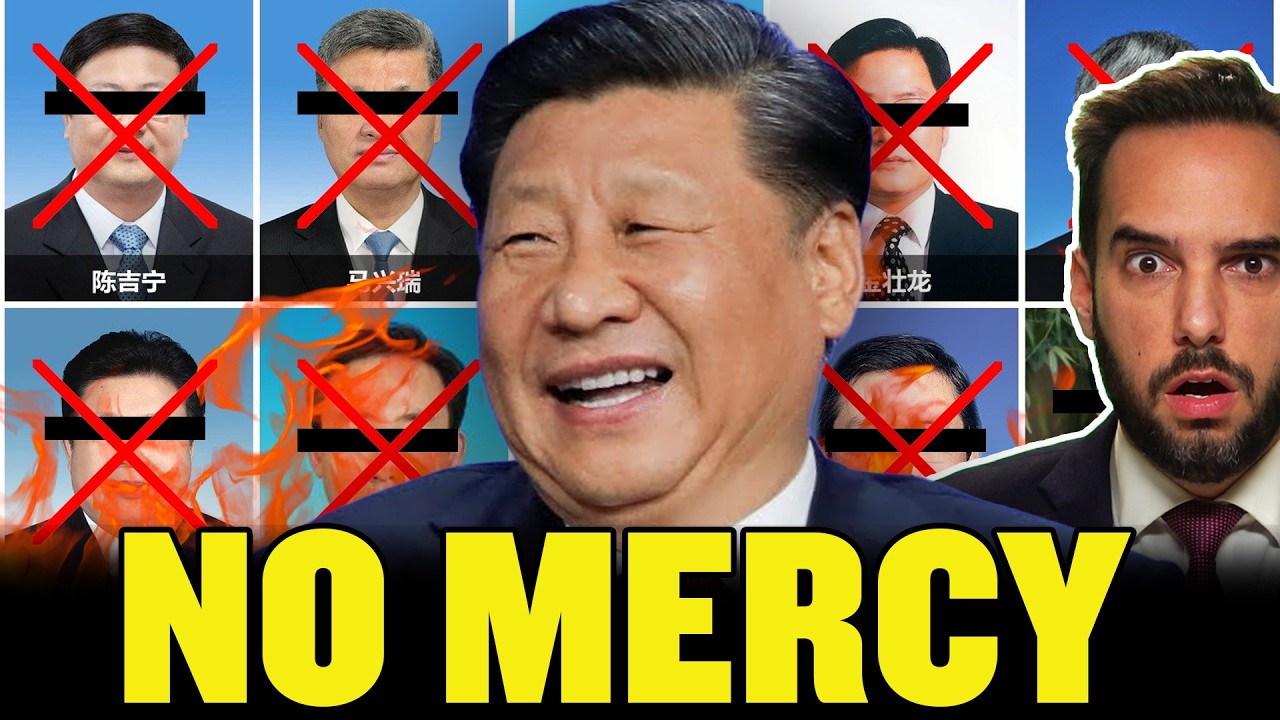
After the U.S.-Israeli strike killed Khamenei, Tehran erupted not in fear but in celebration: fireworks, dancing, headscarves torn off, and chants of “I love Trump.” Polls reveal massive rejection—70% oppose the Islamic Republic’s existence, 89% want democracy, support for the Supreme Leader below 11%, and 92% dissatisfied with the regime. Recent protests met brutal crackdowns (thousands killed), internet blackout, and a legitimacy collapse. This mirrors the CCP: ideological rule, parallel armies, economic woes, youth despair, and truth-blocking. Iran’s clerical regime lost ideological and performance legitimacy; China’s relies on economic gains now eroding fast. Reza Pahlavi positions for transition, but power struggles loom among Guard remnants, the regular army, and scattered street forces. Iran’s fall warns Beijing: performance legitimacy expires, and when a regime becomes the people’s enemy, external blows can spark joy, not resistance. Xi should watch closely—dictators rarely are the exception.

Source: When Your Own People Cheer the Bombs: Iran’s Lesson for Xi Jinping | Digging into China

Summary

The video titled When Your Own People Cheer the Bombs: Iran's Lesson for Xi Jinping, produced by the channel Digging into China, explores parallels between the Islamic Republic of Iran and the Chinese Communist Party. It describes a hypothetical scenario where a U.S.-Israeli strike eliminates Supreme Leader Khamenei, resulting in public celebration rather than fear. The description notes that polls indicate widespread rejection of the regime, with significant portions of the population opposing its existence and demanding democracy. Following such an event, the text suggests protests would face brutal crackdowns and internet blackouts before legitimacy collapses.

The analysis draws comparisons to China, highlighting shared issues like ideological rule, parallel military structures, economic struggles, and youth despair. It argues that while Iran lost both ideological and performance legitimacy, China currently relies on economic gains that are rapidly eroding. The overview mentions Reza Pahlavi's positioning for a transition amidst looming power struggles among various military factions. Ultimately, the content warns Beijing that external blows could spark joy rather than resistance when a regime becomes an enemy to its people, urging Xi Jinping to observe these developments closely as dictators rarely serve as exceptions to such historical patterns.
Watch “When Your Own People Cheer the Bombs: Iran’s Lesson for Xi Jinping | Digging into China” on YouTube

Author

YNOT — Two Tigers Consulting From Building Bridges to Watching China About 15 years ago, I founded a small company called Two Tigers Consulting with a relatively simple idea: help American and Chinese businesses work together. At the time, China represented one of the greatest business opportunities in the world — a rapidly expanding economy, extraordinary manufacturing capabilities, and ambitious entrepreneurs eager to build relationships with American companies. Two Tigers Consulting was created to help bridge that gap. For a while, it worked. We attended trade shows, arranged meetings, and introduced companies across both cultures. But after one particularly promising trade show, several Chinese businesspeople we had met were reportedly arrested upon returning to China — apparently for traveling without proper authorization. That experience taught me something important: in China, being a successful entrepreneur doesn't necessarily mean being free to conduct business. As Xi Jinping consolidated power and the political environment shifted, we concluded the potential rewards of doing business in China no longer justified the risks. Rather than abandon our knowledge entirely, Two Tigers evolved into a platform for following, discussing, and analyzing developments inside China — its economy, political leadership, and increasingly complicated relationship with the United States. I want to make absolutely clear that I have tremendous respect for the Chinese people — their entrepreneurs, engineers, and workers are extraordinarily capable. But I also believe China's political system creates fundamental contradictions: enormous private fortunes can be accumulated, yet ultimate political authority remains firmly concentrated, making relationships based on mutual trust and predictable rules extremely difficult to sustain. Today, Two Tigers is an independent publication examining China's achievements, challenges, ambitions, and contradictions — where they intersect with the United States and the broader world. What began as a small business venture now attracts roughly 10,000 visits a day. Understanding China is no longer optional: what happens there affects businesses, economies, and people throughout the world. And that is why Two Tigers continues.

Leave a Reply

Your email address will not be published. Required fields are marked *

Quantum24 Network