• TwoTigers24, New York
  • October 22, 2026

0 Comments

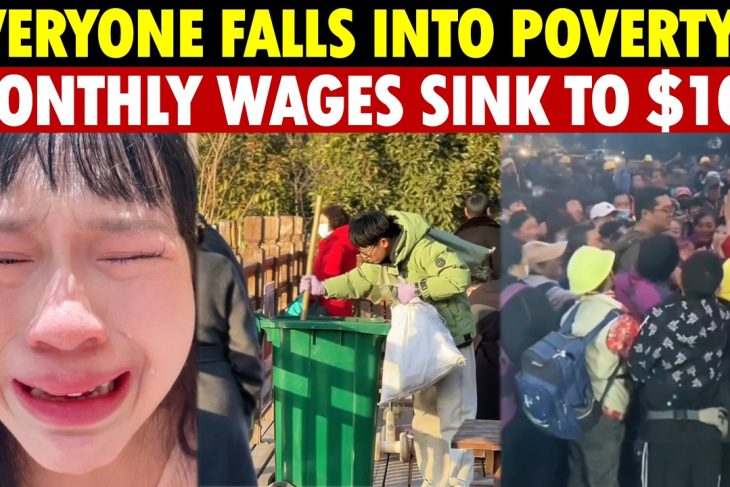
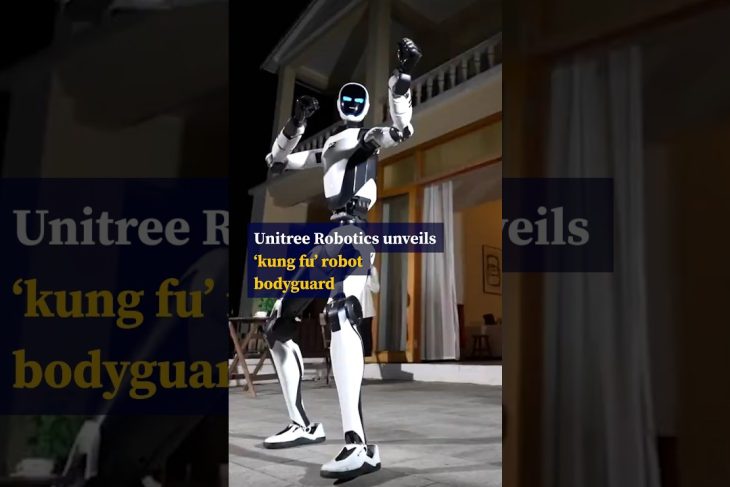
China analyst Tony Fiddis breaks down the latest economic distress signals emerging across China as state-driven capital accelerates a massive bubble in artificial intelligence and robotics. Read the full, in-depth analysis on China News Update: https://chinanewsupdate.com/chinas-ec… Please Support the Channel (It's just me making China Update): Patreon Link: / chinaupdate One-off Tips Here: https://www.buymeacoffee.com/chinaupdate Video Timestamps: 00:00 Introduction 00:21 China’s Economy: Falling Bond Yields & Youth Unemployment 05:22 Black Forrest 07:01 Unitree’s ‘Blockbuster’ Shanghai IPO 10:10 Global Tech War: The AI Gap EPISODE SUMMARY & BREAKDOWN: In this briefing, China analyst Tony Fiddis examines the stark divergence currently defining the world’s second-largest economy. On one side, core macroeconomic indicators—including persistent deflationary pressures, sluggish domestic consumption, and mounting local government debt—continue to flash warning signs across traditional industrial and property sectors. On the other side, Beijing’s aggressive push into high-tech self-reliance has triggered an unprecedented surge of capital into artificial intelligence, humanoid robotics, and advanced automation. While state directives aim to establish global technological dominance, market realities reveal growing risks of overcapacity, speculative valuation bubbles, and severe resource misallocation. Tony analyses whether these state-backed technological investments can realistically offset broader macroeconomic stagnation, or if the rush into frontier tech is masking deeper structural vulnerabilities. We explore the ripple effects for international investors, domestic employment, and global supply chain realignments as China navigates this high-stakes industrial transition.

Source: China Just Woke Up To Very Bad News | Unitree’s Blockbuster IPO | China Closing The AI Gap?

Author

YNOT — Two Tigers Consulting From Building Bridges to Watching China About 15 years ago, I founded a small company called Two Tigers Consulting with a relatively simple idea: help American and Chinese businesses work together. At the time, China represented one of the greatest business opportunities in the world — a rapidly expanding economy, extraordinary manufacturing capabilities, and ambitious entrepreneurs eager to build relationships with American companies. Two Tigers Consulting was created to help bridge that gap. For a while, it worked. We attended trade shows, arranged meetings, and introduced companies across both cultures. But after one particularly promising trade show, several Chinese businesspeople we had met were reportedly arrested upon returning to China — apparently for traveling without proper authorization. That experience taught me something important: in China, being a successful entrepreneur doesn't necessarily mean being free to conduct business. As Xi Jinping consolidated power and the political environment shifted, we concluded the potential rewards of doing business in China no longer justified the risks. Rather than abandon our knowledge entirely, Two Tigers evolved into a platform for following, discussing, and analyzing developments inside China — its economy, political leadership, and increasingly complicated relationship with the United States. I want to make absolutely clear that I have tremendous respect for the Chinese people — their entrepreneurs, engineers, and workers are extraordinarily capable. But I also believe China's political system creates fundamental contradictions: enormous private fortunes can be accumulated, yet ultimate political authority remains firmly concentrated, making relationships based on mutual trust and predictable rules extremely difficult to sustain. Today, Two Tigers is an independent publication examining China's achievements, challenges, ambitions, and contradictions — where they intersect with the United States and the broader world. What began as a small business venture now attracts roughly 10,000 visits a day. Understanding China is no longer optional: what happens there affects businesses, economies, and people throughout the world. And that is why Two Tigers continues.

Leave a Reply

Your email address will not be published. Required fields are marked *

Quantum24 Network