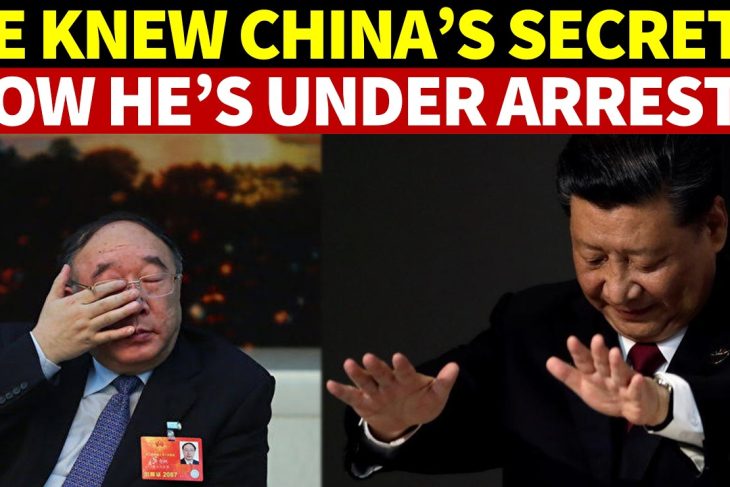
The Pentagon is facing a new legal challenge. Chinese tech giant Alibaba is suing after being designated a Chinese military company—but the Defense Department isn’t the only target. Here’s how Beijing is weaponizing U.S. courts to silence critics. A new clash in the U.S.–China AI race. Anthropic is accusing Alibaba of a large-scale effort, involving thousands of fake accounts, to steal AI capabilities. A Chinese EV battery maker is demanding millions of dollars from a small Michigan township. How local backlash against a Chinese-owned factory turned into a federal lawsuit. A successful test of the Golden Dome. Defense Secretary Pete Hegseth described it as the first milestone test of the missile defense program. Which countries is the Golden Dome primarily defending against? The semiconductor industry is riding the AI boom. South Korean chip workers are reaping the rewards, enjoying high demand in both career and marriage. 00:00 Intro 01:26 Alibaba Sues Pentagon for Chinese Military Designation 02:35 Beijing Weaponizes U.S. Courts to Silence Critics 05:14 Anthropic Accuses Alibaba of Large-Scale AI Theft 06:47 Chinese Battery Firm Seeks $23.7M From Small Michigan Town 08:34 Hegseth Says Golden Dome Test a Success 09:37 U.S. University Program for Communist Elites: Report 10:30 U.S. Snubs China APEC Meeting Over Visa Dispute 11:16 Chip Workers in High Demand at Work and in Marriage 12:41 Semiconductor Industry Lures Top Students From Medicine 14:14 Expert on China Cyber Threats in U.S. Infrastructure 14:31 Experts Warn of Deep Grid Infiltration Risk 15:53 China-Made Parts Raise AI Data Center Concerns 20:16 Expert Warns of Telecom Supply Chain Vulnerabilities
Source: How Beijing Weaponizes U.S. Courts to Silence Critics | China in Focus
Summary
This video from China in Focus examines the evolving legal and technological tensions between the United States and China. The segment begins by addressing a new legal challenge involving the Pentagon, where Chinese tech giant Alibaba has filed a lawsuit following its designation as a Chinese military company. Beyond this specific case, the report explores how Beijing allegedly utilizes U.S. courts to suppress criticism. A significant portion of the discussion focuses on the ongoing competition in artificial intelligence, highlighting accusations from Anthropic that Alibaba orchestrated a massive operation using thousands of fake accounts to steal AI capabilities.
The overview also covers economic and security disputes, including a Chinese electric vehicle battery manufacturer seeking millions from a Michigan township amid local opposition to its factory. On the defense front, Defense Secretary Pete Hegseth announced a successful test of the Golden Dome missile defense program. The video further touches on domestic impacts within South Korea's semiconductor industry, where high demand for chip workers is affecting both employment and marriage markets. Additionally, experts warn of potential risks regarding deep grid infiltration and vulnerabilities in telecom supply chains involving China-made parts. The report concludes by noting diplomatic friction, such as the U.S. decision to exclude China from an APEC meeting due to visa disputes, alongside concerns over a university program allegedly benefiting Communist elites.
Watch “How Beijing Weaponizes U.S. Courts to Silence Critics | China in Focus” on YouTube