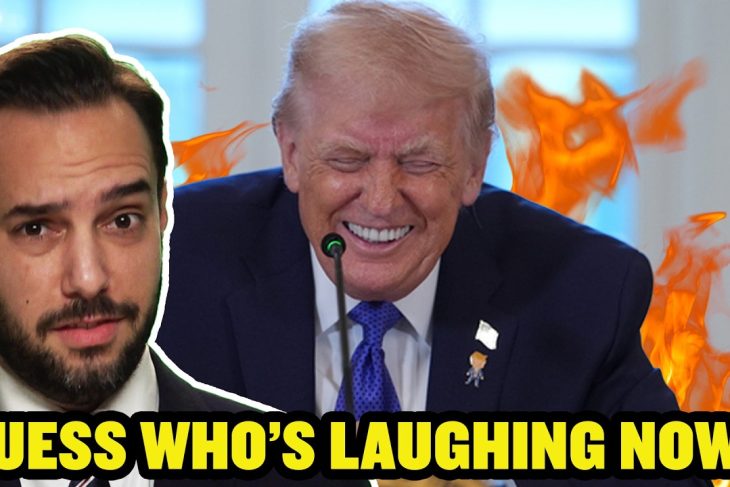
Japanese Prime Minister Takaichi Sanae’s high-stakes visit to Washington — originally meant to reinforce the US–Japan alliance and refocus attention on Indo-Pacific security — was instead overshadowed by the US-Israeli war with Iran, a global energy crisis and an eyebrow-raising comment by US President Donald Trump about Pearl Harbor. Earlier in the week, Tokyo signed a joint declaration with the UK and several EU countries expressing support for reopening the Strait of Hormuz, which is a critical passageway for 20 percent of the world’s oil. However, Japan’s pacifist Constitution and domestic opposition put major constraints on any potential military role. Meanwhile, a US intelligence report described Takaichi’s comments about Taiwan as “a significant shift,” seemingly siding with Beijing’s interpretation and putting Tokyo on the defensive. How will Takaichi and her government navigate this “very difficult” political terrain? In this episode, we examine Japan’s diplomatic challenge, shifting US alliance dynamics and what it means for Taiwan and the Indo-Pacific. *Recorded on March 20, 2026 at 10:30am Taiwan Standard Time Host/Senior Producer: Yin Khvat Consultant: Max Yu Research Assistant: April Lin Our guests: Ota Fumio Japan Maritime Self-Defense Forces Vice Admiral (Ret.) Patrick Cronin Hudson Institute Asia-Pacific Security Chair Michael Chen Democratic Progressive Party International Affairs Director Chapters: 00:00:00 – Japan PM Visits US Amid Iran Conflict 00:03:28 – Takaichi Navigates ‘Very Difficult’ Terrain in DC 00:15:24 – Tokyo Rejects US Intel on PM’s Taiwan Remarks
Source: Trump Praises Japan, Slams NATO Over Iran: Takaichi Navigates Hormuz Pressure | Taiwan Talks EP798
Summary
Japanese Prime Minister Sanae Takaichi's visit to Washington faced significant challenges, overshadowing the intended focus on Indo-Pacific security by regional conflicts and diplomatic tensions. The trip was originally designed to strengthen the US-Japan alliance but encountered immediate complications due to ongoing hostilities between the United States and Israel against Iran, which triggered a global energy crisis. Japan had previously signed a joint declaration with the UK and EU nations supporting the reopening of the Strait of Hormuz, a vital route for twenty percent of the world's oil supply. However, domestic constraints rooted in Japan's pacifist Constitution limited any potential military involvement in escorting tankers through the strait.
Compounding these issues, a US intelligence report characterized Takaichi's recent comments regarding Taiwan as a significant shift that appeared to align with Beijing's interpretation, placing Tokyo on the defensive. During her time in the capital, the Prime Minister also addressed President Donald Trump, who made notable remarks concerning Pearl Harbor. The episode examines how the Japanese government navigates this difficult political terrain while managing shifting alliance dynamics and their implications for Taiwan and regional stability. Experts discuss the balance between maintaining security partnerships and adhering to constitutional limits amidst a volatile international landscape involving NATO, Iran, and the broader Indo-Pacific strategy.