• TwoTigers24, New York
  • October 19, 2026

0 Comments

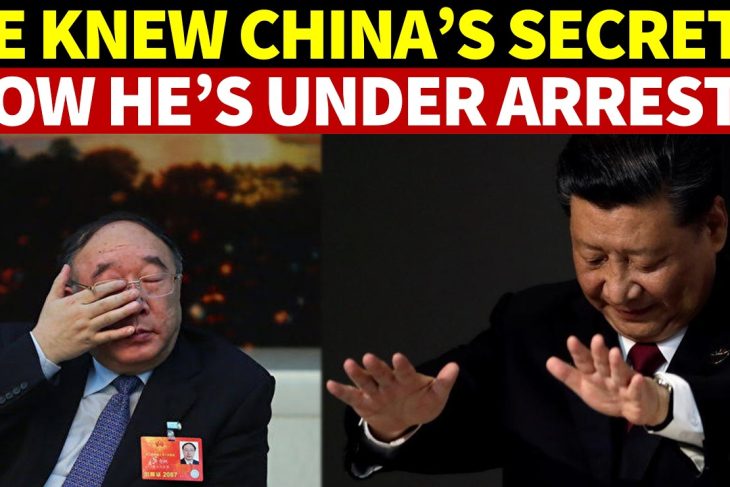
American and European companies say they’ll keep shifting supply chains out of China despite a tariff truce between Washington and Beijing. So what’s behind the move?A European chip manufacturer is warning of imminent shortages for automakers—sparked by a geopolitical clash with China over concerns about Beijing’s control of the supply chain.Linda Sun, a former aide to two New York governors, is back on trial today. New evidence suggests she used her official titles to obtain benefits and business opportunities from Chinese authorities.The number of confirmed dead in Hong Kong’s housing-complex fire has now reached 151. Beijing, fearing protests, has already labeled demonstrators “anti-China.” One man has been arrested.Civilians in Taiwan are stepping up to help the military push back against Beijing. One Taiwanese airline is even offering to conduct surveillance flights on Chinese military activity.00:00 Intro0050:U.S. Firms Leaving China, Despite Tariff Truce03:02 European Firms Move Supply Chains Out of China03:47 Chipmaker’s China Branch Goes Rogue06:40 Prosecutors: Linda Sun Helped Husband Make Money in China09:09 CCP Grants for American Schools in the Spotlight11:00 FBI Director Vows to Hold China Accountable15:02 151 Confirmed Dead, Beijing Warns Against Protests17:23 Two Mainland Chinese Manufacturers in the Spotlight18:01 Taiwanese Airline Offers to Do Surveillance Flights20:53 Students Ask Taiwan President: Will the CCP Attack?

Author

YNOT — Two Tigers Consulting From Building Bridges to Watching China About 15 years ago, I founded a small company called Two Tigers Consulting with a relatively simple idea: help American and Chinese businesses work together. At the time, China represented one of the greatest business opportunities in the world — a rapidly expanding economy, extraordinary manufacturing capabilities, and ambitious entrepreneurs eager to build relationships with American companies. Two Tigers Consulting was created to help bridge that gap. For a while, it worked. We attended trade shows, arranged meetings, and introduced companies across both cultures. But after one particularly promising trade show, several Chinese businesspeople we had met were reportedly arrested upon returning to China — apparently for traveling without proper authorization. That experience taught me something important: in China, being a successful entrepreneur doesn't necessarily mean being free to conduct business. As Xi Jinping consolidated power and the political environment shifted, we concluded the potential rewards of doing business in China no longer justified the risks. Rather than abandon our knowledge entirely, Two Tigers evolved into a platform for following, discussing, and analyzing developments inside China — its economy, political leadership, and increasingly complicated relationship with the United States. I want to make absolutely clear that I have tremendous respect for the Chinese people — their entrepreneurs, engineers, and workers are extraordinarily capable. But I also believe China's political system creates fundamental contradictions: enormous private fortunes can be accumulated, yet ultimate political authority remains firmly concentrated, making relationships based on mutual trust and predictable rules extremely difficult to sustain. Today, Two Tigers is an independent publication examining China's achievements, challenges, ambitions, and contradictions — where they intersect with the United States and the broader world. What began as a small business venture now attracts roughly 10,000 visits a day. Understanding China is no longer optional: what happens there affects businesses, economies, and people throughout the world. And that is why Two Tigers continues.

Leave a Reply

Your email address will not be published. Required fields are marked *

Quantum24 Network